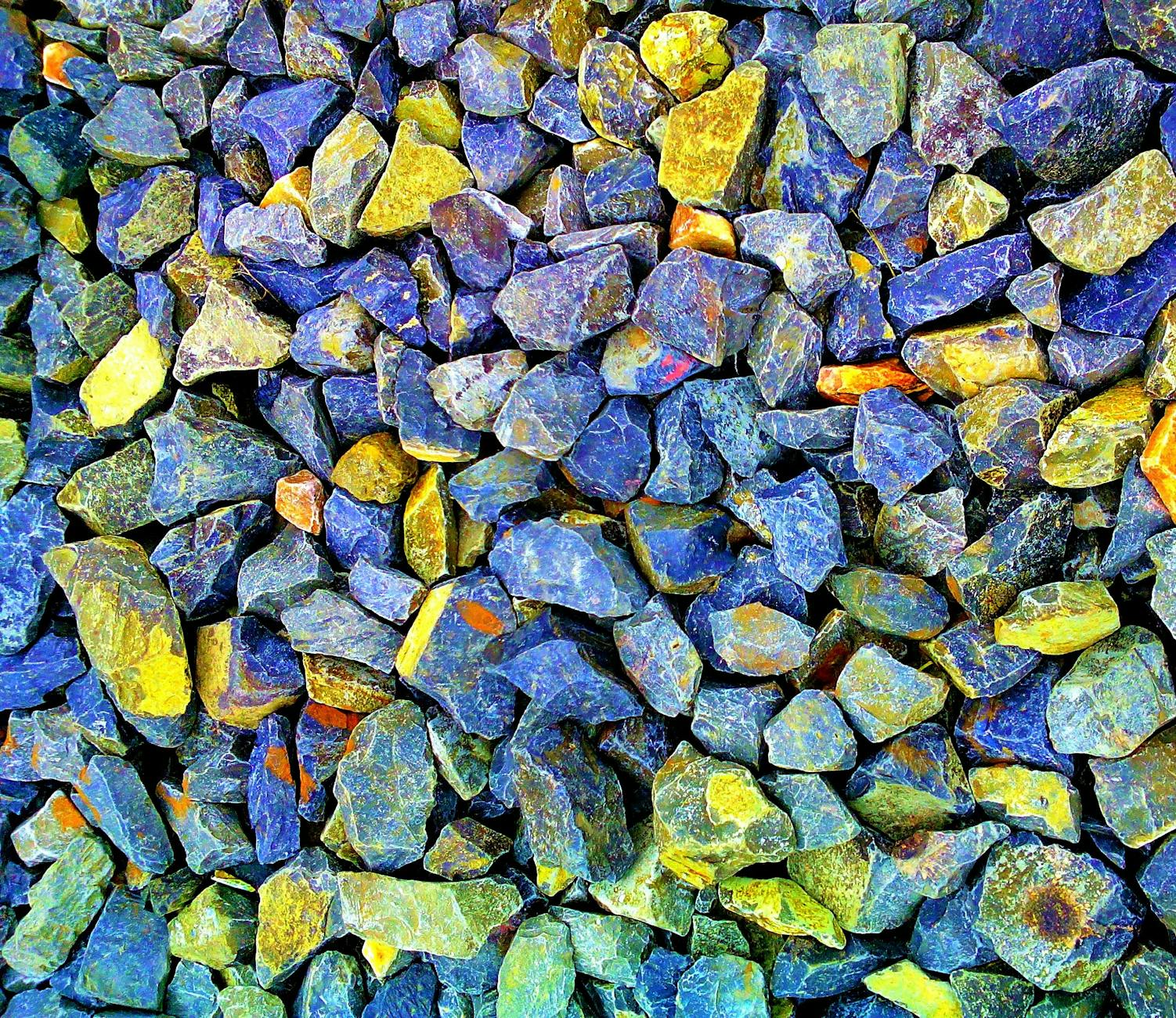
Minerals are the building blocks of rocks and the foundation of Earth’s crust. They are naturally occurring, inorganic substances with distinct chemical compositions and crystalline structures. From sparkling gems to humble sand grains, minerals come in a dazzling array of colors, shapes, and textures, each with its own unique properties and characteristics. In this article, we will understand what are minerals, exploring how they form, their properties, and their significance in our everyday lives.
What is a Mineral?
A mineral is a naturally occurring solid substance that is formed through geological processes within the Earth’s crust or in other planetary bodies. Minerals are characterized by their specific chemical compositions and crystalline structures, which give them unique physical and chemical properties. While thousands of minerals have been identified, only a few hundred are commonly found in rocks and sediments.
How do Minerals Form?
Minerals form through a variety of geological processes, including crystallization from magma, precipitation from solutions, metamorphism, and biomineralization. Each type of mineral formation process results in distinct mineral assemblages and textures, shaping the composition and structure of Earth’s crust.
1. Crystallization from Magma
Many minerals form through the cooling and solidification of molten rock, or magma, beneath the Earth’s surface. As magma cools, mineral crystals begin to nucleate and grow, forming igneous rocks such as granite, basalt, and gabbro. The rate of cooling, pressure, and chemical composition of the magma influence the size, shape, and arrangement of mineral crystals within the rock.
2. Precipitation from Solutions
Minerals can also form through the precipitation of dissolved ions from aqueous solutions. When water containing dissolved minerals evaporates or becomes oversaturated, the minerals may precipitate out of solution and crystallize. This process can occur in environments such as hot springs, caves, and evaporite deposits, where minerals like quartz, calcite, and halite are commonly found.
3. Metamorphism
Metamorphic minerals form through the recrystallization of pre-existing minerals under conditions of high temperature and pressure. During metamorphism, minerals within rocks undergo changes in mineral composition, texture, and structure, resulting in the formation of new minerals such as garnet, mica, and amphibole. Metamorphic minerals are commonly found in regions of tectonic activity, where intense heat and pressure transform existing rock formations.
4. Biomineralization
Some minerals form through biological processes, where living organisms secrete mineralized structures such as shells, bones, and teeth. Organisms such as corals, mollusks, and diatoms extract dissolved ions from seawater or soil to build protective skeletons or structures composed of minerals such as calcium carbonate, silica, and apatite. Biominerals play essential roles in ecological systems and can serve as valuable indicators of environmental conditions and ecosystem health.
Properties of Minerals
Minerals possess a variety of physical and chemical properties that distinguish them from one another and enable geologists and mineralogists to identify and classify them. Some of the key properties of minerals include:
1. Color
The color of a mineral is determined by its chemical composition and the presence of trace elements or impurities. While color can be a useful diagnostic property, it is not always reliable for mineral identification, as many minerals can occur in a range of colors due to variations in crystal structure and environmental conditions.
2. Luster
Luster refers to the way light interacts with the surface of a mineral and is described as metallic, vitreous (glassy), pearly, silky, or dull. Metallic minerals, such as pyrite and galena, have a shiny, reflective surface, while non-metallic minerals, such as quartz and gypsum, have a more subdued luster.
3. Hardness
Hardness is a measure of a mineral’s resistance to scratching and is determined by the strength of the chemical bonds within its crystal structure. The Mohs scale of hardness, ranging from 1 (talc) to 10 (diamond), is commonly used to rank minerals based on their relative hardness. For example, talc is easily scratched by a fingernail, while diamond is the hardest naturally occurring substance known to man.
4. Cleavage and Fracture
Cleavage refers to the tendency of a mineral to break along planes of weakness in its crystal lattice, producing smooth, flat surfaces known as cleavage planes. Minerals with perfect cleavage, such as mica and calcite, break cleanly along distinct planes, while minerals with fracture, such as quartz and obsidian, break irregularly with rough or jagged surfaces.
5. Specific Gravity
Specific gravity is a measure of a mineral’s density relative to the density of water and is determined by the mass of the mineral compared to its volume. Minerals with high specific gravity, such as gold and galena, are denser than average, while minerals with low specific gravity, such as pumice and graphite, are less dense and may float on water.
6. Crystal Form
The crystal form of a mineral refers to the geometric shape of its individual crystals, which is determined by the internal arrangement of atoms and ions within the crystal lattice. Minerals such as quartz and halite exhibit distinctive crystal forms, such as hexagonal prisms, cubic crystals, and rhombohedral forms, which reflect their crystalline symmetry and atomic structure.
What is the Difference Between a Mineral and a Rock
While minerals and rocks are closely related geological materials, they differ in composition, formation, and properties. Here are the key differences between minerals and rocks:
1. Composition:
- Minerals: Minerals are homogeneous, naturally occurring, inorganic substances with a specific chemical composition and crystalline structure. They are composed of one or more chemical elements arranged in a regular, repeating pattern known as a crystal lattice. Examples of minerals include quartz, feldspar, and calcite.
- Rocks: Rocks, on the other hand, are aggregates of minerals or mineraloids bound together through cementation, crystallization, or lithification processes. Rocks can also contain organic material, volcanic glass, or other non-mineral components. Examples of rocks include granite, basalt, and shale.
2. Formation:
- Minerals: Minerals form through various geological processes, including crystallization from magma, precipitation from solutions, metamorphism, and biomineralization. Each mineral formation process results in distinct chemical compositions, crystal structures, and physical properties.
- Rocks: Rocks form through the accumulation, consolidation, and transformation of mineral particles or other geological materials over time. The processes of rock formation include cooling and solidification of magma, compaction and cementation of sedimentary particles, and recrystallization and metamorphism of pre-existing rocks.
3. Properties:
- Minerals: Minerals possess specific physical and chemical properties that distinguish them from one another, including color, luster, hardness, cleavage, fracture, specific gravity, and crystal form. These properties are inherent to each mineral and can be used to identify and classify minerals.
- Rocks: Rocks exhibit a wide range of physical and textural properties determined by their mineral composition, grain size, and fabric. Rocks may display varying colors, textures, hardness, and structural features depending on the minerals they contain and the processes that formed them.
4. Classification:
- Minerals: Minerals are classified based on their chemical composition, crystal structure, and physical properties. They are categorized into groups such as silicates, carbonates, sulfides, oxides, and native elements, each with its own characteristic properties and associations.
- Rocks: Rocks are classified into three main types based on their origin and mode of formation: igneous, sedimentary, and metamorphic. Igneous rocks form from the solidification of molten magma, sedimentary rocks form from the accumulation and lithification of sedimentary particles, and metamorphic rocks form from the alteration of pre-existing rocks under conditions of high temperature and pressure.
Importance of Minerals
Minerals play a crucial role in Earth’s geology, ecology, economy, and society, providing valuable resources for construction, manufacturing, technology, and agriculture. Some of the key roles and uses of minerals include:
1. Building Materials
Minerals such as limestone, granite, and sandstone are used as construction materials for buildings, roads, bridges, and infrastructure projects. These durable and versatile materials provide strength, stability, and aesthetic appeal to architectural and engineering designs.
2. Industrial Minerals
Industrial minerals, including gypsum, kaolin, and talc, are used in a variety of industrial applications, including ceramics, plastics, paints, and paper production. These minerals contribute to the manufacturing of consumer goods and industrial products essential for modern society.
3. Precious Metals and Gemstones
Precious metals such as gold, silver, and platinum, along with gemstones such as diamonds, rubies, and emeralds, are prized for their rarity, beauty, and intrinsic value. These minerals are used in jewelry, ornaments, and decorative objects, as well as in investment and financial markets.
4. Energy Resources
Minerals such as coal, oil, and natural gas are essential energy resources used for electricity generation, heating, transportation, and industrial processes. These fossil fuels provide the primary source of energy for modern economies and societies, although concerns about environmental impact and sustainability have led to increased interest in renewable energy sources.
5. Agricultural Minerals
Agricultural minerals, including phosphate rock, potash, and sulfur, are used as fertilizers and soil amendments to enhance crop growth, yield, and nutrition. These minerals replenish essential nutrients in soils, improve soil structure and fertility, and support sustainable agricultural practices.
6. Environmental Remediation
Certain minerals, such as zeolites, activated carbon, and bentonite, are used in environmental remediation and pollution control applications. These minerals can absorb and remove contaminants from air, water, and soil, helping to mitigate environmental pollution and protect human health and ecosystems.
You May Also Like

 Decoding Biosphere