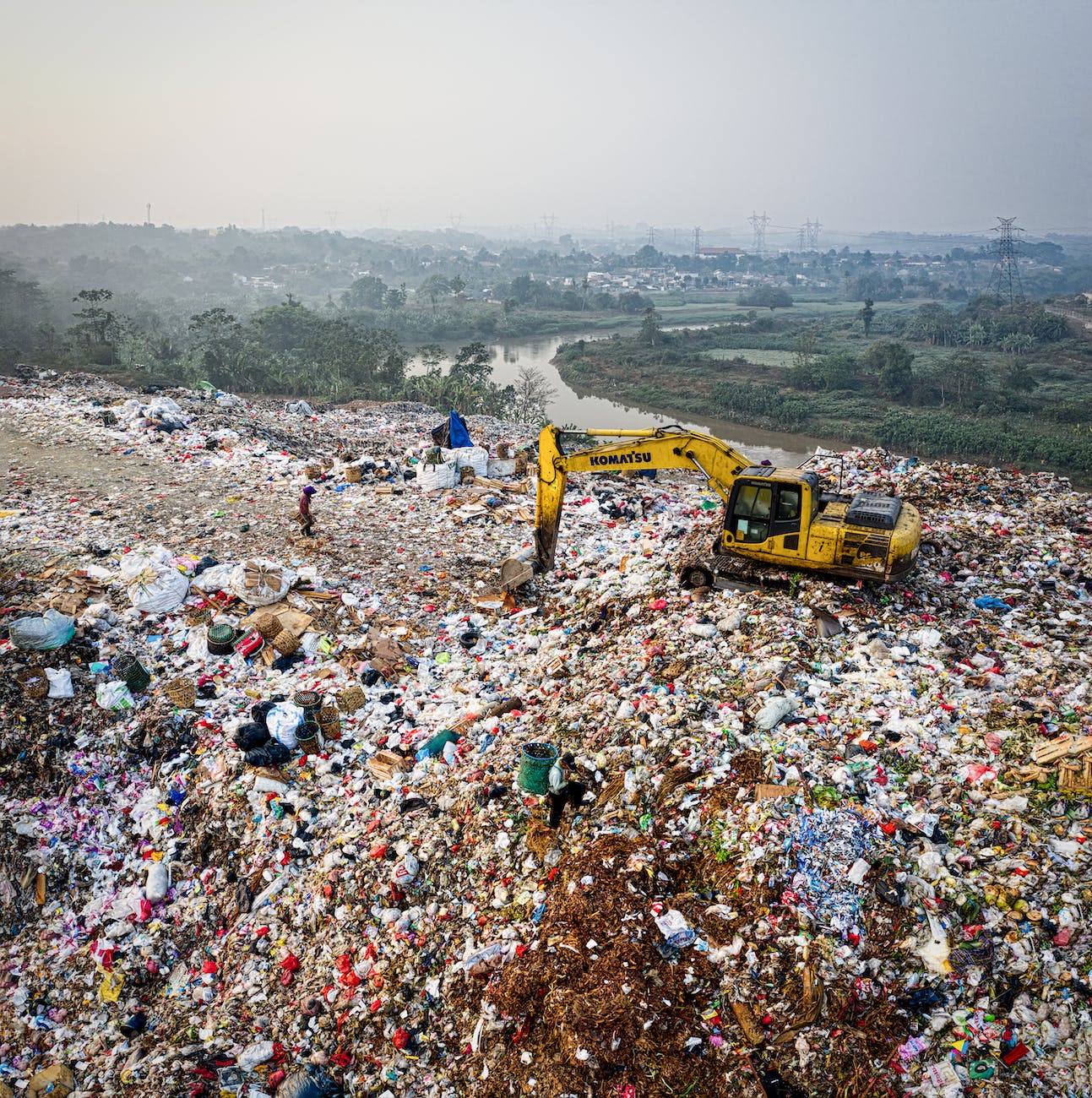
Landfills are special places where waste material is thrown away and buried. They are widely used all over the world as the main way to handle the waste. Although landfills help get rid of waste, they also have big effects on the environment. This article wants to talk about what landfills are and how they affect the environment.
What are Landfills?
Landfills are engineered sites where solid waste is deposited and covered with layers of soil or other materials to minimize odor, litter, and the risk of pollution. They are designed to prevent the release of waste into the surrounding environment. The waste deposited in landfills can include household garbage, construction debris, industrial waste, and more.
Impact on Air Quality:
One of the major environmental concerns associated with landfills is their impact on air quality. As waste decomposes, it produces a variety of gases, including methane, carbon dioxide, and volatile organic compounds (VOCs). Methane, in particular, is a potent greenhouse gas that contributes to climate change. These gases can be released into the atmosphere, contributing to air pollution and global warming.
Water Pollution:
Another significant concern is the potential for landfills to contaminate water sources. Rainwater can infiltrate through the waste layers, picking up various chemicals and pollutants in the process. This contaminated leachate, if not properly managed, can seep into the soil and groundwater, potentially polluting drinking water sources. The leachate may contain heavy metals, toxic chemicals, and other harmful substances, posing a risk to both human health and aquatic ecosystems.
Land and Soil Degradation:
Landfills require vast areas of land, which can lead to the destruction of natural habitats and ecosystems. The excavation of land for landfill construction disrupts the soil structure, which is crucial for nutrient cycling and the support of plant and animal life. Additionally, the compaction of waste and the subsequent decomposition processes can lead to the settling and sinking of landfills over time, further altering the landscape.
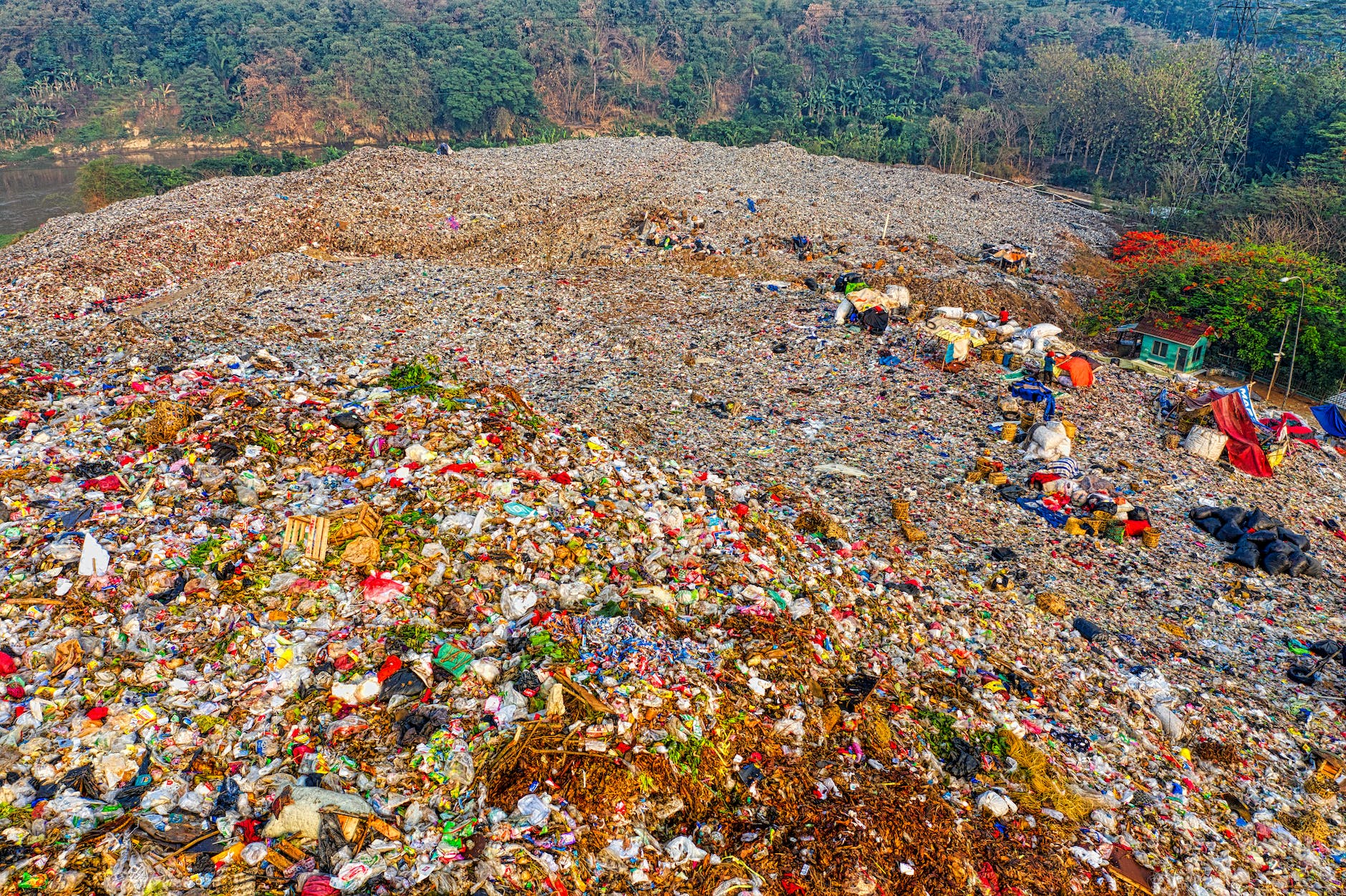
Aesthetics and Visual Impact:
Landfills are not only a source of environmental degradation but also affect the visual appeal of an area. The presence of landfills can create an eyesore, detracting from the natural beauty of the surroundings. Uncontrolled waste disposal can result in litter and debris being blown away by the wind, further contributing to visual pollution.
Mitigating the Impact of Landfills:
Efforts have been made to minimize the negative impact of landfills on the environment. Some strategies include:
- Improved Waste Management: Encouraging waste reduction, recycling, and composting can help divert a significant portion of waste from landfills, reducing their overall environmental impact.
- Methane Capture: Installing systems to capture methane gas emitted from landfills can help reduce greenhouse gas emissions and prevent its release into the atmosphere.
- Liner Systems and Leachate Management: Constructing landfills with impermeable liner systems and implementing effective leachate collection and treatment methods can help prevent groundwater contamination.
- Landfill Gas-to-Energy Projects: Converting captured methane gas into usable energy through technologies like landfill gas-to-energy projects can provide a renewable energy source while reducing the environmental impact of landfills.
While landfills have been an important component of waste control systems, they have a big effect on nature. It is very important to investigate other ways to manage waste, like reusing, breaking down organic materials, and technologies that convert waste into energy, to lessen the need for landfill sites.
Sources:
- https://www.epa.gov/lmop/basic-information-about-landfill-gas
- https://austincommunitylandfill.wm.com/environmental-protection/landfill-liner

 Decoding Biosphere