Inconel, a highly versatile and corrosion-resistant alloy, has long been a staple in industries ranging from aerospace and defense to chemical processing and marine engineering. One question that often arises regarding Inconel is whether it possesses magnetic properties. In this article, let us understand its magnetic behavior, exploring its applications, and examining its role in various industries.
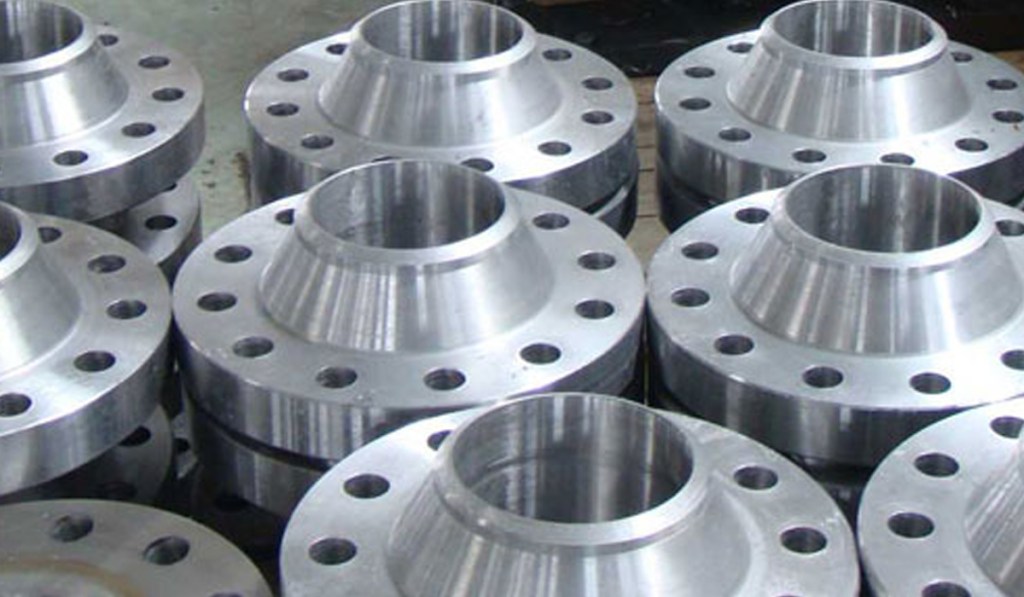
Understanding Inconel
Inconel is a family of nickel-based superalloys renowned for their exceptional resistance to high temperatures, corrosion, and oxidation. Developed by the Special Metals Corporation in the mid-20th century, Inconel alloys are prized for their durability, strength, and versatility in challenging environments.
Composition of Inconel Alloys
Inconel alloys are primarily composed of nickel, chromium, and other alloying elements such as iron, molybdenum, and niobium. The precise composition of Inconel alloys varies depending on the specific grade and intended application. However, the high nickel content in Inconel alloys is a defining characteristic that contributes to their superior mechanical properties and corrosion resistance.
Magnetic Properties of Inconel
Now, let’s address the burning question: Is Inconel magnetic? The answer is not straightforward. Inconel alloys can exhibit magnetic properties under certain conditions, but the degree of magnetism varies depending on several factors, including alloy composition, processing methods, and environmental factors.
Factors Influencing the Magnetism of Inconel
- Alloy Composition: The magnetic properties of Inconel alloys can be influenced by their chemical composition. While nickel is inherently non-magnetic, certain alloying elements such as iron can introduce magnetic characteristics into the alloy. Inconel alloys containing higher concentrations of iron may exhibit magnetic behavior to some extent.
- Processing Methods: The manufacturing and processing methods used to produce Inconel alloys can also affect their magnetic properties. Factors such as heat treatment, cold working, and alloying techniques can influence the microstructure and magnetic behavior of the material.
- Temperature and Environment: The magnetic properties of Inconel alloys can change with temperature and environmental conditions. At low temperatures, certain Inconel alloys may exhibit increased magnetic susceptibility, while at high temperatures, the magnetic behavior may diminish or disappear entirely.
Applications of Inconel Alloys
Inconel alloys find a wide range of applications across various industries due to their unique combination of properties:
- Aerospace and Defense: Inconel alloys are extensively used in aerospace and defense applications, including aircraft components, rocket engines, gas turbines, and missile systems. Their high strength, resistance to high temperatures, and corrosion resistance make them indispensable in these demanding environments.
- Chemical Processing: Inconel alloys are well-suited for use in chemical processing equipment, including reactors, heat exchangers, and piping systems. Their resistance to corrosion from acids, alkalis, and harsh chemicals makes them ideal for handling corrosive substances in chemical manufacturing plants.
- Marine Engineering: Inconel alloys are commonly used in marine engineering applications, such as offshore oil and gas platforms, seawater desalination plants, and marine exhaust systems. Their resistance to corrosion in saltwater environments makes them well-suited for marine applications where durability and longevity are essential.
- Power Generation: Inconel alloys play a vital role in power generation facilities, including nuclear power plants, fossil fuel power plants, and renewable energy systems. They are used in turbine blades, boiler components, and heat exchangers, where they withstand high temperatures and harsh operating conditions.
Conclusion
In conclusion, the magnetic properties of Inconel alloys are complex and can vary depending on factors such as alloy composition, processing methods, and environmental conditions. While pure nickel-based alloys like Inconel are typically non-magnetic, the presence of certain alloying elements such as iron can introduce magnetic characteristics into the alloy.
Understanding the magnetic behavior of Inconel alloys is essential for engineers, designers, and manufacturers working in industries where magnetism plays a significant role. By leveraging the unique properties of Inconel alloys, we can continue to innovate and advance technology in ways that benefit society and drive progress across diverse sectors.
FAQs on Inconel
1. Is Inconel magnetic?
The magnetic properties of Inconel alloys can vary depending on factors such as alloy composition, processing methods, and environmental conditions. While pure nickel-based alloys like Inconel are typically non-magnetic, the presence of certain alloying elements such as iron can introduce magnetic characteristics into the alloy.
2. What factors influence the magnetism of Inconel?
Several factors can influence the magnetic properties of Inconel alloys, including alloy composition, processing methods (such as heat treatment and cold working), and environmental conditions (such as temperature and exposure to magnetic fields).
3. Can Inconel alloys be magnetized?
Inconel alloys can be magnetized under certain conditions, particularly if they contain significant amounts of ferromagnetic elements such as iron. However, the degree of magnetism and the ability to retain magnetization may vary depending on the specific alloy composition and processing history.
4. Are all grades of Inconel non-magnetic?
Not all grades of Inconel are non-magnetic. Some Inconel alloys contain alloying elements that confer magnetic properties to the material. The magnetic behavior of Inconel alloys can vary depending on the specific grade and composition.
5. What are the main applications of Inconel alloys?
Inconel alloys find a wide range of applications across various industries, including aerospace, defense, chemical processing, marine engineering, power generation, and automotive. They are used in components and systems that require high strength, corrosion resistance, and reliability in extreme environments.
6. How are Inconel alloys processed and manufactured?
Inconel alloys are typically processed using techniques such as casting, forging, machining, and welding. Specialized heat treatment processes may also be employed to optimize the material’s mechanical properties and enhance its resistance to corrosion and oxidation.
7. Are there any environmental considerations associated with Inconel alloys?
Inconel alloys are generally considered to be environmentally friendly materials due to their durability, longevity, and recyclability. However, like any industrial material, the production and processing of Inconel alloys may have environmental impacts that should be managed responsibly.
8. Can Inconel alloys be recycled?
Yes, Inconel alloys can be recycled and reused to minimize waste and conserve natural resources. Recycling processes involve melting down scrap and unused materials to recover valuable alloying elements, which can then be used to manufacture new Inconel products and components.
You May Also Like

 Decoding Biosphere