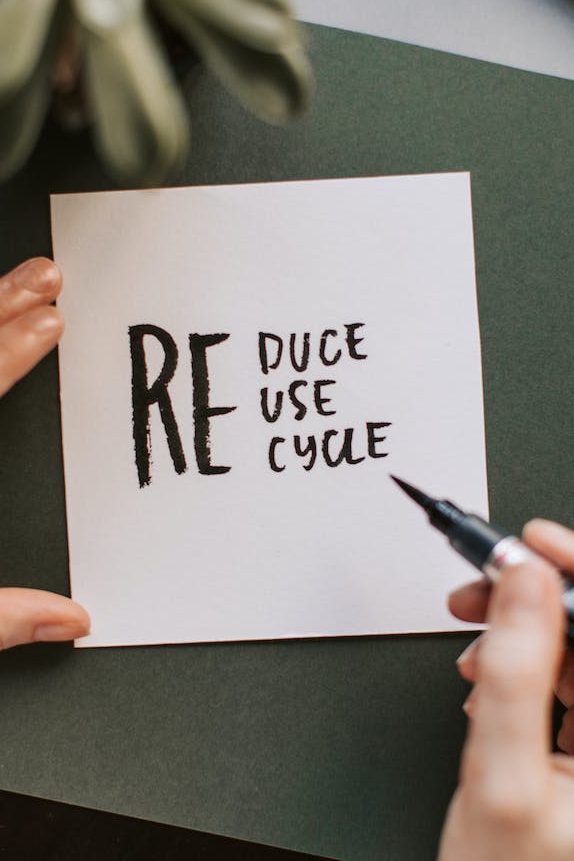
Recycling has become a vital practice in our quest for a more sustainable world. It offers an effective way to reduce waste, conserve resources, and minimize our environmental impact. But have you ever wondered how recycling actually works? In this article, we will take a closer look at the journey of recycling, from collection to processing, highlighting the key steps and processes involved in turning our discarded materials into valuable resources.
Step 1: Collection and Sorting:
The recycling process begins with the collection of recyclable materials. Most communities have curbside recycling programs where designated bins are provided for residents to place their recyclables. These materials are then transported to recycling centers or material recovery facilities (MRFs) for sorting.
At the recycling centers, advanced sorting equipment and skilled workers sort the collected materials into different categories such as paper, plastics, glass, and metals. This step is crucial to ensure that each type of material is processed appropriately.
Step 2: Processing and Preparation:
Once the materials have been sorted, they undergo processing to prepare them for recycling. This step involves cleaning and separating the recyclables further. For example, paper is often pulped, removing ink and contaminants, while plastics are shredded and melted to create plastic pellets.
During this stage, certain materials may undergo additional steps to remove impurities. For instance, aluminum cans are crushed, shredded, and melted to remove paint and coatings before being transformed into new aluminum products.
Step 3: Manufacturing and Repurposing:
After the processing and preparation, the recyclable materials are ready to be transformed into new products. Manufacturers purchase these processed materials to use as raw materials in their production processes. For example, recycled paper may be used to create new paper products like cardboard boxes or newspapers.
The manufacturing and repurposing stage involves melting, molding, or reshaping the materials to create new products. Plastic bottles can be transformed into polyester fiber for clothing or carpets, while glass bottles can be melted down and reformed into new glass containers. This stage is a crucial aspect of recycling, as it helps conserve resources and reduce the demand for virgin materials.
Step 4: Consumer Use and Repeat:
Once the recycled materials have been transformed into new products, they enter the consumer market. These recycled products are often indistinguishable from those made from virgin materials, ensuring their quality and usability.
As consumers, we play a vital role in the recycling process. By purchasing products made from recycled materials, we create a demand for recycling and contribute to a circular economy. It is a continuous cycle where the products we use are recycled again, further reducing waste and conserving resources.
Challenges and Future Perspectives:
While recycling is an important practice, it does face its share of challenges. Contamination of recyclables, lack of awareness, and inadequate recycling infrastructure can hinder the efficiency of the process. It’s essential for individuals to follow local recycling guidelines and educate themselves about what can and cannot be recycled.
To overcome these challenges, advancements in recycling technologies and infrastructure are being pursued. Innovations such as improved sorting systems, more efficient processing methods, and the development of new recycling techniques for challenging materials like certain plastics are being explored.
Take Away:
Recycling is a powerful tool in our efforts to create a sustainable future. By understanding the process of recycling, from collection and sorting to processing and manufacturing, we can make informed choices and actively participate in this transformative journey. By embracing recycling and supporting the use of recycled products, we contribute to the conservation of resources, reduction of waste, and the preservation of our planet for future generations.

 Decoding Biosphere