
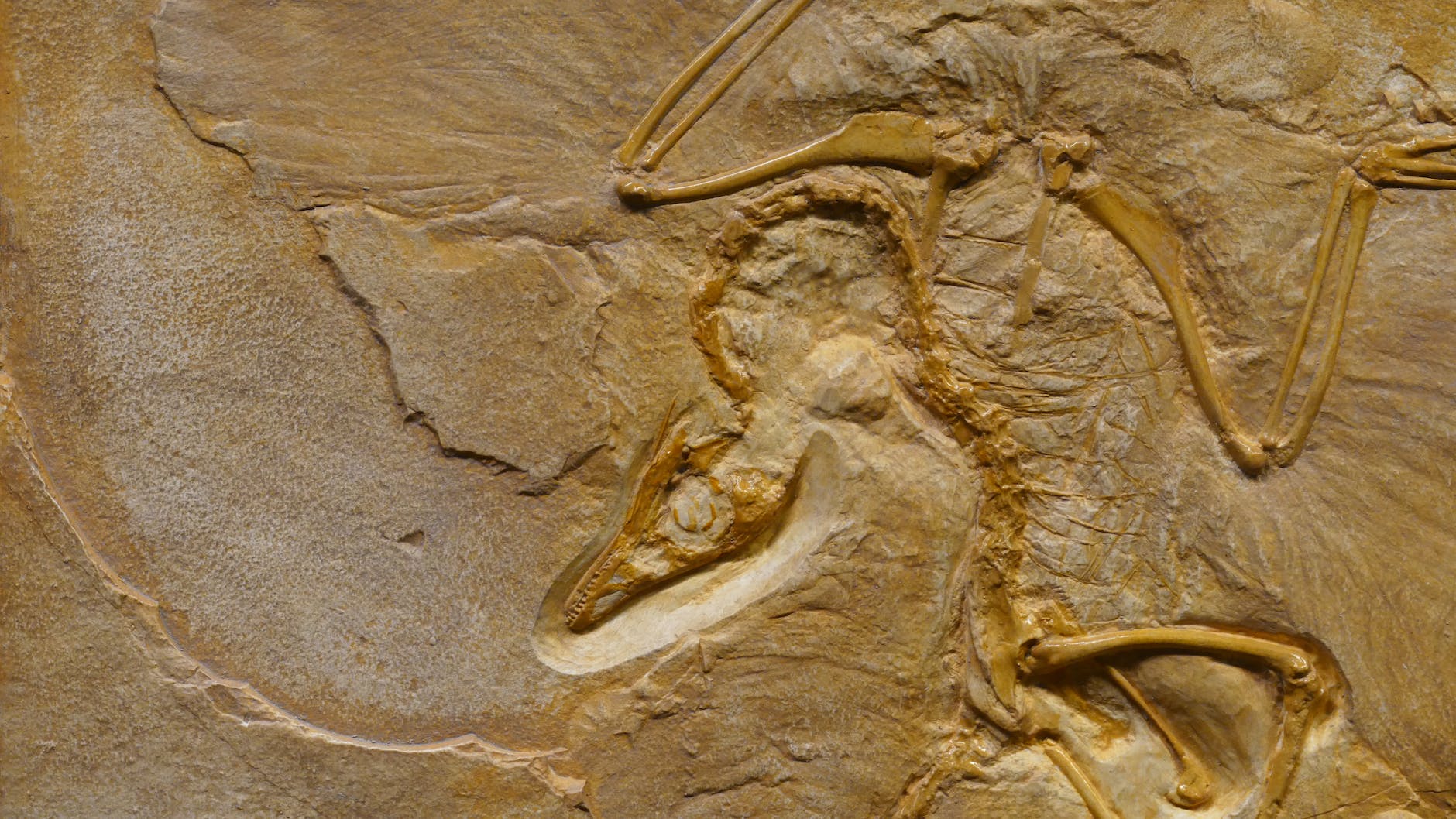
Fossils are like nature’s time capsules, preserving the remains of ancient organisms and giving us clues about life on Earth millions of years ago. From dinosaur bones to prehistoric plants, fossils come in all shapes and sizes, telling stories of evolution, extinction, and the ever-changing world around us. In this article, we’ll explore what fossils are, how they form, the different types of fossils, and some fascinating facts about these ancient relics.
What is a Fossil?
A fossil is any trace or remains of a plant or animal that lived in the past and has been preserved in rock or sediment. Fossils can range from the hard shells of ancient sea creatures to the imprints of leaves on prehistoric trees. They provide valuable evidence of past life forms and help scientists understand the Earth’s history.
Formation of Fossils
Fossilization is a remarkable process that occurs over millions of years. It begins when an organism dies and its remains are buried by sediment, such as mud or sand. Over time, the layers of sediment build up, exerting pressure on the remains and eventually turning them into rock.
As the organic material of the organism decays, minerals from the surrounding sediment seep into the remaining structures, gradually replacing them and forming a fossil. This process, known as mineralization or petrification, can preserve the intricate details of the organism’s anatomy, including bones, shells, and even soft tissues.
Types of Fossils
Fossils come in several different types, each offering unique insights into ancient life forms and environments. Here are some of the most common types of fossils:
- Body Fossils: Body fossils are the preserved remains of the actual organisms themselves. This can include bones, teeth, shells, and other hard parts of animals and plants. Body fossils provide direct evidence of the organisms that once roamed the Earth and offer clues about their anatomy, behavior, and evolutionary relationships.
- Trace Fossils: Trace fossils, also known as ichnofossils, are indirect evidence of past life activities. These can include footprints, tracks, burrows, nests, and even feces (coprolites). Trace fossils give scientists valuable information about the behavior, movement, and interactions of ancient organisms, offering glimpses into their daily lives.
- Molds and Casts: Molds and casts are fossil replicas of once-living organisms. A mold forms when an organism’s remains are buried in sediment and decay, leaving behind a cavity or impression in the surrounding rock. If the cavity fills with minerals and hardens, it creates a cast—a three-dimensional replica of the original organism.
- Petrified Wood: Petrified wood is a type of fossil where the organic material of ancient trees has been replaced by minerals, typically silica. This process preserves the structure and cellular details of the wood, transforming it into stone over time. Petrified wood fossils can be found in various regions around the world and provide insights into ancient forests and climates.
- Amber Fossils: Amber fossils are formed when tree resin, or sap, traps and preserves small organisms such as insects, spiders, and plant material. Over millions of years, the resin hardens into amber, creating a transparent or translucent fossil that can contain remarkably well-preserved specimens.
- Coprolites: Coprolites are fossilized feces that provide valuable insights into the diets and digestive systems of ancient animals. By studying the contents of coprolites, scientists can learn about the types of plants and animals that were consumed by prehistoric creatures, as well as their feeding behaviors and ecological roles.
Fascinating Facts about Fossils
Now that we’ve explored the basics of fossils, let’s get into some fascinating facts about these ancient relics:
- Dinosaur Bones: While dinosaurs roamed the Earth millions of years ago, the bones of these prehistoric giants continue to captivate our imagination today. Dinosaur fossils have been discovered on every continent, offering insights into the diversity, size, and behavior of these ancient reptiles.
- Index Fossils: Index fossils are fossils of organisms that lived for a relatively short period but were widespread geographically. They are used by scientists to help determine the age of rock layers and correlate different geological formations. For example, trilobites and ammonites are common index fossils used in dating ancient rocks.
- Transitional Fossils: Transitional fossils provide evidence of evolutionary links between different groups of organisms. For instance, the fossil record includes numerous transitional forms that document the gradual transition from fish to amphibians, reptiles to birds, and land mammals to whales.
- Fossil Record: The fossil record is like a library of life’s history, documenting the rise and fall of countless species over millions of years. While the fossil record is incomplete and biased towards organisms with hard body parts, it provides invaluable insights into the processes of evolution, extinction, and adaptation.
- Taphonomy: Taphonomy is the study of how fossils are formed and preserved in the fossil record. It encompasses processes such as decay, burial, fossilization, and weathering, shedding light on the complex interactions between organisms and their environments over time.
- Fossilization Rates: Fossilization is a rare phenomenon, with only a small fraction of organisms becoming fossilized after death. Conditions such as rapid burial, low oxygen levels, and the presence of minerals are essential factors that increase the likelihood of fossilization occurring.
- Fossils and Climate Change: Fossils provide valuable evidence of past climates and environmental conditions, helping scientists reconstruct ancient ecosystems and track changes in Earth’s climate over geological time scales. By studying fossilized plants, pollen, and isotopic ratios, researchers can infer past temperatures, precipitation patterns, and atmospheric compositions.
You May also like

 Decoding Biosphere