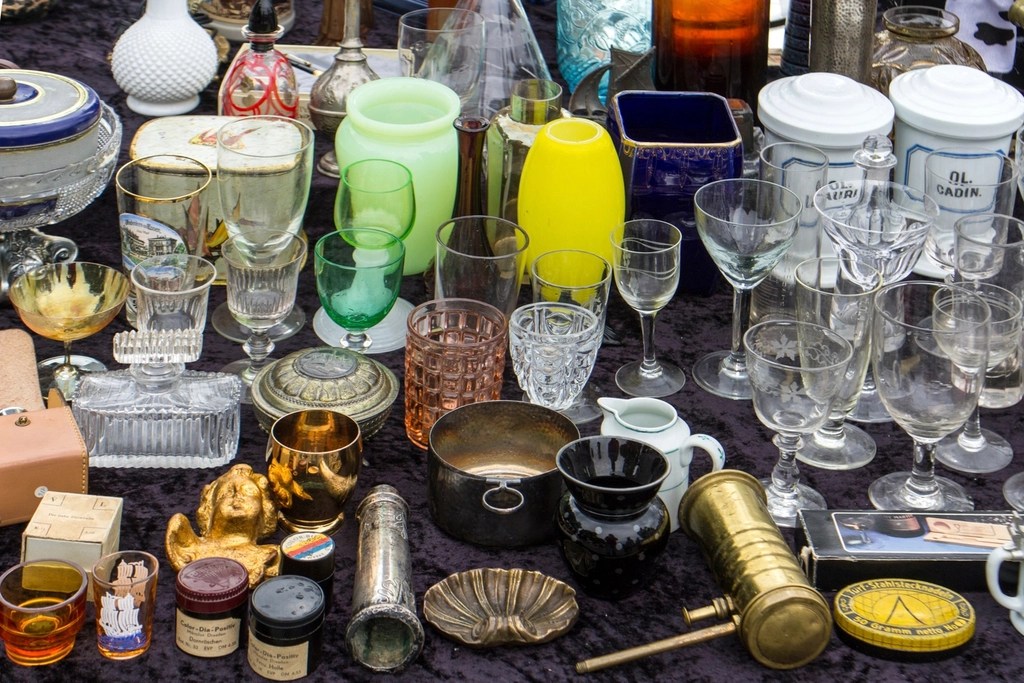
Flea markets, also known as fleas market, are vibrant and bustling marketplaces where you can find a diverse array of goods, ranging from vintage clothing and antique furniture to handmade crafts and unique collectibles. These markets are popular destinations for bargain hunters, collectors, and enthusiasts seeking one-of-a-kind treasures at affordable prices.
In recent years, as the global consciousness around sustainability has grown, so too has the interest in alternative shopping experiences that prioritize ethical consumption and waste reduction. Fleas markets, with their emphasis on secondhand goods, upcycling, and community engagement, have emerged as unexpected champions of sustainability in the retail landscape.
What are Flea Markets?
Flea markets are open-air or indoor markets where vendors gather to sell a wide variety of merchandise, often secondhand or gently used items. The term “flea market” is believed to have originated from the French term “marché aux puces,” which translates to “market of fleas.” Historically, flea markets were named as such because vendors would sell their goods outdoors, and it was believed that the items for sale might have been infested with fleas.
The Charm of Flea Markets
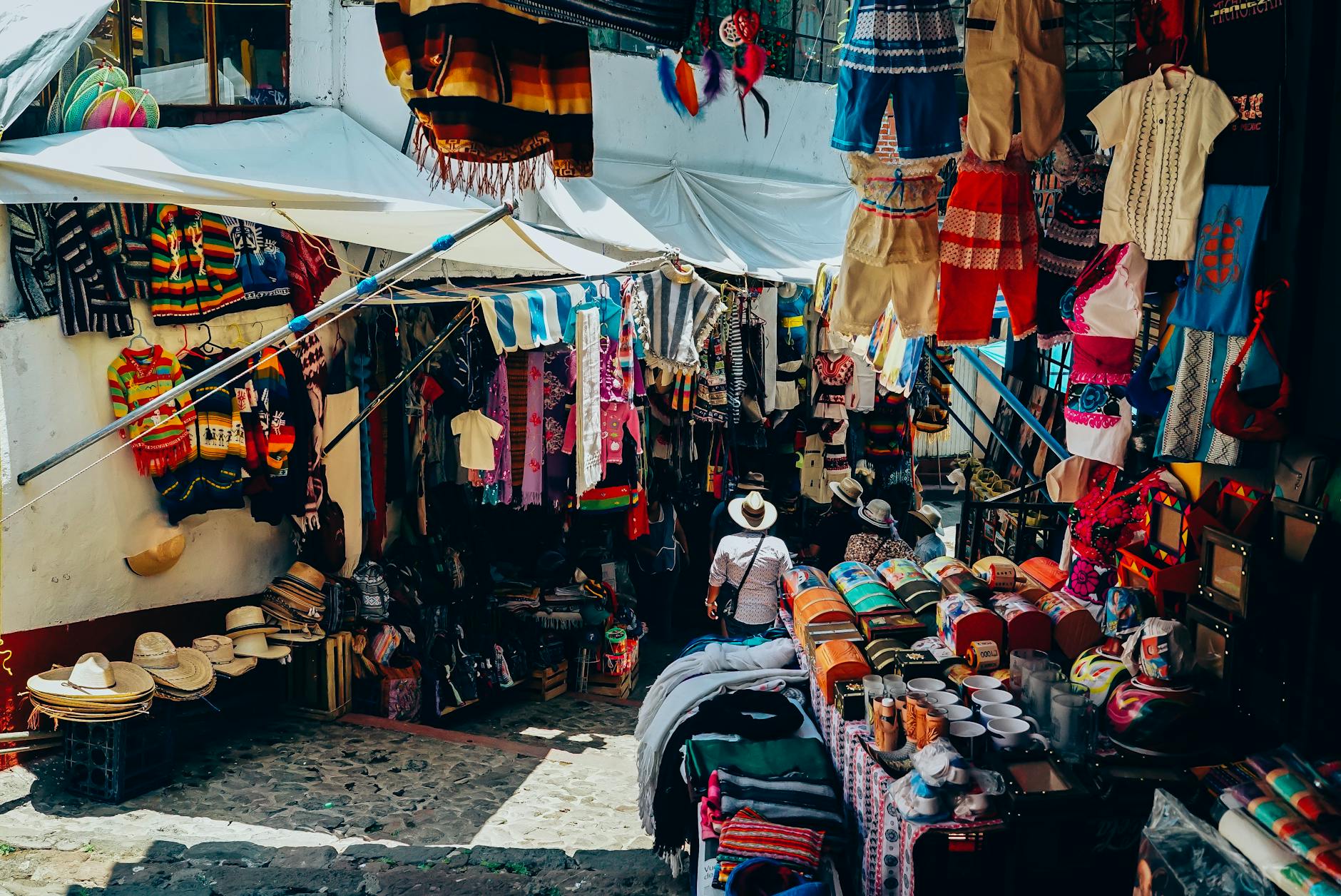
Flea markets have a unique charm and appeal that sets them apart from traditional retail stores and shopping malls. Unlike chain stores with standardized merchandise, flea markets offer a treasure trove of eclectic finds and hidden gems waiting to be discovered. From vintage clothing and retro accessories to retro furniture and nostalgic knick-knacks, flea markets cater to a wide range of tastes and interests.
A Feast for the Senses
Walking through a flea market is a sensory experience like no other. The sights, sounds, and smells of the marketplace create a lively and bustling atmosphere that invigorates the senses. The vibrant colors of handcrafted goods, the melodic tunes of street musicians, and the tantalizing aromas of freshly prepared food stalls all combine to make the flea market a vibrant and dynamic environment.
Treasure Hunting at its Finest
One of the most exciting aspects of visiting a flea market is the thrill of the hunt. With dozens of vendors offering a diverse selection of goods, you never know what hidden treasures you might stumble upon. Whether you’re searching for vintage clothing to add to your wardrobe, antique furniture to decorate your home, or unique gifts for friends and family, flea markets offer endless opportunities for discovery.

Supporting Small Businesses
Flea markets are often home to small, independent vendors and artisans who rely on these markets as a primary source of income. By shopping at flea markets, you’re not only finding unique and affordable goods, but you’re also supporting local entrepreneurs and small businesses. Your purchase directly contributes to the livelihood of these vendors and helps sustain the vibrant culture of flea markets in your community.
Fleas Market and Sustainability
At the heart of sustainability lies the principle of reducing waste and conserving resources. Fleas markets embody this ethos by offering a platform for the exchange and repurposing of preloved items. By giving new life to used goods, flea markets help extend their lifespan, diverting them from landfills and reducing the need for new production.
By opting for secondhand items at flea markets, consumers can significantly reduce their environmental footprint. Additionally, buying locally at flea markets further minimizes the carbon emissions associated with long-distance transportation.
Tips for Flea Market Shopping
- Arrive Early: The early bird catches the worm at flea markets. Arriving early gives you the best chance of finding the most desirable items before they’re snatched up by other shoppers.
- Bring Cash: While some vendors may accept credit cards or digital payments, many prefer cash transactions. Be sure to bring plenty of small bills and change to make purchasing easier.
- Be Prepared to Negotiate: Bargaining is a common practice at flea markets. Don’t be afraid to haggle with vendors to get the best deal possible, but remember to be respectful and courteous in your negotiations.
- Inspect Items Carefully: Since many items sold at flea markets are secondhand or vintage, it’s essential to inspect them carefully for any signs of damage or wear. Ask vendors about the history and condition of items before making a purchase.
Most Popular Flea Markets Around the World
Here are some of the most popular flea markets around the world:
Les Puces de Saint-Ouen (Paris, France):
Commonly referred to as the “Paris Flea Market,” Les Puces de Saint-Ouen is one of the largest and most famous flea markets in the world. With over 2,500 stalls spread across several markets, it offers a vast selection of antiques, vintage clothing, art, and collectibles.
Portobello Road Market (London, England):
Located in the Notting Hill neighborhood of London, Portobello Road Market is renowned for its eclectic mix of antiques, vintage clothing, jewelry, and bric-a-brac. The market attracts visitors from around the globe, who come to browse the stalls and soak in the vibrant atmosphere.
Brooklyn Flea (New York City, USA):
Founded in 2008, Brooklyn Flea has become a cultural institution in New York City, showcasing the best of vintage, handmade, and artisanal goods. With locations in Williamsburg, DUMBO, and other neighborhoods, it offers a curated selection of unique finds and gourmet food vendors.
Marché aux Puces de Clignancourt (Paris, France):
Another renowned flea market in Paris, the Marché aux Puces de Clignancourt, also known as the Clignancourt Flea Market or Les Puces de Paris-Saint-Ouen, is a sprawling complex of markets, alleyways, and stalls selling everything from antique furniture to vintage clothing and quirky curiosities.
Rose Bowl Flea Market (Los Angeles, USA):
Held at the iconic Rose Bowl Stadium in Pasadena, California, the Rose Bowl Flea Market is one of the largest and most celebrated flea markets on the West Coast. It features over 2,500 vendors selling antiques, collectibles, clothing, and more, attracting thousands of visitors each month.
Feira da Ladra (Lisbon, Portugal):
Translating to “Thieves’ Market,” Feira da Ladra is Lisbon’s oldest flea market, dating back to the 13th century. Held in the Alfama district, it offers a charming mix of antiques, books, clothing, and handicrafts, as well as a lively atmosphere with street performers and vendors.
El Rastro (Madrid, Spain):
El Rastro is Madrid’s most famous flea market, held every Sunday and public holiday in the historic La Latina neighborhood. It spans several streets and squares, offering a diverse array of goods, including antiques, clothing, jewelry, and souvenirs, as well as street food and entertainment.
Chatuchak Weekend Market (Bangkok, Thailand):
While not a traditional flea market, Chatuchak Weekend Market is one of the largest and most diverse markets in the world, with thousands of stalls selling everything from clothing and accessories to handicrafts, antiques, and pets. It’s a must-visit destination for shoppers and tourists in Bangkok.
These flea markets represent just a handful of the many vibrant and diverse marketplaces found around the world, each offering its own unique atmosphere, culture, and treasures waiting to be discovered.
In conclusion, flea markets are much more than just places to buy and sell goods—they’re vibrant and dynamic hubs of commerce, culture, and community. As we strive to build a more sustainable future, flea markets offer a blueprint for rethinking our consumption habits and reimagining the way we interact with goods and resources. Whether you’re a seasoned collector, a budget-conscious shopper, or simply looking for a unique and memorable shopping experience, flea markets offer something for everyone. So next time you’re in the mood for some treasure hunting, head to your local flea market and see what hidden gems you can discover.
Pin It

You May Also like

 Decoding Biosphere