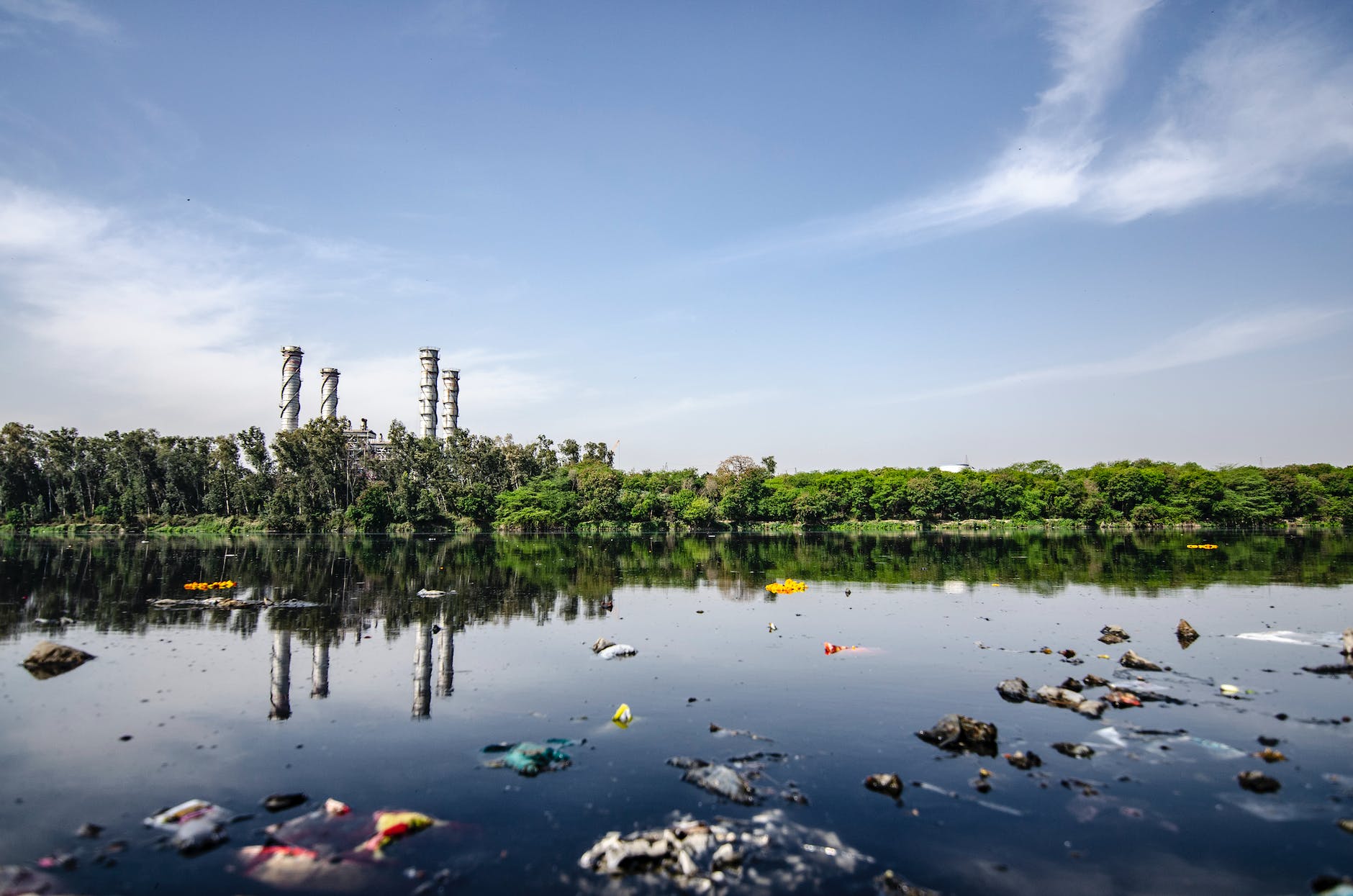

Water pollution is a growing concern worldwide, affecting not only aquatic life but also terrestrial ecosystems. Among the most vulnerable organisms to water pollution are plants, which play a critical role in maintaining ecological balance and supporting life on Earth. This article explores the detrimental effects of water pollution on plants, highlighting the importance of addressing this issue and proposing effective solutions to mitigate its impacts.
Effects of Water Pollution on Plants
1. Reduced Nutrient Absorption
Water pollution can severely compromise the health and growth of plants by reducing their ability to absorb essential nutrients. Pollutants such as heavy metals, pesticides, and industrial chemicals contaminate water sources, and when plants absorb these pollutants along with water, their nutrient uptake can be disrupted. Consequently, plants may suffer from nutrient deficiencies, leading to stunted growth, discoloration, and weakened immunity against diseases and pests.
2. Hindered Photosynthesis
Photosynthesis, the process by which plants convert sunlight into energy, is vital for their survival and sustenance. However, water pollution can impede this critical process. Pollutants alter the physical and chemical properties of water, reducing its transparency. As a result, the amount of sunlight reaching submerged and floating plants decreases, hampering their photosynthetic activity. This leads to decreased oxygen production and carbon dioxide absorption, impacting both the plants and the organisms relying on them.
3. Toxic Accumulation
Plants have a remarkable ability to absorb substances from their environment, including pollutants. When water pollution occurs, plants inadvertently accumulate toxins within their tissues. This can cause direct harm to the plants themselves and pose a threat to animals and humans higher up the food chain if they consume contaminated plant material. Toxic accumulation can also lead to biomagnification, where pollutants increase in concentration as they move up the food chain, causing widespread ecological imbalances.
4. Altered Growth Patterns
Water pollution alters the hormonal and physiological processes in plants, disrupting their natural growth patterns. High levels of certain pollutants can lead to abnormal growth, deformation, and reduced reproductive capacity in plants. Additionally, waterborne pollutants can cause premature aging and cell damage, reducing the overall life expectancy of affected plant species.
5. Disruption of Ecosystems
Plants form the foundation of ecosystems, providing food, shelter, and habitat for countless organisms. When water pollution affects plants, it sets off a chain reaction that disrupts entire ecosystems. The decline in plant populations can lead to reduced biodiversity, as many animals and insects depend on specific plant species for survival. As these plants disappear, the entire food web suffers, and the balance of the ecosystem is disturbed.
Types of Water Pollutants Affecting Plants
- Heavy Metals: Heavy metals, including lead, mercury, cadmium, and copper, are toxic pollutants commonly found in water sources due to industrial discharges, mining activities, and improper waste disposal. Plants absorb these metals through their roots, leading to reduced growth, chlorosis (yellowing of leaves), and overall physiological disturbances. Some heavy metals are non-biodegradable and can accumulate within plants over time, causing long-term damage to plant populations.
- Pesticides and Herbicides: Agricultural runoff introduces pesticides and herbicides into water bodies, which ultimately affect plants. These chemicals can hinder photosynthesis, disrupt plant metabolism, and alter the natural hormone balance, leading to reduced crop yields and environmental harm. Aquatic plants are particularly vulnerable to pesticide contamination, which can result in substantial declines in their populations and negatively impact aquatic ecosystems.
- Nutrient Runoff: Excessive amounts of nitrogen and phosphorus, mainly from agricultural runoff and untreated wastewater, lead to nutrient pollution in water bodies. While these nutrients are essential for plant growth, an oversupply can cause harmful algal blooms, depleting oxygen levels in the water and leading to eutrophication. Aquatic plants can be smothered by these algal blooms, hindering their growth and disrupting the balance of the entire ecosystem.
- Petroleum Hydrocarbons: Oil spills and urban runoff introduce petroleum hydrocarbons into water bodies, posing severe threats to plant life. Petroleum products form a film on the water’s surface, blocking sunlight from reaching submerged plants and reducing photosynthetic activity. Additionally, oil contaminants can enter plant tissues, disrupting cellular functions and impeding growth.
- Sewage and Industrial Wastewater: Untreated sewage and industrial effluents contain various pollutants, such as pathogens, heavy metals, organic compounds, and synthetic chemicals. When these contaminants find their way into water sources, they can be taken up by plants, leading to diseases, reduced growth, and even plant mortality. In addition to directly affecting plants, wastewater discharges can also alter soil properties, further exacerbating the negative impacts on plant health.
- Plastic Pollution: Microplastics and macroplastics from improper waste disposal and littering contaminate water bodies, affecting plant life both directly and indirectly. Microplastics can be ingested by plants, leading to physiological disruptions, while macroplastics can physically smother and damage aquatic and riparian plant species.
Mitigating the Effects of Water Pollution on Plants
To protect plants from the adverse effects of water pollution, proactive measures must be taken:
- Implementing Water Treatment: Invest in advanced water treatment technologies to remove pollutants before they enter natural water bodies. This will ensure that the water reaching plants is relatively clean and safe for their growth.
- Sustainable Agriculture: Encourage farmers to adopt sustainable agricultural practices that minimize the use of pesticides and chemical fertilizers, reducing runoff of pollutants into nearby water sources.
- Reforestation: Planting trees and restoring natural vegetation near water bodies can act as natural filters, preventing pollutants from reaching plants and water sources.
- Public Awareness: Educate the public about the consequences of water pollution on plants and promote responsible waste disposal and conservation of water resources.
Water pollution poses a significant threat to the health and survival of plants, disrupting ecosystems and affecting all forms of life that depend on them. Understanding the various effects of water pollution on plants is crucial in taking appropriate measures to address this pressing issue.
You May Also Like

 Decoding Biosphere