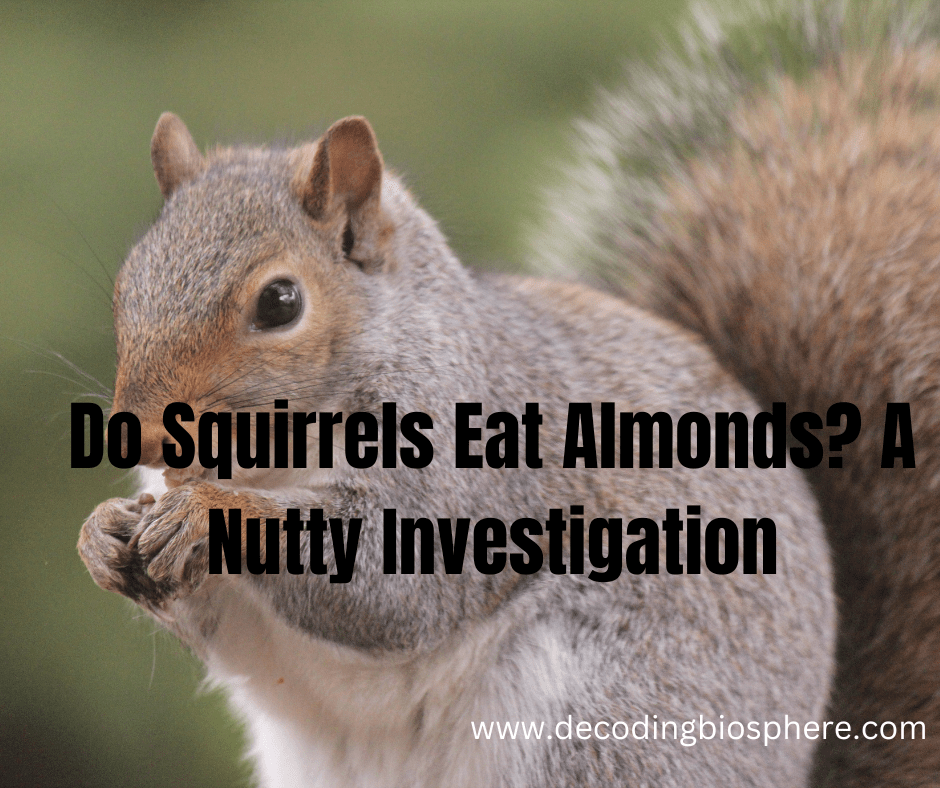

Squirrels, with their agile acrobatics and cheeky demeanor, are beloved creatures in many parts of the world. These small mammals are known for their resourcefulness when it comes to finding and storing food. But what about almonds? Are squirrels attracted to these tasty nuts as part of their diet? In this article, we delve into the intriguing world of squirrels and their potential appetite for almonds.
To understand the dietary preferences of squirrels, it’s essential to first recognize their natural habitat and food sources. Squirrels are found in various environments, including forests, woodlands, parks, and even urban areas. They are opportunistic omnivores, meaning they have a diverse diet that includes nuts, seeds, fruits, fungi, insects, and even small vertebrates. Their food choices can vary depending on the season and availability of resources.
Now, let’s focus on almonds. Almonds are nuts that come from the almond tree (Prunus dulcis). These nuts are highly nutritious and rich in healthy fats, protein, fiber, vitamins, and minerals. They are often consumed by humans as a snack, added to recipes, or processed into almond butter or almond milk. However, the question remains whether squirrels share our enthusiasm for these nutty treasures.
Do Squirrels Eat Almonds?
Squirrels are omnivores, meaning their diets consist of a wide array of foods. While their primary diet comprises nuts, seeds, fruits, and insects, they are also known to opportunistically forage for other foods, especially in urban environments. Squirrels have been observed munching on bird eggs, small insects, and even small vertebrates.
The answer to whether squirrels eat almonds lies in their natural preferences and behaviors. Almonds, like many other nuts, are encased in a hard shell. Squirrels, with their strong and sharp teeth, are adept at cracking open shells to access the delicious morsels inside. However, almonds are relatively tougher to crack than some other nuts like walnuts or hazelnuts. Therefore, while squirrels can indeed eat almonds, they may not be their first choice due to the effort required to access the edible part.
In some cases, humans inadvertently introduce almonds to squirrel habitats by leaving out bird feeders or nut feeders containing almonds. If squirrels come across these feeders, they may investigate and consume the almonds. Similarly, if almonds are left out as food in gardens or outdoor spaces, squirrels may be tempted to try them.
Considerations for Feeding Squirrels Almonds
If you’re a fan of both squirrels and almonds, you might be tempted to offer these little creatures a taste of this nutritious snack. However, there are a few important considerations to keep in mind:
- Moderation: Almonds are calorie-dense and can be high in fat. Feeding squirrels too many almonds could potentially disrupt their natural diets and lead to health issues.
- Unsalted and Unflavored: If you decide to offer almonds to squirrels, make sure they are unsalted and unflavored. Salt and other flavorings can be harmful to their health.
- Variety: Squirrels thrive on a diverse diet. While almonds can be an occasional treat, it’s essential to provide them with a range of other foods that they naturally consume.
What animals eat Almonds
Several species in the wild are known to consume almonds as part of their natural diets. These species have evolved mechanisms and behaviors to access the nutritional benefits of almonds.
almond eaters in the bird world
Here are some examples of surprising almond eaters among birds:
- Steller’s Jays (Cyanocitta stelleri): Steller’s Jays, known for their striking blue plumage and bold personalities, are omnivorous birds that inhabit forests across western North America. These intelligent birds have strong bills that allow them to crack open almond shells to access the nutritious seeds inside. Steller’s Jays are opportunistic feeders and will readily consume almonds if they come across them, especially in backyard bird feeders.
- Western Scrub-Jays (Aphelocoma californica): Similar to Steller’s Jays, Western Scrub-Jays are also known to consume almonds. These birds are skilled at using their bills to open almond shells, and they have been observed foraging for nuts in their natural habitats. Western Scrub-Jays are known to cache food for later consumption, and almonds could potentially be included in their caching behavior.
- American Crows (Corvus brachyrhynchos): American Crows, large and highly intelligent corvids, have been seen eating almonds on occasion. With their powerful bills, crows are capable of breaking open almond shells to access the edible seeds inside. These birds are known for their diverse diets, which include a wide range of foods from fruits to insects, and almonds might be a part of their opportunistic feeding habits.
- European Starlings (Sturnus vulgaris): European Starlings, introduced to North America from Europe, are highly adaptable and often found in urban environments. While their natural diet consists of insects and fruits, they have been observed eating almonds when available. Starlings are capable of cracking open almond shells with their pointed bills.
- Magpies: Certain species of magpies, such as the Black-billed Magpie (Pica hudsonia), have been known to include almonds in their diets. Magpies are resourceful birds that forage for a variety of foods, and they are capable of manipulating objects to access food sources.
Almond-eating mammals
Here are some almond-eating mammals, showcasing the diversity of their dietary habits:
- Chipmunks: Chipmunks, close relatives of squirrels, are also capable of cracking open almond shells to access the edible seed. These small rodents have cheek pouches that they use to carry and store food, making it easier for them to transport almonds or other nuts to their burrows.
- Primates: Certain primate species have been observed consuming almonds in their natural habitats. Primates such as monkeys and apes have the intelligence and dexterity to manipulate objects and use tools to crack open almond shells. This behavior reflects their adaptability in utilizing available food sources.
- Raccoons: Raccoons are known for their opportunistic and omnivorous feeding habits. These clever mammals have the ability to manipulate objects with their paws and might consume almonds if they find them accessible. Raccoons are capable of cracking open shells to access the nutritious contents inside.
- Wild Pigs: In some regions, wild pigs or feral hogs have been documented foraging for almonds and other nuts. Their strong jaws and teeth allow them to crush almond shells and access the edible parts, contributing to their diverse diet.
- Rodents: Aside from squirrels and chipmunks, various rodent species might consume almonds if they encounter them. Some rodents have evolved specific adaptations that allow them to exploit hard-shelled nuts like almonds.
- Bats: Certain fruit bats or flying foxes are known to consume a variety of fruits, including those with seeds like almonds. These bats play an important role in pollination and seed dispersal in their habitats.
- Deer Mice: Deer mice are small rodents that are also capable of consuming almonds. They have been observed foraging for nuts in their natural environments and are known to store excess food for later consumption.
You May Also Like

 Decoding Biosphere