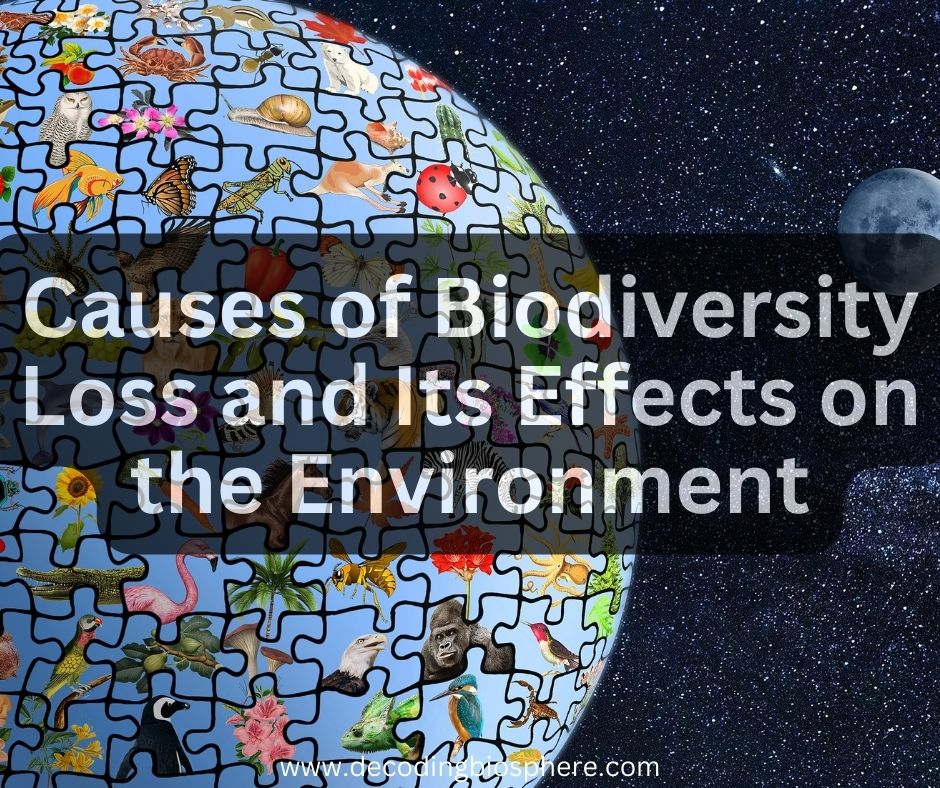
Biodiversity, the variety of life on Earth, is essential for maintaining the balance of ecosystems and supporting life. However, biodiversity is under significant threat due to various human activities and natural processes. Since 1970, there has been an average decline of almost 70% in the populations of mammals, birds, fish, reptiles, and amphibians worldwide. Monitored populations of vertebrates (including mammals, birds, amphibians, reptiles, and fish) have seen a devastating 69% drop on average since 1970. Latin America and the Caribbean have fared worst, experiencing an average decline of 94% in wildlife population. Approximately one million animal and plant species—almost a quarter of the global total—are threatened with extinction. The loss of biodiversity has far-reaching consequences for the environment, human health, and the stability of the planet’s ecosystems. This article explores the primary causes of biodiversity loss and its profound impacts on the environment.
Major Causes of Biodiversity Loss
Habitat Destruction
One of the most significant drivers of biodiversity loss is habitat destruction. The World Wildlife Fund (WWF) reports that 30% of the Earth’s land has been converted for agriculture, industry, and urban development. The Amazon rainforest, a critical biodiversity hotspot, is being deforested at an alarming rate of approximately 10,000 square kilometers per year. This loss of habitat displaces countless species, pushing many towards extinction.
Climate Change
Climate change exacerbates the biodiversity crisis by altering habitats and ecosystems. According to the Intergovernmental Panel on Climate Change (IPCC), global temperatures have risen by 1.2°C above pre-industrial levels. This warming is shrinking Arctic ice, affecting species like polar bears, and causing coral bleaching, which threatens 25% of marine life dependent on coral reefs. If current trends continue, we could see a rise of up to 3°C by the end of the century, leading to even more drastic impacts on biodiversity.
Pollution
Pollution is another critical factor contributing to biodiversity loss. The United Nations Environment Programme (UNEP) states that around 8 million tonnes of plastic enter the oceans each year, endangering marine life. Agricultural runoff, laden with pesticides and fertilizers, creates dead zones in water bodies, severely affecting aquatic ecosystems. In the U.S., the Mississippi River Basin, affected by such runoff, creates a dead zone in the Gulf of Mexico larger than the state of Connecticut.
Overexploitation
Overexploitation of resources, including overfishing, hunting, and logging, has led to significant declines in wildlife populations. The International Union for Conservation of Nature (IUCN) Red List indicates that over 37% of shark and ray species are threatened due to overfishing. Similarly, illegal wildlife trade, worth up to $23 billion annually, threatens species such as elephants, rhinos, and tigers.
Invasive Species
The introduction of invasive species disrupts native ecosystems by outcompeting, preying on, or bringing diseases to native species. For instance, the brown tree snake has caused the extinction of 12 bird species in Guam. The global cost of invasive species is estimated at $1.4 trillion annually, highlighting the economic impact alongside ecological damage.
Disease
Diseases can decimate wildlife populations, particularly when species are already stressed by other factors. The chytrid fungus has driven over 200 amphibian species to extinction. Emerging diseases, often exacerbated by climate change and human encroachment, continue to pose significant threats to biodiversity.
Consequences of Biodiversity Loss
Ecosystem Services Disruption
Biodiversity underpins vital ecosystem services such as pollination, water purification, and soil fertility. The Food and Agriculture Organization (FAO) estimates that 75% of global food crops depend on animal pollination. The decline in pollinator populations threatens food security and agricultural productivity.
Loss of Genetic Diversity
Genetic diversity is crucial for species to adapt to environmental changes and resist diseases. The loss of genetic diversity diminishes the resilience of ecosystems, making them more vulnerable to disturbances. This can lead to a cascading effect where entire ecosystems collapse, as seen in the decline of coral reefs which support a quarter of all marine species.
Altered Food Webs
Biodiversity loss disrupts food webs, leading to the destabilization of ecosystems. For example, the decline of apex predators like wolves in certain regions has led to overpopulation of herbivores like deer, which overgraze vegetation and reduce plant diversity. Such changes can have cascading effects throughout the ecosystem, impacting various species and ecological processes.
Increased Vulnerability to Climate Change
Ecosystems rich in biodiversity are generally more resilient to climate change. Diverse ecosystems can better withstand and recover from extreme weather events. However, biodiversity loss reduces this resilience, making ecosystems more susceptible to climate impacts. For instance, diverse forests can better cope with droughts and pests compared to monoculture plantations.
Impact on Human Health and Livelihoods
Human health and livelihoods are directly linked to biodiversity. The loss of medicinal plants and animals reduces the availability of traditional and modern medicines. Degraded ecosystems can lead to poor air and water quality, increasing the incidence of diseases. Communities that rely on natural resources, such as fishing and agriculture, are directly affected by the decline in biodiversity, threatening their food security and economic stability.
Urgent Need for Action
The biodiversity crisis demands immediate and sustained action. Governments, organizations, and individuals must collaborate to implement effective conservation strategies. Protecting natural habitats, promoting sustainable practices, and reducing pollution are crucial steps. The Convention on Biological Diversity (CBD) aims to protect 30% of the planet’s land and sea by 2030, a goal that requires global commitment and cooperation.
Public awareness and education are also essential. Individuals can contribute by supporting conservation efforts, reducing waste, and making sustainable choices. Protecting biodiversity is not just an environmental issue but a critical component of ensuring a sustainable and healthy future for all life on Earth.
The causes of biodiversity loss are multifaceted and primarily driven by human activities. Habitat destruction, climate change, pollution, overexploitation, invasive species, and disease are leading the planet towards a biodiversity crisis with profound environmental consequences. Immediate and concerted efforts are needed to halt and reverse this trend.
Source:
- https://www.bbc.co.uk/news/science-environment-58859105
- https://www.worldwildlife.org/press-releases/69-average-decline-in-wildlife-populations-since-1970-says-new-wwf-report
- https://www.statista.com/topics/11263/biodiversity-loss/
- https://ourworldindata.org/biodiversity

 Decoding Biosphere