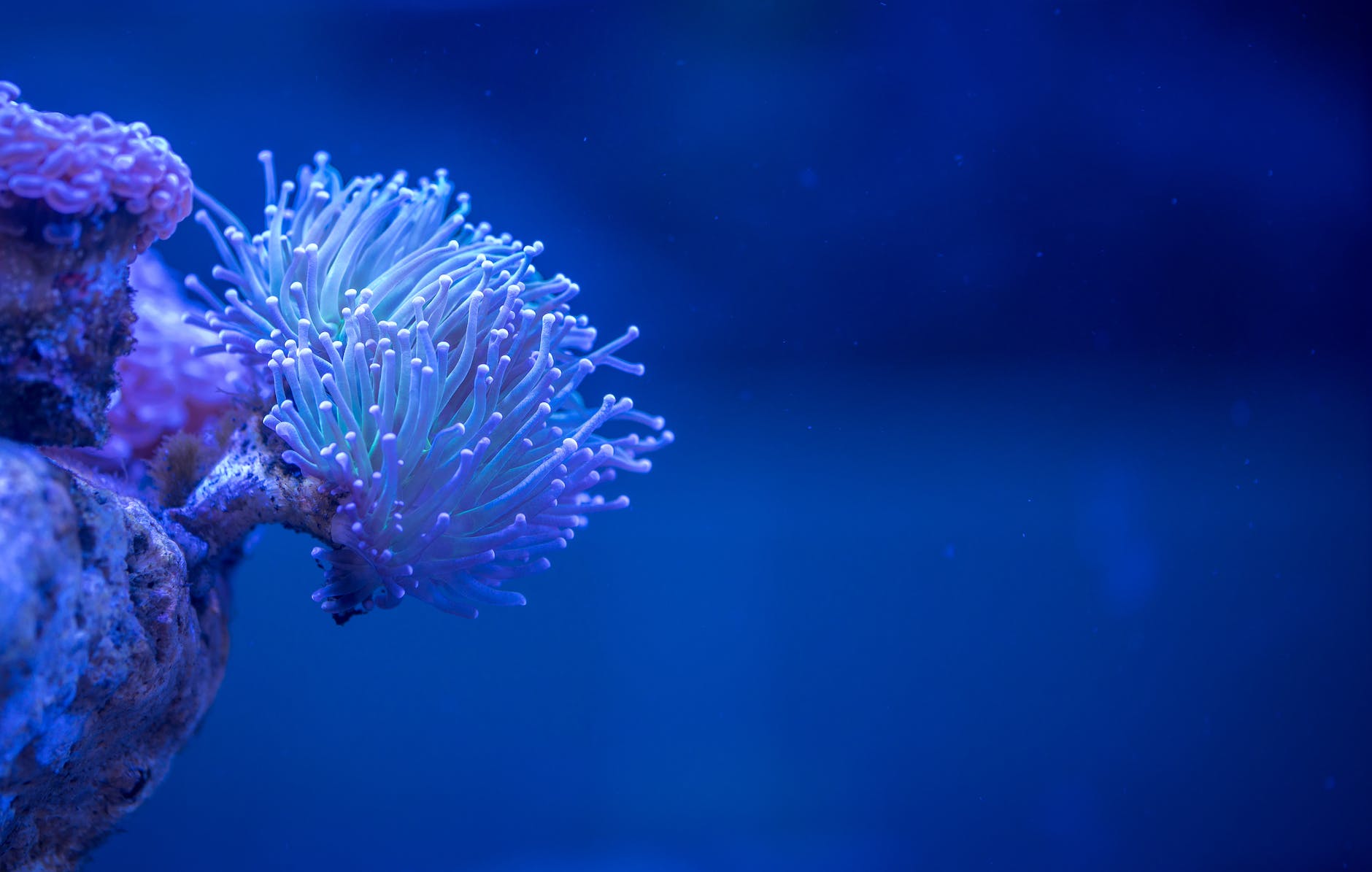
When we think of erosion, we often picture wind and water gradually wearing away rocks and landscapes. But did you know that there is another type of erosion happening beneath the surface of our oceans? It’s called bioerosion, and it involves the remarkable work of living organisms in sculpting and shaping marine habitats. In this article, we will explore what bioerosion is all about and discover the fascinating role it plays in shaping our underwater world.
Understanding Bioerosion:
Bioerosion refers to the process of erosion caused by living organisms. In marine environments, certain organisms possess the remarkable ability to break down and wear away hard substrates such as coral reefs, rocks, and shells. They do this through various mechanisms, including mechanical actions, chemical dissolution, and abrasion. These organisms are known as bioeroders.
Bioeroders and their Tools:
- Corals: Corals are some of the most well-known bioeroders. They are marine animals that secrete calcium carbonate to build their protective skeletons, which eventually become the foundation of coral reefs. However, corals also have specialized feeding structures called polyps that can remove small pieces of the reef substrate, contributing to bioerosion.
- Boring Sponges: Boring sponges are another group of bioeroders. They have the ability to penetrate and excavate into hard substrates, such as coral skeletons or rocks, using chemical and mechanical methods. By creating borings and tunnels, they not only shape the substrate but also provide habitats for other organisms.
- Sea Urchins: Sea urchins are spiny marine creatures that graze on algae and other organic material. In the process, they can inadvertently erode the surface of rocks and corals as they move and feed, contributing to bioerosion.
- Parrotfish: Parrotfish are known for their vibrant colors and beak-like jaws. They play a significant role in bioerosion by using their strong beaks to scrape and bite off pieces of coral and rock surfaces. They consume the coral, digesting the organic matter, and excrete fine sand particles, which contribute to the formation of sandy beaches.
Significance of Bioerosion:
- Habitat Creation: Bioerosion processes carried out by organisms like corals and sponges help create and shape complex habitats. Through their bioerosive activities, they provide nooks, crannies, and burrows that serve as shelter and protection for a variety of marine species.
- Nutrient Cycling: Bioerosion plays a crucial role in nutrient cycling in marine ecosystems. As organisms erode and break down organic matter, they release essential nutrients back into the environment, enriching the surrounding waters and benefiting other organisms in the ecosystem.
- Biodiversity Support: Bioerosion creates a diversity of microhabitats within larger structures like coral reefs. These microhabitats provide niches for various organisms, enhancing overall biodiversity and promoting species interactions and ecological balance.
- Geological Impact: Over long periods, bioerosion can significantly shape and alter the structure of marine landscapes. Coral reefs, for example, are shaped by the combined actions of bioeroders and the growth of corals. The erosive activities of bioeroders can even contribute to the formation of caves and intricate rock formations.
- Environmental Indicators: Bioerosion rates can serve as indicators of environmental health. Changes in bioerosion patterns can signal shifts in water quality, temperature, and ecological conditions, providing insights into the overall health of marine ecosystems.
In conclusion, bioerosion is a fascinating natural process carried out by a diverse range of organisms in marine environments. These bioeroders shape and sculpt the underwater world, creating habitats, recycling nutrients, and influencing the geological makeup of marine landscapes. Understanding bioerosion not only deepens our appreciation for the intricate workings of nature but also highlights the critical role that living organisms play in shaping and maintaining the delicate balance of marine ecosystems.
MCQs on Bioerosion
- What is bioerosion?
- a) Erosion caused by wind and water
- b) Erosion caused by living organisms
- c) Erosion caused by volcanic activity
- d) Erosion caused by human activities
- Which of the following organisms is NOT involved in bioerosion?
- a) Corals
- b) Boring sponges
- c) Sea urchins
- d) Seaweed
- How do boring sponges contribute to bioerosion?
- a) By breaking down rocks through chemical reactions
- b) By creating borings and tunnels in hard substrates
- c) By consuming organic matter and excreting fine sand particles
- d) By scraping and biting off pieces of coral and rock surfaces
- What role do parrotfish play in bioerosion?
- a) They secrete enzymes that dissolve hard substrates.
- b) They bore into rocks and create tunnels.
- c) They consume coral and excrete sand particles.
- d) They feed on bioeroding organisms and prevent erosion.
- What is one significance of bioerosion?
- a) Creation of sandy beaches
- b) Destruction of coral reefs
- c) Depletion of nutrients in marine ecosystems
- d) Increase in water pollution
- How does bioerosion contribute to biodiversity?
- a) By reducing habitat complexity
- b) By preventing the growth of coral reefs
- c) By providing shelter and protection for marine species
- d) By decreasing species interactions
- How can bioerosion serve as an environmental indicator?
- a) By measuring the pH of the water
- b) By monitoring the temperature of the ocean
- c) By indicating shifts in water quality and ecological conditions
- d) By identifying the presence of invasive species
- What is one geological impact of bioerosion?
- a) Formation of caves and rock formations
- b) Decrease in soil erosion
- c) Expansion of coral reefs
- d) Increase in volcanic activity
- Which of the following is NOT a bioeroder?
- a) Boring sponges
- b) Sea urchins
- c) Sea anemones
- d) Corals
- What do bioeroders primarily use to shape and wear away hard substrates?
- a) Mechanical actions
- b) Chemical fertilizers
- c) Human intervention
- d) Solar radiation
Answers:
- b) Erosion caused by living organisms
- d) Seaweed
- b) By creating borings and tunnels in hard substrates
- c) They consume coral and excrete sand particles.
- a) Creation of sandy beaches
- c) By providing shelter and protection for marine species
- c) By indicating shifts in water quality and ecological conditions
- a) Formation of caves and rock formations
- c) Sea anemones
- a) Mechanical actions
- How Plastic Pollution Is Choking Our Oceans And 12 Real Ways You Can Fix It

- 2025 Outlook: Top Global Trends Shaping the Future of Tech, Lifestyle, Sustainability and Culture

- 10 Eco-Friendly Gift Ideas for People Who Care About the Planet

- Audiobooks vs E-books: Which Is More Eco-Friendly?

- Why Audiobooks Are the Most Sustainable Way to Learn


 Decoding Biosphere