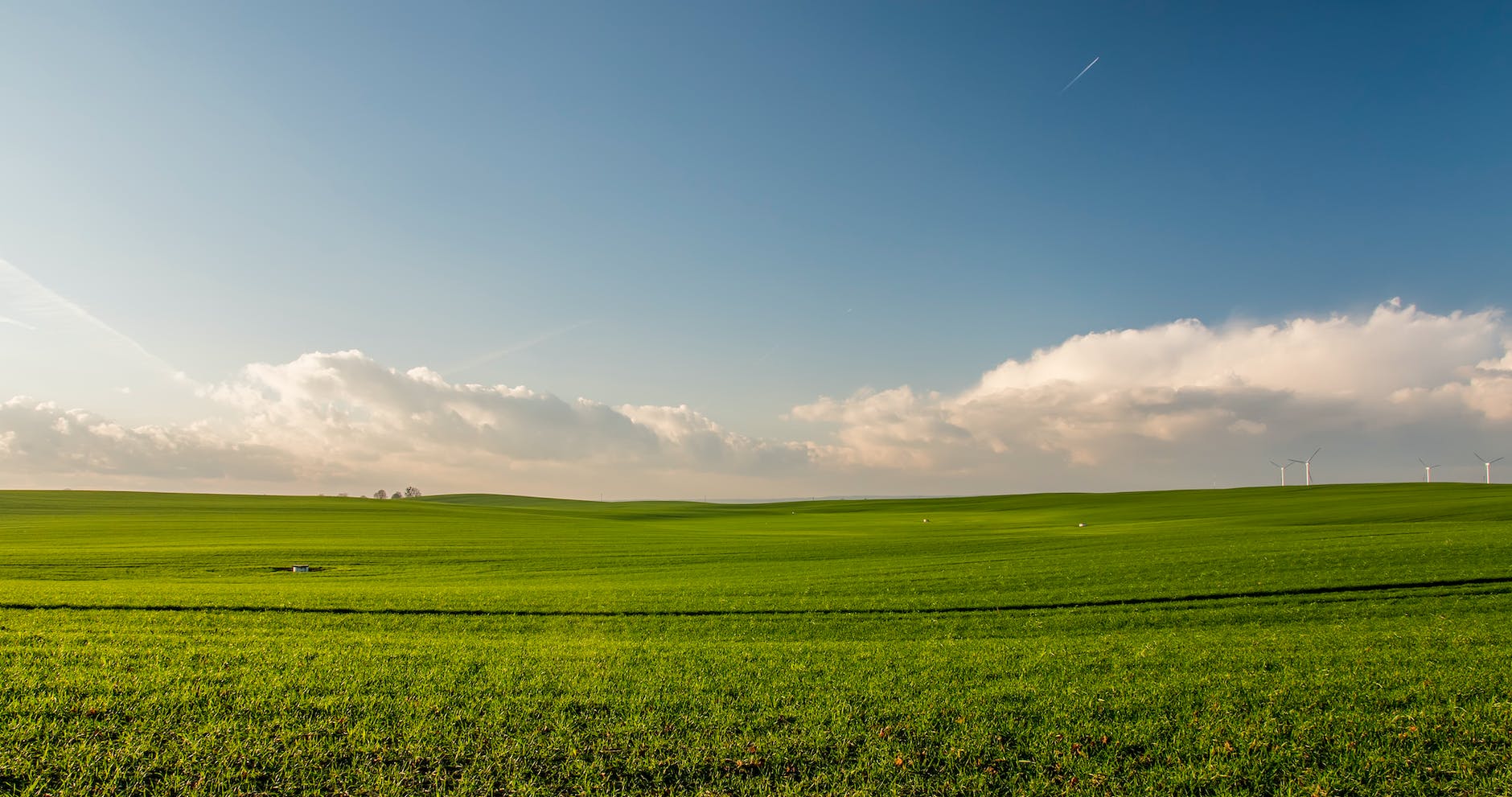
In recent years, there has been a growing interest in sustainable and eco-friendly farming practices. One such approach gaining attention is biodynamic farming. Combining ancient wisdom with modern ecological principles, biodynamic farming offers a holistic and mindful approach to agriculture. In this article, we will explore what biodynamic farming is all about and why it is important for the health of the planet and our well-being.
What is Biodynamic Farming?
Biodynamic farming is an organic farming method that views the farm as a self-sustaining and interconnected organism. It goes beyond traditional organic farming by considering the farm as a whole system, including the soil, plants, animals, and the surrounding environment. Biodynamic farmers strive to create a balanced and harmonious relationship between all elements on the farm, promoting biodiversity and enhancing the natural fertility of the land.
Key Principles of Biodynamic Farming:
- Organic Practices: Biodynamic farming follows strict organic principles, avoiding the use of synthetic fertilizers, pesticides, and genetically modified organisms (GMOs). Instead, natural methods such as composting, crop rotation, and companion planting are used to maintain soil health and control pests and diseases.
- Soil Enrichment: Biodynamic farmers focus on building healthy and fertile soils. They utilize techniques like composting, cover cropping, and incorporating biodynamic preparations, which are specially formulated substances made from herbs, minerals, and animal manure. These preparations are applied in small quantities to enhance soil vitality and stimulate the natural processes in the soil.
- Biodiversity Conservation: Biodynamic farms prioritize the preservation of biodiversity. They encourage the planting of diverse crops and the creation of habitats for beneficial insects, birds, and other wildlife. By promoting biodiversity, biodynamic farmers help maintain a balanced ecosystem and reduce the reliance on external inputs.
- Lunar and Cosmic Rhythms: Biodynamic farming incorporates the use of lunar and cosmic rhythms in farm management. Farmers follow a biodynamic calendar that considers the phases of the moon and planetary alignments to guide planting, harvesting, and other agricultural activities. It is believed that these rhythms influence the growth and development of plants and can enhance their quality.
- Integration of Livestock: Biodynamic farms often integrate livestock into their farming systems. Animals contribute to nutrient cycling through manure, help control pests naturally, and provide an additional source of income through products like milk, eggs, or meat. Livestock are raised in humane and ethical conditions, allowing them to express their natural behaviors.
Importance of Biodynamic Farming:
- Environmental Sustainability: Biodynamic farming promotes ecological balance and sustainability. By using organic methods, preserving biodiversity, and nurturing the soil, it helps minimize the environmental impact of agriculture. It reduces soil erosion, enhances water conservation, and mitigates the use of synthetic chemicals that can harm ecosystems.
- Soil Health and Nutrient Density: Biodynamic practices focus on improving soil health, leading to increased nutrient availability in crops. Nutrient-dense soils produce healthier and more nutritious food, benefiting both consumers and farmers.
- Resilience to Climate Change: Biodynamic farms tend to be more resilient to climate change impacts. Healthy soils can better retain water, withstand droughts, and sequester carbon dioxide from the atmosphere, helping mitigate climate change.
- Connection to Nature and Traditional Wisdom: Biodynamic farming emphasizes a deep connection to nature and recognizes the importance of traditional wisdom in agriculture. It encourages farmers to observe and understand the natural rhythms and processes of the farm, fostering a sense of stewardship and respect for the land.
- High-Quality Products: Biodynamic farming often results in high-quality agricultural products. The focus on soil fertility, biodiversity, and natural cultivation practices can enhance the flavor, nutritional content, and overall quality of the food produced.
In conclusion, biodynamic farming is a holistic and sustainable approach to agriculture that considers the farm as an interconnected and self-sustaining system. By nurturing the soil, preserving biodiversity, and embracing natural rhythms, biodynamic farmers promote environmental stewardship, soil health, and the production of high-quality food. As consumers, supporting biodynamic farming can contribute to a healthier planet and a more sustainable future.
MCQs on Biodynamic Farming
- What is the primary focus of biodynamic farming?
- a) Maximizing crop yields
- b) Using synthetic fertilizers and pesticides
- c) Nurturing the farm as a self-sustaining organism
- d) Applying genetic modification to crops
- What distinguishes biodynamic farming from traditional organic farming?
- a) Biodynamic farming uses synthetic chemicals.
- b) Biodynamic farming follows strict crop rotation practices.
- c) Biodynamic farming incorporates lunar and cosmic rhythms.
- d) Biodynamic farming relies on genetically modified organisms (GMOs).
- What are the key principles of biodynamic farming?
- a) Monoculture and synthetic inputs
- b) Chemical fertilizers and pesticide use
- c) Biodiversity conservation and soil enrichment
- d) High-intensity farming and genetic engineering
- How are biodynamic preparations used in farming?
- a) They serve as synthetic pesticides for pest control.
- b) They are used to increase crop yields through genetic modification.
- c) They enhance soil vitality and stimulate natural processes.
- d) They act as artificial fertilizers to boost plant growth.
- What role does biodiversity play in biodynamic farming?
- a) Biodiversity is not a focus in biodynamic farming.
- b) Biodiversity helps control pests and diseases.
- c) Biodiversity is encouraged to maintain a balanced ecosystem.
- d) Biodiversity reduces crop yields and should be minimized.
- How do biodynamic farmers determine planting and harvesting times?
- a) They follow the phases of the moon and planetary alignments.
- b) They rely on weather forecasts provided by local meteorologists.
- c) They randomly choose planting and harvesting dates.
- d) They base their decisions on the availability of labor.
- What are the environmental benefits of biodynamic farming?
- a) Increased use of synthetic chemicals
- b) Soil erosion and water conservation
- c) Reduction in biodiversity
- d) Minimal impact on ecosystems
- How does biodynamic farming contribute to soil health?
- a) Through the use of synthetic fertilizers
- b) By incorporating genetically modified organisms (GMOs)
- c) By enhancing soil fertility and natural processes
- d) By practicing large-scale irrigation methods
- What is the connection between biodynamic farming and climate change?
- a) Biodynamic farming exacerbates climate change impacts.
- b) Biodynamic farming has no impact on climate change.
- c) Biodynamic farms tend to be more resilient to climate change.
- d) Biodynamic farming leads to increased greenhouse gas emissions.
- What is one of the key benefits of biodynamic farming products?
- a) Lower nutritional content compared to conventionally grown crops
- b) Reduced flavor and quality in the harvested produce
- c) Higher nutrient density and improved taste
- d) Increased reliance on synthetic additives for preservation
Answers:
- c) Nurturing the farm as a self-sustaining organism
- c) Biodynamic farming incorporates lunar and cosmic rhythms.
- c) Biodiversity conservation and soil enrichment
- c) They enhance soil vitality and stimulate natural processes.
- c) Biodiversity is encouraged to maintain a balanced ecosystem.
- a) They follow the phases of the moon and planetary alignments.
- b) Soil erosion and water conservation
- c) By enhancing soil fertility and natural processes.
- c) Biodynamic farms tend to be more resilient to climate change.
- c) Higher nutrient density and improved taste.
- How Plastic Pollution Is Choking Our Oceans And 12 Real Ways You Can Fix It

- 2025 Outlook: Top Global Trends Shaping the Future of Tech, Lifestyle, Sustainability and Culture

- 10 Eco-Friendly Gift Ideas for People Who Care About the Planet

- Audiobooks vs E-books: Which Is More Eco-Friendly?

- Why Audiobooks Are the Most Sustainable Way to Learn


 Decoding Biosphere