In the animal kingdom, we find remarkable variations in body size among different species. One intriguing concept that helps explain these size differences is known as Bergmann’s Rule. This rule, named after the German biologist Carl Bergmann, states that animals of the same species tend to have larger body sizes in colder climates and smaller body sizes in warmer climates. In this article, we will delve into Bergmann’s Rule, exploring its definition, underlying mechanisms, and providing examples from the animal kingdom.
Defining Bergmann’s Rule:
Bergmann’s Rule is an ecological principle that suggests that within a species, individuals living in colder climates tend to have larger body sizes compared to those in warmer climates. This rule applies to a wide range of animal species, including mammals, birds, and reptiles. The general pattern is that individuals from higher latitudes or altitudes, where temperatures are colder, are larger than their counterparts from lower latitudes or altitudes with warmer climates.
Mechanisms Behind Bergmann’s Rule:
Several factors contribute to the observed pattern described by Bergmann’s Rule:
- Thermoregulation: Larger-bodied animals have a smaller surface area-to-volume ratio, which helps them retain body heat more efficiently in colder environments. This adaptation is beneficial for maintaining a stable body temperature in low temperatures.
- Heat Dissipation: Conversely, smaller-bodied animals have a larger surface area-to-volume ratio, facilitating heat dissipation in warmer climates. This adaptation helps prevent overheating by increasing the surface area available for heat exchange.
- Energy Conservation: Larger body size can provide advantages in colder environments, as it allows for the accumulation of more body fat, which serves as insulation and an energy reserve during periods of food scarcity.
Examples of Bergmann’s Rule:
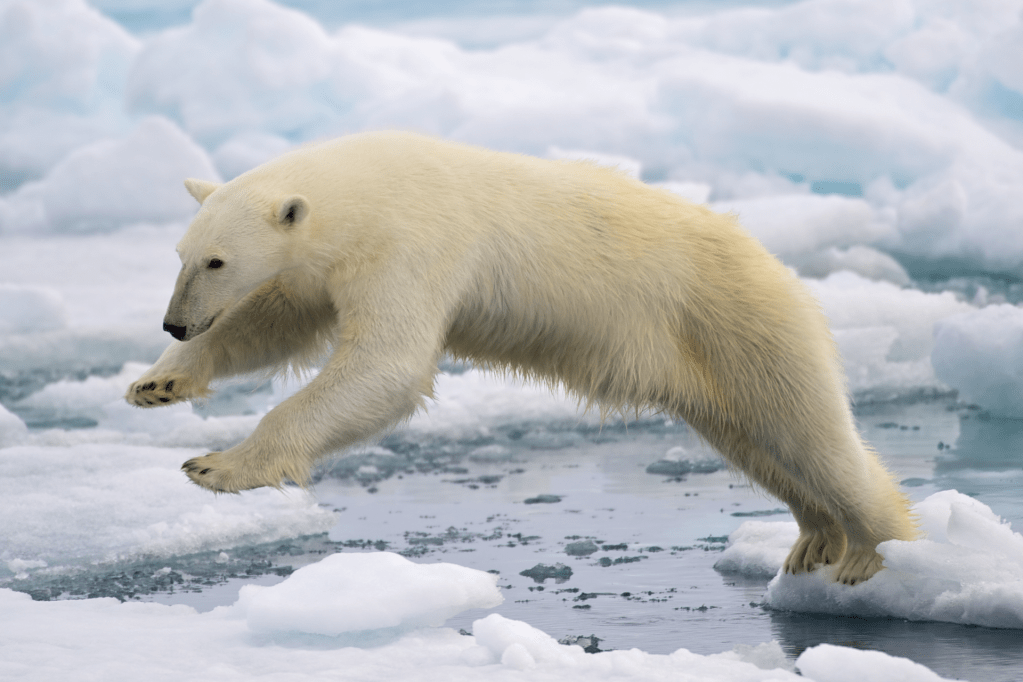
- Polar Bears (Ursus maritimus): Polar bears, which inhabit the Arctic regions, exemplify Bergmann’s Rule. They have evolved large body sizes to minimize heat loss in their frigid environment. The larger body size helps them retain body heat and survive in extremely cold temperatures.
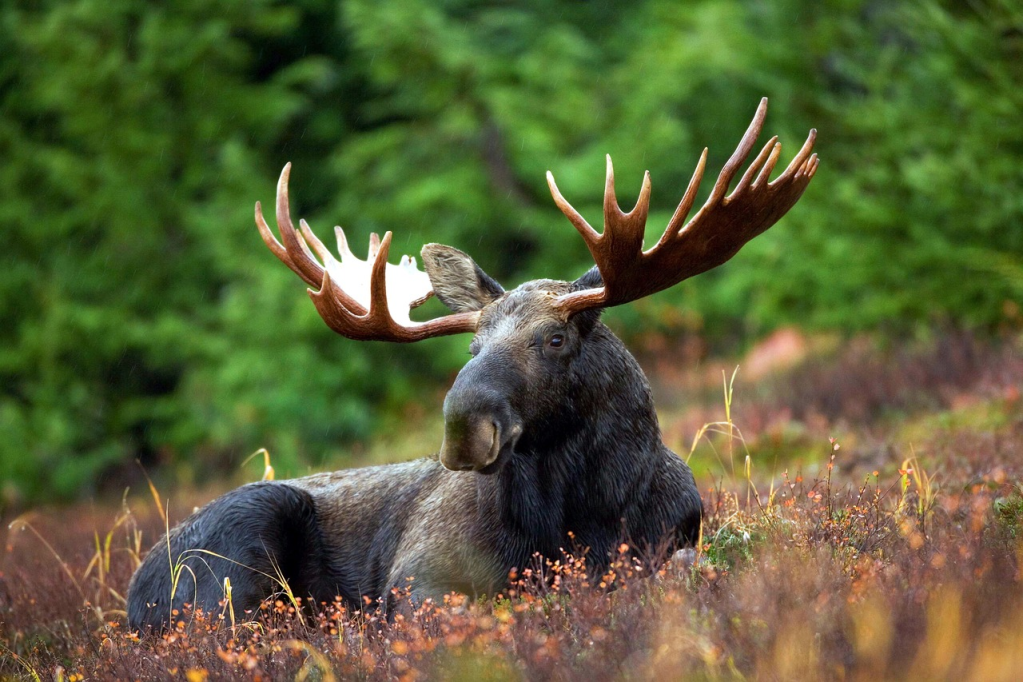
- Moose (Alces alces): Moose, found in northern regions such as Canada and Scandinavia, follow Bergmann’s Rule. Their larger body size helps them withstand cold winters by providing better insulation and enabling efficient energy conservation.
- Reindeer (Rangifer tarandus): Reindeer, native to Arctic and subarctic regions, exhibit larger body sizes compared to their southern counterparts. This adaptation allows them to cope with colder climates by reducing heat loss and maintaining a stable body temperature.

- Emperor Penguins (Aptenodytes forsteri): Emperor penguins, which inhabit Antarctica, conform to Bergmann’s Rule. These penguins have larger body sizes compared to their relatives in warmer climates. The larger size aids in heat retention, enabling them to survive in the extreme cold of the Antarctic.

Take Away Points
Bergmann’s Rule provides insights into the fascinating adaptations of animals to different climates. The tendency for individuals within a species to have larger body sizes in colder regions and smaller body sizes in warmer regions reflects the adaptive responses to temperature variations. Understanding Bergmann’s Rule helps us appreciate the remarkable diversity and ecological adaptations seen in the animal kingdom.
MCQs
- What does Bergmann’s Rule state?
- a) Animals of the same species have larger body sizes in warmer climates.
- b) Animals of the same species have larger body sizes in colder climates.
- c) Animals of the same species have the same body size regardless of climate.
- d) Body size of animals is unrelated to climate.
- Bergmann’s Rule is named after which biologist?
- a) Charles Darwin
- b) Gregor Mendel
- c) Carl Bergmann
- d) Alfred Russel Wallace
- What is the advantage of larger body size in colder climates, according to Bergmann’s Rule?
- a) Better heat dissipation
- b) More efficient energy conservation
- c) Greater agility in snow-covered terrain
- d) Enhanced camouflage
- Which of the following animals follows Bergmann’s Rule?
- a) Cheetah (Acinonyx jubatus)
- b) Komodo dragon (Varanus komodoensis)
- c) African elephant (Loxodonta africana)
- d) Polar bear (Ursus maritimus)
- How does Bergmann’s Rule relate to thermoregulation?
- a) Larger-bodied animals have higher metabolic rates in colder climates.
- b) Smaller-bodied animals have lower metabolic rates in warmer climates.
- c) Larger-bodied animals retain heat more effectively in colder climates.
- d) Smaller-bodied animals have better insulation in warmer climates.
- Which of the following animals does not conform to Bergmann’s Rule?
- a) Snowy owl (Bubo scandiacus)
- b) Kangaroo (Macropus sp.)
- c) Siberian tiger (Panthera tigris altaica)
- d) Arctic fox (Vulpes lagopus)
- What factor contributes to the larger body size of animals in colder climates?
- a) Efficient heat dissipation
- b) Faster reproductive rate
- c) Enhanced agility
- d) More effective energy conservation
- Which of the following examples supports Bergmann’s Rule?
- a) Giraffe (Giraffa camelopardalis)
- b) Green sea turtle (Chelonia mydas)
- c) Emperor penguin (Aptenodytes forsteri)
- d) Chimpanzee (Pan troglodytes)
- What is the primary reason for smaller body sizes in warmer climates, according to Bergmann’s Rule?
- a) Facilitated heat dissipation
- b) Improved reproductive success
- c) Reduced energy requirements
- d) Enhanced agility in hot environments
- Which of the following statements is true regarding Bergmann’s Rule?
- a) It applies only to mammals.
- b) It applies only to birds.
- c) It applies to a wide range of animal species.
- d) It is limited to marine environments.
Answers:
- b) Animals of the same species have larger body sizes in colder climates.
- c) Carl Bergmann
- b) More efficient energy conservation
- d) Polar bear (Ursus maritimus)
- c) Larger-bodied animals retain heat more effectively in colder climates.
- b) Kangaroo (Macropus sp.)
- d) More effective energy conservation
- c) Emperor penguin (Aptenodytes forsteri)
- a) Facilitated heat dissipation
- c) It applies to a wide range of animal species.
- How Plastic Pollution Is Choking Our Oceans And 12 Real Ways You Can Fix It

- 2025 Outlook: Top Global Trends Shaping the Future of Tech, Lifestyle, Sustainability and Culture

- 10 Eco-Friendly Gift Ideas for People Who Care About the Planet

- Audiobooks vs E-books: Which Is More Eco-Friendly?

- Why Audiobooks Are the Most Sustainable Way to Learn


 Decoding Biosphere