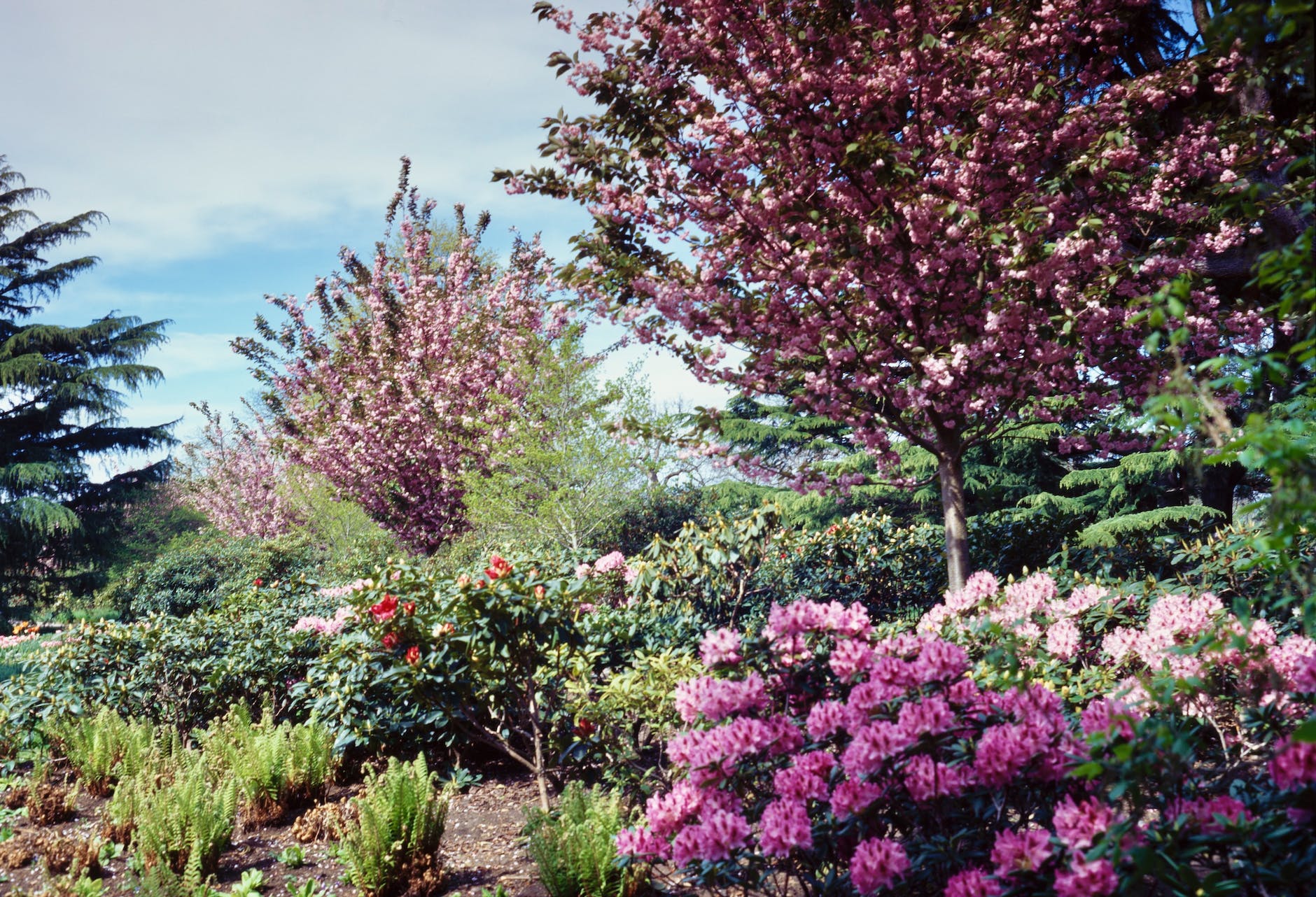

The Chaparral biome is like a hidden gem tucked away in the hills and valleys of select regions around the world, boasting a unique blend of Mediterranean climate, diverse vegetation, and fascinating wildlife. In this comprehensive article, we’ll know more about Chaparral biome, exploring its climate, precipitation patterns, geographical locations, seasonal variations, plant communities, and animal inhabitants.
Climate of the Chaparral Biome
The Chaparral biome is characterized by its Mediterranean climate, featuring hot, dry summers and mild, wet winters. Located primarily along the western coastlines of continents, including California in the United States, parts of Chile, the Mediterranean region in Europe, and parts of Australia, the Chaparral biome experiences distinct seasonal variations in temperature and precipitation.
Precipitation Patterns in the Chaparral Biome:
Precipitation in the Chaparral biome is relatively low compared to other temperate regions, with most of the rainfall occurring during the winter months. The wet season brings moderate to heavy rainfall, replenishing soil moisture and sustaining plant growth. In contrast, the summer months are characterized by drought conditions, with minimal rainfall and high temperatures contributing to dry and arid conditions.
Geographical Locations of the Chaparral Biome:
The Chaparral biome is primarily found in regions with specific geographical features, including coastal areas, mountain ranges, and inland valleys. Its geographical locations are often characterized by rugged terrain, rocky soils, and rolling hillsides, which are well adapted to the dry and fire-prone conditions of the Chaparral biome.
Seasonal Variations in the Chaparral Biome:
Seasonal variations play a significant role in shaping the Chaparral biome’s landscape and ecosystem dynamics. During the summer months, temperatures soar, and vegetation becomes dry and dormant, adapting to the arid conditions. In contrast, the arrival of winter brings cooler temperatures and increased moisture, triggering the growth and flowering of plants and rejuvenating the landscape.
Plant Communities in the Chaparral Biome:
The Chaparral biome is home to a diverse array of plant species, each uniquely adapted to the region’s Mediterranean climate and soil conditions.
Plant communities in the Chaparral biome consist of a variety of species adapted to the region’s Mediterranean climate and dry, nutrient-poor soils. Here are some examples of plant communities commonly found in the Chaparral biome:
- Manzanita (Arctostaphylos spp.): Manzanita is a genus of shrubs native to the Chaparral biome, known for its smooth, reddish bark and clusters of small, urn-shaped flowers. These drought-tolerant plants are well adapted to the arid conditions of the Chaparral biome and often dominate the landscape with their twisted branches and evergreen foliage.
- Chamise (Adenostoma fasciculatum): Chamise, also known as greasewood or matchweed, is a woody shrub that thrives in the Chaparral biome’s dry, rocky soils. It features small, needle-like leaves and produces clusters of white flowers during the spring and summer months. Chamise plays a vital role in stabilizing soil, preventing erosion, and providing habitat for wildlife in the Chaparral biome.
- Sagebrush (Artemisia spp.): Sagebrush is a common plant species found in the Chaparral biome, known for its aromatic foliage and silvery-gray appearance. It belongs to the Artemisia genus, which encompasses a variety of shrubs and herbs adapted to dry, alkaline soils. Sagebrush provides food and shelter for a range of wildlife species and contributes to the biodiversity of the Chaparral biome.
- Toyon (Heteromeles arbutifolia): Toyon, also known as California holly or Christmas berry, is a species of evergreen shrub or small tree native to the Chaparral biome. It features glossy, dark green leaves and clusters of bright red berries that persist throughout the winter months, providing a valuable food source for birds and other wildlife. Toyon adds color and diversity to the Chaparral landscape, particularly during the holiday season.
- Scrub Oak (Quercus berberidifolia): Scrub oak is a species of oak tree adapted to the dry, rocky soils of the Chaparral biome. It is characterized by its small, leathery leaves and gnarled branches, which provide habitat for birds, insects, and other wildlife. Scrub oak plays a crucial role in maintaining ecosystem balance and biodiversity in the Chaparral biome.
- California Lilac (Ceanothus spp.): California lilac, or ceanothus, is a genus of flowering shrubs native to the Chaparral biome. These plants are known for their vibrant clusters of blue, purple, or white flowers, which bloom profusely in the spring and early summer. California lilac species are well adapted to the dry, sunny conditions of the Chaparral biome and are valued for their ornamental beauty and ecological significance.
Animal Inhabitants of the Chaparral Biome:
The Chaparral biome supports a rich diversity of animal life, ranging from small mammals and birds to reptiles and insects. It is home to a diverse array of animal species, each uniquely adapted to the region’s Mediterranean climate and rugged terrain. Here are some examples of animal inhabitants commonly found in the Chaparral biome:
- Coyote (Canis latrans): Coyotes are highly adaptable carnivores that inhabit a variety of ecosystems, including the Chaparral biome. These intelligent predators feed on small mammals, birds, reptiles, and insects and play a crucial role in regulating prey populations and maintaining ecosystem balance.
- California Quail (Callipepla californica): California quail are small, ground-dwelling birds native to the Chaparral biome. They are known for their distinctive plumes, colorful plumage, and distinctive calls. California quail feed on seeds, insects, and vegetation and form social groups known as coveys for protection and foraging.
- Bobcat (Lynx rufus): Bobcats are elusive predators that roam the Chaparral biome in search of prey. These solitary carnivores hunt rabbits, rodents, birds, and reptiles and are well adapted to the rugged terrain and dense vegetation of the Chaparral biome. Bobcats play a crucial role in controlling rodent populations and maintaining ecosystem health.
- Mule Deer (Odocoileus hemionus): Mule deer are large herbivores that inhabit the Chaparral biome and surrounding areas. These graceful mammals feed on a variety of plants, including shrubs, grasses, and forbs, and are often found browsing in the understory of Chaparral vegetation. Mule deer are an important prey species for carnivores like mountain lions and coyotes.
- Western Fence Lizard (Sceloporus occidentalis): Western fence lizards are common reptiles found in the Chaparral biome, known for their blue bellies and intricate patterns. These lizards are active during the day and feed on insects, spiders, and other small invertebrates. Western fence lizards play a vital role in controlling insect populations and are preyed upon by birds of prey and carnivorous mammals.
- California Towhee (Melozone crissalis): California towhees are small songbirds that inhabit the Chaparral biome and adjacent habitats. These ground-dwelling birds feed on seeds, insects, and fruits and are known for their distinctive scratching behavior as they forage for food. California towhees play a role in seed dispersal and contribute to the ecosystem dynamics of the Chaparral biome.
- Western Gray Squirrel (Sciurus griseus): Western gray squirrels are arboreal mammals commonly found in oak woodlands and Chaparral habitats. These agile climbers feed on acorns, seeds, fruits, and insects and play a role in seed dispersal and forest regeneration. Western gray squirrels are preyed upon by birds of prey, carnivores, and snakes.
The Role of Fire in the Chaparral Biome:
Fire is a natural and essential component of the Chaparral biome’s ecosystem, playing a crucial role in maintaining ecological balance and promoting biodiversity. Periodic wildfires help clear accumulated vegetation, recycle nutrients, and stimulate seed germination, creating opportunities for new growth and regeneration. Many plant species in the Chaparral biome have evolved adaptations to survive and even thrive in the wake of wildfires, demonstrating the resilience and adaptability of these ecosystems.
In conclusion, the Chaparral biome is a fascinating and diverse ecosystem shaped by its Mediterranean climate, seasonal variations, unique plant communities, and diverse animal inhabitants. Despite its challenges, including drought, fire, and human impacts, the Chaparral biome continues to support a remarkable array of life and contribute to the ecological richness and biodiversity of our planet.
You May Also Like

 Decoding Biosphere