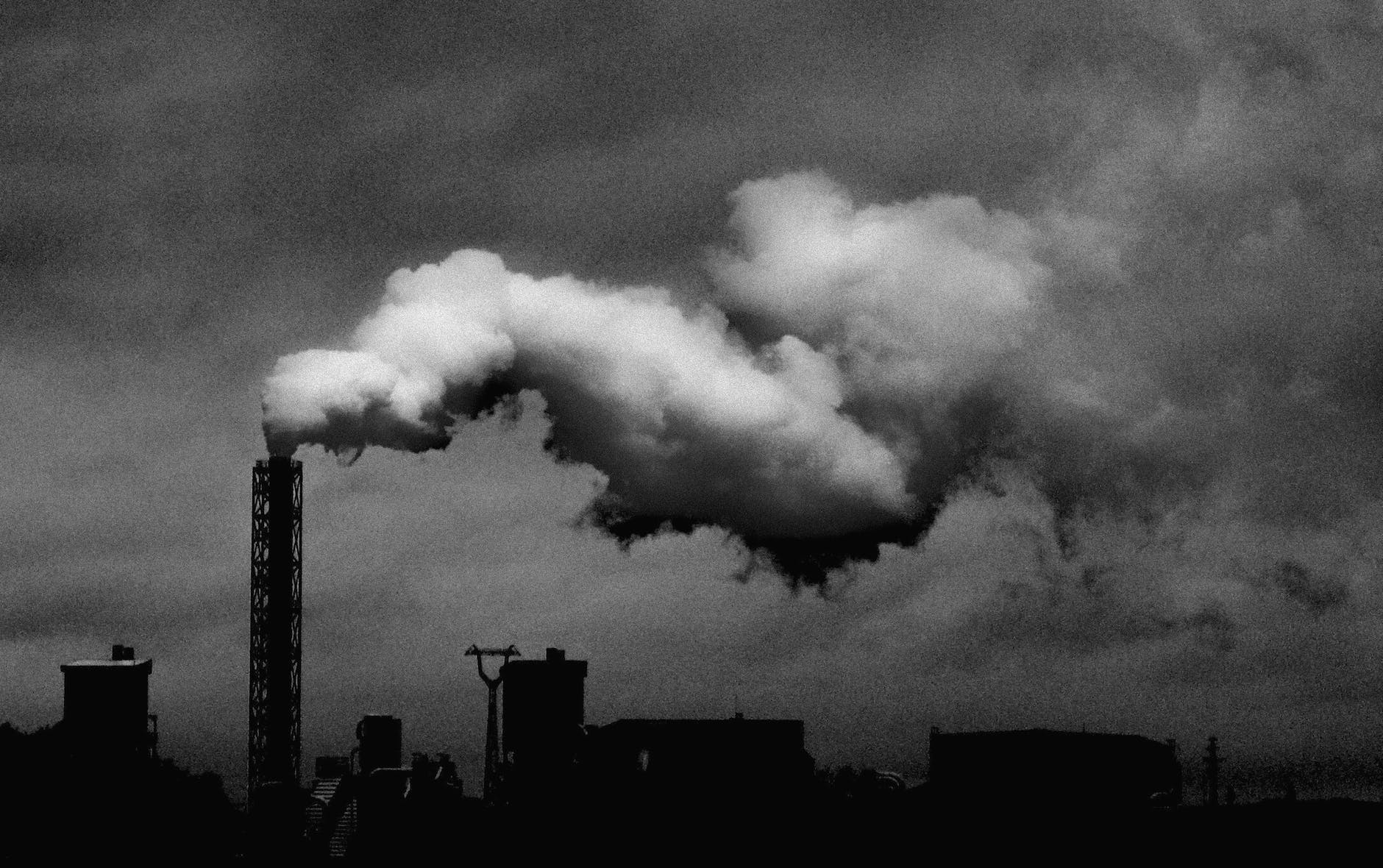
Air pollution is a critical environmental issue that has far-reaching impacts on both natural ecosystems and human health. It is characterized by the presence of harmful substances in the Earth’s atmosphere, resulting in adverse effects on the environment and living organisms. This article looks into the various aspects of air pollution, including its definition, composition of air, classification, sources, effects on animals, plants, and human health, economic implications, as well as the role of vehicular and industrial pollution.
Definition and Composition of Air:
Air, often referred to as the atmosphere, is the layer of gases that surrounds the Earth and plays a vital role in sustaining life on our planet. It consists of a mixture of various gases, each with its own unique properties and functions. The composition of air is critical to understanding how pollutants can disrupt this delicate balance and lead to air pollution.
Composition of Air:
The Earth’s atmosphere is primarily composed of nitrogen (N2) and oxygen (O2), which together make up the majority of its volume. Nitrogen accounts for approximately 78% of the atmosphere, while oxygen constitutes around 21%. These two gases are essential for supporting life and various natural processes.
In addition to nitrogen and oxygen, the atmosphere contains trace amounts of other gases, including:
- Argon (Ar): Argon makes up about 0.93% of the atmosphere and is a noble gas. It is chemically inert and doesn’t readily participate in chemical reactions.
- Carbon Dioxide (CO2): Carbon dioxide is present in trace amounts, around 0.04% of the atmosphere. Despite its relatively low concentration, it plays a crucial role in the greenhouse effect and maintaining Earth’s temperature.
- Neon (Ne), Helium (He), Krypton (Kr), and Xenon (Xe): These noble gases are present in minute quantities and have various scientific and industrial applications.
- Water Vapor (H2O): Water vapor is a variable component of the atmosphere, and its concentration depends on factors such as temperature and location. While it is essential for weather and climate processes, excessive water vapor can lead to cloud formation and precipitation.
- Trace Gases: These include gases like ozone (O3) and various greenhouse gases (methane, nitrous oxide) present in extremely small amounts. While their concentrations are low, they play crucial roles in atmospheric processes and climate regulation.
The natural composition of the Earth’s atmosphere is finely balanced and allows for the sustenance of life as we know it. Oxygen supports aerobic respiration, a vital process for most organisms, while nitrogen is crucial for the formation of proteins and other essential molecules.
Classification of Air Pollution:
Air pollution is a complex phenomenon with diverse sources and types of pollutants. To effectively address and manage air pollution, it is important to classify it into categories based on the nature of pollutants and their sources. Air pollution can be broadly classified into two main categories: gaseous pollutants and particulate pollutants.
Gaseous Pollutants:
Gaseous pollutants are substances present in the form of gases or vapors in the air. These pollutants can have harmful effects on both the environment and human health. Some of the major gaseous pollutants include:
- Sulfur Dioxide (SO2): SO2 is primarily emitted from combustion processes involving fossil fuels, especially coal and oil. It can lead to the formation of acid rain, which damages aquatic ecosystems, soil, and vegetation.
- Nitrogen Oxides (NOx): NOx compounds, including nitric oxide (NO) and nitrogen dioxide (NO2), are released from combustion processes in vehicles, power plants, and industries. They contribute to the formation of smog, ground-level ozone, and acid rain.
- Carbon Monoxide (CO): CO is produced by incomplete combustion of fossil fuels, particularly in vehicles. It reduces the blood’s ability to carry oxygen, leading to adverse health effects, especially in areas with high traffic congestion.
- Volatile Organic Compounds (VOCs): VOCs are emitted from various sources, including vehicle exhaust, industrial processes, and the use of solvents. They contribute to the formation of ground-level ozone and can have adverse health effects on humans.
- Ozone (O3): While ozone in the stratosphere is beneficial as it absorbs harmful ultraviolet (UV) radiation, ground-level ozone is a harmful pollutant formed by the reaction of VOCs and NOx in the presence of sunlight. It can cause respiratory issues and damage crops.
Particulate Pollutants:
Particulate pollutants consist of tiny solid particles or liquid droplets suspended in the air. They vary in size and composition and can have significant impacts on air quality and human health. Particulate pollutants are classified based on their size:
- PM10: Particulate Matter with a diameter of 10 micrometers or less. It includes dust, pollen, and particles from construction sites and roadways. PM10 can irritate the respiratory system and exacerbate existing health conditions.
- PM2.5: Particulate Matter with a diameter of 2.5 micrometers or less. These fine particles are emitted from combustion processes, industrial activities, and vehicle emissions. They can penetrate deep into the respiratory system and even enter the bloodstream, causing a range of health problems.
Other Pollutants:
Besides gaseous and particulate pollutants, there are additional pollutants that contribute to air quality degradation, such as:
- Hazardous Air Pollutants (HAPs): These are toxic air pollutants emitted from industrial processes, vehicle emissions, and other sources. They pose serious health risks, including cancer and neurological effects.
- Heavy Metals: Metals like lead, mercury, and cadmium can be released from industrial processes and vehicular emissions. They can accumulate in the environment and have harmful effects on human health and ecosystems.
Sources of Air Pollution:
Air pollution arises from a wide range of natural and human-made sources, each contributing to the release of various pollutants into the atmosphere. Understanding these sources is crucial for devising effective strategies to mitigate air pollution and its harmful effects. The sources of air pollution can be broadly categorized into natural sources and anthropogenic (human-made) sources.
Natural Sources:
- Volcanic Activity: Volcanic eruptions release a variety of gases and particulate matter into the atmosphere, including sulfur dioxide (SO2), ash, and volcanic aerosols. These emissions can have short-term and long-term impacts on air quality and climate.
- Wildfires: Natural wildfires release large amounts of particulate matter, carbon monoxide (CO), and volatile organic compounds (VOCs) into the air. These pollutants can affect air quality over regional and even global scales.
- Dust and Soil Erosion: Wind-driven dust and soil erosion contribute to particulate matter in the atmosphere. Natural processes like desertification, agricultural activities, and deforestation can increase the amount of dust in the air.
- Biogenic Emissions: Trees, plants, and microorganisms release volatile organic compounds (VOCs) as part of their natural metabolic processes. These VOCs can contribute to the formation of ground-level ozone and secondary organic aerosols.
Anthropogenic Sources:
- Vehicular Emissions: Transportation, especially vehicles with internal combustion engines, is a major source of air pollution. Tailpipe emissions release pollutants such as nitrogen oxides (NOx), carbon monoxide (CO), particulate matter (PM), and VOCs.
- Industrial Activities: Industries emit various pollutants into the air, including sulfur dioxide (SO2), nitrogen oxides (NOx), particulate matter, and VOCs. Industrial processes like manufacturing, power generation, and chemical production are significant contributors.
- Power Plants: Fossil fuel-based power plants release a range of pollutants, including SO2, NOx, CO2, and particulate matter. Efforts to transition to cleaner energy sources can help reduce emissions from power generation.
- Agricultural Practices: Agricultural activities, such as livestock production and the use of fertilizers, release ammonia (NH3) and other pollutants into the air. Ammonia can lead to the formation of particulate matter and contribute to nitrogen deposition.
- Residential Heating and Cooking: Burning of biomass (wood, crop residues) and use of solid fuels for cooking in households release pollutants like particulate matter, CO, and VOCs into the air.
- Waste Disposal: Improper waste management practices, such as open burning of waste, release pollutants like dioxins, furans, and VOCs. Landfills also emit methane (a potent greenhouse gas) as waste decomposes.
- Deforestation and Land Use Changes: Clearing land for agriculture, urban development, and logging releases particulate matter and reduces the natural capacity of forests to absorb pollutants.
- Construction Activities: Construction sites can generate dust and particulate matter due to excavation, demolition, and other activities.
Effects on Animals, Plants, and Human Health:
Air pollution is a pervasive environmental problem that has significant impacts on a wide range of living organisms, including animals, plants, and humans. The pollutants released into the atmosphere can have diverse and often detrimental effects on these different components of ecosystems.
Effects on Animals:
- Respiratory Issues: Gaseous pollutants such as sulfur dioxide (SO2) and nitrogen oxides (NOx) can cause respiratory problems in animals. Birds, mammals, and aquatic species are all susceptible to these pollutants, which can lead to reduced lung function, inflammation, and other health issues.
- Habitat Disruption: Air pollution can modify habitats by depositing pollutants onto land and water surfaces. This can negatively affect ecosystems, disrupt food chains, and harm wildlife habitats.
- Toxicity and Bioaccumulation: Pollutants like heavy metals, such as lead and mercury, can be toxic to animals. They may accumulate in the bodies of animals over time, leading to health issues and reduced reproductive success.
- Ozone Damage: Elevated levels of ground-level ozone can harm animals by affecting their lung function and immune systems. Amphibians and other sensitive species are particularly vulnerable.
- Altered Behavior: Some pollutants can alter animals’ behavior and physiology, affecting their ability to find food, reproduce, and navigate.
Effects on Plants:
- Reduced Photosynthesis: High levels of ozone and particulate matter can impair photosynthesis in plants, leading to decreased growth and crop yields. Ozone, in particular, damages plant cells and interferes with their ability to produce energy from sunlight.
- Nutrient Imbalance: Air pollutants can disrupt nutrient cycling in ecosystems, leading to imbalances that affect plant health and growth.
- Visible Injury: Some plants show visible injury in response to air pollution, with symptoms such as yellowing or necrosis of leaves, stunted growth, and decreased flowering.
- Weakened Resistance: Pollutants can weaken plants’ natural defense mechanisms against diseases, pests, and environmental stressors.
Effects on Human Health:
- Respiratory Problems: Air pollution, especially fine particulate matter (PM2.5) and ozone, can exacerbate respiratory conditions such as asthma, bronchitis, and chronic obstructive pulmonary disease (COPD). It can also contribute to the development of these conditions in susceptible individuals.
- Cardiovascular Effects: Long-term exposure to air pollution is associated with an increased risk of heart disease, heart attacks, and strokes. Pollutants like PM2.5 and NOx can contribute to inflammation and oxidative stress, damaging blood vessels and the cardiovascular system.
- Premature Mortality: Air pollution is linked to premature death due to respiratory and cardiovascular diseases. It also contributes to life-shortening effects by increasing the risk of chronic illnesses.
- Cancer: Exposure to certain air pollutants, including hazardous air pollutants (HAPs) like benzene and formaldehyde, can increase the risk of developing various types of cancers.
- Neurological and Developmental Effects: Emerging research suggests that air pollution may have negative effects on the central nervous system, potentially contributing to cognitive decline and neurodevelopmental disorders, especially in children.
- Reproductive and Maternal Health: Air pollution has been associated with adverse effects on reproductive health, including lower birth weights, preterm births, and developmental issues in children.
Economic Effects of Air Pollutants:
Air pollution is not only a health and environmental concern but also has significant economic implications that affect various sectors of society. The costs associated with air pollution go beyond healthcare expenditures, extending to impacts on productivity, agriculture, property values, and more. Understanding the economic effects of air pollutants is essential for policymakers and stakeholders to make informed decisions about pollution control measures and sustainable development.
1. Healthcare Costs: Air pollution-related illnesses impose substantial healthcare costs on individuals, communities, and governments. Respiratory diseases, cardiovascular conditions, and other health problems linked to pollutants such as fine particulate matter (PM2.5), ozone (O3), and nitrogen dioxide (NO2) lead to increased hospital admissions, doctor visits, medication usage, and overall healthcare expenditures.
2. Lost Productivity: Poor air quality can lead to reduced worker productivity due to increased absenteeism, impaired cognitive function, and decreased physical performance. Employees exposed to air pollutants are more likely to take sick days or experience reduced work hours, directly affecting businesses and the economy.
3. Agriculture and Crop Losses: Air pollutants like ozone can damage crops and reduce agricultural productivity. Ozone interferes with photosynthesis and can lead to decreased crop yields, affecting the livelihoods of farmers and potentially causing food supply shortages.
4. Property Values: Areas with poor air quality may experience decreased property values. People are less likely to invest in or move to locations with visible pollution or known air quality issues, impacting the real estate market and potentially affecting municipal tax revenues.
5. Tourism Impact: Air pollution can deter tourists from visiting polluted areas due to health concerns and reduced visibility. Regions heavily reliant on tourism can experience decreased revenues from lower visitor numbers and decreased spending.
6. Increased Energy Costs: Some air pollution control technologies and practices require additional energy consumption, leading to increased costs for industries and consumers. Balancing the need for pollution reduction with energy efficiency is a challenge.
7. Environmental Damage and Restoration: Air pollutants contribute to environmental degradation, including acid rain that damages soil and aquatic ecosystems. Remediation efforts to restore ecosystems and clean up polluted areas come with their own economic burdens.
8. Impact on Trade and International Relations: Countries with severe air pollution issues may face trade restrictions or sanctions due to concerns about importing pollution along with goods. This can affect international trade relationships and economic partnerships.
9. Social Inequities: Air pollution often disproportionately affects marginalized communities with limited access to healthcare and resources. This can exacerbate existing social and economic inequalities.
10. Compliance and Regulation Costs: Industries and businesses may need to invest in pollution control technologies and compliance measures to adhere to air quality regulations. These costs can impact profit margins and overall economic performance.
Role of Vehicular Pollution:
Vehicular pollution, stemming from the emissions of vehicles that run on internal combustion engines, is a significant contributor to air pollution in urban areas and along transportation corridors. The combustion of fossil fuels in vehicles releases a variety of pollutants into the atmosphere, which have far-reaching effects on air quality, human health, and the environment.
1. Emission of Harmful Gases: Vehicles emit a range of harmful gases, including nitrogen oxides (NOx), carbon monoxide (CO), and volatile organic compounds (VOCs). These gases contribute to the formation of ground-level ozone, smog, and other air pollutants that have adverse effects on health and the environment.
2. Particulate Matter Emissions: Vehicular emissions release fine particulate matter (PM2.5) and larger particles (PM10) into the air. These particles can penetrate deep into the respiratory system, causing or exacerbating respiratory diseases, cardiovascular issues, and other health problems in humans.
3. Impact on Air Quality: Vehicular pollution is a major contributor to poor air quality in urban areas. High traffic volumes in cities lead to congestion and long idling times, exacerbating emissions. Urban areas with heavy traffic are particularly prone to elevated levels of pollutants.
4. Respiratory and Cardiovascular Health Effects: Exposure to vehicular pollutants is associated with a range of health issues. Respiratory problems, such as asthma, bronchitis, and chronic obstructive pulmonary disease (COPD), can be exacerbated by exposure to pollutants like NOx, CO, and PM2.5. Long-term exposure to these pollutants also increases the risk of cardiovascular diseases and premature death.
5. Formation of Ground-Level Ozone: Nitrogen oxides and VOCs emitted by vehicles react in the presence of sunlight to form ground-level ozone. Ground-level ozone is a major component of smog and can cause respiratory problems, particularly in children, the elderly, and individuals with pre-existing health conditions.
6. Environmental Impact: Vehicular pollution can harm the environment by depositing pollutants on soil and water surfaces. Acid rain formation, damage to vegetation, and contamination of water bodies are some of the environmental consequences of vehicular emissions.
7. Contribution to Climate Change: Carbon dioxide (CO2), a greenhouse gas released by vehicles, is a major contributor to climate change. The burning of fossil fuels in vehicles is a significant source of CO2 emissions, which contribute to global warming and its associated impacts.
8. Urban Planning and Infrastructure Challenges: Rapid urbanization and increasing vehicle ownership present challenges for urban planning and infrastructure. Congestion, inadequate public transportation, and lack of proper road design can lead to inefficient traffic flow and increased emissions.
Mitigation Strategies:
To address vehicular pollution, various strategies can be employed, including:
- Vehicle Emission Standards: Implementing and enforcing stringent emission standards for vehicles can help reduce the release of harmful pollutants. This includes regular emissions testing and requirements for cleaner fuels.
- Promotion of Electric and Hybrid Vehicles: Encouraging the adoption of electric and hybrid vehicles reduces emissions of harmful gases and particulate matter.
- Improvement of Public Transportation: Developing efficient and reliable public transportation systems can reduce the number of vehicles on the road and promote sustainable urban mobility.
- Urban Planning and Zoning: Designing cities with mixed land use, pedestrian-friendly zones, and proper road layouts can reduce congestion and promote alternative modes of transportation.
- Promotion of Active Transportation: Encouraging walking, cycling, and other forms of active transportation can reduce reliance on vehicles for short trips.
- Use of Cleaner Fuels: Transitioning to cleaner fuels, such as compressed natural gas (CNG) or biofuels, can help reduce emissions.
- Traffic Management and Congestion Pricing: Implementing traffic management measures and congestion pricing can discourage unnecessary vehicle use and reduce emissions during peak hours.
Role of Industrial Pollution:
Industrial pollution is a significant contributor to environmental degradation and air pollution. Industries engage in various manufacturing processes, energy production, and chemical reactions that release pollutants into the air. The pollutants emitted by industrial activities have far-reaching effects on air quality, ecosystems, and human health.
1. Emission of Toxic Gases: Industries emit a wide range of toxic gases into the atmosphere, including sulfur dioxide (SO2), nitrogen oxides (NOx), volatile organic compounds (VOCs), and heavy metals such as mercury and lead. These pollutants can have adverse effects on human health, contributing to respiratory diseases, cardiovascular problems, and even cancer.
2. Particulate Matter Emissions: Industrial processes release particulate matter (PM) into the air, which includes fine particles (PM2.5) and larger particles (PM10). These particles can be inhaled by humans, causing respiratory and cardiovascular issues, and can also harm plant health and aquatic ecosystems.
3. Smog and Ground-Level Ozone Formation: Industrial emissions of nitrogen oxides (NOx) and VOCs contribute to the formation of smog and ground-level ozone. Smog can impair visibility, while ground-level ozone can exacerbate respiratory problems and reduce crop yields.
4. Acid Rain Formation: Industrial pollution releases sulfur dioxide (SO2) and nitrogen oxides (NOx) into the atmosphere, which can combine with water vapor to form sulfuric acid and nitric acid. These acids are components of acid rain, which can damage soil quality, aquatic ecosystems, and structures.
5. Greenhouse Gas Emissions: Industrial activities are major sources of greenhouse gases, particularly carbon dioxide (CO2) from fossil fuel combustion. These emissions contribute to global warming and climate change, leading to shifts in weather patterns, rising sea levels, and other environmental impacts.
6. Contamination of Water Bodies: Some industrial processes release pollutants that can contaminate water bodies through air deposition or runoff. This contamination affects aquatic ecosystems, wildlife, and can lead to bioaccumulation of pollutants in the food chain.
7. Occupational Health Risks: Workers in industries are at risk of exposure to harmful pollutants and hazardous chemicals. Occupational health issues, such as respiratory diseases, skin problems, and chemical exposures, can arise due to inadequate safety measures.
8. Environmental Degradation: Industrial pollution contributes to environmental degradation by damaging soil, water bodies, and vegetation. It can disrupt ecosystems and decrease biodiversity, leading to long-term ecological consequences.
Mitigation Strategies:
To address industrial pollution and its impacts, several strategies can be employed:
- Stringent Regulations: Implementing and enforcing strict air quality regulations and emission standards for industries is essential to control the release of pollutants.
- Technological Upgrades: Encouraging industries to adopt cleaner technologies, such as using low-emission fuels, implementing pollution control devices, and optimizing production processes, can significantly reduce emissions.
- Waste Management: Proper disposal of industrial waste and pollutants prevents their release into the environment. Recycling and proper treatment of waste materials are crucial.
- Energy Efficiency: Improving energy efficiency in industries reduces both emissions and energy consumption, contributing to overall sustainability.
- Transition to Clean Energy: Shifting to renewable energy sources such as solar, wind, and hydroelectric power can reduce the reliance on fossil fuels and lower emissions.
- Environmental Impact Assessments: Implementing thorough environmental impact assessments before starting new industrial projects helps identify potential pollution sources and allows for mitigation measures to be planned in advance.
In conclusion, air pollution is a complex issue with profound implications for the environment, living organisms, and society at large. The diverse sources of pollutants, ranging from vehicular and industrial emissions to natural events, highlight the need for comprehensive strategies to mitigate the effects of air pollution. Regulatory measures, technological advancements, and public awareness campaigns are essential components of efforts to reduce air pollution and ensure a healthier and more sustainable future for our planet.

 Decoding Biosphere