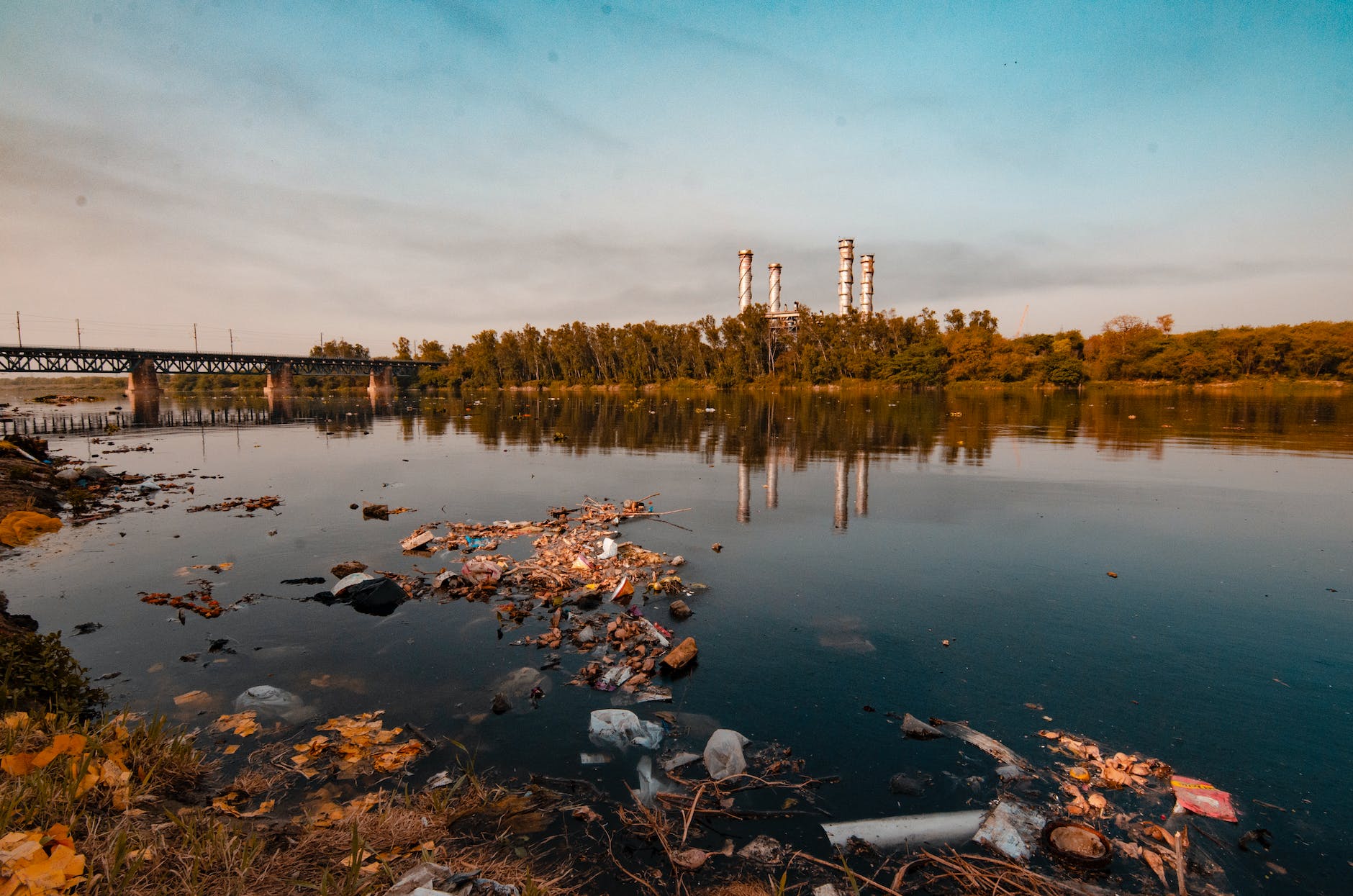
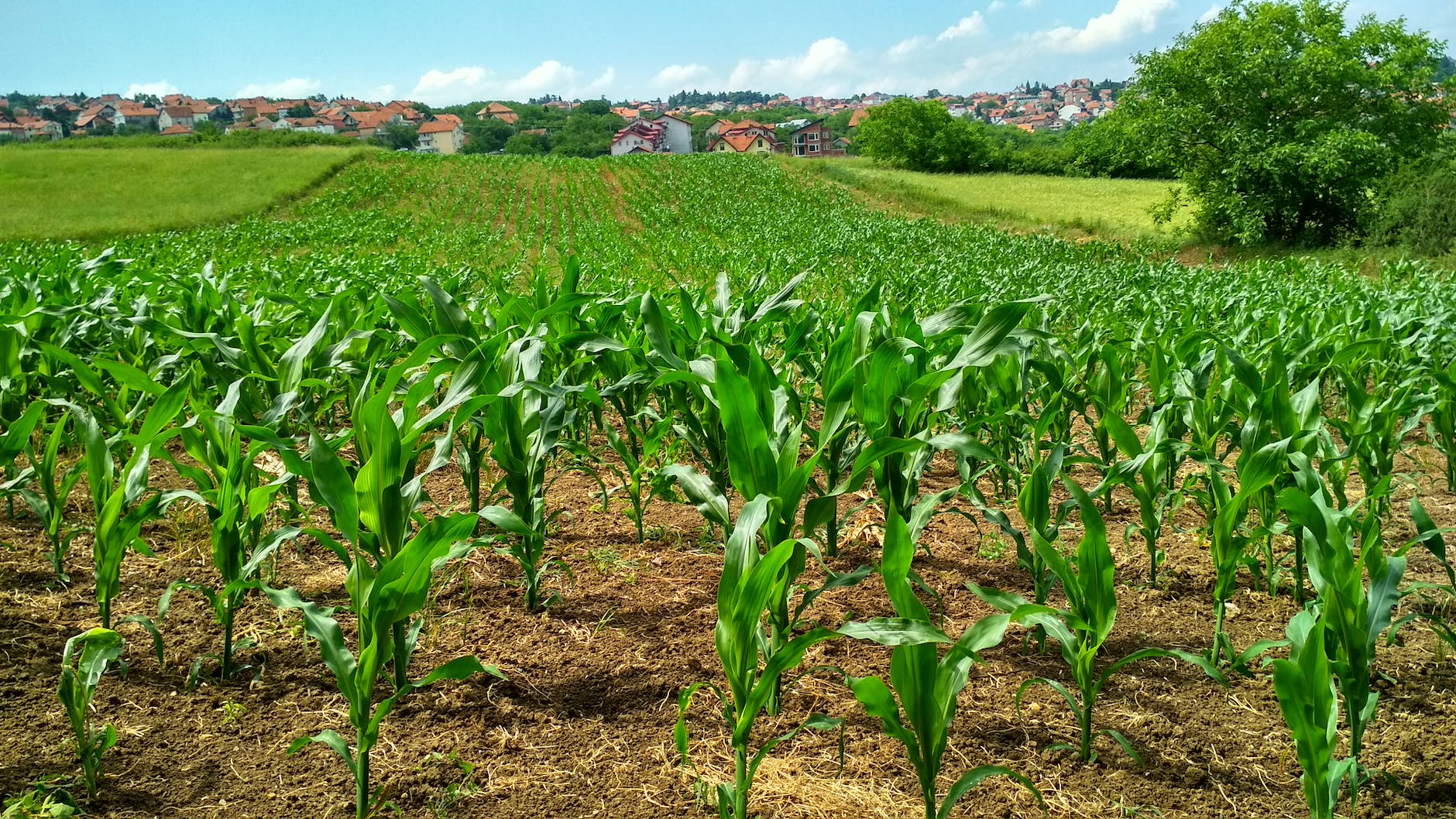
Agriculture, the backbone of our civilization, sustains life by providing food, fiber, and livelihoods to billions of people worldwide. However, the very practices that nourish us also contribute to environmental degradation and pollution. In this comprehensive article, we’ll look into the various causes of agricultural pollution, impacts they have on ecosystems, water quality, and human health.
Understanding Agricultural Pollution:
Agricultural pollution refers to the contamination of air, soil, and water resources resulting from farming activities and practices. While agriculture is essential for food production and economic development, it also generates pollutants that degrade environmental quality and threaten ecosystem health. The causes of agricultural pollution are many, arising from a combination of natural processes, land management practices, and human activities.
Causes of Agricultural Pollution:
1.Chemical Fertilizers and Pesticides:
Chemical fertilizers and pesticides are commonly used in modern agriculture to enhance crop yields and protect against pests and diseases. However, the overuse and improper application of these chemicals can lead to runoff and leaching into water bodies, contaminating groundwater and surface water sources. Nitrogen and phosphorus from fertilizers contribute to nutrient pollution, leading to algal blooms, oxygen depletion, and ecosystem imbalances in aquatic ecosystems.
2. Soil Erosion and Sedimentation:
Soil erosion occurs when wind or water carries away topsoil from agricultural fields, exposing bare ground and reducing soil fertility. Intensive farming practices, such as monoculture, excessive tillage, and improper land management, can accelerate soil erosion and sedimentation. Sediment runoff from eroded fields can clog waterways, degrade aquatic habitats, and impair water quality by transporting pollutants like nutrients, pesticides, and pathogens.
3. Livestock Farming and Manure Management:
Livestock farming, including dairy, poultry, and cattle production, generates large quantities of animal waste and manure. Improper storage, handling, and disposal of manure can result in nutrient runoff and contamination of surface water and groundwater with pathogens, antibiotics, hormones, and heavy metals. Nutrient-rich manure runoff contributes to eutrophication, algal blooms, and oxygen depletion in water bodies, posing risks to aquatic ecosystems and human health.
4. Irrigation and Water Management:
Irrigation is essential for sustaining crop growth and productivity, especially in arid and semi-arid regions. However, inefficient irrigation practices, such as surface runoff, overwatering, and improper drainage, can lead to water wastage and soil salinity. Excess irrigation water containing salts, fertilizers, and pesticides can percolate into the soil and contaminate groundwater, impairing water quality and affecting downstream users and ecosystems.
5. Deforestation and Land Conversion:
Deforestation and land conversion for agricultural expansion contribute to habitat loss, biodiversity decline, and soil degradation. Clearing forests and natural habitats for cropland and pastureland disrupts ecosystem functions, increases erosion rates, and releases carbon stored in vegetation and soils. Land conversion also reduces the capacity of landscapes to absorb and filter pollutants, exacerbating environmental degradation and pollution risks.
6. Agricultural Runoff and Point Source Pollution:
Agricultural runoff, including surface runoff and leaching, carries pollutants from fields, feedlots, and agricultural facilities into nearby waterways. Point source pollution from agricultural operations, such as irrigation ditches, drainage tiles, and livestock facilities, can discharge contaminants directly into streams, rivers, and wetlands. Nutrients, pesticides, pathogens, and sediment from agricultural runoff degrade water quality, impair aquatic ecosystems, and pose risks to human health and wildlife.
7. Climate Change and Agricultural Practices:
Climate change exacerbates agricultural pollution by altering weather patterns, precipitation regimes, and temperature extremes. Erratic weather events, such as heavy rainfall, droughts, and heatwaves, can intensify soil erosion, nutrient runoff, and flooding in agricultural landscapes. Changes in temperature and humidity also influence pest and disease dynamics, affecting crop yields and pesticide use in agricultural systems.
Impacts of Agricultural Pollution:
The impacts of agricultural pollution are far-reaching and affect ecosystems, water resources, biodiversity, and human health in profound ways. Some of the key impacts include:
- Water Contamination: Agricultural pollution contaminates surface water and groundwater sources with nutrients, pesticides, pathogens, and sediment, posing risks to human health and aquatic ecosystems.
- Eutrophication: Excessive nutrient runoff from fertilizers and manure leads to eutrophication, algal blooms, and oxygen depletion in water bodies, disrupting aquatic habitats and causing fish kills and ecosystem degradation.
- Soil Degradation: Soil erosion, compaction, salinization, and nutrient depletion degrade soil fertility, productivity, and resilience, reducing agricultural yields and compromising food security.
- Biodiversity Loss: Habitat destruction, fragmentation, and chemical pollution from agricultural practices threaten biodiversity, species survival, and ecosystem stability, diminishing ecosystem services and genetic resources.
- Human Health Risks: Exposure to agricultural pollutants, such as pesticides, pathogens, and heavy metals, can pose risks to human health through contaminated food and water, air pollution, and occupational hazards for farm workers and rural communities.
- Climate Change Feedbacks: Agricultural pollution contributes to climate change through greenhouse gas emissions, deforestation, and land-use changes, exacerbating environmental degradation and altering weather patterns on regional and global scales.
Mitigation Strategies and Solutions:
Addressing agricultural pollution requires integrated approaches, sustainable practices, and collaborative efforts across sectors and stakeholders. Some key mitigation strategies and solutions include:
- Adopting Sustainable Farming Practices: Implementing conservation tillage, crop rotation, cover cropping, agroforestry, and integrated pest management (IPM) reduces soil erosion, nutrient runoff, and pesticide use, promoting soil health and ecosystem resilience.
- Improving Nutrient Management: Optimizing fertilizer application, using slow-release fertilizers, and adopting precision agriculture techniques minimize nutrient losses and enhance nutrient use efficiency, reducing nutrient runoff and eutrophication risks.
- Enhancing Manure Management: Implementing nutrient management plans, composting manure, and utilizing manure as organic fertilizer improve manure handling, nutrient recycling, and soil health, minimizing runoff and pollution risks from livestock operations.
- Promoting Water Conservation: Investing in efficient irrigation systems, water-saving technologies, and soil moisture monitoring tools conserves water resources, reduces water wastage, and minimizes soil salinity and pollution risks associated with irrigation practices.
- Implementing Riparian Buffers and Vegetative Filters: Establishing riparian buffers, vegetative strips, and buffer zones along water bodies and field margins filters pollutants, traps sediment, and enhances biodiversity, protecting water quality and aquatic habitats from agricultural runoff.
- Enforcing Environmental Regulations: Strengthening regulatory frameworks, monitoring compliance, and enforcing pollution control measures ensure accountability and promote responsible stewardship of natural resources, safeguarding ecosystems, and public health from agricultural pollution.
- Promoting Research and Innovation: Investing in research, technology development, and knowledge sharing fosters innovation, sustainability, and resilience in agriculture, empowering farmers, scientists, and policymakers to address emerging challenges and opportunities in agricultural pollution management.
You May Also Like

 Decoding Biosphere