
Glaciers are majestic natural wonders that have captured the imagination of explorers, scientists, and nature enthusiasts for centuries. These massive rivers of ice shape landscapes, influence climate patterns, and provide vital freshwater resources to communities around the world. In this article, we look into some 35 fascinating facts about glaciers that may surprise and inspire you.
35 Interesting Facts About Glaciers
1. Glaciers Are Massive Bodies of Ice
Glaciers are large bodies of ice that form over many years as snow accumulates and compacts into dense ice. They can cover vast areas of land and contain a significant portion of the Earth’s freshwater resources.
2. They Move Like Slow Rivers
Despite their solid appearance, glaciers are dynamic and constantly in motion. They flow downhill under the force of gravity, albeit at a much slower pace than rivers, with some glaciers moving only a few centimeters per day.
3. Glaciers Shape the Landscape
Over millennia, glaciers sculpt the land through processes of erosion and deposition. They carve out valleys, create jagged peaks, and leave behind distinctive landforms such as cirques, moraines, and U-shaped valleys.
4. They Can Exist in Surprising Locations
While we often associate glaciers with polar regions and high mountain ranges, they can also be found in unexpected places such as tropical regions and even on volcanoes, where high elevations and cold temperatures allow ice to accumulate.
5. Glaciers Are Ancient
Some glaciers are thousands of years old, with layers of ice containing valuable information about past climate conditions and environmental changes. Scientists study ice cores extracted from glaciers to reconstruct past climates and understand how Earth’s climate has evolved over time.
6. They Hold a Vast Amount of Water
Glaciers store a significant amount of the Earth’s freshwater, accounting for about 69% of the world’s freshwater resources. As they melt, glaciers release water into rivers, lakes, and oceans, contributing to the global hydrological cycle.
7. Glaciers Can Have Different Colors
The color of a glacier’s ice can vary depending on factors such as the presence of air bubbles, minerals, and impurities. Some glaciers appear blue due to the absorption of longer-wavelength light by ice crystals, while others may appear white or gray.
8. They Can Create Spectacular Ice Caves
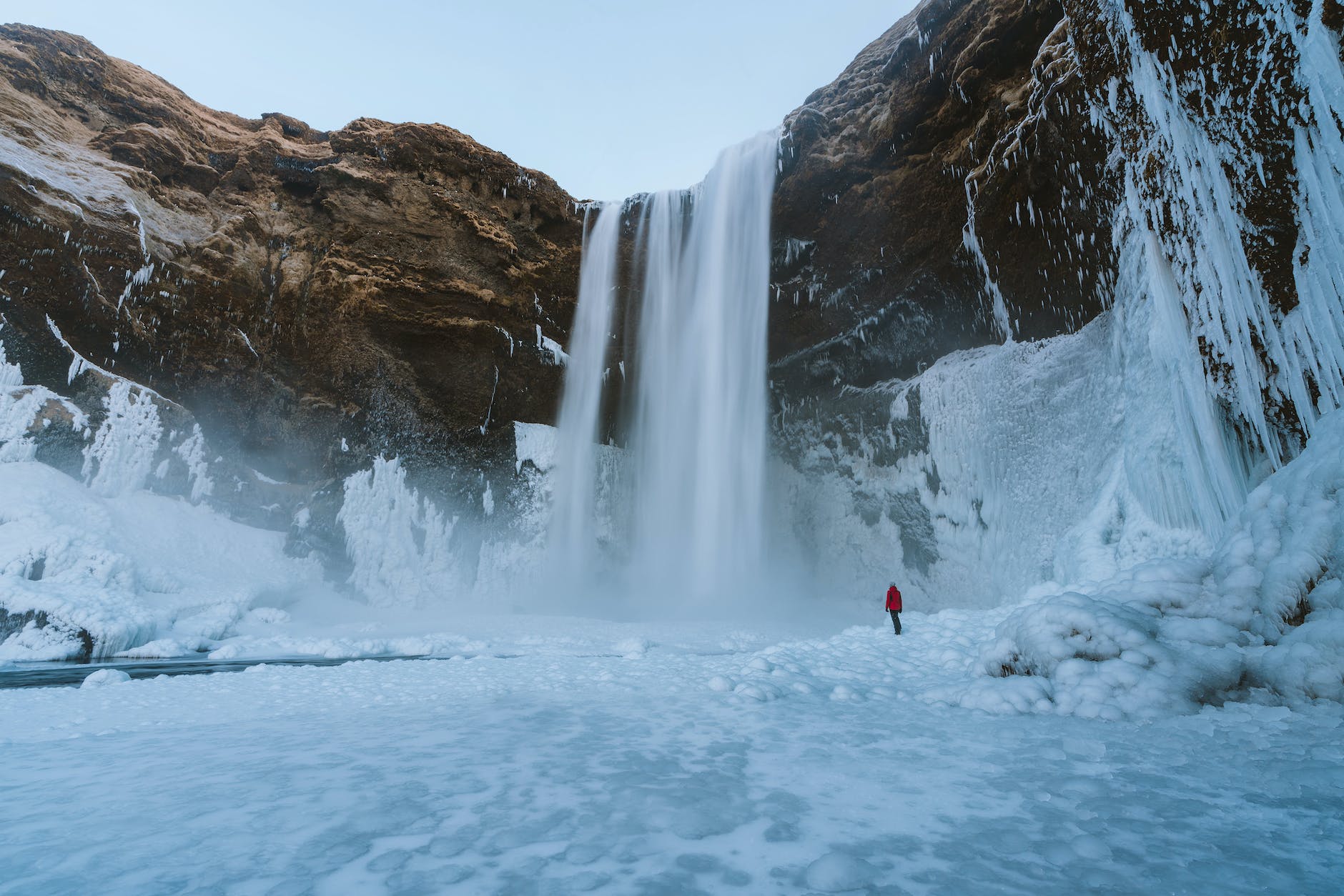
Glaciers can form intricate networks of ice caves and tunnels within their interiors. These stunning formations attract adventurers and photographers seeking to explore the mesmerizing beauty of these frozen landscapes.
9. Glacier Volume
Glaciers store an estimated 69% of the world’s freshwater, with the majority of this ice located in Antarctica and Greenland.
10. Rapid Melting:
Glaciers worldwide are losing ice mass at an accelerating rate. According to the World Glacier Monitoring Service, glaciers lost an average of 267 billion metric tons of ice per year between 2000 and 2019.
11. Antarctic Ice Sheet:
The Antarctic Ice Sheet is the largest single mass of ice on Earth, covering an area of about 14 million square kilometers (5.4 million square miles). It contains approximately 61% of the world’s fresh water and is up to 4.8 kilometers (3 miles) thick in some places.
12. Greenland Ice Sheet:
The Greenland Ice Sheet is the second-largest ice body in the world, covering approximately 1.7 million square kilometers (660,000 square miles). It contains about 8% of the world’s fresh water and is up to 3 kilometers (1.9 miles) thick in some areas.
13. Glaciers Have Their Own Ecosystems
Despite their harsh environments, glaciers support a variety of specialized organisms adapted to cold and extreme conditions. Microbes, algae, and invertebrates inhabit the ice and snow of glaciers, forming unique ecosystems known as cryoconite holes.
14. Glaciers Are Sensitive to Climate Change
Glaciers are sensitive indicators of climate change, responding to variations in temperature and precipitation patterns. As global temperatures rise, glaciers are melting at unprecedented rates, leading to sea level rise and changes in freshwater availability.
15. Glacier National Park, Montana:
Glacier National Park in Montana is home to over 700 glaciers, although many of them have been shrinking in recent decades due to climate change. The park’s iconic glaciers, such as Grinnell Glacier and Jackson Glacier, attract visitors from around the world.
16. Patagonian Ice Fields:
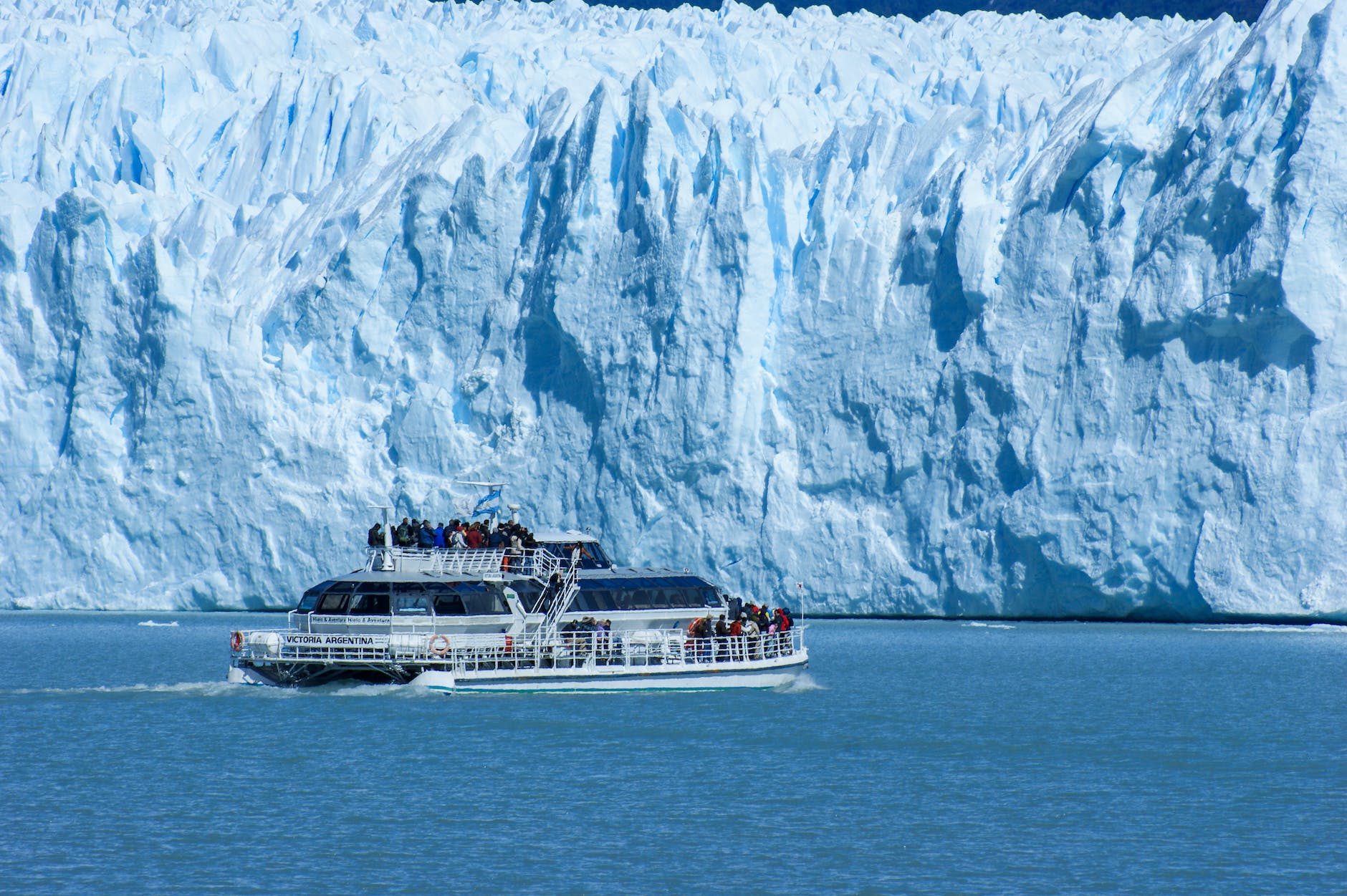
The Patagonian Ice Fields in South America are among the largest ice fields in the Southern Hemisphere, covering an area of approximately 13,000 square kilometers (5,000 square miles). These ice fields feed numerous glaciers, including the Perito Moreno Glacier and the Upsala Glacier.
17. Glaciers in Arctic Regions:
The Arctic region is home to numerous glaciers, ice caps, and ice shelves, which are experiencing rapid melting due to climate change. Arctic glaciers contribute to rising sea levels and are integral to the functioning of polar ecosystems and marine environments.
18. They Can Trigger Landslides and Avalanches
Melting glaciers can destabilize slopes and trigger landslides and avalanches, posing risks to communities living in mountainous regions. Rapid glacier retreat can increase the frequency and magnitude of these natural hazards.
17. Largest Glacier:
The Lambert Glacier in Antarctica is often considered the world’s largest glacier by volume. It stretches for over 400 kilometers (250 miles) and is up to 100 kilometers (62 miles) wide. The Lambert Glacier drains a significant portion of the East Antarctic Ice Sheet into the Amery Ice Shelf.
20. Smallest Glacier:
The world’s smallest glacier, by comparison, is the President Glacier in the United States. Located in the Olympic Mountains of Washington State, the President Glacier covers an area of less than half an acre and is only about 100 meters (328 feet) long.
21. Oldest Glacier:
Determining the exact age of a glacier can be challenging due to factors such as ice flow, accumulation rates, and glacial dynamics. However, some of the oldest glaciers on Earth are found in Antarctica and Greenland, where ice cores have been drilled to depths of over 3 kilometers (1.9 miles) and contain ice layers dating back hundreds of thousands of years.
22. Longest Glacier:
The longest glacier in the world is the Fedchenko Glacier in Tajikistan, Central Asia. Stretching for approximately 77 kilometers (48 miles) through the Pamir Mountains, the Fedchenko Glacier is renowned for its immense size and rugged beauty.
21. Fastest-moving Glacier:
The fastest-moving glacier in the world is the Jakobshavn Glacier in Greenland. This glacier moves at speeds of up to 40 meters (131 feet) per day, making it one of the most rapidly flowing glaciers on Earth. Jakobshavn Glacier is known for its rapid calving and retreat in recent decades.
24. Glaciers Can Store Carbon
Glaciers can store significant amounts of carbon in the form of organic matter and atmospheric carbon dioxide trapped within their ice layers. As glaciers melt, carbon may be released into the environment, contributing to greenhouse gas emissions and climate change.
25. They Can Trigger Earthquakes
The movement of glaciers can generate seismic activity, triggering small earthquakes known as glacial earthquakes. These tremors are caused by the rapid movement of ice and rock within glaciers and can be detected by seismographs.
26. Highest Glacier:
The highest glacier in the world is the Khumbu Glacier in the Everest region of Nepal. Situated at an altitude of over 5,000 meters (16,400 feet), the Khumbu Glacier flows from the Western Cwm below Mount Everest and is a popular route for climbers attempting to summit the world’s highest peak.
27. Glacier Coverage:
Glaciers cover approximately 10% of the Earth’s land surface, excluding Antarctica and Greenland. They are found on every continent except Australia.
28. Glacier with the Most Ice Loss:
The Columbia Glacier in Alaska is one of the fastest-retreating glaciers in the world. Since the 1980s, the Columbia Glacier has lost over 12 kilometers (7.5 miles) of its length and retreated significantly, contributing to rising sea levels in the region.
29. Glacier with Unique Characteristics:
The Blood Falls Glacier in Antarctica is famous for its striking red-colored outflow, caused by iron-rich brine that seeps through the glacier’s ice and oxidizes upon contact with air. Blood Falls is located in the McMurdo Dry Valleys and has intrigued scientists and explorers for decades.
30. Glaciers Can Store Records of Human Activity
Glacial ice can preserve traces of human activity and pollution, including industrial pollutants, radioactive fallout, and microplastics. Scientists study ice cores to reconstruct past human impacts on the environment and track changes in atmospheric composition.
31. They Can Contribute to Coastal Erosion
As glaciers melt and retreat, they contribute to coastal erosion by releasing sediment and meltwater into the ocean. Changes in sea level and coastal dynamics can lead to loss of land, habitat degradation, and increased vulnerability to storms and flooding.
32. Glaciers Can Impact Global Sea Levels
The melting of glaciers contributes to rising sea levels, threatening coastal communities and low-lying regions around the world. As glaciers lose mass, they release water into the ocean, leading to inundation of coastal areas and loss of habitat.
33. They Can Provide Insights into Earth’s Climate History
Glacial ice contains valuable information about Earth’s past climate conditions, including temperature fluctuations, atmospheric composition, and environmental changes. By studying ice cores and glacier sediments, scientists can reconstruct past climates and understand the factors driving climate variability.
34. Glaciers Can Create Stunning Icebergs
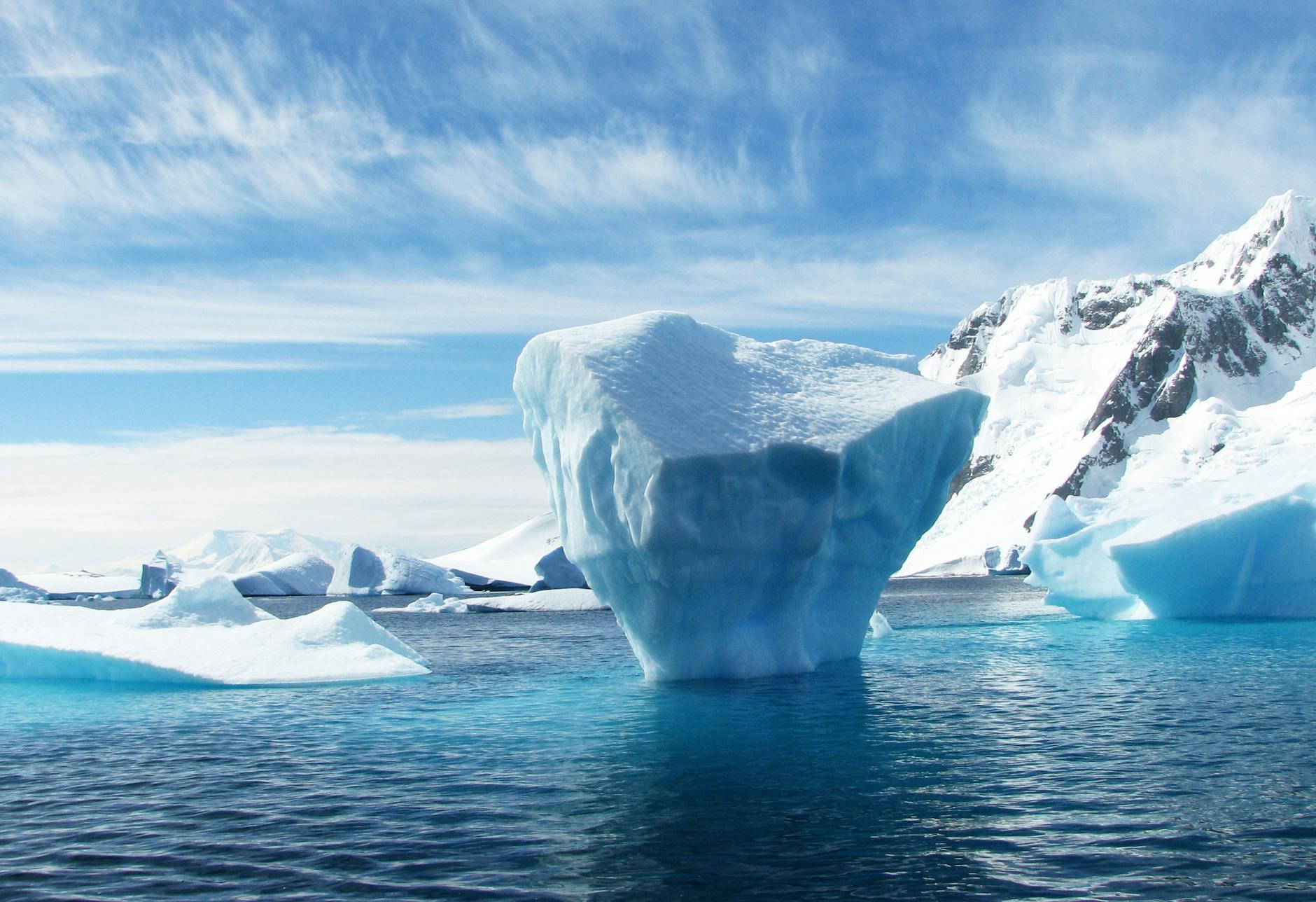
Glaciers that terminate in the ocean can calve large chunks of ice, known as icebergs, into the water. These floating ice masses come in a variety of shapes and sizes, from towering tabular icebergs to sculpted spires and arches.
35. They Can Serve as Natural Laboratories
Glaciers serve as natural laboratories for studying Earth’s processes and systems, from climate dynamics and glacial geomorphology to ice physics and hydrology. Scientists conduct research on glaciers to improve our understanding of Earth’s past, present, and future.
In conclusion, glaciers are remarkable features of the Earth’s landscape, with a rich history and profound influence on the planet’s climate, environment, and ecosystems.
You May Also Like

 Decoding Biosphere