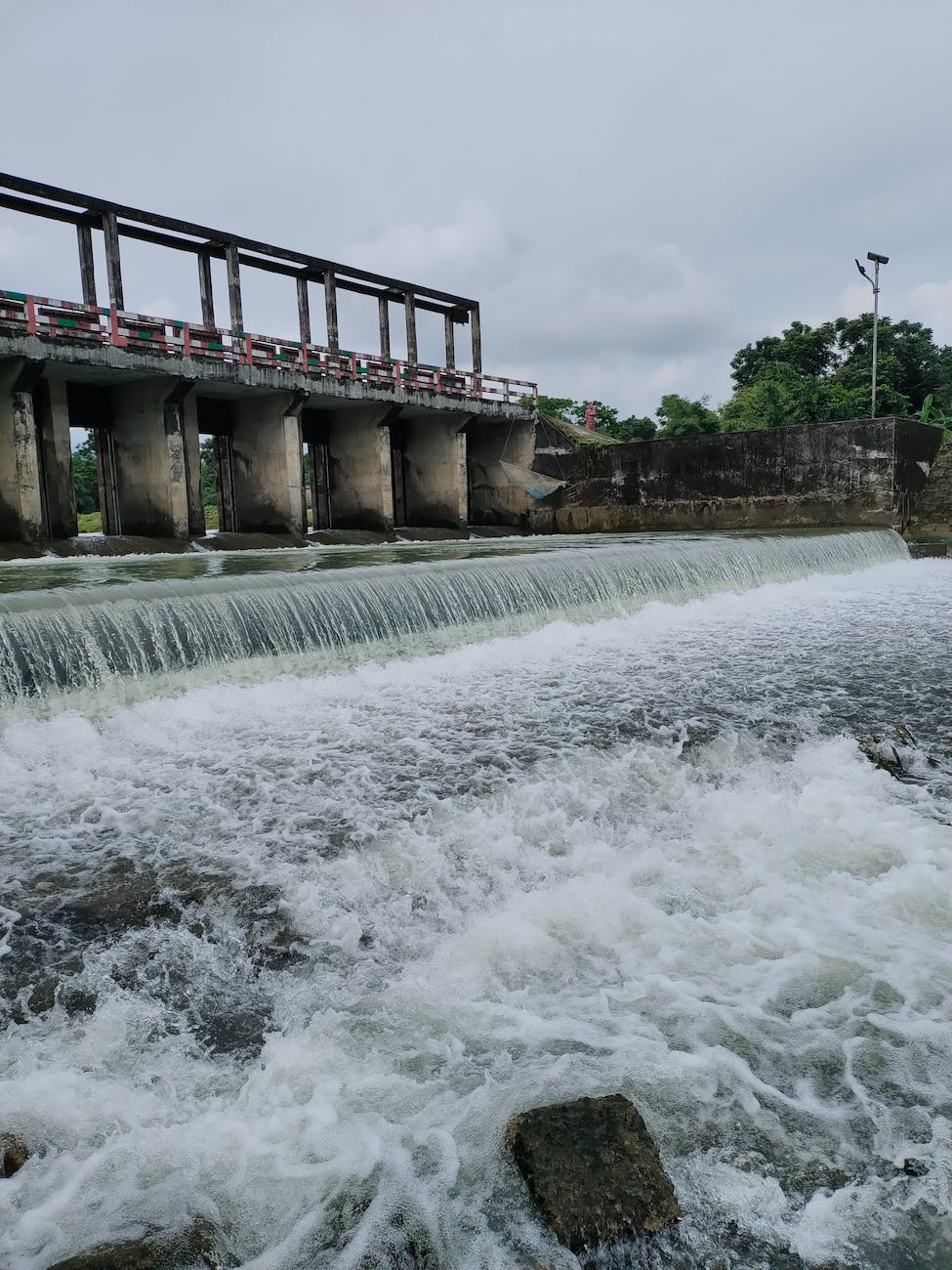
Hydroelectric power, also known as hydropower, is a remarkable source of renewable energy that harnesses the force of flowing water to generate electricity. This clean and sustainable energy has been powering communities worldwide for decades.
What is a hydropower?
Hydropower, also known as hydroelectric power, is a form of renewable energy that harnesses the energy of flowing water to generate electricity. This process involves the conversion of the kinetic energy of moving water into electrical energy. Hydropower has been utilized for centuries, with ancient water wheels being early examples of its application.
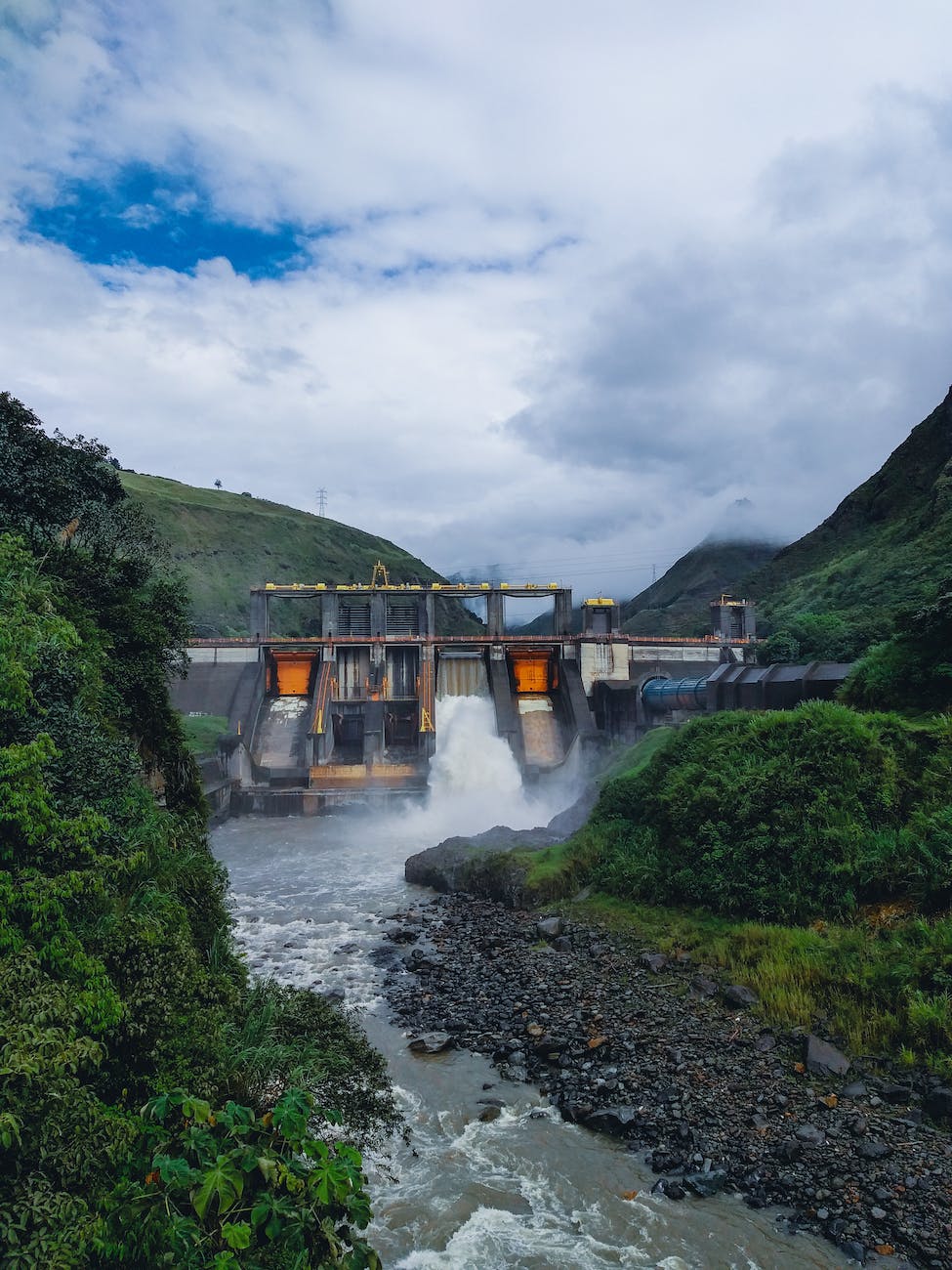
The primary components of a hydropower system typically include a dam or weir to control the flow of water, a reservoir to store water, and turbines that are turned by the flowing water. As water is released from the reservoir and flows through the turbines, the kinetic energy of the moving water causes the turbines to spin. The spinning turbines then drive generators, which produce electricity.
25 fun facts about hydroelectric power (Hydropower)
- Old Meets New: The concept of hydropower is not new. Ancient water wheels were used to grind grain, demonstrating an early understanding of harnessing water’s energy.
- The First Hydropower Plant: The world’s first hydroelectric power plant was built in 1882 in Appleton, Wisconsin, USA. It lit up two paper mills and a home.
- Mighty Dams: Hydropower often involves the construction of large dams. These structures can store vast amounts of water, creating reservoirs that serve as powerful energy sources.
- Global Energy Contributor: Hydropower provides about 16% of the world’s total electricity, making it a crucial player in the global energy mix.
- Largest Hydropower plant: The largest hydropower plant in the world is the Three Gorges Dam, located on the Yangtze River in China. The Three Gorges Dam is an impressive engineering feat, both in terms of its size and its electricity-generating capacity.
- Low Carbon Footprint: Hydroelectric power is a green energy source with a minimal carbon footprint, contributing significantly to the fight against climate change.
- Cost-Effective Energy: Once a hydroelectric power plant is built, the operating and maintenance costs are relatively low compared to other energy sources, making it economically viable.
- Unlimited Potential: The potential for hydropower is immense, with many rivers and water bodies worldwide offering untapped opportunities for electricity generation.
- Fish-Friendly Technology: Modern hydroelectric plants incorporate fish-friendly technologies, such as fish ladders, to facilitate the safe migration of aquatic life.
- Flexible Power Generation: Hydropower plants can quickly respond to fluctuations in electricity demand, providing flexibility in power generation.
- Small but Mighty: Micro-hydroelectric systems can be as small as a few kilowatts, making them suitable for remote or off-grid locations.
- Environmental Impact: While hydropower is a clean energy source, the construction of dams can have environmental impacts, altering ecosystems and affecting local biodiversity.
- Hydropower in the US: The United States is a hydropower heavyweight, with over 2,000 hydropower plants producing around 7% of the nation’s electricity.
- Hydroelectric Growth: Many developing countries are investing in hydropower projects to meet their growing energy needs and spur economic development.
- Hydropower and Flood Control: Dams built for hydropower often serve a dual purpose by helping control flooding in downstream areas.
- Renewable Reservoirs: Reservoirs created by hydroelectric dams can also be used for recreational activities, such as boating, fishing, and water sports.
- Long Lifespan: Hydroelectric power plants have a long lifespan, often exceeding 50 years with proper maintenance.
- Energy Storage: Some hydropower systems serve as a form of energy storage, allowing excess energy to be stored when demand is low and released during peak times.
- Global Hydropower Leaders: China, Brazil, and the United States are among the top countries harnessing the power of water for electricity generation.
- Challenges of Hydropower: Despite its benefits, hydropower faces challenges such as habitat disruption, sedimentation, and public opposition to dam construction.
- Pumped Storage: Pumped storage hydropower involves using excess electricity to pump water to a higher reservoir and releasing it when electricity demand is high.
- Hydropower and Agriculture: Hydropower projects can sometimes have positive impacts on agriculture by providing irrigation water and stabilizing water supplies.
- Tidal and Wave Power: Innovative technologies are exploring the potential of harnessing energy from tidal and wave movements, expanding the scope of hydropower.
- Hydropower Employment: The hydropower industry provides jobs in various sectors, from construction and maintenance to environmental monitoring.
- Hydropower’s Role in the Future: As the world transitions to cleaner energy sources, hydropower will continue to play a crucial role in meeting the increasing global demand for electricity while minimizing environmental impact.
Hydropower is considered a clean and sustainable energy source because it produces minimal greenhouse gas emissions during operation. It plays a crucial role in the global energy mix, providing a reliable source of electricity to power homes, businesses, and industries.
You May Also Like

 Decoding Biosphere