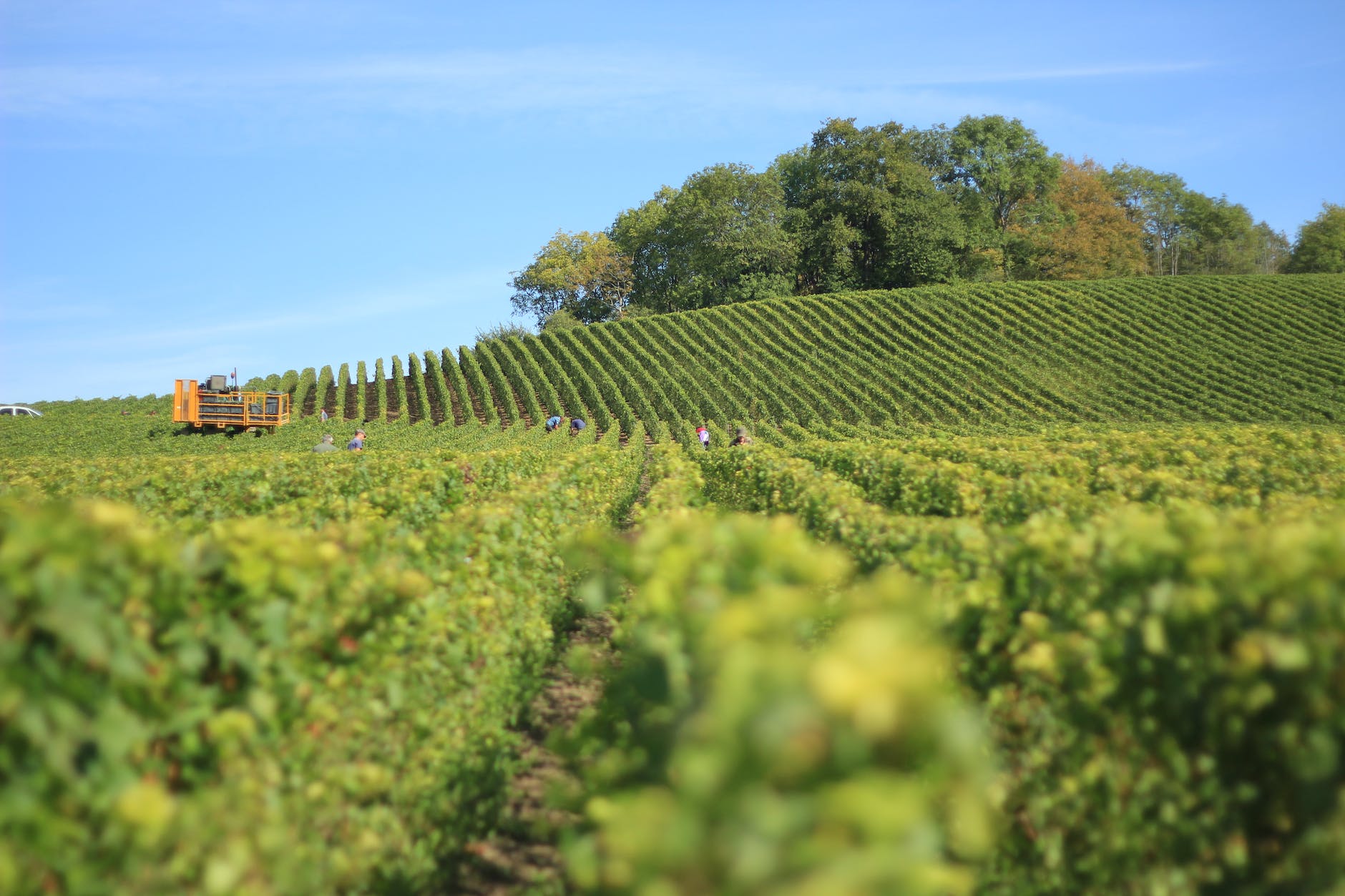
Sustainable agriculture is a holistic approach to farming that seeks to balance the need for increased food production with the protection and preservation of the environment. In a world facing the issues like climate change and resource scarcity, adopting sustainable agricultural methods has become imperative. These methods prioritize soil health, biodiversity, water conservation, and social equity.
What are Sustainable agriculture practices?
Sustainable agriculture practices encompass a range of methods aimed at harmonizing food production with environmental stewardship. Among these practices, crop rotation stands out as a fundamental technique, involving the cultivation of different crops in a systematic sequence. This strategy not only prevents soil degradation and erosion but also disrupts the life cycles of pests and diseases, reducing the need for chemical interventions. Alongside this, cover cropping emerges as another crucial approach, where non-cash crops are cultivated to shield the soil from erosion, enhance nutrient retention, and foster a healthier microbial ecosystem. In parallel, the adoption of no-till or reduced tillage practices gains traction, as these methods curtail soil disturbance, bolster soil carbon storage, and conserve water.

15 Sustainable Agriculture Practices
1. Crop Rotation:
Crop rotation is a foundational sustainable agriculture practice that involves systematically changing the types of crops grown on a particular piece of land over time. This technique reaps multiple benefits by enhancing soil health, reducing the risk of pests and diseases, and promoting efficient nutrient management.
By alternating the types of crops grown, crop rotation disrupts the life cycles of pests and diseases that are specific to particular crops. This reduces the need for chemical pesticides and safeguards the natural balance of the ecosystem. Additionally, different crops have varying nutrient requirements and contributions to the soil. For instance, legumes like beans and peas have the ability to fix nitrogen from the air into the soil, benefiting subsequent crops that require nitrogen for growth.
Also, crop rotation mitigates soil erosion by maintaining a cover of vegetation throughout the year. This protective layer reduces the impact of rain and wind on the soil surface, preserving its structure and fertility. The practice can break weed cycles, as certain crops may shade out or inhibit the growth of weeds that thrive with specific crops.
The versatility of crop rotation enables farmers to tailor their choices to their specific climate, soil type, and crop preferences. For instance, a common rotation might involve alternating between corn and soybeans, where corn’s deep-rooted growth is followed by nitrogen-fixing soybeans. This not only optimizes resource use but also supports long-term sustainability by maintaining the health of the land.
2. Intercropping:
Intercropping, also known as companion planting, is a sustainable agricultural practice that involves cultivating different crops together in the same field. This intricate dance of biodiversity holds numerous benefits, ranging from enhanced pest management to improved soil health and resource utilization.
By interspersing different crops, intercropping disrupts the habitat of pests and diseases, reducing their ability to spread and cause damage. Certain plants emit natural repellents or attract beneficial insects that act as predators to pests, creating a balanced and self-regulating ecosystem that reduces the need for chemical interventions.
Intercropping also optimizes space utilization, as crops with varying growth habits can coexist without competing for resources. Tall crops might provide shade to smaller, more sun-sensitive plants, while deep-rooted species can capture nutrients from different soil depths, making the most of available resources. This synergy minimizes nutrient leaching and soil erosion, ensuring efficient resource use.
Intercropping also supports soil health by diversifying root structures and increasing organic matter input. Root systems with different characteristics help break up soil compaction, enhance water retention, and promote microbial diversity, leading to a more resilient and fertile soil ecosystem.
The practice of intercropping is as diverse as the crops it involves. From planting nitrogen-fixing legumes alongside grains to combining vegetables and herbs in a garden, the options are vast and adaptable to various agricultural contexts. Notably, intercropping resonates with the principles of agroecology, where the cultivation of diverse crops mirrors natural ecosystems and promotes ecological balance.
3. Covering Mulching:
Covering mulching, a sustainable agriculture practice, involves the strategic placement of organic or synthetic materials on the soil surface to create a protective shield that offers numerous benefits to crops, soil health, and water conservation.
Much like a blanket shields us from the cold, covering mulching shields the soil from the harsh elements. This practice employs materials such as straw, leaves, plastic, or even crop residues to cover the soil around plants. This shield reduces soil erosion caused by wind and water, preventing the loss of valuable topsoil and preserving the soil’s structure and fertility.
Covering mulching also plays a crucial role in regulating soil temperature and moisture levels. By providing a physical barrier between the soil and the sun’s rays, mulch helps prevent excessive evaporation, keeping the soil consistently moist and reducing water usage. This is especially vital in arid regions or during periods of drought.
Moreover, covering mulching contributes to weed suppression. The layer of mulch inhibits weed growth by blocking sunlight, effectively reducing competition for water and nutrients between weeds and crops. This leads to fewer weed-related concerns and less need for chemical herbicides.
Covering mulching is also a sustainable way to recycle organic materials. Crop residues, leaves, or even compostable materials can be repurposed as mulch, returning their nutrients to the soil as they break down. This cycle of nutrient recycling promotes soil fertility and reduces the reliance on synthetic fertilizers.
The practice of covering mulching is adaptable to various agricultural systems and can be tailored to suit specific crop requirements. For instance, black plastic mulch can increase soil temperature and aid in early-season planting, while organic mulches contribute to long-term soil health.
4. Agroforestry:
Agroforestry, a visionary approach to sustainable agriculture, intertwines the cultivation of trees with traditional crops or livestock within the same land area. This innovative practice harmonizes the benefits of agriculture and forestry, resulting in diverse and resilient ecosystems that support both environmental and human needs.
Imagine walking through a landscape where trees bear fruits, crops flourish beneath their shade, and animals find refuge in the same space. This is the essence of agroforestry. Trees play a multifaceted role, providing shade, windbreaks, and habitat for beneficial insects and birds. As their leaves fall and branches decompose, they enrich the soil with organic matter, enhancing its fertility.
Agroforestry systems come in various forms, such as alley cropping, where rows of trees alternate with crops, offering protection and resources to both. Silvopasture integrates trees into pasture areas, providing shade and forage for livestock while preventing soil compaction. Forest farming combines native plants with tree crops, yielding a diverse range of products from nuts to medicinal herbs.
One of the most compelling aspects of agroforestry is its capacity to mitigate climate change. Trees sequester carbon dioxide from the atmosphere, mitigating its impact on the climate. By integrating trees into agricultural landscapes, agroforestry contributes to carbon sequestration while also reducing greenhouse gas emissions through sustainable farming practices.
Agroforestry also fosters biodiversity, creating habitats for pollinators, birds, and other wildlife. This ecological balance minimizes the need for chemical pesticides, contributing to healthier ecosystems and improved food security.
Agroforestry also holds immense promise for smallholder farmers in developing countries. By diversifying their income sources through tree products and improving soil fertility, agroforestry enhances livelihoods and resilience to economic shocks and climate variability.
5. Organic Farming:
Organic farming, a fundamental pillar of sustainable agriculture, embraces a holistic and regenerative approach to cultivation that prioritizes harmony with nature, soil health, and ecosystem diversity. This practice does not use the synthetic pesticides, genetically modified organisms, and chemical fertilizers, opting for natural methods that yield numerous environmental, economic, and health benefits.
At the heart of organic farming lies a deep respect for the soil. Rather than relying on chemical interventions, organic farmers nurture the soil’s fertility through practices like crop rotation, cover cropping, and composting. These techniques enrich the soil with organic matter, foster beneficial microorganisms, and enhance its water-holding capacity, resulting in healthier and more resilient crops.
By not using synthetic pesticides and focusing on preventive measures, organic farming safeguards pollinators, beneficial insects, and other wildlife that are crucial for a balanced ecosystem. This approach reduces the risk of pesticide residues in food and minimizes harm to non-target species, contributing to biodiversity conservation.
Organic farming’s commitment to natural processes extends to seed selection. Instead of relying on genetically modified seeds, organic farmers prefer open-pollinated and heirloom varieties, preserving biodiversity and allowing plants to adapt to local conditions over time.
This practice also acknowledges the relation of agriculture and water resources. By minimizing chemical runoff and enhancing soil structure, organic farming contributes to improved water quality and reduced pollution of aquatic ecosystems.
Organic farming is not just about what is avoided; it’s about what is embraced. It embraces holistic management, integrated pest management, and agroecological principles. It thrives on the collaboration of plants, animals, and microorganisms, cultivating a harmonious and self-sustaining farm ecosystem.
The market demand for organic produce also continues to grow as consumers become more conscious of the food they consume. This creates economic opportunities for farmers who choose to adopt organic practices, while also building a greater connection between consumers and their food sources.
6. Permaculture:
Permaculture, a holistic design framework, embodies a profound vision for sustainable living by drawing inspiration from natural ecosystems to create harmonious and regenerative environments. Rooted in ethics and principles, permaculture offers a blueprint for transforming spaces, landscapes, and lifestyles in ways that nurture both the earth and its inhabitants.
At the heart of permaculture lie three core ethics: care for the earth, care for people, and fair share. These ethics guide the design and implementation of systems that prioritize sustainability, community well-being, and equitable resource distribution.
Permaculture’s principles serve as guidelines for creating systems that mimic the resilience and efficiency of natural ecosystems. These principles encompass concepts like observing and interacting, capturing and storing energy, obtaining a yield, and valuing diversity. By adhering to these principles, permaculturists craft designs that maximize resources while minimizing waste.
One of permaculture’s hallmark practices is “stacking functions.” This involves designing elements within a system to perform multiple functions, thereby maximizing efficiency and resource use. For instance, a tree might provide shade, bear fruit, enrich the soil with leaf litter, and act as a windbreak – all while occupying the same space.
Permaculture systems often feature polycultures, where diverse plants intermingle to create resilient and productive ecosystems. Companion planting, guilds, and food forests are examples of polyculture strategies that optimize space, reduce pest pressures, and promote ecological balance.
Additionally, permaculture places strong emphasis on closed-loop cycles. By recycling and reusing resources within a system, waste is minimized and efficiency is maximized. Composting, rainwater harvesting, and incorporating livestock into garden systems exemplify this closed-loop approach.
Permaculture extends beyond land design to encompass sustainable living practices. It encourages waste reduction, energy conservation, and the fostering of local economies and communities. It invites individuals to connect with their surroundings, deepen their understanding of nature’s patterns, and creatively collaborate with natural systems.
7. Precision Agriculture:
Precision agriculture, often referred to as precision farming or site-specific farming, is a cutting-edge approach that leverages technology and data-driven insights to optimize agricultural practices. This innovative practice aims to maximize yields, minimize resource usage, and reduce environmental impact by tailoring actions to the specific needs of different areas within a field.
At the core of precision agriculture is accurate data collection. Global Positioning System (GPS) technology, satellite imagery, drones, and sensors play a pivotal role in gathering real-time information about soil conditions, crop health, and other critical variables.
One of the key practices within precision agriculture is variable rate application. This involves applying inputs such as water, fertilizers, and pesticides at rates that vary across the field based on the data collected. For instance, areas with higher nutrient levels might receive less fertilizer, while areas with nutrient deficiencies receive more – a strategy that optimizes resource use while avoiding over-application.
Precision agriculture also embraces the concept of remote sensing, where satellites or drones capture detailed images of crops. This enables farmers to identify issues like pest infestations or nutrient deficiencies early, allowing for targeted interventions and reducing the need for broad-spectrum chemicals.
Data analysis and modeling are integral components of precision agriculture. By crunching large volumes of data, farmers can make informed decisions about planting, irrigation, and harvesting, leading to improved yields and reduced waste. Predictive models can forecast crop growth, enabling timely actions to ensure optimal results.
Precision agriculture also supports the reduction of greenhouse gas emissions and soil degradation. By applying inputs more precisely, farmers minimize the release of excess nutrients into the environment, lowering the risk of water pollution. Reduced tillage and targeted application also contribute to soil health and carbon sequestration.
Precision agriculture benefits not only the environment but also the farmer’s bottom line. By maximizing resource efficiency, reducing input costs, and increasing yields, this practice enhances the economic sustainability of farming operations.
8. Polyculture:
Polyculture, a time-honored agricultural practice, stands in contrast to monoculture by involving the cultivation of multiple crops in the same field simultaneously. This dynamic approach embraces the power of biodiversity to create resilient and sustainable food systems that mimic the complexity and balance of natural ecosystems.
Imagine walking through a polyculture field where vegetables, grains, fruits, and herbs intermingle, creating a tapestry of life and diversity. Polyculture recognizes that in nature, no single species exists in isolation, and plants, animals, and microorganisms thrive in intricate relationships. By replicating these relationships in agricultural settings, polyculture builds ecological harmony and stability.
Diverse crops grown together in a polyculture system interact in ways that benefit each other. For instance, certain plants may release chemicals that deter pests that would otherwise harm neighboring crops. Tall plants can provide shade and wind protection to shorter, sun-sensitive crops, reducing water needs and minimizing soil erosion.
Moreover, polyculture systems are naturally more resilient to environmental challenges. While a pest or disease outbreak might devastate a monoculture, a diverse polyculture is less vulnerable. Pests have a harder time spreading in such environments, and diseases are less likely to sweep through an array of plant species.
Polyculture also contributes to improved soil health. Different crops have varied root structures and nutrient needs, which prevents soil compaction and enhances nutrient cycling. The constant growth and decay of different plants create a rich bed of organic matter, promoting healthy microbial activity and enriching the soil’s fertility.
This practice resonates deeply with the principles of agroecology, where the emphasis is on ecological balance, resource efficiency, and fostering diverse, self-sustaining systems. Traditional indigenous farming practices often incorporate polyculture, reflecting an inherent understanding of nature’s wisdom.
9. Biodynamic Farming:
Biodynamic farming, an holistic and regenerative approach, goes beyond organic practices by incorporating spiritual and cosmic dimensions into agriculture. Rooted in the teachings of philosopher Rudolf Steiner, this method views the farm as a self-sustaining, interconnected organism that harmonizes with cosmic rhythms and enhances the vitality of the land.
At the heart of biodynamic farming lies the belief in the relationships of all living beings. Practices are guided by a planting calendar that aligns planting and harvesting with the moon and celestial rhythms. This approach respects the idea that the moon’s phases influence plant growth and that cosmic forces influence the Earth’s processes.
Biodynamic farming also emphasizes the use of on-farm preparations. These preparations, made from plants, minerals, and manure, are used in minute quantities to enhance soil fertility, promote microbial activity, and improve plant health. For instance, cow horns filled with manure are buried in the soil over winter, then dug up in spring and diluted to create a potent compost tea.
The farm is seen as a closed system, where inputs are largely produced on-site. Livestock, crops, and composting are integrated to create a self-sustaining loop of nutrients. Cover crops, crop rotation, and diverse plantings enhance soil health and biodiversity, creating a balanced and resilient ecosystem.
Biodynamic farming’s emphasis on holistic management extends to its view of pests and diseases. Rather than viewing them as enemies, biodynamic practitioners seek to understand their role in the ecosystem. By fostering a healthy farm ecosystem, these practitioners aim to minimize the occurrence of pests and diseases.
One of the most intriguing aspects of biodynamic farming is its resonance with the concept of “farm individuality.” Farms are considered unique entities, influenced by their specific geographic location, climate, and history. Biodynamic practices are tailored to each farm’s individual characteristics, reflecting a deep understanding of the land.
10. Integrated Pest Management (IPM):
Integrated Pest Management (IPM), a science-based approach, aims to manage pests in a way that maximizes crop protection while minimizing environmental, economic, and health risks. By combining preventive measures, biological controls, and targeted chemical interventions, IPM offers a holistic solution that balances the needs of agriculture with the preservation of ecosystems.
At the heart of IPM is a shift from reactive to proactive pest management. Rather than waiting for pest populations to reach critical levels, IPM practitioners anticipate potential issues and implement strategies to prevent their escalation. This may involve selecting pest-resistant crops, optimizing planting times, and utilizing trap crops that attract pests away from main crops.
Biological controls play a pivotal role in IPM. Natural predators, parasites, and pathogens are harnessed to regulate pest populations. For instance, releasing ladybugs to consume aphids or introducing beneficial nematodes to target soil-dwelling pests are examples of biological controls that reduce reliance on chemical pesticides.
IPM also emphasizes the use of cultural practices to disrupt pest life cycles. Crop rotation, intercropping, and maintaining healthy soil fertility create an environment that discourages pests from gaining a foothold. These practices promote ecosystem resilience, which in turn reduces the need for chemical interventions.
When chemical treatments are necessary, IPM promotes judicious and targeted use. Rather than blanket applications, IPM advocates for the use of specific pesticides that are effective against the target pest while minimizing harm to non-target species and beneficial insects. Additionally, IPM considers alternative methods like pheromone traps that disrupt pest mating patterns.
Monitoring and accurate data collection are central to IPM. Regular scouting helps farmers track pest populations, assess damage thresholds, and make informed decisions about intervention strategies. This data-driven approach enables timely actions that prevent the escalation of pest problems.
IPM’s effectiveness depends on education and collaboration. Farmers, researchers, and extension agents work together to develop site-specific solutions that align with ecological principles.
11. Hydroponics and Aquaponics:
Hydroponics and aquaponics are innovative agricultural techniques that challenge traditional soil-based cultivation methods. These soil-less systems harness water, nutrients, and technology to create efficient and sustainable environments for growing crops, offering solutions to water scarcity, land limitations, and resource efficiency.
Hydroponics: Cultivating Crops in Nutrient-Rich Waters
Hydroponics involves growing plants in nutrient-rich water solutions, eliminating the need for soil. Instead, plants receive essential nutrients directly through water, allowing for optimized nutrient uptake and faster growth. This technique offers precise control over growing conditions, enabling year-round cultivation regardless of climate.
Different hydroponic systems exist, including nutrient film technique (NFT), deep water culture (DWC), and aeroponics. In NFT, a thin film of nutrient solution flows over plant roots, while DWC suspends plants in oxygenated water. Aeroponics mists plant roots with nutrient solution. These methods minimize water wastage, reduce the need for pesticides, and increase crop yield per unit of space.
Aquaponics: Cultivating Harmony Between Fish and Plants
Aquaponics takes hydroponics a step further by integrating fish farming into the system. In this symbiotic relationship, fish waste provides nutrients for plants, while plant roots filter and purify the water before returning it to the fish tank. This closed-loop cycle creates a sustainable and self-regulating ecosystem.
This approach not only produces crops but also yields fish for consumption. Tilapia, catfish, and trout are common choices for aquaponic systems. The system’s efficiency comes from utilizing nutrients that would otherwise be waste and minimizing water usage compared to traditional fish farming methods.
Hydroponics and aquaponics offer several advantages. By eliminating soil, these methods reduce the risk of soil-borne diseases and pests. They also minimize water consumption, making them viable options for water-scarce regions. Moreover, both systems can be implemented in urban areas or areas with poor soil quality, allowing for localized and fresh food production.
However, these systems require a good understanding of plant and fish biology, water chemistry, and system management. Maintaining balanced nutrient levels and preventing disease outbreaks is crucial. Monitoring water quality, temperature, and oxygen levels are key aspects of successful hydroponic and aquaponic systems.
12. Dry Farming:
Dry farming, a traditional agricultural practice with a modern resurgence, centers around cultivating crops in regions with limited water availability. This method relies on principles that optimize soil moisture retention, reduce water usage, and promote resilient plant growth, making it a valuable strategy in arid and semi-arid climates.
At the heart of dry farming lies the ability to work in harmony with nature’s water cycle. Rather than relying heavily on irrigation, dry farmers strategically use rainfall and soil moisture to sustain their crops. This approach necessitates careful soil preparation, choosing drought-resistant plant varieties, and implementing conservation techniques.
Soil preparation is a critical first step in dry farming. Farmers loosen the soil to create a crumbly texture that facilitates water infiltration and root penetration. This porous structure allows the soil to hold onto moisture from rain and dew, providing a water reservoir for plants during dry spells.
The selection of crops is pivotal in dry farming. Varieties that are adapted to minimal water conditions, known as drought-resistant or heirloom varieties, thrive in such environments. These crops have evolved mechanisms to withstand periods of water scarcity by adjusting their growth patterns and conserving water within their tissues.
Mulching plays a crucial role in dry farming by minimizing water evaporation and soil erosion. A layer of organic materials such as straw or leaves blankets the soil, shielding it from the sun’s intense rays and preventing moisture loss through evaporation. Mulching also helps regulate soil temperature, reducing stress on plants.
Dry farmers employ techniques like intercropping and companion planting to maximize resource use and promote ecosystem balance. Certain plant combinations can create microclimates that benefit each other, while cover crops enrich the soil and break up compaction, allowing it to better retain water.
While dry farming embraces the principles of minimal irrigation, it doesn’t mean that no water is used at all. Limited and targeted irrigation, such as planting seeds in pre-moistened furrows, can help establish crops during crucial growth stages.
13. Conservation Farming:
Conservation farming, also known as conservation agriculture, is a holistic approach to agriculture that places the health of the land at the forefront of farming practices. This method focuses on preserving soil health, enhancing water efficiency, and promoting sustainable crop production while minimizing negative impacts on the environment.
At the core of conservation farming is the principle of minimal soil disturbance. This involves practices like reduced or no-till planting, where the soil is left undisturbed to prevent erosion and preserve its structure. By maintaining a protective cover of plant residues on the soil surface, conservation farming minimizes soil erosion caused by wind and water.
Cover cropping is a key component of conservation farming. During off-seasons or between main crops, cover crops like legumes, grasses, or grains are grown to protect the soil from erosion, improve soil structure, and add organic matter. This “living mulch” supports beneficial microorganisms and enhances soil fertility.
Crop rotation is another cornerstone of conservation farming. Alternating the types of crops grown on a piece of land helps prevent the buildup of pests and diseases while optimizing nutrient utilization. Crop rotation breaks the cycle of pests that target specific crops and minimizes the need for chemical interventions.
Conservation farming places great emphasis on maintaining soil health. By using organic and natural nutrient sources like compost, manure, and cover crops, farmers enrich the soil with essential nutrients and enhance its microbial activity. Healthy soils not only support robust crop growth but also sequester carbon and mitigate climate change.
Water efficiency is a crucial aspect of conservation farming. Techniques like mulching, cover cropping, and reduced-till practices help retain soil moisture and minimize water runoff. This is particularly valuable in regions prone to drought or water scarcity.
Conservation farming’s benefits extend beyond the farm gate. By reducing soil erosion, nutrient runoff, and chemical use, this approach promotes water quality, supports biodiversity, and minimizes the impact of agriculture on nearby ecosystems.
14. Rainwater Harvesting:
Rainwater harvesting, an ancient practice with modern relevance, involves collecting and storing rainwater for various uses. This simple yet effective technique offers a solution to water scarcity, promotes self-reliance, and conserves precious freshwater resources in both rural and urban settings.
At its core, rainwater harvesting capitalizes on the natural process of rainfall. Rainwater is collected from rooftops, surfaces, or catchment areas and directed into storage tanks or underground reservoirs. This harvested rainwater can then be used for a variety of purposes, such as irrigation, household needs, livestock, and groundwater recharge.
One of the most common rainwater harvesting methods is rooftop collection. Rainwater from rooftops is channeled through gutters and downspouts into storage tanks. These tanks can be above ground, underground, or even designed to fit within the architecture of the building. They range in size from small barrels to large reservoirs capable of storing thousands of gallons.
Rainwater harvesting systems can be simple or sophisticated, depending on the scale and intended use. Basic systems may involve using rain barrels connected to downspouts. More advanced systems can include filtration mechanisms, first flush diverters to remove debris, and pumps for distribution.
The benefits of rainwater harvesting are multifaceted. Firstly, it provides an independent water source that reduces reliance on municipal water supplies or groundwater pumping. This is especially crucial in regions facing water scarcity or in rural areas where access to clean water is limited.
Secondly, rainwater harvesting alleviates pressure on stormwater management systems. When rainwater is captured and stored, it doesn’t contribute to stormwater runoff that can lead to flooding, erosion, and pollution of water bodies with contaminants.
Additionally, rainwater is naturally soft and free of the chemicals often found in tap water, making it suitable for various non-potable uses such as irrigation, toilet flushing, and laundry. This reduces demand on potable water resources and can lead to significant water savings.
Rainwater harvesting is also a sustainable solution for replenishing groundwater. When rainwater is captured and allowed to percolate into the ground, it recharges aquifers, helping to maintain groundwater levels and quality.
In urban areas, rainwater harvesting contributes to green infrastructure and supports sustainable development. When integrated into building design, it can enhance the energy efficiency of structures by reducing the need for mechanical cooling.
15. Contour Farming:
Contour farming is an agricultural practice that involves cultivating crops along the natural contours of the land, rather than in straight rows that follow the slope. This technique is designed to minimize soil erosion, enhance water retention, and promote the overall health of the land, making it a valuable strategy in regions prone to runoff and erosion.
The concept behind contour farming is simple yet powerful. By planting crops perpendicular to the slope, the natural flow of water is slowed down, allowing it to infiltrate the soil rather than causing erosion. The practice employs various techniques to effectively manage water movement across the landscape.
One of the primary techniques used in contour farming is the construction of ridges and furrows. Farmers create raised ridges across the slope that serve as barriers to water flow, while furrows capture and distribute water evenly. This system not only reduces soil erosion but also conserves water by preventing it from quickly running off the field.
Contour farming also includes the use of water diversion structures, such as diversion ditches or terraces, to redirect water away from slopes and prevent concentrated runoff. These structures help prevent gullies from forming and protect valuable topsoil.
The benefits of contour farming are numerous. Firstly, it effectively reduces soil erosion, which is particularly crucial in regions with hilly terrain or heavy rainfall. By retaining soil on the fields, farmers preserve the nutrient-rich topsoil and prevent sediment from polluting nearby water bodies.
Secondly, contour farming enhances water retention. By allowing water to infiltrate the soil, it replenishes groundwater supplies, reduces the risk of flooding downstream, and provides a consistent water source for crops during dry periods.
Additionally, contour farming contributes to improved crop yields. The practice creates more favorable growing conditions by maintaining soil structure and nutrient levels. This, in turn, supports healthier plant growth and better harvests.
Contour farming is often used in combination with other soil conservation practices such as cover cropping, reduced tillage, and proper crop rotation. These complementary practices reinforce the benefits of contour farming and create a holistic approach to sustainable land management.
Final Words
Sustainable agriculture methods hold the key to addressing the challenges of feeding a growing global population while safeguarding the planet’s resources. By implementing these 15 methods, farmers can contribute to healthier soils, cleaner water, and thriving ecosystems.
You May Also Like

 Decoding Biosphere