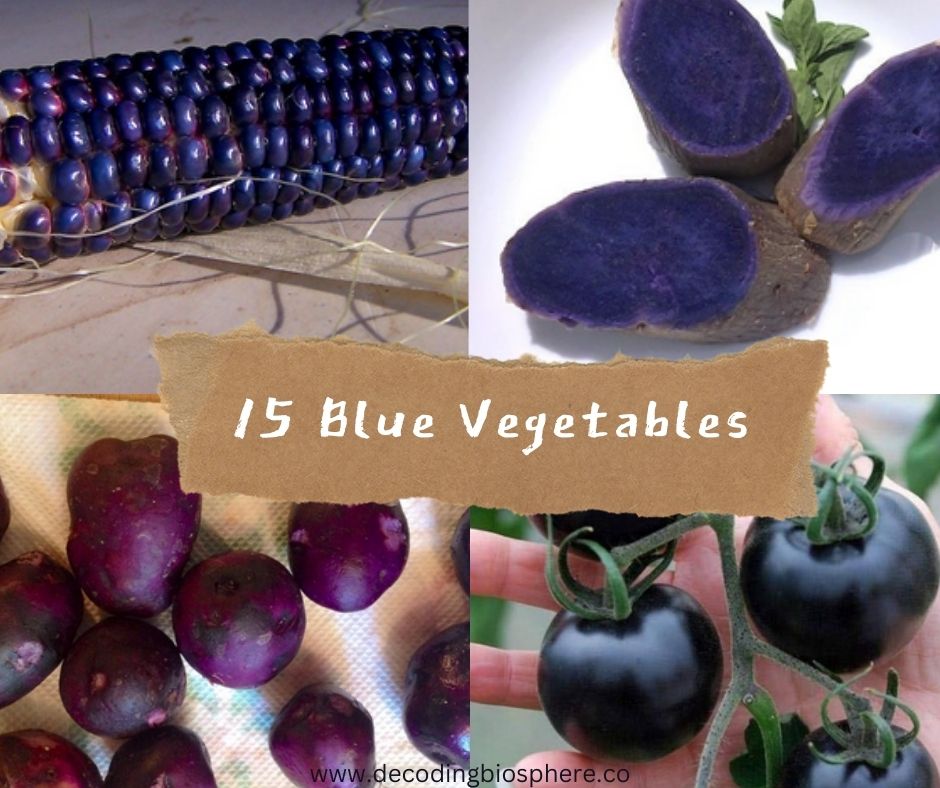
When we think of vegetables, green often comes to mind, but did you know that blue vegetables exist too? These vibrant foods are packed with antioxidants, vitamins, and minerals that offer numerous health benefits. Their unique color comes from anthocyanins, a type of flavonoid that has anti-inflammatory and heart-healthy properties. Here’s a look at 15 blue vegetables that can enhance your diet and boost your well-being.
1. Blue Corn
Blue corn is rich in antioxidants, fiber, and protein. It has a slightly sweeter taste than yellow corn and is commonly used to make tortillas, chips, and even popcorn.

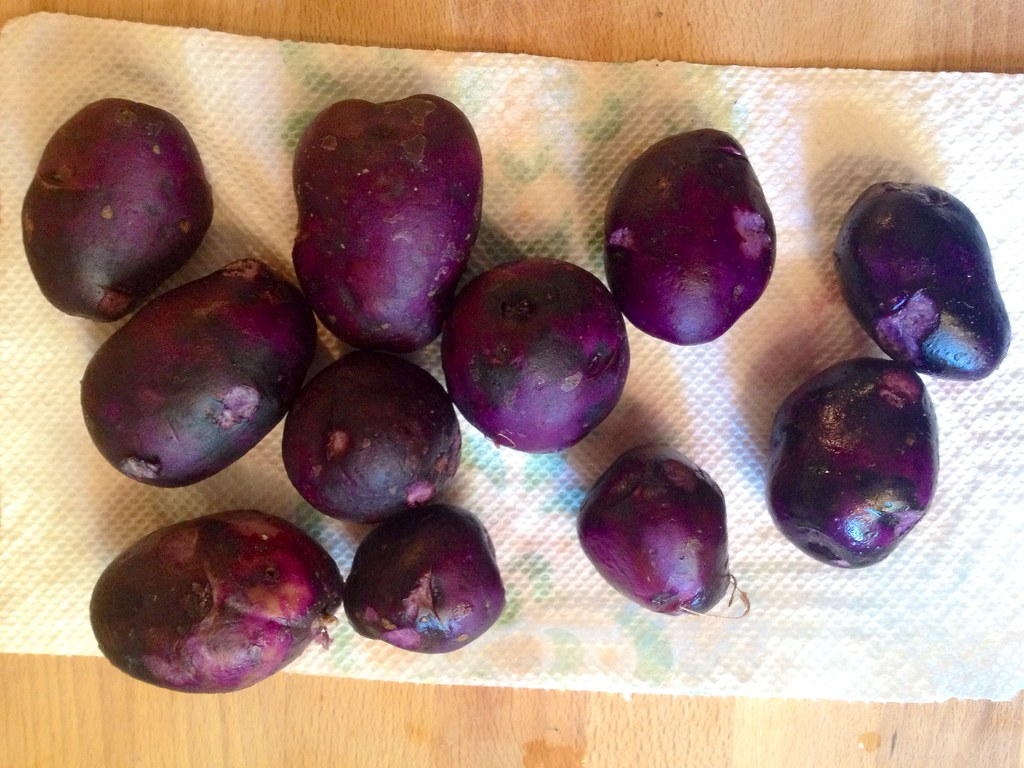
2. Blue Potatoes
Blue potatoes, such as Peruvian Blue and Adirondack Blue, are loaded with anthocyanins and provide potassium, vitamin C, and fiber. They have a creamy texture and work well in mashed, roasted, or baked dishes.
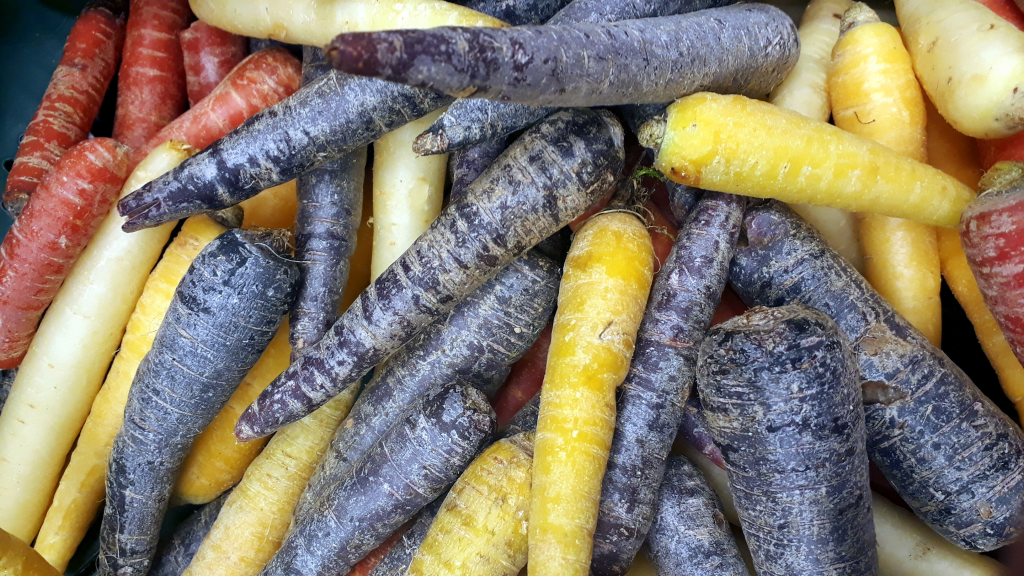
3. Blue Carrots
Originally, carrots came in a variety of colors, including blue and purple. Blue carrots are high in beta-carotene, fiber, and vitamin K, supporting eye health and digestion.
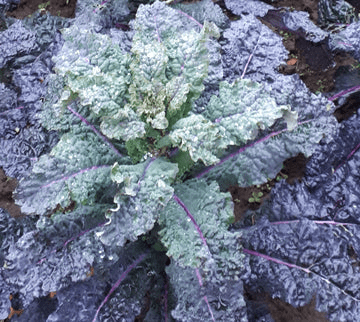
4. Blue Kale
This nutrient-dense leafy green has a slight bluish hue and is packed with vitamins A, C, and K. It is great for making smoothies, salads, and sautéed dishes.
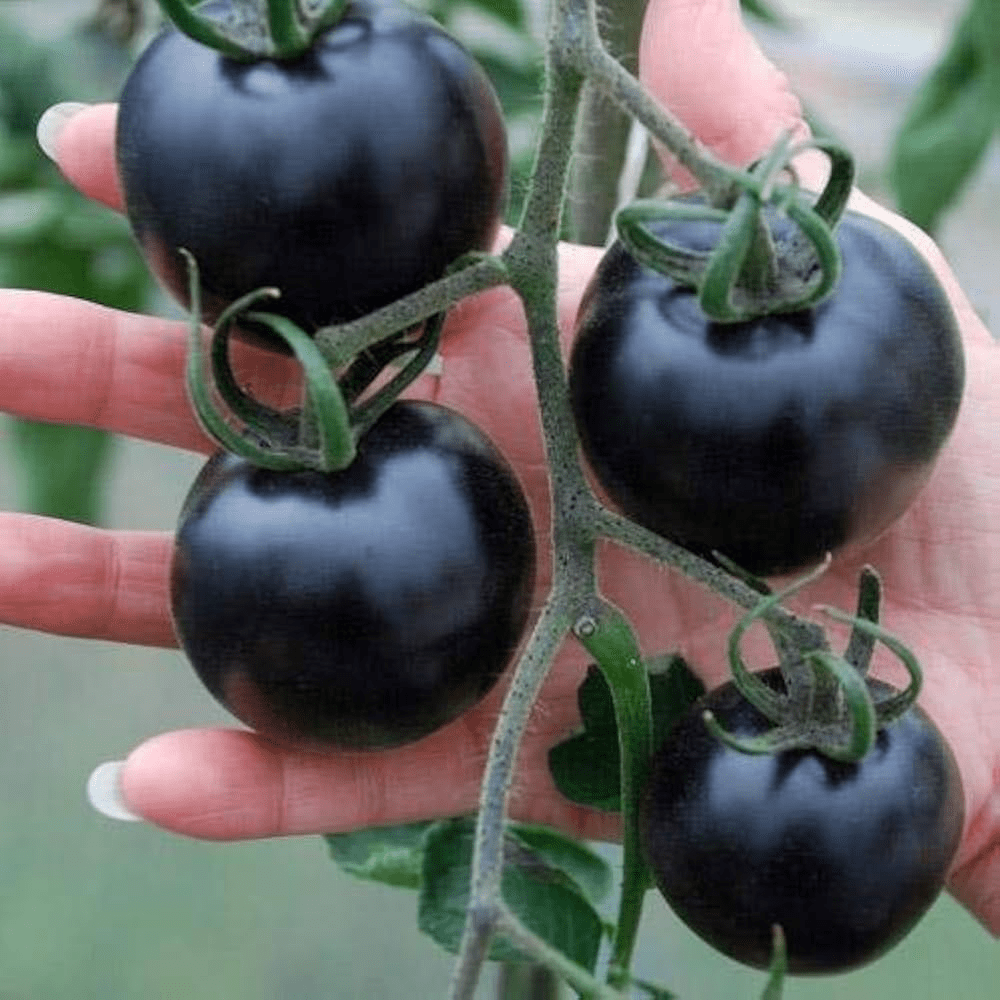
5. Blue Tomatoes
Varieties like Indigo Rose and Blue Beauty tomatoes are not only visually striking but also rich in lycopene and anthocyanins, which support heart health and reduce inflammation.
6. Blue Sweet Potatoes
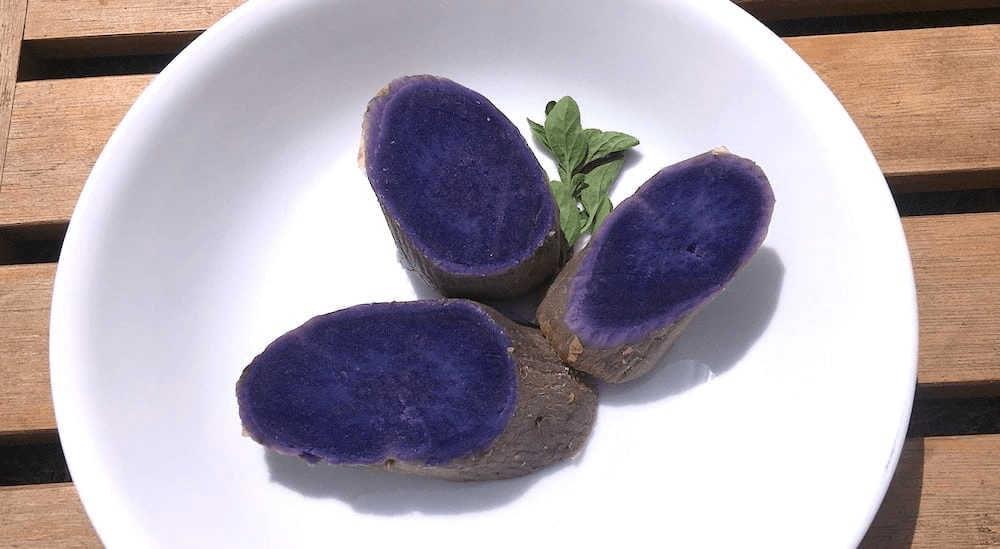
Blue sweet potatoes, such as the Okinawan variety, are packed with fiber, vitamin A, and antioxidants. They are commonly used in both sweet and savory dishes.
7. Blue Peas
Some heirloom pea varieties have a bluish tint and are excellent sources of plant-based protein, fiber, and vitamins. They can be used in soups, stews, and stir-fries.
8. Blue Bell Peppers
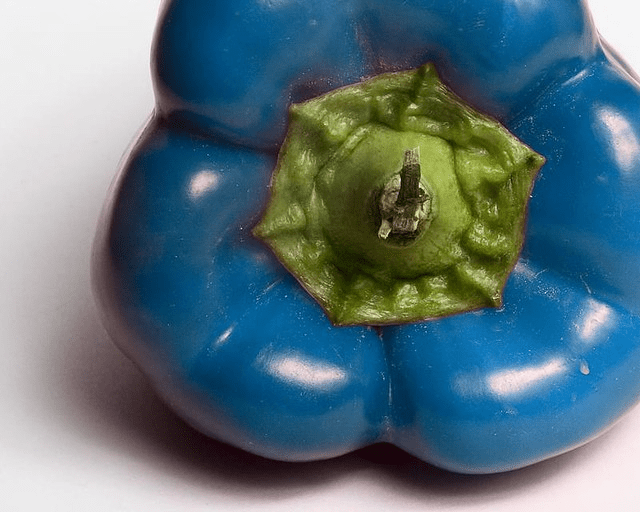
Rare but real, blue bell peppers contain vitamin C, antioxidants, and fiber. Their slightly sweet taste makes them a great addition to salads and stir-fries.
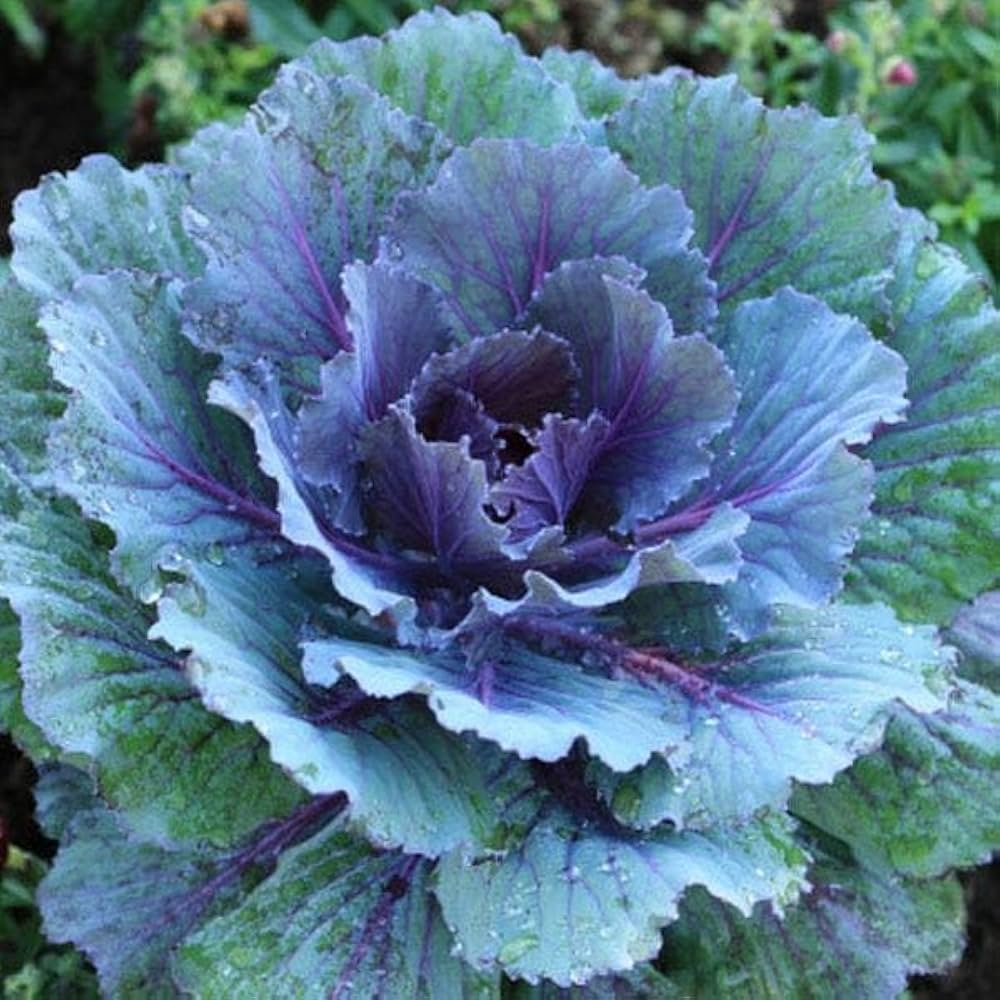
9. Blue Cabbage
Also known as red cabbage, this vegetable appears blue in certain lighting and is packed with vitamin C, fiber, and anthocyanins. It can be eaten raw in salads or cooked in various dishes.
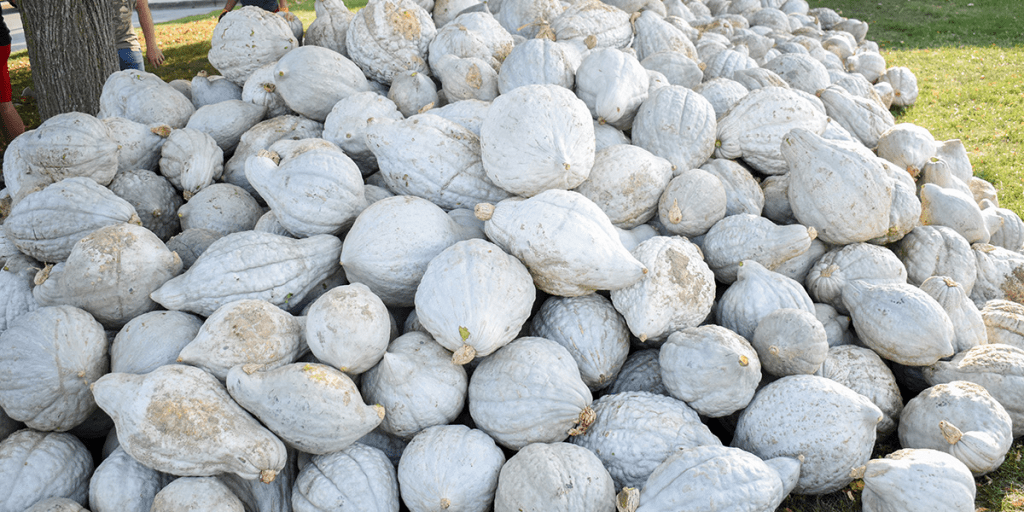
10. Blue Squash
Varieties like Blue Hubbard Squash have a deep blue-gray skin and are rich in vitamin A, fiber, and potassium. Their sweet flesh is perfect for roasting or making soups.
11. Blue Lettuce
Some wild lettuce varieties have a bluish tint and contain iron, calcium, and folate. They add a unique color to salads and sandwiches.

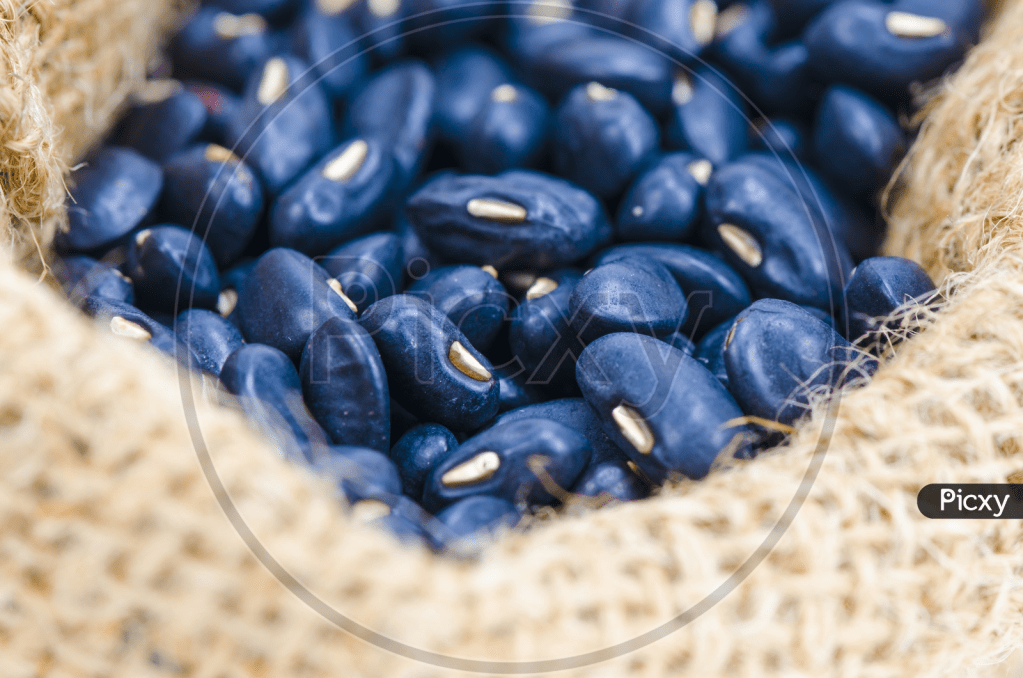
12. Blue Beans
Blue bean varieties, such as Blue Coco Beans, turn green when cooked but retain their high levels of protein, fiber, and antioxidants.
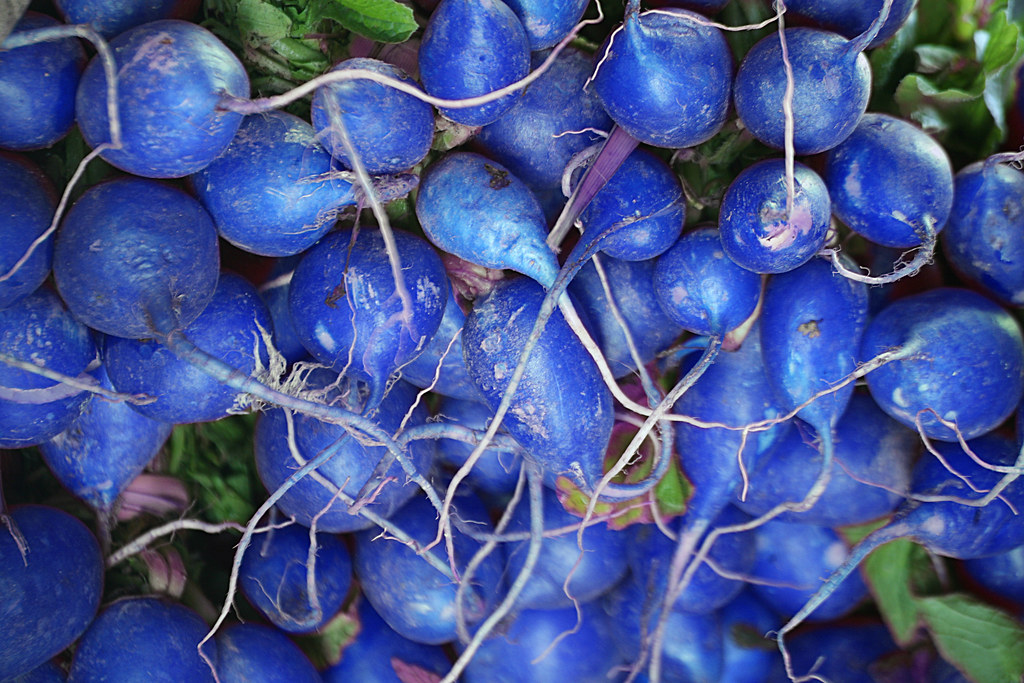
13. Blue Radish
Some radish varieties have a bluish-purple skin and offer vitamin C, fiber, and digestive benefits. They add a spicy crunch to salads and pickled dishes.
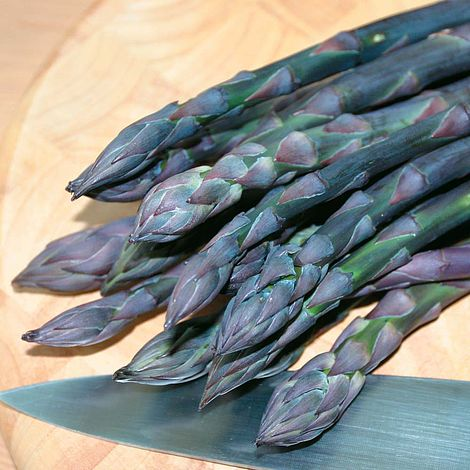
14. Blue Asparagus
Blue-tinted asparagus is rich in vitamin K, folate, and fiber. It has a slightly earthy flavor and works well grilled, roasted, or steamed.
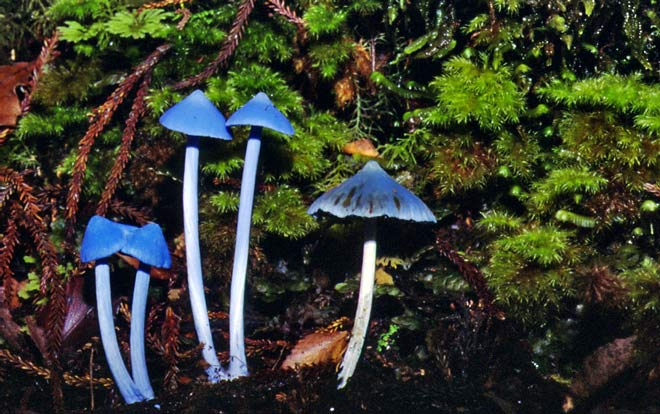
15. Blue Mushrooms
While technically a fungus, blue oyster mushrooms and blue foot mushrooms provide B vitamins, protein, and antioxidants, supporting immune health and brain function.
Quick Recipe: Roasted Blue Potatoes with Herbs
Ingredients:
- 2 cups blue potatoes, washed and cut into halves
- 2 tbsp olive oil
- 1 tsp garlic powder
- 1 tsp dried rosemary
- 1/2 tsp sea salt
- 1/2 tsp black pepper
Instructions:
- Preheat the oven to 400°F (200°C).
- Toss the blue potatoes with olive oil, garlic powder, rosemary, salt, and pepper.
- Spread them evenly on a baking sheet.
- Roast for 25-30 minutes, or until golden and crispy.
- Serve hot as a delicious and nutritious side dish.
FAQs About Blue Vegetables
1. What makes blue vegetables blue?
Blue vegetables get their color from anthocyanins, a type of antioxidant that also provides numerous health benefits, including anti-inflammatory and heart-protective properties.
2. Are blue vegetables healthier than other vegetables?
While all vegetables are nutritious, blue vegetables are particularly rich in antioxidants that may help fight oxidative stress and reduce the risk of chronic diseases.
3. Can I grow blue vegetables at home?
Yes! Many blue vegetables, such as blue tomatoes, blue corn, and blue kale, can be grown in home gardens with proper care and sunlight.
4. Do blue vegetables taste different from regular vegetables?
The taste of blue vegetables is usually similar to their green or orange counterparts, but some may have a slightly sweeter or earthier flavor due to their unique pigments.
5. Where can I buy blue vegetables?
Blue vegetables can be found at farmers’ markets, specialty grocery stores, and online seed suppliers if you wish to grow them yourself.
Final Words
Adding blue vegetables to your diet not only enhances your meals with unique colors but also provides powerful health benefits. Their high antioxidant content supports heart health, brain function, and immune strength. Whether roasted, steamed, or eaten raw, these vibrant veggies are a must-try for any health-conscious eater.
Try incorporating some of these blue-hued superfoods into your diet today and enjoy their taste and nutritional benefits!


 Decoding Biosphere