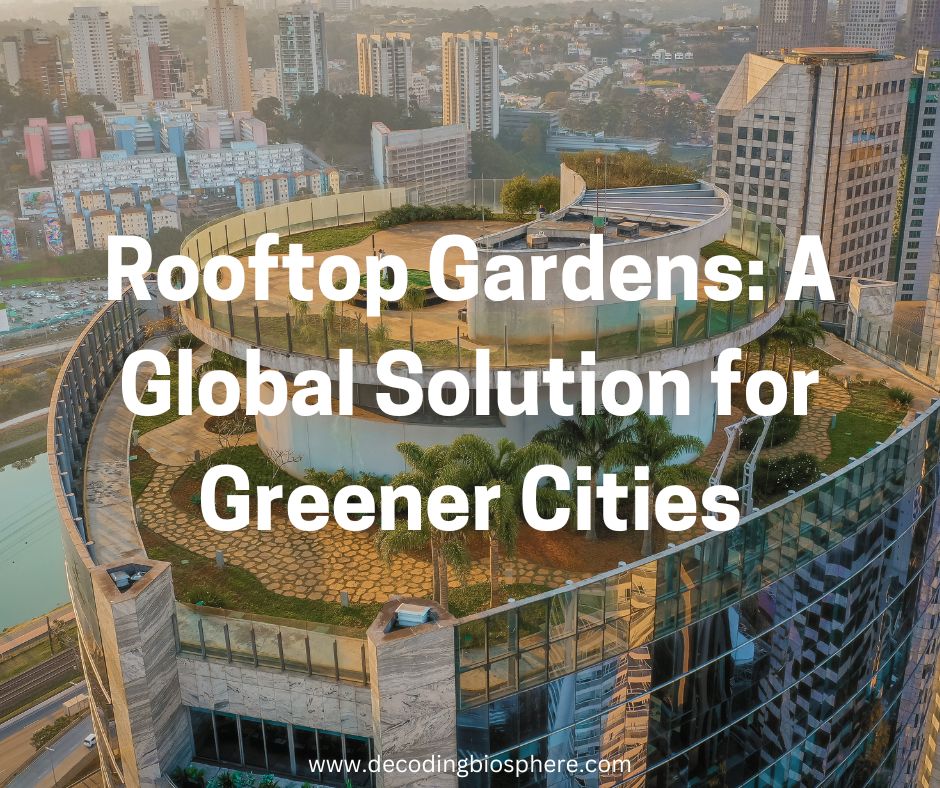
Urban areas around the world are facing increasing environmental challenges, from rising temperatures and air pollution to limited green spaces and biodiversity loss. One innovative solution that is gaining momentum globally is the adoption of rooftop gardens. By transforming rooftops into green havens, cities can significantly improve sustainability, mitigate climate change effects, and enhance the well-being of urban residents.
The Environmental Benefits of Rooftop Gardens
1. Reducing the Urban Heat Island Effect
One of the most pressing problems in modern cities is the urban heat island effect (UHI), where buildings and concrete structures absorb and retain heat, making cities much hotter than surrounding rural areas. Rooftop gardens help cool down urban environments by absorbing heat, providing shade, and releasing moisture into the air through evapotranspiration. Studies have shown that green roofs can reduce surface temperatures by up to 40°F (22°C), significantly lowering the need for air conditioning and reducing energy consumption.
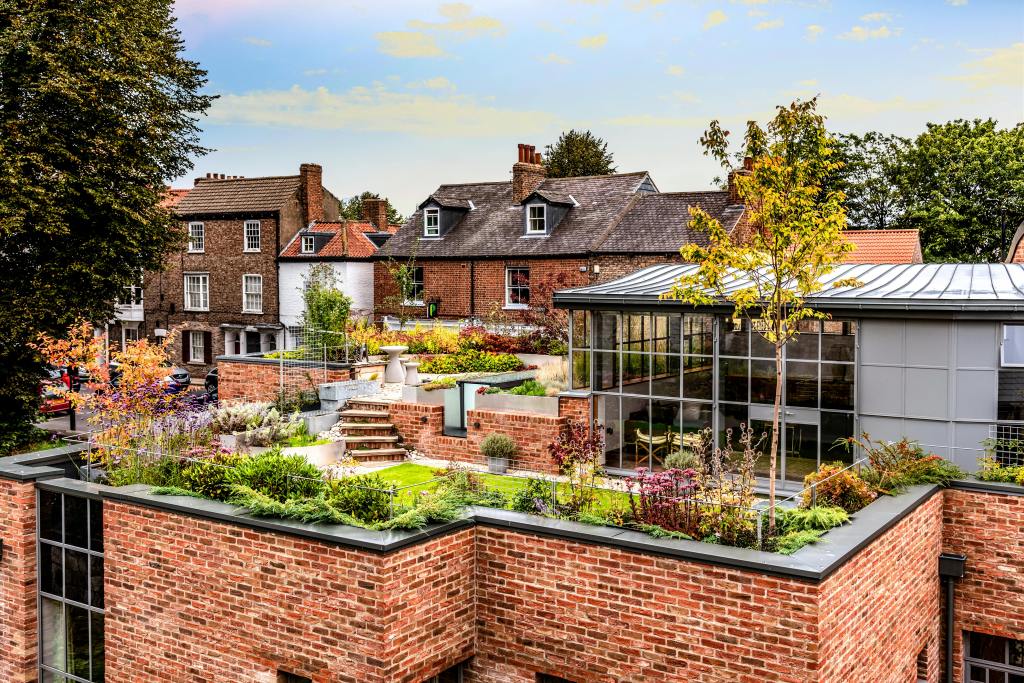
2. Enhancing Air Quality and Carbon Sequestration
Air pollution is a growing concern in many cities worldwide. Rooftop gardens help filter pollutants and carbon dioxide from the air, leading to cleaner, fresher urban environments. Plants absorb CO2 and release oxygen, contributing to better air quality and lowering greenhouse gas emissions. Additionally, green roofs trap dust and particulate matter, reducing pollution-related health risks.
3. Stormwater Management and Flood Prevention
Heavy rainfall often overwhelms city drainage systems, leading to flooding. Rooftop gardens absorb rainwater, reducing runoff and alleviating pressure on sewage systems. This natural water retention process also prevents contaminants from entering waterways, leading to improved water quality.
Social and Health Benefits of Rooftop Gardens
4. Improving Mental Health and Well-being
Green spaces are known to have a positive impact on mental health by reducing stress, anxiety, and depression. Rooftop gardens offer urban dwellers a chance to reconnect with nature, unwind, and socialize in a peaceful environment. In cities like Singapore and New York, urban planners are increasingly integrating green spaces to enhance residents’ well-being.
5. Increasing Biodiversity in Cities
Urbanization has led to a decline in biodiversity, but rooftop gardens provide habitats for birds, bees, and other pollinators. By incorporating native plants and wildflowers, these green spaces support urban ecosystems and contribute to environmental conservation efforts.
Economic and Energy Advantages
6. Energy Efficiency and Cost Savings
Green roofs act as natural insulators, keeping buildings cooler in summer and warmer in winter. This reduces energy costs for heating and cooling, making buildings more energy-efficient. Cities like Toronto and Berlin have implemented green roof policies to encourage sustainable urban development.
7. Urban Agriculture and Food Security
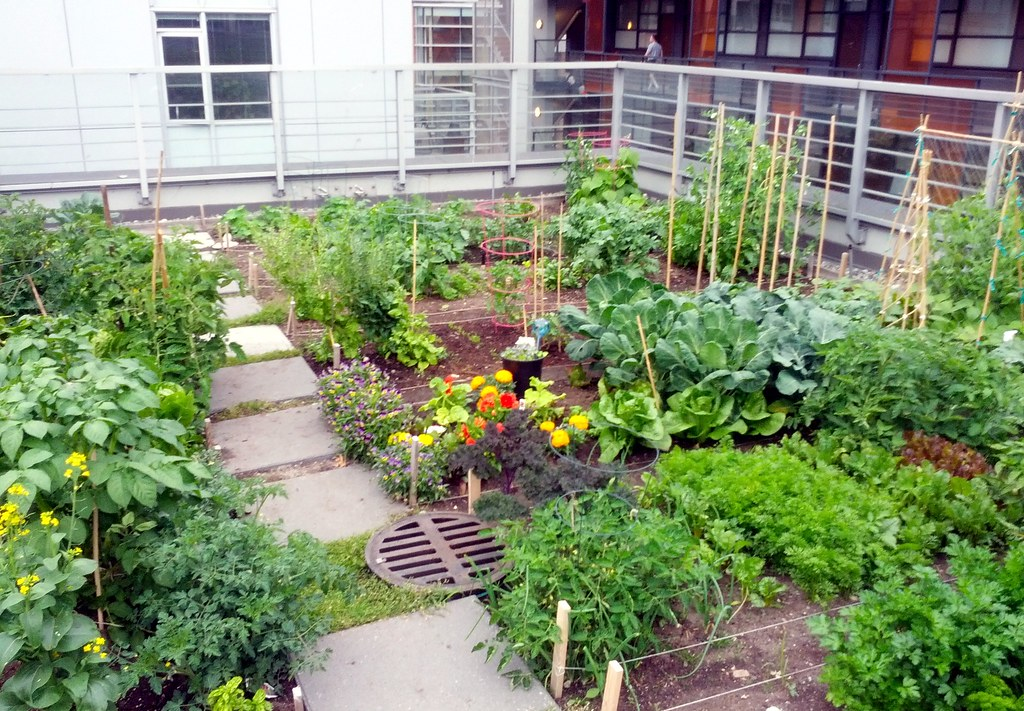
With rising concerns about food security and access to fresh produce, rooftop gardens provide a viable solution for urban farming. Cities like Montreal and Tokyo have transformed rooftops into productive agricultural spaces, supplying fresh vegetables and herbs to local communities while reducing food transportation emissions.
Global Adoption of Rooftop Gardens
8. Successful Case Studies
- Singapore: The “City in a Garden” initiative has led to widespread adoption of green roofs and vertical gardens, integrating nature into urban planning.
- New York: The Brooklyn Grange operates one of the largest rooftop farms, promoting sustainable agriculture in urban settings.
- Switzerland: Basel has introduced laws requiring all new buildings to incorporate green roofs, setting an example for other cities worldwide.
9. The Future of Rooftop Gardens
As climate change intensifies, rooftop gardens will play a crucial role in urban resilience and sustainability. With advancements in green technology, water management, and urban farming, cities can further expand green infrastructure to create healthier, cooler, and more livable spaces.
Final WOrds
Rooftop gardens offer a multifaceted solution to some of the most pressing environmental, social, and economic challenges of our time. By embracing this sustainable innovation, cities worldwide can move towards a greener, healthier, and more resilient future. Whether through reducing heat, improving air quality, supporting biodiversity, or growing fresh food, rooftop gardens are a powerful tool for urban sustainability.
As urban populations continue to grow, integrating nature into cityscapes is no longer an option—it is a necessity. Encouraging policies, investment, and community participation in rooftop gardening can transform cities into thriving ecosystems that benefit both people and the planet.
FAQs About Rooftop Gardens
1. What is a rooftop garden?
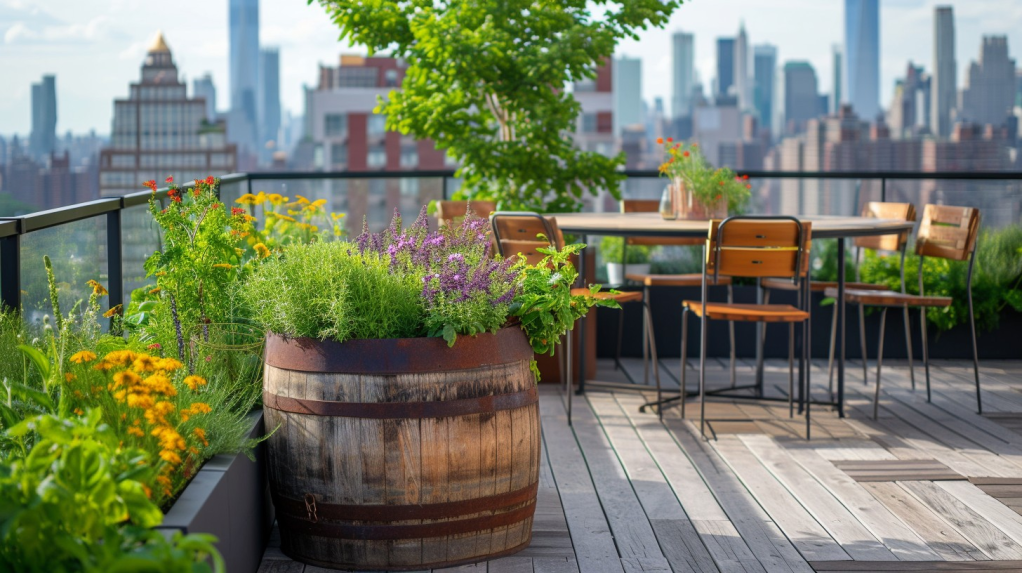
A rooftop garden is a vegetative layer grown on the top of a building. It can include grass, plants, shrubs, and even small trees. Some rooftop gardens are designed for agriculture, recreation, or biodiversity enhancement.
2. How do rooftop gardens help the environment?
Rooftop gardens reduce heat, absorb rainwater, improve air quality, and support urban biodiversity. They also help reduce energy consumption by insulating buildings and lowering urban temperatures.
3. Are rooftop gardens expensive to maintain?
The cost of maintaining a rooftop garden depends on its size, design, and plant selection. While initial installation may be costly, the long-term benefits, including energy savings and extended roof lifespan, often outweigh the expenses.
4. Can any building have a rooftop garden?
Most buildings can support a rooftop garden, but factors like structural integrity, weight capacity, and waterproofing must be considered. Consulting with an architect or engineer is recommended before installation.
5. What types of plants are best for rooftop gardens?
Drought-resistant plants, native species, and hardy perennials are ideal for rooftop gardens. Succulents, sedum, ornamental grasses, and herbs are commonly used due to their low maintenance and adaptability to rooftop conditions.
6. Do rooftop gardens require special irrigation systems?
While some rooftop gardens rely on natural rainfall, most benefit from a drip irrigation system or rainwater harvesting setup to maintain plant health, especially in dry climates.
7. How can I start a rooftop garden?
To start a rooftop garden, assess your building’s structure, plan the layout, choose suitable plants, ensure proper drainage, and consider hiring professionals for installation. Engaging with community initiatives or green roof programs can also provide guidance and resources.


 Decoding Biosphere