
In the dense rainforests of West Africa, a shy and elusive creature quietly thrives: the pygmy hippopotamus (Choeropsis liberiensis). While its larger cousin, the common hippo, often steals the limelight, the pygmy hippo has recently gained attention thanks to Moo Deng, a baby pygmy hippo in Thailand who became a viral sensation in 2024. With her adorable antics and unique bond with her caretaker, Moo Deng has shone a spotlight on this lesser-known species, reminding us why it’s so important to protect these gentle creatures.
What Is a Pygmy Hippo?
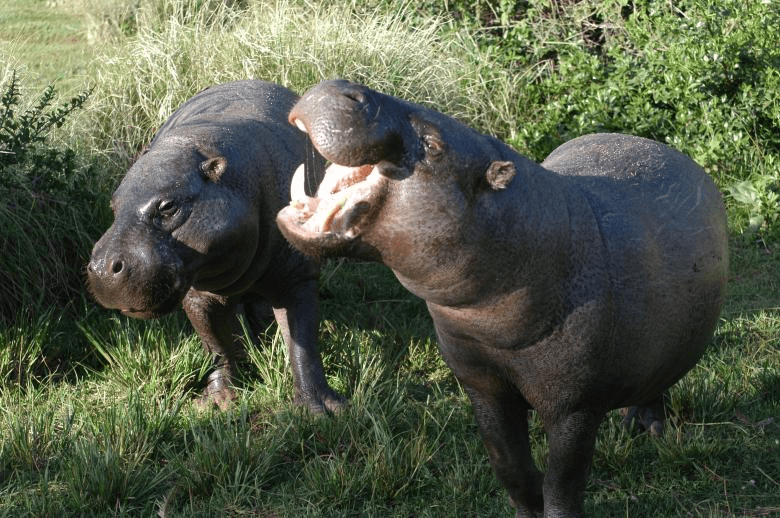
Pygmy hippos are significantly smaller than common hippos, weighing 350–600 pounds compared to their larger relatives, which can weigh up to 8,000 pounds. These semi-aquatic mammals have rounded, barrel-shaped bodies, dark brown skin, and a charmingly expressive face. Despite their size difference, pygmy hippos share many traits with their larger cousins, including their love for water.
- Scientific Name: Choeropsis liberiensis
- Size: Up to 5.7 feet long and 3 feet tall
- Habitat: Rainforests, swamps, and rivers of West Africa (Liberia, Sierra Leone, Guinea, and Côte d’Ivoire)
The Viral Sensation of Moo Deng
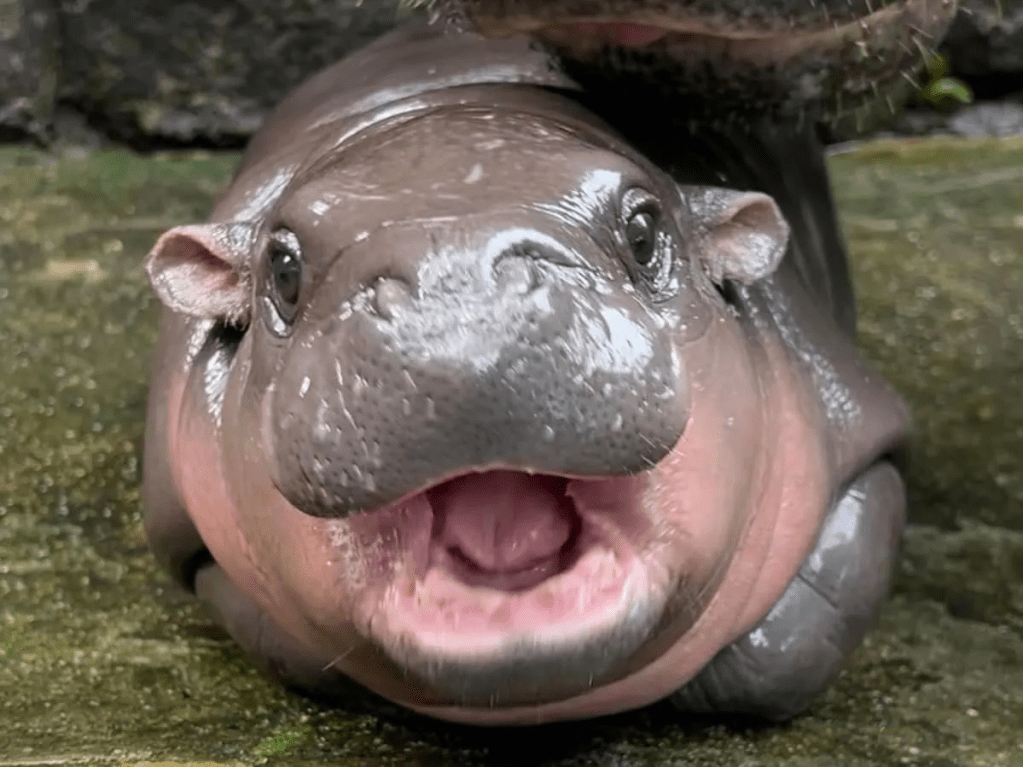
In 2024, Moo Deng, a baby pygmy hippo born at a wildlife sanctuary in Thailand, captivated millions around the globe. Videos of her playful behavior, especially her heartwarming interactions with her caretaker, became instant internet hits. Moo Deng’s popularity not only highlighted the adorability of pygmy hippos but also raised awareness about the threats facing their wild counterparts.
Behavior and Ecology
Pygmy hippos are solitary creatures, typically only coming together to mate. Unlike common hippos, they spend more time on land, foraging for fruits, leaves, and grasses under the cover of night.
- Diet: Herbivorous, feeding on fruits, roots, leaves, and aquatic plants
- Lifespan: Up to 35 years in captivity, shorter in the wild due to predation and habitat loss
- Adaptations: Their semi-aquatic nature means they rely on rivers and swamps to keep their sensitive skin moist.

Threats to Pygmy Hippos
Despite their fascinating biology, pygmy hippos are listed as Endangered by the IUCN Red List. Their population, estimated to be fewer than 3,000 individuals, is declining rapidly due to:
- Habitat Destruction: Logging and agricultural expansion are erasing the rainforests they call home.
- Hunting: Poaching for bushmeat remains a significant threat.
- Climate Change: Altered weather patterns are impacting the availability of water and food sources.
Conservation Efforts
Organizations like the Zoological Society of London and the Pygmy Hippo Foundation are working tirelessly to protect this species. Efforts include:
- Breeding Programs: Captive breeding programs, like the one where Moo Deng was born, aim to increase their numbers.
- Habitat Protection: Conserving rainforests and establishing protected areas are crucial for their survival.
- Community Education: Raising awareness about the importance of biodiversity helps reduce hunting and deforestation.
Why Should We Protect Pygmy Hippos?
Pygmy hippos are important for their ecosystems. As herbivores, they help keep plants balanced in rainforests and swamps. Protecting them also helps preserve the habitats they share with many other species.
How You Can Help
- Support organizations working to protect pygmy hippos and their habitats.
- Advocate for sustainable practices to reduce deforestation.
- Share stories like Moo Deng’s to inspire others to care about wildlife conservation.
Fascinating Facts About Pygmy Hippos
- They secrete a reddish, oily substance from their skin, often called “blood sweat,” which acts as sunscreen and a natural moisturizer.
- Pygmy hippos are excellent swimmers and can close their nostrils underwater.
- Despite their small size, they are surprisingly strong and can run at speeds up to 18 mph.
Source:


 Decoding Biosphere