
Meet the capybara (Hydrochoerus hydrochaeris), the world’s largest rodent and arguably the most laid-back animal in the animal kingdom. Native to South America, these semi-aquatic creatures have become internet sensations, celebrated for their friendly demeanor, adorable appearance, and ability to get along with nearly every species. Whether lounging by a riverbank or soaking in hot springs, the capybara is a true icon of tranquility.

Physical Characteristics
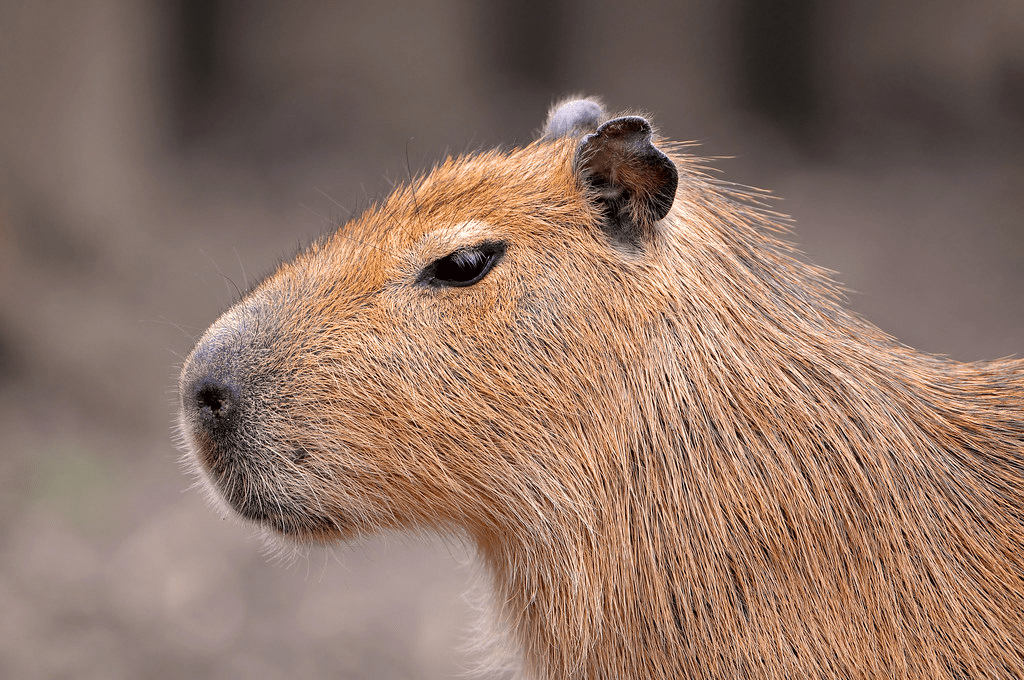
Capybaras are hard to miss, with their robust, barrel-shaped bodies covered in coarse brown fur. They can weigh between 77 to 150 pounds and grow up to 4 feet long. Despite their size, their webbed feet and streamlined bodies make them excellent swimmers.
Habitat and Behavior
Capybaras are found near water bodies like rivers, swamps, and marshes across South America, from Venezuela to northern Argentina. They are social animals, living in groups of 10 to 20 individuals, although larger herds of up to 100 have been observed. Their love for water isn’t just for fun—it helps them evade predators like jaguars, caimans, and anacondas.

Why Are Capybaras So Popular?
Capybaras have become internet celebrities for a good reason. Here are a few fun facts about their lovable reputation:
- Animal Friendship Goals: Capybaras are famously friendly and can be found hanging out with birds, monkeys, turtles, and even crocodiles!
- Hot Spring Enthusiasts: In Japan, capybaras are a major attraction at zoos, where they enjoy soaking in hot springs during winter.
- Meme-Worthy Moments: With their calm expressions and chill vibes, capybaras have sparked countless memes celebrating their unbothered attitude.
Role in the Ecosystem
As grazers, capybaras play a vital role in maintaining the health of their habitats. They consume large quantities of grasses and aquatic plants, which helps prevent overgrowth and supports biodiversity. Their droppings also contribute to soil fertility.
Conservation Status
Capybaras are currently listed as “Least Concern” by the IUCN, thanks to their wide distribution and stable population. However, habitat loss and hunting for their meat and hide pose threats in some regions.
Why Should We Care About Capybaras?
Beyond their charm, capybaras remind us of the importance of coexistence and living harmoniously with nature. Their presence in ecosystems is a testament to the delicate balance of biodiversity that sustains life on Earth.

How Can You Help?
- Support conservation programs that protect wetland habitats.
- Visit ethical wildlife sanctuaries and zoos that promote capybara awareness.
- Spread the word about the significance of biodiversity and the wonders of species like the capybara.
Source:
San Diego Zoo Animals & Plants – Capybara


 Decoding Biosphere