
In the wild, survival hinges on the ability to evade predators, find food, and reproduce. For countless animals, survival also means mastering unique and sometimes surprising defense mechanisms. These adaptations, honed through millions of years of evolution, showcase nature’s ingenuity and the resilience of life in its myriad forms. Let’s study more about the fascinating world of animal defense strategies in this article
1. Camouflage: Blending into the Background
Camouflage, or cryptic coloration, is one of the most common and effective defence mechanisms. Animals use their coloration, patterns, and even shapes to blend seamlessly into their surroundings, making it difficult for predators to spot them.
- Examples:
- Leaf-tailed gecko (Uroplatus spp.): Found in Madagascar, these reptiles resemble dried leaves, complete with intricate veining and jagged edges.
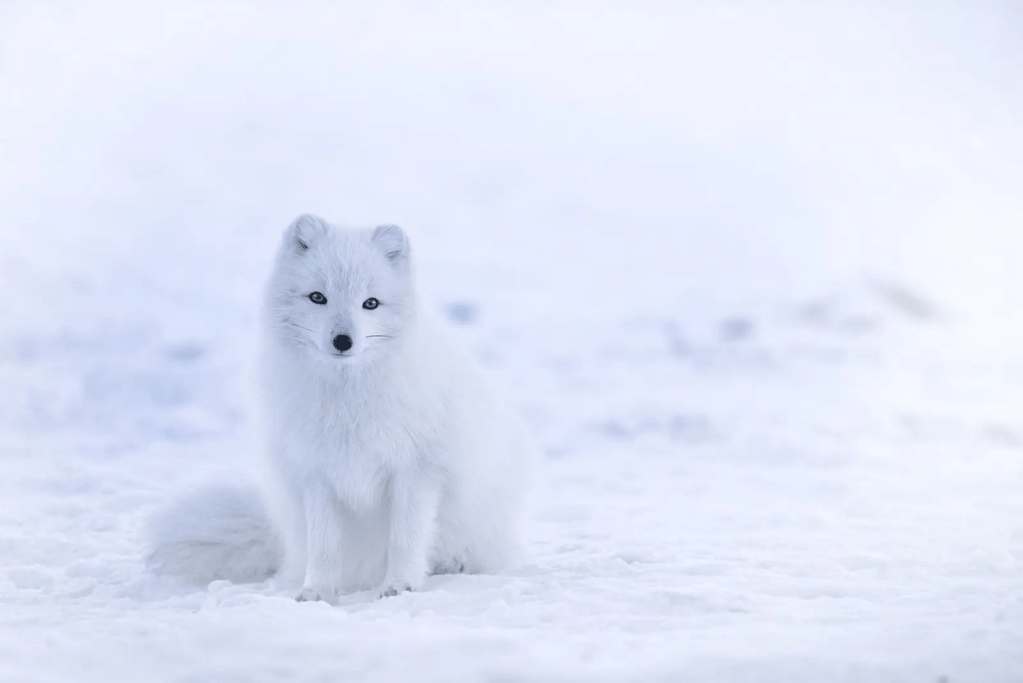
- Arctic fox (Vulpes lagopus): In winter, their white fur blends with the snowy tundra, while in summer, their coat changes to brown or grey to match the rocks and vegetation.
- Cuttlefish: These marine animals use dynamic skin changes to match their surroundings almost instantaneously.
2. Mimicry: Deception at its Best
Mimicry involves one species evolving to resemble another. It’s often used either to avoid predators or to lure prey.
- Types of Mimicry:
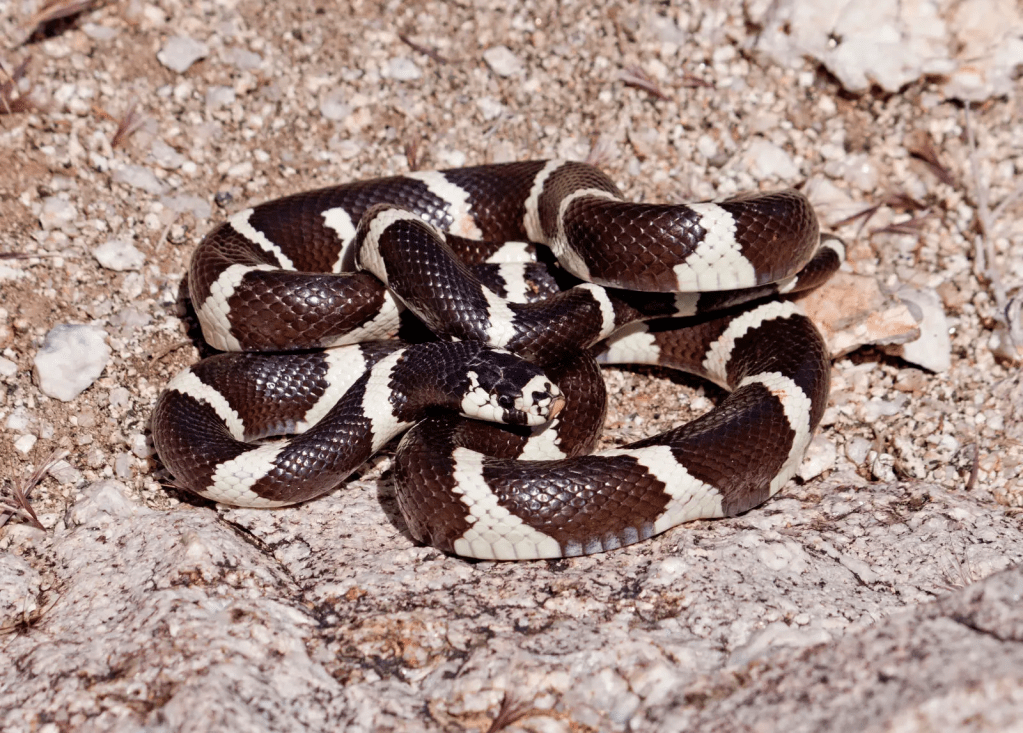
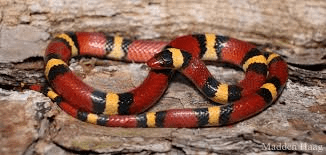
- Batesian mimicry: Harmless species imitate harmful ones. For example, the harmless king snake mimics the coloration of the venomous coral snake.
- Müllerian mimicry: Two or more harmful species evolve similar appearances, reinforcing predator avoidance. Poison dart frogs, with their bright colors, are a prime example.
- Aggressive mimicry: Predators imitate harmless or beneficial species to lure prey, like anglerfish using a lure to attract smaller fish.
3. Chemical Warfare: Nature’s Potent Arsenal
Chemical defences are widespread in the animal kingdom, from venom to noxious sprays.
- Examples:
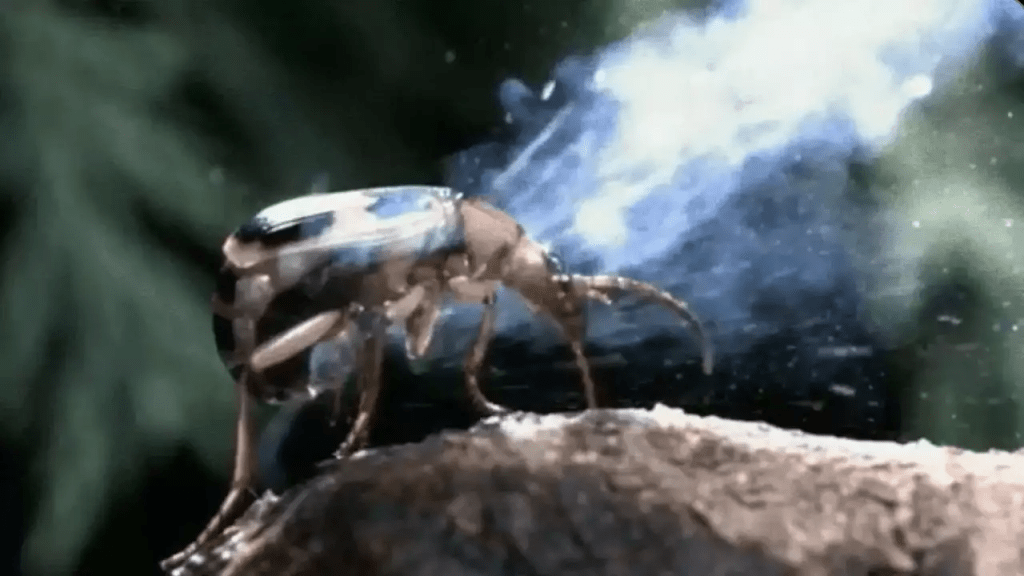
- Bombardier beetles (Brachinus spp.): These beetles eject a boiling-hot chemical spray from their abdomen to deter predators.
- Sea hares (Aplysia spp.): When threatened, these marine mollusks release a cloud of purple ink that confuses predators and masks their escape.
- Poison dart frogs: Their skin secretes potent toxins that can deter or kill predators.
4. Physical Armaments: Shields and Spines
Some animals rely on hard exteriors or sharp appendages to ward off attacks.
- Examples:
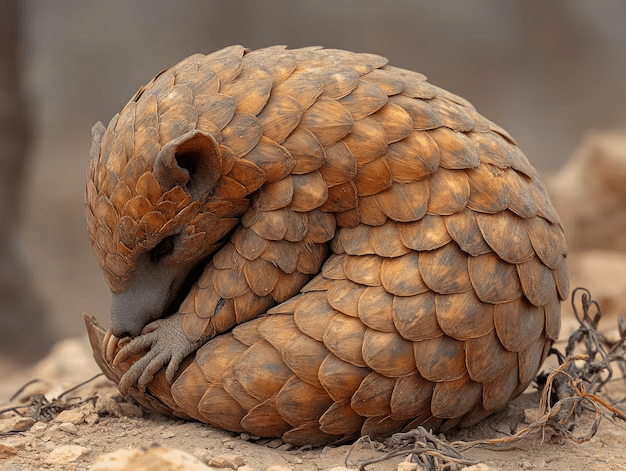
- Pangolins: These mammals curl into a tight ball, their tough, overlapping scales forming an impenetrable barrier.
- Porcupines: When threatened, they raise their sharp quills, which can embed in an attacker’s skin.
- Turtles: Their hard shells act as a natural fortress against predators.
5. Behavioural Defences: Outwitting Predators
Animals also use a variety of behaviours to evade danger.
- Feigning death: The opossum, for instance, “plays dead” when cornered, a tactic that often convinces predators to lose interest.
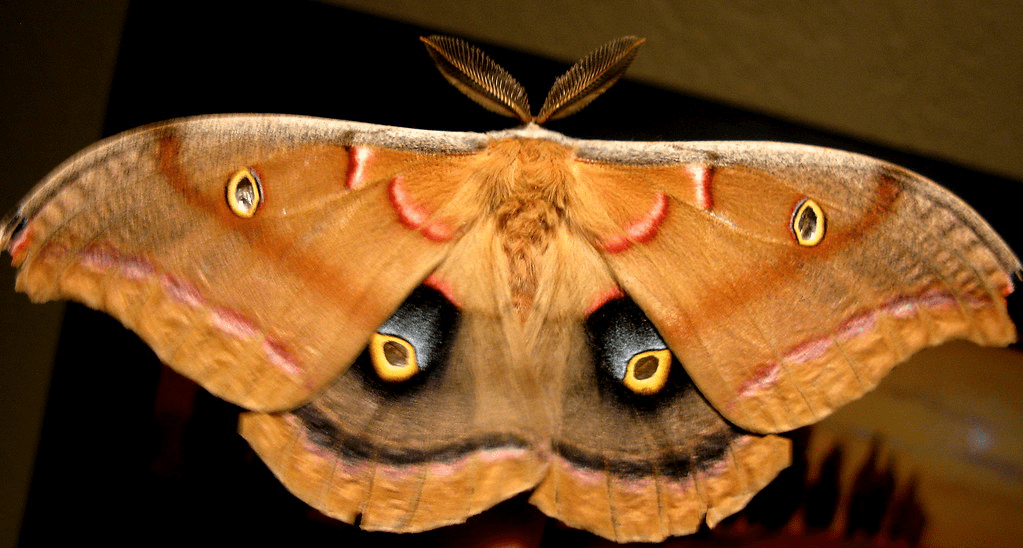
- Startle displays: Moths like the io moth reveal eye-like patterns on their wings to startle predators.
- Distraction displays: Birds like the killdeer feign injury to lure predators away from their nests.
6. Group Defense: Strength in Numbers
Living in groups provides animals with collective security.
- Examples:
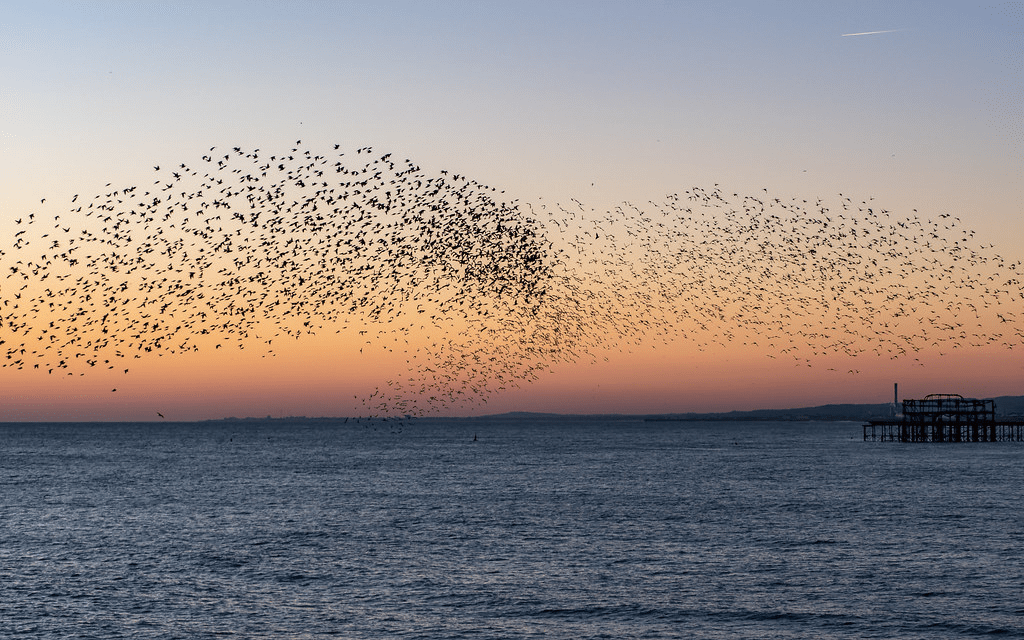
- Murmurations of starlings: These coordinated, swirling flocks confuse predators.
- Meerkat sentinels: In meerkat colonies, one individual always stands guard to warn others of danger.
- Bees: They swarm intruders, sometimes sacrificing themselves to protect the hive.
7. Escape Tactics: Speed and Agility
Sometimes the best defense is a good escape. Many animals rely on speed and unpredictable movements to evade predators.
- Examples:
- Gazelles: Known for their incredible speed and agility, they can outrun most predators.
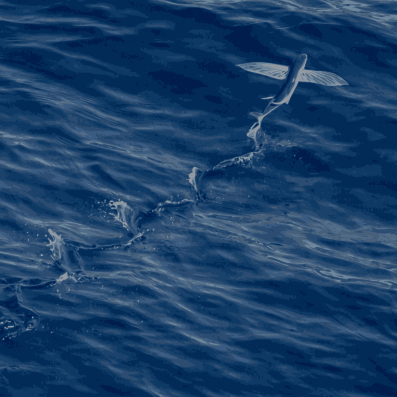
- Flying fish: These fish leap out of the water and glide through the air to escape aquatic predators.
- Hares: Their zigzag running patterns make them harder for predators to catch.
Conclusion
The defense mechanisms of animals are as diverse as the habitats they occupy. From camouflage and mimicry to chemical warfare and collective behaviour, these strategies highlight the extraordinary lengths to which life has adapted to survive. Next time you spot a gecko on a tree or marvel at a murmuration of starlings, remember the incredible evolutionary story behind these acts of survival.


 Decoding Biosphere