
The sky is like a giant canvas painted with beautiful colors. Have you ever wondered why the sky is blue during the day and turns orange or red during sunrise and sunset? The answer lies in a fascinating mix of science, nature, and light.
Why Is the Sky Blue?
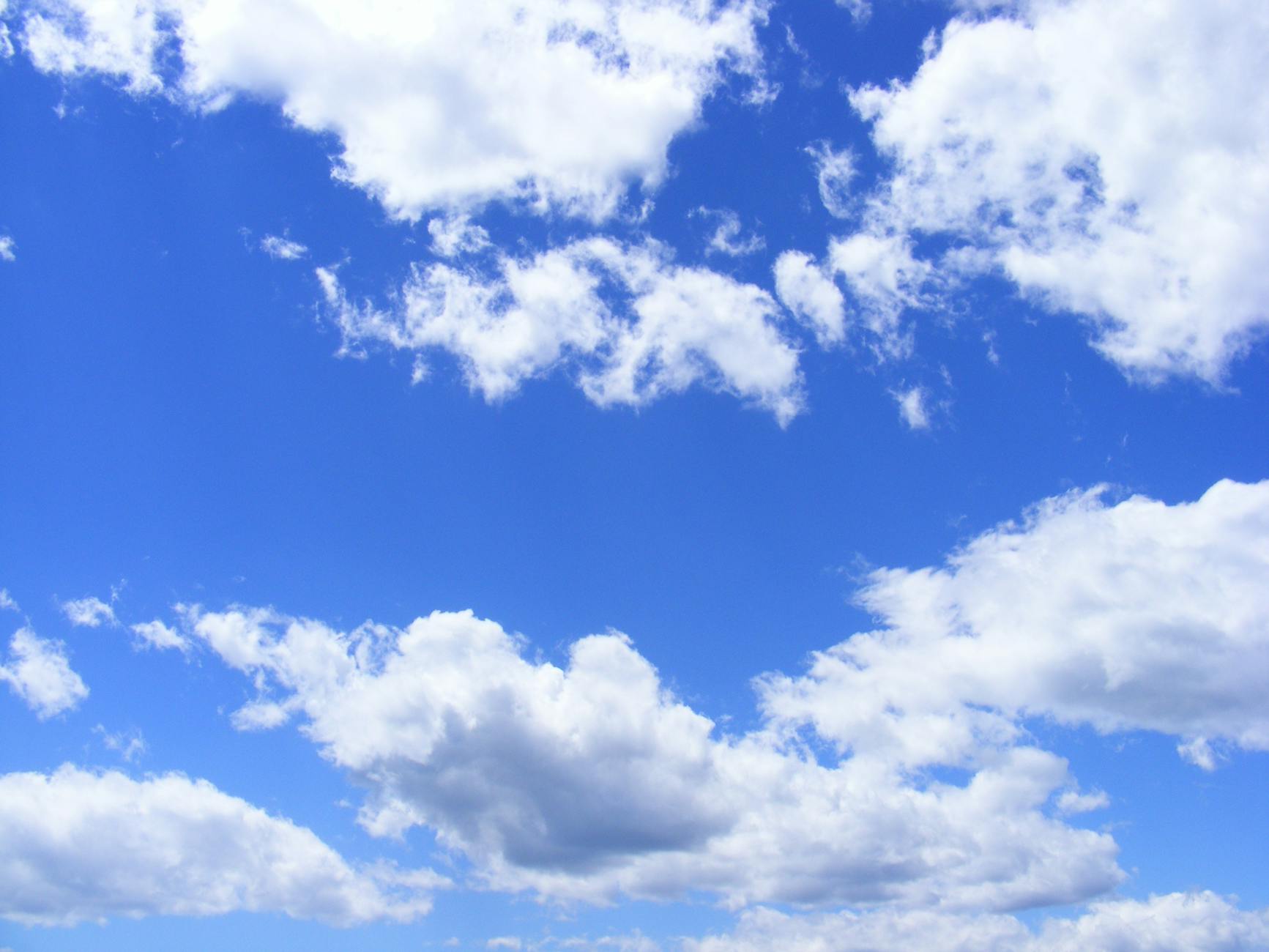
The sky appears blue because of a process called Rayleigh scattering. Sunlight, which looks white to our eyes, is actually made up of all the colors of the rainbow. When sunlight enters Earth’s atmosphere, it bumps into tiny particles of air, dust, and water. These particles scatter the light in all directions.
However, not all colors of light are scattered equally. Blue light has a shorter wavelength than red or orange light, so it is scattered more. This is why, when we look up during the day, the sky looks blue almost everywhere.
What Happens During Sunrise and Sunset?
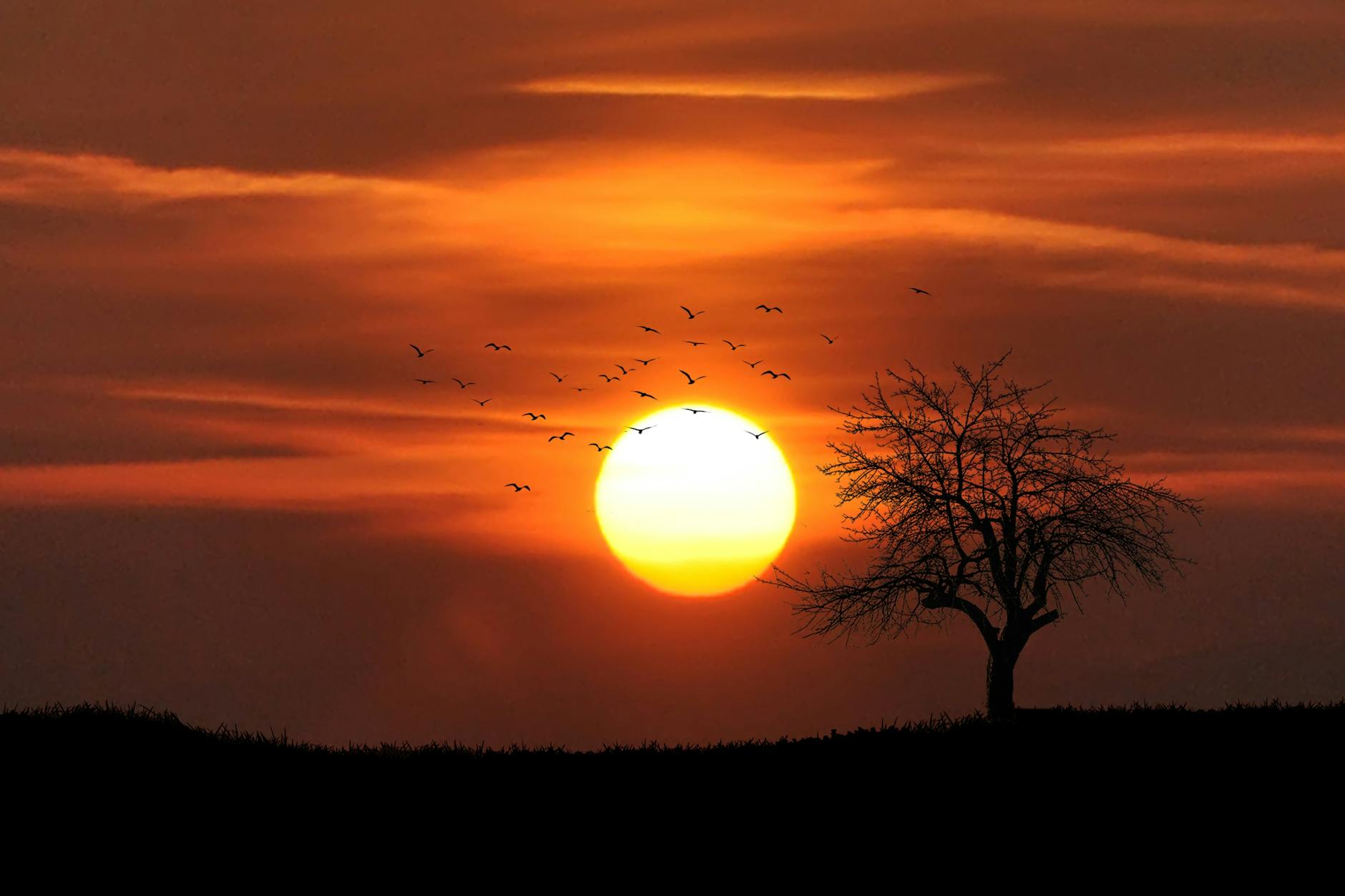
At sunrise and sunset, the sky changes dramatically. It turns shades of orange, red, pink, and even purple. This happens because the sun is lower in the sky, and its light has to travel through more of Earth’s atmosphere to reach our eyes.
As the sunlight passes through this thicker layer of atmosphere, most of the blue and green light gets scattered away. The longer wavelengths of orange and red light, however, are scattered less and can travel directly to our eyes. This is why the sky glows in warm, fiery colors during these times.
Why Do Some Sunsets Look More Vibrant?
Not all sunsets are the same. Sometimes, the sky is filled with vivid reds and deep oranges, while other times it looks pale. The intensity of a sunset depends on the amount of dust, pollution, or moisture in the air. For example:
- Clear skies: Sunsets are usually softer and less colorful because there are fewer particles to scatter the light.
- Dusty or smoky skies: Sunsets can appear more vibrant because the extra particles enhance the scattering of red and orange light.
- Pollution: While it can create colorful sunsets, pollution is harmful to the environment and our health.
The Science Behind Purple and Pink Skies
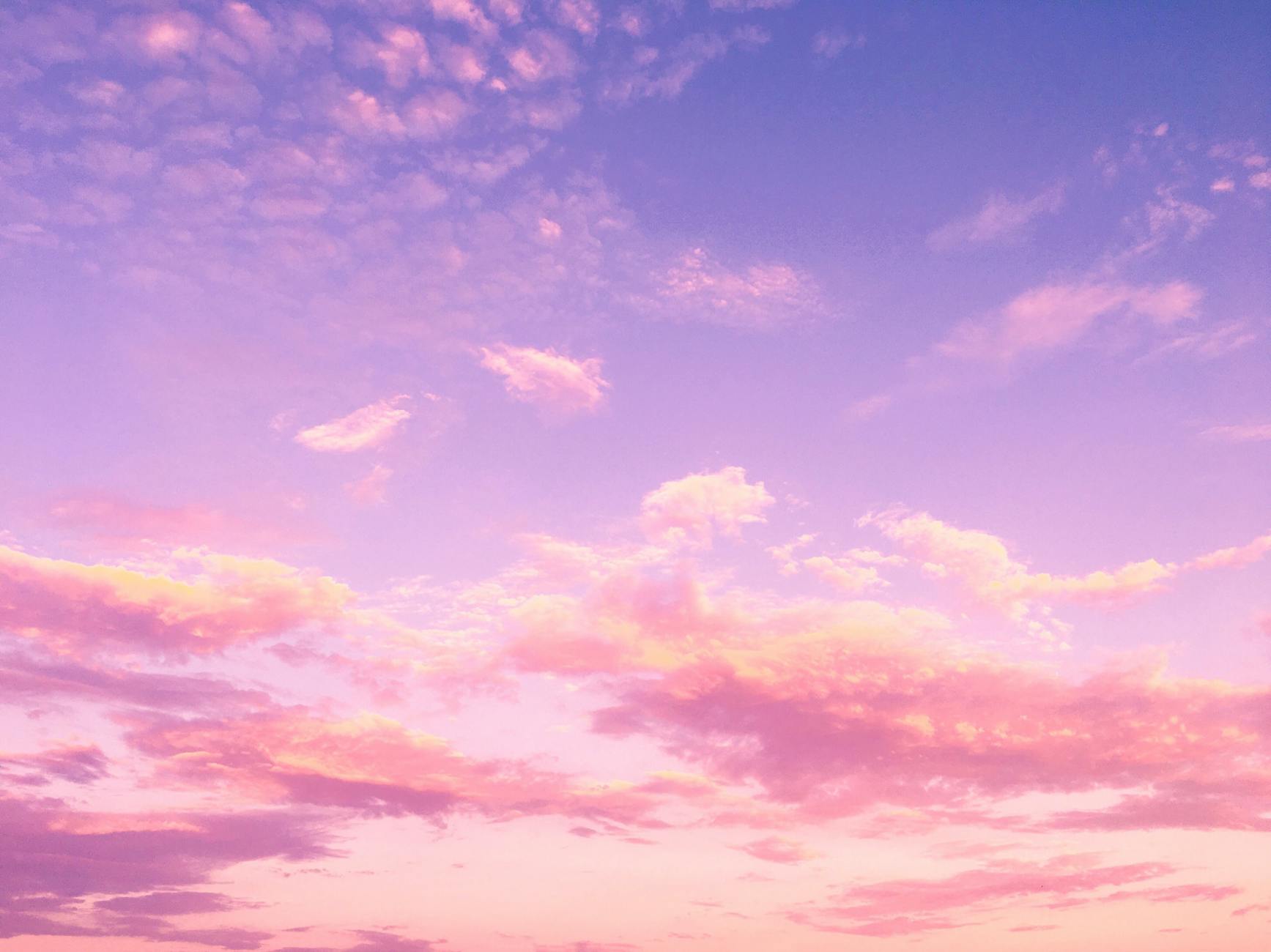
Sometimes, the sky surprises us with hues of pink or purple. These colors appear when sunlight interacts with specific types of particles or clouds. High-altitude clouds, like cirrus clouds, can reflect sunlight and create pastel shades. Additionally, after a storm, the clean air and remaining water droplets can scatter light in unique ways, leading to magical skies.
The Science Behind Pink Clouds in the Sky
Why Does Light Scatter?
To understand light scattering, imagine tossing a handful of pebbles into a calm lake. The ripples spread out in all directions. Similarly, when sunlight hits particles in the atmosphere, it “ripples” or scatters. Shorter wavelengths like blue are scattered more because they “fit” better between the particles, while longer wavelengths like red pass through more easily.
Can You See Sky Colors on Other Planets?
Yes! On Mars, for example, the sky often appears pink or reddish due to the planet’s dusty atmosphere. Unlike Earth, where blue dominates, the Martian atmosphere has fine dust particles that scatter red light more effectively. This shows how the composition of an atmosphere affects sky colors.
The Importance of Sky Colors
Sky colors do more than just look pretty. They tell us about the health of our atmosphere and can indicate changes in weather or pollution levels. Vibrant sunsets might signal a clear day ahead, while dull colors could mean cloudy weather or high pollution levels.
Fun Fact: Why Is the Ocean Blue?
You might think the ocean is blue for the same reason the sky is, but that’s not entirely true. The ocean appears blue because water absorbs colors like red, orange, and yellow more than blue. Blue light is scattered back to our eyes, making the ocean look blue.
How You Can Enjoy and Protect the Sky
- Enjoy the view: Take time to watch the sunrise or sunset. It’s a great way to connect with nature.
- Reduce pollution: By driving less, using clean energy, and planting trees, we can help keep our skies clear and beautiful.
- Learn more: Sky colors are just one piece of the puzzle. There’s so much more to explore about our atmosphere and how it works.
The colors of the sky are a beautiful gift from nature, created by the interaction of sunlight and Earth’s atmosphere. From the bright blue of midday to the warm hues of sunset, these colors remind us of the power and beauty of the natural world. So next time you look up, take a moment to appreciate the science and wonder behind the sky’s ever-changing palette.


 Decoding Biosphere