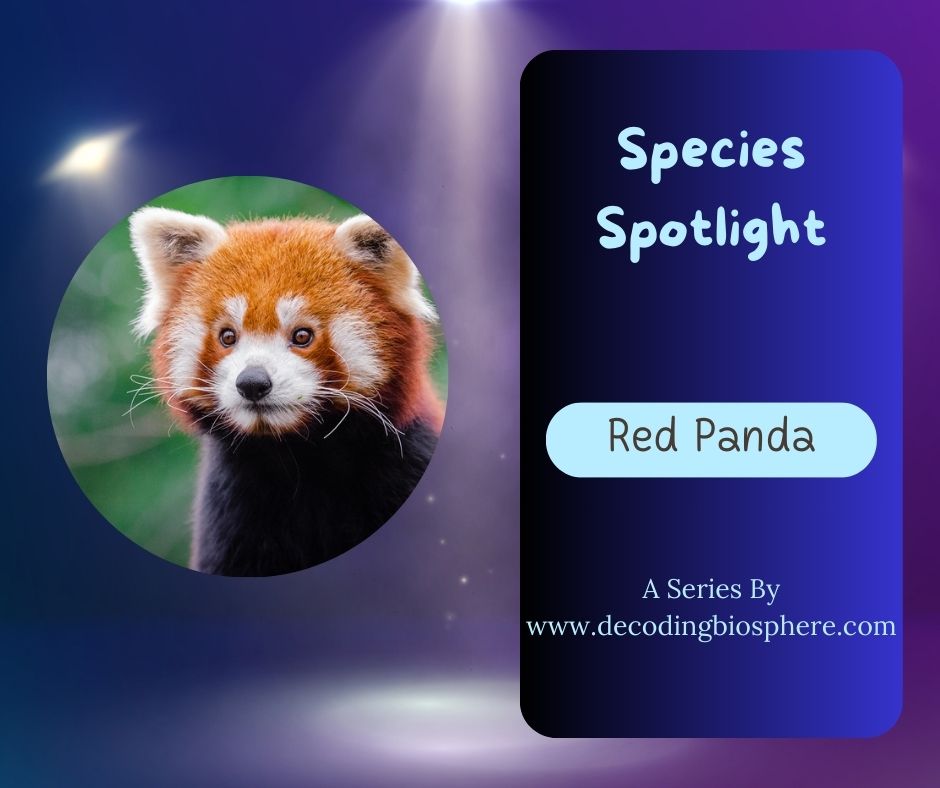
High in the Himalayas, where the mountain peaks meet the clouds, a small, agile creature moves through the dense foliage, blending with the red-tinted leaves around it. Often mistaken for a fox at first glance, this is no ordinary animal but the elusive Red Panda, a rare gem in the wilderness and a species with a unique story to tell. Known for its rich auburn fur, expressive face, and gentle nature, the Red Panda captivates the imagination and sparks curiosity. In this feature, we explore everything from its distinct characteristics and habitat to the conservation challenges it faces today.
The Unique Identity of the Red Panda
Despite its name, the Red Panda (scientific name: Ailurus fulgens, meaning “shining cat”) is not closely related to the giant black-and-white panda we’re more familiar with. The Red Panda belongs to its own family, Ailuridae, and shares genetic traits with raccoons, weasels, and even skunks, creating an interesting puzzle for taxonomists. The Red Panda has also gone by many names, including the “fire fox,” a nod to its flame-colored fur.
With an appearance that seems straight out of a storybook, Red Pandas have round, expressive faces, perky ears, and thick, plush fur. Their fur isn’t just for show—it helps keep them warm in their cold, mountainous homes. Their bushy, striped tails also serve as blankets, wrapping around them to conserve warmth while they sleep. With semi-retractable claws and strong, curved claws, Red Pandas are adept climbers, spending much of their time in the trees where they’re safe from ground-based predators.
Where They Call Home: The Bamboo Forests of Asia
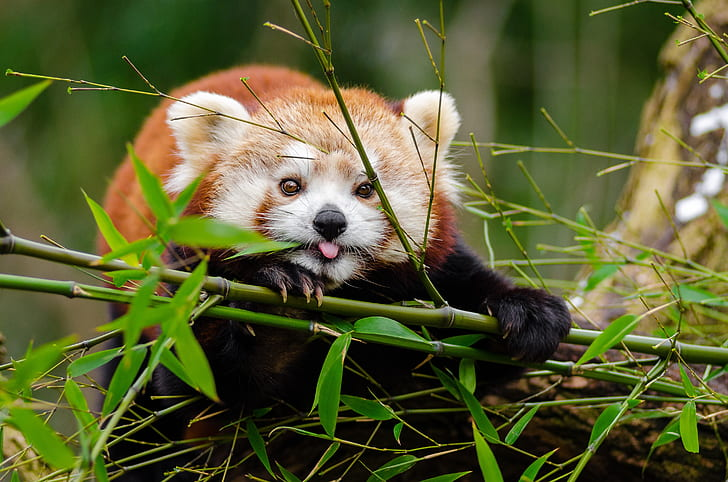
The Red Panda inhabits the mountainous forests of the Eastern Himalayas, spanning countries like Nepal, Bhutan, Myanmar, and parts of China. These forests, rich in bamboo, offer the perfect shelter and food source for Red Pandas. They thrive at elevations between 2,200 and 4,800 meters, where the temperature is cooler, and the forests are thick enough to provide ample cover.
Bamboo is a major part of their diet, constituting up to 90% of their meals. Although they are classified as carnivores due to their ancestry, Red Pandas have evolved into bamboo specialists. They munch on bamboo leaves and shoots, although they sometimes supplement their diet with berries, flowers, and small insects. Because bamboo lacks high nutritional value, Red Pandas have a slow metabolism and spend much of their day resting to conserve energy.
Adapted for Survival
Red Pandas have several adaptations that help them survive in their rugged habitats:
- A False Thumb: Like Giant Pandas, Red Pandas have a modified wrist bone that acts as a “thumb,” helping them grasp bamboo while feeding.
- Efficient Digestive System: Although their primary diet is bamboo, Red Pandas are not strictly herbivorous. Their digestive system allows them to consume fruits, berries, and even small mammals or bird eggs when bamboo is scarce.
- Solitary and Crepuscular: Red Pandas are mostly solitary animals, coming together only during the mating season. They are also crepuscular, meaning they are most active at dawn and dusk, which helps them avoid the midday heat and remain under the cover of darkness.
A Day in the Life of a Red Panda
A typical day for a Red Panda revolves around three main activities: sleeping, eating, and grooming. They spend up to 13 hours daily eating and resting the remainder of the time. With a meticulous grooming habit, Red Pandas use their front paws to wash their faces and clean their fur after meals, resembling a cat’s self-care routine.
Red Pandas are also known for their complex vocalizations. From a high-pitched “huff-quack” (which sounds like a mix of a duck quack and a dog bark) to gentle whistles, these sounds are often heard during mating season or when they feel threatened. If all else fails, Red Pandas will stand on their hind legs to appear larger, showcasing their fierce yet adorable side.
The Red Panda’s Role in the Ecosystem
Red Pandas play a critical role in their ecosystem. As natural foragers of bamboo, they help keep bamboo forests healthy, which in turn supports a variety of species dependent on these forests for survival. Additionally, they disperse seeds and encourage the growth of flora, creating an intricate balance within their habitats. Red Pandas are also an indicator species, meaning their health reflects the health of their environment. A thriving Red Panda population often signals a healthy ecosystem.
Threats to the Red Panda
Despite their charm and ecological importance, Red Pandas face numerous threats that have led to their status as an endangered species. The most significant threats include:
- Habitat Loss and Fragmentation: Deforestation for agriculture, livestock grazing, and human settlement have led to a severe reduction in Red Panda habitat. As forests are fragmented, Red Pandas find it increasingly challenging to access food sources and breeding grounds.
- Poaching and Illegal Pet Trade: Although Red Pandas are protected by law in many countries, they are often poached for their fur, and illegal trade remains a significant issue. Their adorable appearance has also made them targets for the exotic pet trade.
- Climate Change: Rising temperatures and shifting weather patterns threaten the bamboo forests that Red Pandas rely on for sustenance. With fewer bamboo resources, Red Pandas are forced to compete with other wildlife, putting additional stress on the population.
- Inbreeding and Low Genetic Diversity: In small populations, inbreeding can become a problem, reducing genetic diversity and making the species more susceptible to disease.
Conservation Efforts and How You Can Help
Various organizations, like the Red Panda Network, the World Wildlife Fund, and regional conservation programs, are working to protect and restore Red Panda habitats. Efforts include setting up protected areas, restoring forests, and educating local communities on the importance of Red Pandas. Wildlife corridors are also being established to allow safe passage for Red Pandas between fragmented habitats, which can help reduce inbreeding.
Here’s how you can help contribute to Red Panda conservation:
- Adopt a Red Panda: Many wildlife organizations offer adoption programs, allowing you to sponsor a Red Panda and support conservation efforts.
- Raise Awareness: Sharing information about Red Pandas and their endangered status can help bring attention to the challenges they face.
- Choose Eco-Friendly Products: By reducing your carbon footprint, you indirectly help combat climate change, a major threat to Red Panda habitats.
Fun Facts About Red Pandas
- Not a True Panda: Despite the name, Red Pandas are more closely related to raccoons and skunks than to the Giant Panda.
- Built-in Snow Boots: Their thick, fur-covered paws help them walk comfortably on snowy surfaces.
- Highly Territorial: Red Pandas mark their territory using scent glands located at the base of their tails.
- Sleep Positions: They often sleep curled up like a ball in the colder months, but in warmer weather, they may sprawl out on tree branches.
The Red Panda remains a symbol of balance in the delicate ecosystem of the Himalayas, a gentle guardian of the forest with a story that deserves to be told and remembered. The more we understand these fascinating animals, the more we can appreciate and protect the diversity of life that makes our world extraordinary.


 Decoding Biosphere