
The animal kingdom is full of fascinating creatures, each with unique adaptations and behaviors. One of the most captivating among them is the tarsier. These small primates, native to Southeast Asia, possess remarkable features and play an essential role in their ecosystems. In this article, we will delve into the world of tarsiers, exploring their physical characteristics, behavior, habitat, diet, conservation status, and the cultural significance they hold.
What is a Tarsier?
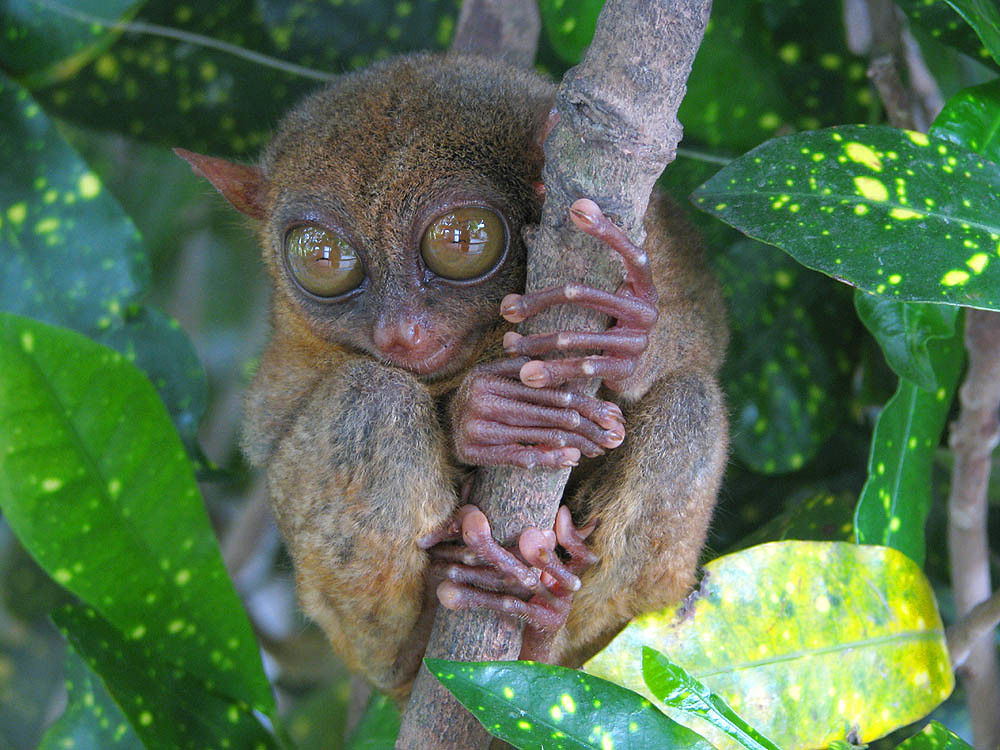
Tarsiers are small primates belonging to the family Tarsiidae. There are about 13 species of tarsiers, each with its own unique traits, but all share common features that make them easily recognizable. They are primarily found in the forests of Southeast Asia, including the Philippines, Borneo, and Sumatra. The name “tarsier” comes from their elongated ankle bones, called tarsi, which help them leap between branches.
Physical Features
Tarsiers are notable for their distinct physical appearance. Here are some key features:
1. Big Eyes
One of the most striking features of tarsiers is their large eyes. These eyes are proportionally the largest of any mammal, allowing them to see well in low-light conditions. Tarsiers are nocturnal, meaning they are active at night, and their big eyes help them spot prey and navigate their surroundings in the dark. Interestingly, their eyes cannot move in their sockets, so they have the ability to rotate their heads nearly 180 degrees to look around.
2. Small Size
Tarsiers are relatively small primates, typically measuring between 4 to 6 inches in body length. They weigh around 3.5 to 5.5 ounces, making them one of the smallest primate species. Their tiny size allows them to move quickly through the trees and evade predators.
3. Unique Limbs
Tarsiers have long fingers and toes, which are specially adapted for climbing and grasping branches. Their hands have a unique configuration that includes an opposable thumb, allowing them to hold onto tree trunks and branches securely. Their feet also have a special adaptation: a large, elongated tarsal bone that aids in their impressive jumping ability.
4. Fur and Coloration
Tarsiers have soft, dense fur that helps them stay warm and camouflaged in their forest environments. Their fur is typically a mix of brown, gray, and reddish hues, allowing them to blend seamlessly with their surroundings. This camouflage is crucial for avoiding predators and sneaking up on prey.
Habitat
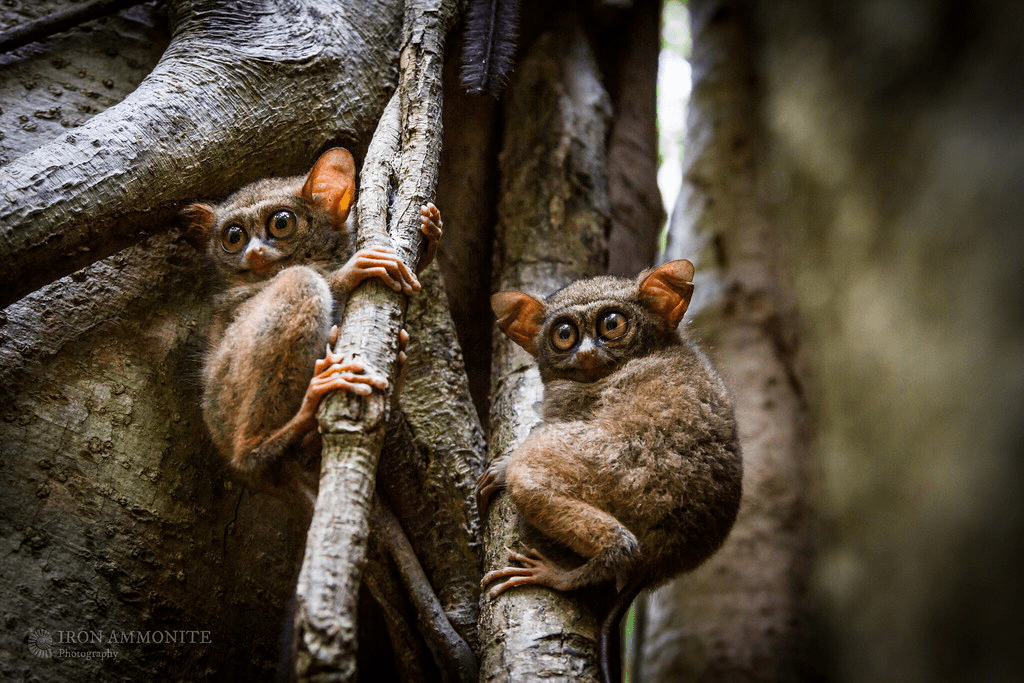
Tarsiers thrive in various types of habitats, including tropical rainforests, secondary forests, and even mangroves. They prefer areas with dense vegetation that provide plenty of cover and opportunities for climbing. These primates are arboreal, spending most of their time in trees, where they can find food and evade ground-based predators.
The loss of their natural habitats due to deforestation and urbanization poses a significant threat to tarsiers. They rely on the trees for food, shelter, and safety, making habitat preservation crucial for their survival.
Behavior
1. Nocturnal Lifestyle
As nocturnal animals, tarsiers are primarily active at night. They use their exceptional eyesight and hearing to navigate in the dark. Their large ears can swivel independently, allowing them to pinpoint sounds, which is essential for hunting insects and avoiding predators.
2. Social Structure
Tarsiers can be solitary or live in small family groups. They often establish territories that they mark with scent. While they may not be as social as some other primates, tarsiers do communicate with one another through vocalizations and body language.
3. Hunting and Diet
Tarsiers are carnivorous and primarily feed on insects, such as crickets and grasshoppers. They are also known to consume small vertebrates, including birds, lizards, and even other small mammals. Their hunting technique involves sitting silently on a branch and waiting for prey to come close before making a quick leap to catch it. This method relies on their agility and speed, which are crucial for their survival.
Reproduction and Life Cycle
Tarsiers have a relatively low reproductive rate. After a gestation period of about six months, a female tarsier typically gives birth to a single infant. The baby tarsier is born fully furred and with its eyes open, ready to cling to its mother’s back. The mother provides care and protection for her young until they are old enough to fend for themselves.
Tarsiers reach sexual maturity at around 6 to 12 months, but they often remain with their mothers for several months before becoming independent.
Conservation Status
Unfortunately, tarsiers are facing significant threats that endanger their populations. Habitat loss due to logging, agricultural expansion, and urbanization is one of the most pressing issues. As forests are cleared, tarsiers lose their homes and sources of food. Additionally, hunting and the illegal pet trade pose risks to their survival.
The International Union for Conservation of Nature (IUCN) lists several species of tarsiers as vulnerable or endangered. Conservation efforts are crucial to protect these unique primates and their habitats. This includes establishing protected areas, raising awareness about the importance of tarsiers, and promoting sustainable land use practices.
Cultural Significance
In some cultures, tarsiers hold special significance. They are often featured in local folklore and traditions. For example, in the Philippines, the tarsier is considered a national treasure and is featured in various art and cultural expressions. Efforts to protect their populations are also seen as a way to preserve cultural heritage.
Interesting Facts about Tarsiers
- Jumping Ability: Tarsiers can leap distances of up to 10 feet, making them one of the best jumpers among primates.
- Unique Vocalizations: Tarsiers communicate using a range of vocalizations, including high-pitched calls that can be heard at night.
- Longevity: In the wild, tarsiers can live up to 12 years, while those in captivity may live longer with proper care.
Conclusion
Tarsiers are remarkable creatures with unique adaptations that allow them to thrive in their forest habitats. Their large eyes, agile bodies, and nocturnal lifestyle make them fascinating subjects for study. However, the threats they face due to habitat loss and hunting highlight the urgent need for conservation efforts.
In this Species Spotlight series, we have learned about the tarsier’s physical features, behavior, habitat, and the challenges they face. These little primates remind us of the beauty and diversity of life on Earth and the importance of preserving it. Stay tuned for our next article, where we will spotlight another incredible species!



 Decoding Biosphere