
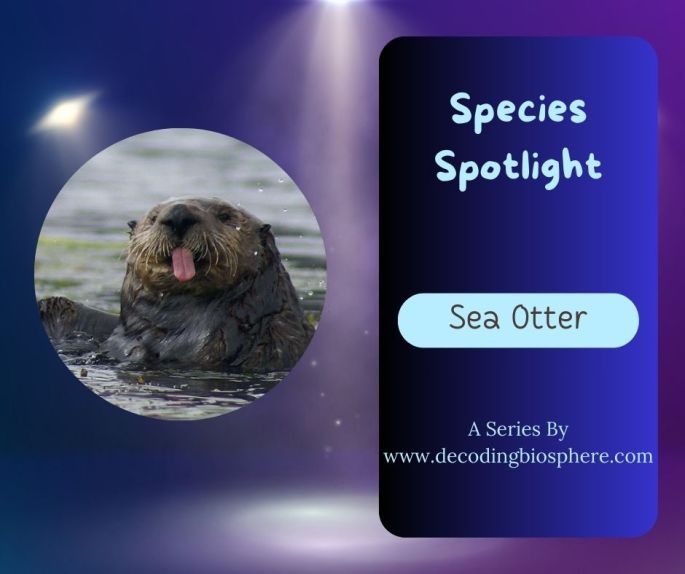
Sea otters may look cute and cuddly, but these remarkable animals play a vital role in maintaining the health of our oceans. As you learn more about these furry marine mammals, you’ll see why they are known as ocean protectors, helping to keep ecosystems in balance.
Who are Sea Otters?
Sea otters are small marine mammals found along the coasts of the northern and eastern North Pacific Ocean. They are members of the weasel family and are known for their thick fur, which helps keep them warm in cold waters. Sea otters are excellent swimmers and spend most of their time in the water, floating on their backs, diving for food, and playing in the waves.
The Importance of Sea Otters
While sea otters are fascinating to watch, their true importance lies in their role as “keystone species.” A keystone species is one that has a large impact on its environment and helps keep everything in balance. Without sea otters, entire ecosystems can be thrown out of order.
Sea otters help maintain the health of kelp forests, which are underwater ecosystems similar to a forest on land. These kelp forests provide shelter and food for a variety of marine species. Sea otters control the population of sea urchins, which, if left unchecked, can overgraze and destroy kelp forests. By keeping the sea urchin population in check, sea otters ensure that kelp forests thrive, benefiting a wide range of marine life.
Why Are Sea Otters Endangered?
Despite their crucial role in the ecosystem, sea otters are considered endangered. Their populations have drastically declined due to several factors:
- Hunting for Fur: Sea otters were heavily hunted for their fur in the 18th and 19th centuries. Their thick fur, which is the densest of any animal, was highly prized. This hunting reduced their population to near extinction.
- Oil Spills: Sea otters rely on their fur to stay warm, as they do not have a thick layer of blubber like other marine mammals. Oil spills can damage their fur, leaving them vulnerable to the cold and causing hypothermia. The Exxon Valdez oil spill in 1989 severely impacted sea otter populations in Alaska.
- Pollution and Habitat Loss: As human activities continue to pollute the oceans and degrade coastal habitats, sea otters are losing their homes. Chemicals in the water and discarded fishing gear can harm or even kill sea otters.
- Shark Predation: In some areas, sea otters face increased predation from sharks, which has contributed to a decline in their numbers.
What Do Sea Otters Eat?
Sea otters are known for their diverse diet. They mainly eat marine invertebrates like clams, mussels, crabs, and sea urchins. In fact, sea otters are one of the few animals that use tools! They often carry a rock with them to crack open the hard shells of their prey.
Fun Fact: Sea Otters Hold Hands!
One of the most adorable behaviors of sea otters is their tendency to hold hands, or more accurately, “paw to paw,” while resting in the water. This is called “rafting,” and it helps prevent them from drifting apart. Sea otters can form large groups, called rafts, which can include hundreds of otters!
How You Can Help Sea Otters
Although sea otters face many challenges, there are ways we can help protect these important marine animals:
- Support Conservation Efforts: Organizations that work to protect sea otters and their habitats, such as the Monterey Bay Aquarium, are always looking for support. Donations, volunteering, or simply spreading awareness can make a difference.
- Reduce Plastic Use: One of the biggest threats to sea otters is ocean pollution. By reducing plastic use and properly disposing of waste, we can help keep their habitats clean.
- Be Mindful of Ocean-Friendly Products: Use environmentally safe products, especially when near the ocean. This helps prevent chemicals from entering marine ecosystems.
- Support Sustainable Fishing Practices: Unsustainable fishing can deplete the sea otters’ food supply. Supporting sustainable seafood choices can help maintain healthy marine ecosystems.
Conclusion
Sea otters are not just cute animals floating on their backs; they are vital to the health of our oceans. By controlling the sea urchin population and preserving kelp forests, they protect marine ecosystems that support a wide variety of species. However, sea otters face many challenges, from pollution to habitat loss. With a little effort, we can help ensure that these wonderful creatures continue to thrive for future generations to admire.
By learning about sea otters and their importance to our planet, we can all play a part in keeping the oceans healthy and balanced. Let’s protect our ocean’s guardians!


 Decoding Biosphere