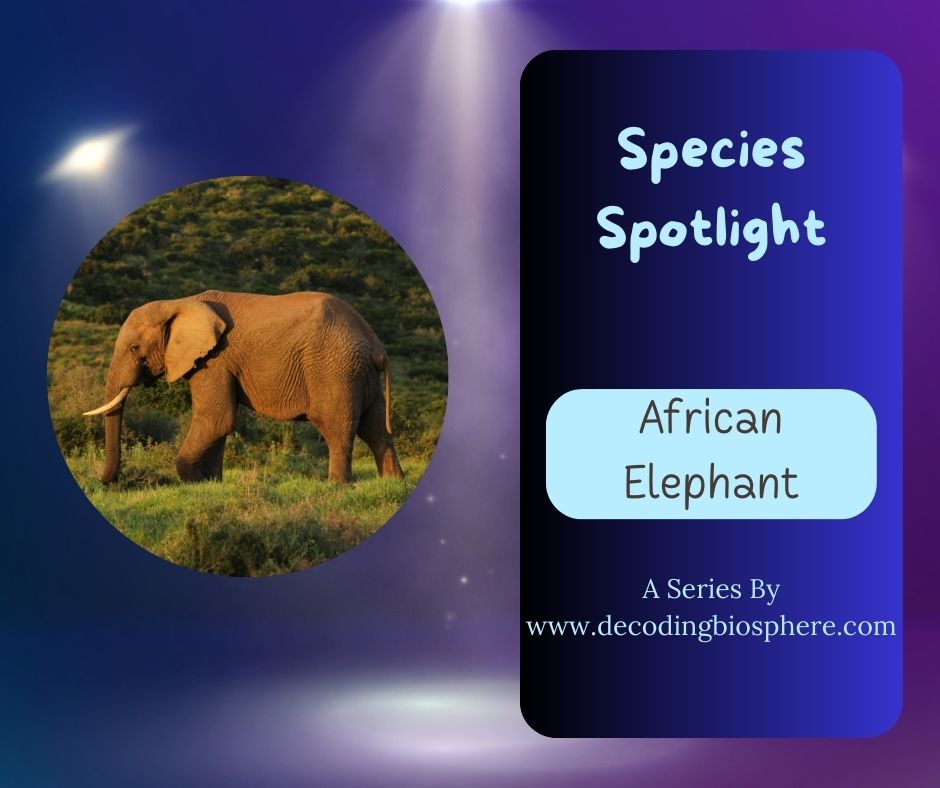
The African elephant, one of the largest and most majestic creatures on Earth, plays an indispensable role in maintaining the balance of its environment. These gentle giants are often referred to as “ecosystem engineers” because of their ability to shape and transform their habitat in ways that benefit countless other species. In this article, we’ll explore the unique characteristics of the African elephant, its vital role in the ecosystem, and the urgent need to protect it from the threats it faces.
What is an African Elephant?

The African elephant (Loxodonta africana) is the largest land mammal on the planet, with males standing up to 3.3 meters tall and weighing up to 6,000 kg. There are two species of African elephants: the savanna elephant and the forest elephant. Savanna elephants are larger and roam the grasslands of sub-Saharan Africa, while forest elephants are smaller and inhabit the dense rainforests of Central and West Africa.
African elephants are known for their long, curved tusks, which are actually elongated incisors. Both males and females have tusks, though they are more prominent in males. These tusks, along with their massive trunks – a fusion of nose and upper lip – are key tools that elephants use to interact with their environment. The trunk, in particular, is a versatile organ, capable of lifting heavy objects, delicately picking leaves from trees, and even drinking up to 10 liters of water at a time.
The Role of an Ecosystem Engineer
African elephants are often referred to as ecosystem engineers because they physically shape their environment in ways that create habitats for other species. Their feeding habits, movement patterns, and sheer size enable them to alter landscapes in ways that no other animal can.
- Forest Openings: In dense forests, elephants create gaps by knocking over trees and trampling vegetation. This opens up space for new plant growth, which in turn attracts smaller herbivores, such as antelopes and rabbits. These forest clearings allow light to reach the forest floor, promoting biodiversity by encouraging the growth of plants that wouldn’t otherwise thrive in the shade.
- Seed Dispersers: Elephants have a unique diet that includes fruits, leaves, and bark. As they move through the landscape, they consume seeds, which pass through their digestive systems and are deposited elsewhere, often far from the parent plant. This process, known as seed dispersal, is essential for the reproduction of many plant species, particularly in savannas and forests. The seeds in elephant dung often germinate better, as they are encased in a natural fertilizer.
- Water Access: During the dry season, elephants dig into riverbeds and dry mudflats with their trunks and tusks to access underground water. These elephant-made watering holes become vital sources of water for other animals during droughts. Smaller animals, such as birds and small mammals, also benefit from the puddles and water holes elephants create.
- Grazing and Browsing: By feeding on a wide range of vegetation, from grasses to trees, elephants help maintain the structure of their habitat. In savannas, their grazing reduces the spread of woody plants, which can otherwise take over grasslands, making them less suitable for herbivores like zebras and antelopes. In forests, elephants’ browsing creates gaps that allow other plant species to grow, maintaining a healthy, diverse ecosystem.
Elephants and Biodiversity

The presence of African elephants in an ecosystem directly impacts the survival of other species. By creating new habitats and ensuring the health of plant communities, elephants support the survival of countless other animals. For example, the water holes they create during dry periods become lifelines for species such as lions, leopards, and hyenas, while the forest clearings they make serve as feeding grounds for various birds and insects.
Moreover, elephants play a crucial role in maintaining the balance between different plant species. Without elephants, certain plants might overgrow, crowding out other species and reducing biodiversity. In some areas where elephant populations have declined, the ecosystem has shifted dramatically, leading to the loss of plant and animal species that rely on the habitats elephants create.
Conservation Status: A Battle for Survival
Despite their importance, African elephants are facing numerous threats that have caused their populations to plummet. The International Union for Conservation of Nature (IUCN) lists African elephants as vulnerable, with certain populations being critically endangered. The primary threats include:
- Poaching: Elephants are often targeted by poachers for their ivory tusks, which are sold illegally in international markets. Despite global efforts to ban ivory trade, poaching remains a serious threat, with tens of thousands of elephants killed every year.
- Habitat Loss: As human populations grow, more land is converted for agriculture, infrastructure, and urban development. This encroachment into elephant habitats leads to fragmentation, making it harder for elephants to find food, water, and mates. In some areas, human-wildlife conflict has escalated as elephants wander into farmland, leading to retaliatory killings.
- Climate Change: Climate change is exacerbating the challenges faced by elephants. Droughts, in particular, are becoming more frequent and severe, reducing the availability of water and food. Elephants must travel longer distances to find resources, which increases their vulnerability to poaching and human conflict.
Conservation Efforts and How You Can Help
Numerous organizations are working to protect African elephants and their habitats, but much more needs to be done. Conservation efforts include anti-poaching patrols, habitat restoration, and the establishment of wildlife corridors to allow elephants to move safely between fragmented habitats.
Here are a few ways you can help support African elephant conservation:
- Support Elephant Sanctuaries – Many sanctuaries across Africa are dedicated to rescuing elephants from poachers and providing them with safe, natural environments. Donating to or volunteering with these organizations can make a big difference.
- Reduce Demand for Ivory – One of the most effective ways to combat poaching is by reducing the demand for ivory products. Avoid purchasing ivory or supporting companies that are linked to illegal wildlife trade.
- Promote Ecotourism – Visiting national parks and wildlife reserves where elephants live can generate income for local communities and conservation projects. Ecotourism supports the protection of wildlife and their habitats by providing an alternative source of revenue for local people.
- Raise Awareness – The more people know about the challenges facing elephants, the more they can do to help. Use social media, blogs, and other platforms to share information about the importance of protecting African elephants and their role in the ecosystem.
Conclusion
African elephants are more than just symbols of strength and grace; they are crucial to the health and stability of their ecosystems. As ecosystem engineers, they create habitats, disperse seeds, maintain water sources, and support biodiversity in ways that benefit countless other species. However, their future is uncertain, with poaching, habitat loss, and climate change posing significant threats.
Protecting African elephants is not only about saving a species; it’s about preserving the balance of entire ecosystems. By supporting conservation efforts, raising awareness, and promoting sustainable practices, we can help ensure that these magnificent creatures continue to roam Africa’s savannas and forests for generations to come.
The African elephant truly is a wonder of the natural world – and one that we must fight to protect.


 Decoding Biosphere