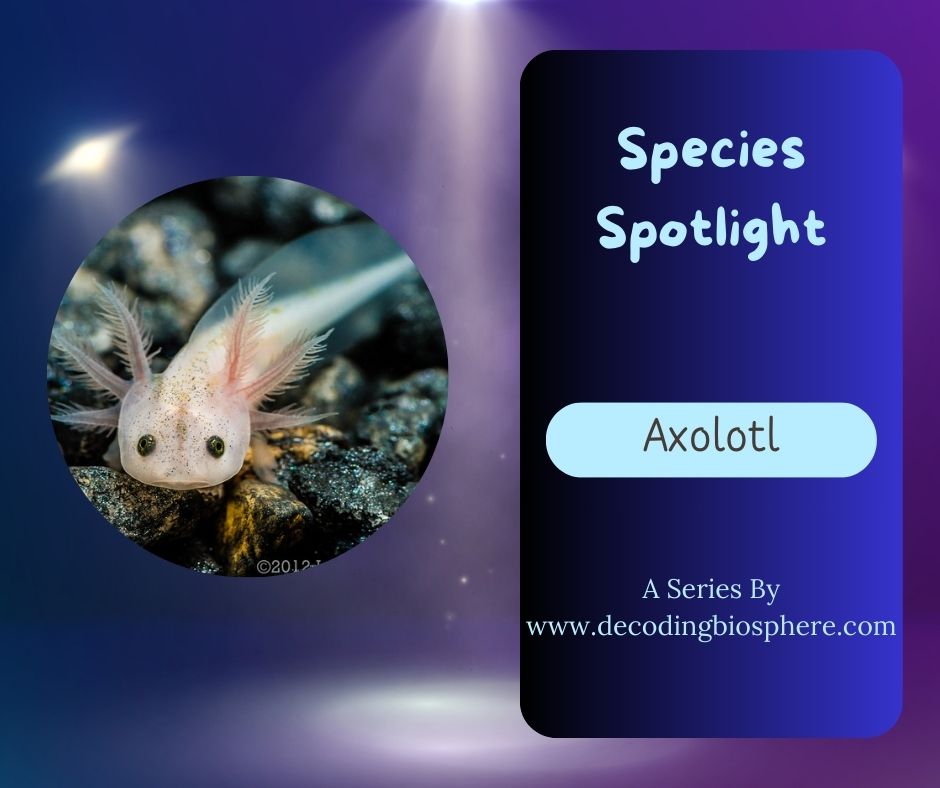
The animal kingdom is full of fascinating creatures, but few are as unique and mysterious as the axolotl. Also known as the Mexican walking fish, this amphibian stands out not just for its adorable, permanent “smile,” but for its incredible ability to regenerate entire body parts, making it one of nature’s true wonders. Let’s learn all about axolotl, exploring its extraordinary traits, its role in the ecosystem, and the challenges it faces today.
What is an Axolotl?
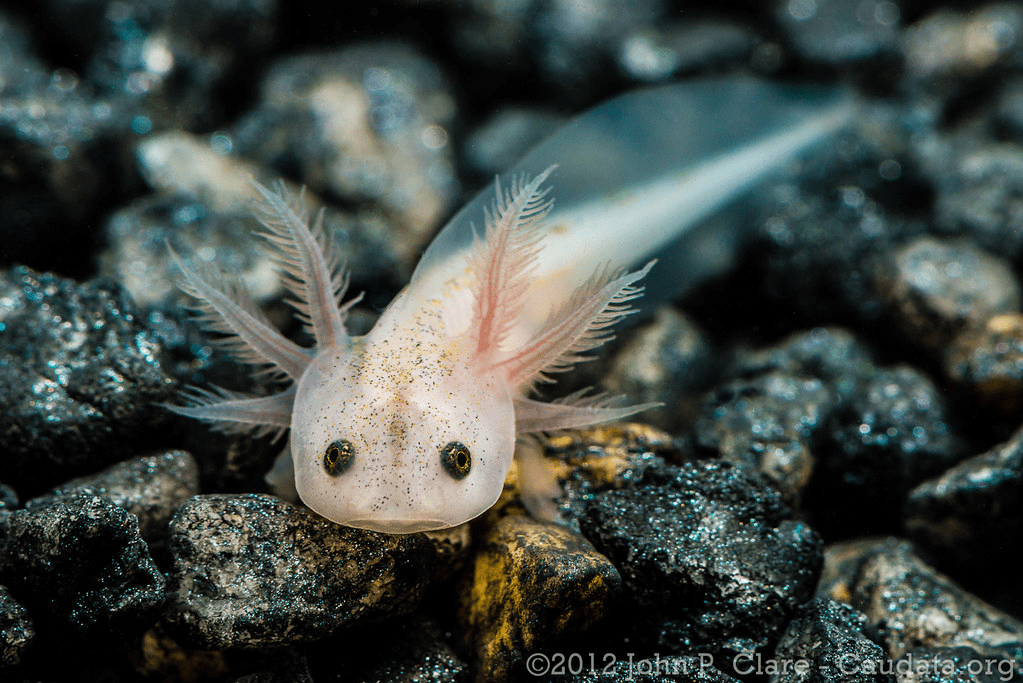
The axolotl (Ambystoma mexicanum) is a type of salamander that originates from lakes in Mexico, particularly Lake Xochimilco. What makes the axolotl different from most other salamanders is that it remains in its larval stage throughout its entire life – a condition called neoteny. This means that even as adults, axolotls retain features typically seen in juveniles, such as their external gills and aquatic lifestyle.
Unlike other amphibians that undergo metamorphosis, where they transition from water-dwelling larvae to land-dwelling adults, the axolotl stays underwater, using its gills to breathe. This characteristic, along with its friendly appearance and unique biology, has made the axolotl a favorite in research labs and among exotic pet enthusiasts.
The Regenerating Wonder
One of the most remarkable features of the axolotl is its regenerative ability. While many animals can regenerate small body parts like a lizard’s tail, the axolotl takes regeneration to a whole new level. If an axolotl loses a limb, it can completely regrow that limb, complete with bones, muscles, nerves, and even skin. But it doesn’t stop there – axolotls can regenerate parts of their heart, spinal cord, and even parts of their brain!
Scientists have been fascinated by this capability for decades and have been studying axolotls in the hopes of understanding how their regeneration works. The secret lies in the axolotl’s cells, which can revert to a more “primitive” state when an injury occurs. These cells then rebuild the missing tissue without leaving scars. This is a major reason why axolotls are used in medical research, particularly in studies that aim to unlock the potential for human tissue regeneration.
Ecological Role and Natural Habitat

In the wild, axolotls are found in the lake complex of Xochimilco, a series of canals and water bodies in Mexico City. These lakes were once home to many aquatic species, but due to urban development, pollution, and the introduction of invasive species, the axolotl’s natural habitat has shrunk considerably.
Axolotls play an important role in the ecosystem as both predators and prey. They help control insect populations by feeding on larvae, worms, and small fish. In turn, they provide a food source for larger predators, such as birds and fish. Unfortunately, the balance of their ecosystem has been severely disrupted in recent years, pushing axolotls closer to extinction in the wild.
Conservation Status: A Species in Peril
Despite their popularity in captivity, axolotls are critically endangered in the wild. The International Union for Conservation of Nature (IUCN) lists the axolotl as critically endangered, with the wild population continuing to decline. The loss of habitat is the biggest threat to axolotls. The lakes and canals where they live have been drastically reduced due to the expansion of Mexico City, agricultural development, and pollution. Additionally, invasive species such as tilapia and carp have been introduced to these waters, competing with axolotls for food and even preying on them.
Efforts are being made to conserve the axolotl in its natural habitat. Local organizations and researchers are working to restore parts of the Xochimilco wetlands and remove invasive species, but these efforts face many challenges. Conservationists are also looking at captive breeding programs as a way to increase the axolotl population, with the hope that some individuals can eventually be reintroduced into the wild.
Axolotl in Science and Medicine
Axolotls have been a staple in scientific research for over a century, largely due to their regenerative abilities. By studying how axolotls regrow limbs and organs, scientists hope to find new treatments for human conditions, such as spinal cord injuries, heart disease, and even cancer.
The axolotl’s ability to regenerate without scarring has huge implications for medicine. In humans, scar tissue often forms after an injury, limiting the body’s ability to fully repair itself. Understanding how the axolotl avoids this could lead to breakthroughs in wound healing and organ repair for humans. In fact, researchers are even exploring whether we can “activate” similar regenerative processes in humans by learning from the axolotl’s biology.
Axolotls in Popular Culture

Axolotls have captured the imagination of people worldwide. Their adorable appearance, with feathery external gills and a perpetual “smile,” has made them a beloved character in various media. Axolotls have been featured in video games like Minecraft, where they are seen as helpful aquatic creatures, and have become popular pets due to their unique looks and low maintenance.
However, owning an axolotl as a pet comes with responsibility. While they can thrive in aquariums, they require specific care, including proper water conditions and temperature. It’s also important to note that keeping wild-caught axolotls as pets can harm conservation efforts, so it’s always best to ensure they are sourced from responsible breeders.
How You Can Help
Although axolotls are critically endangered in the wild, there are steps we can take to help protect them:
- Support Conservation Efforts – Donating to organizations working to restore axolotl habitats in Mexico, such as those involved in the Xochimilco wetland restoration, can make a big difference.
- Spread Awareness – Educate others about the importance of protecting axolotls and their habitats. Sharing knowledge can inspire more people to get involved in conservation.
- Responsible Pet Ownership – If you’re interested in keeping an axolotl as a pet, make sure to get one from a reputable breeder. Avoid contributing to the capture of wild axolotls.
- Reduce Water Pollution – Pollutants from cities and farms make their way into natural water bodies, including the axolotl’s habitat. By reducing our own plastic use and supporting clean water initiatives, we can help preserve aquatic ecosystems.
Conclusion
The axolotl is much more than just a cute, smiling amphibian. It’s a symbol of resilience and a beacon of hope for scientific breakthroughs in human medicine. However, the axolotl’s future in the wild is uncertain due to habitat destruction, pollution, and invasive species. By supporting conservation efforts and spreading awareness, we can help protect this regenerating wonder and ensure its survival for future generations.
Let’s not lose one of nature’s most remarkable creatures to extinction – the axolotl deserves its spotlight as the true marvel that it is!


 Decoding Biosphere