
Basalt columns, those mesmerizing hexagonal structures that look like they belong on an alien planet, are one of nature’s most fascinating geological formations. These pillars, created by volcanic activity, can be found across the globe, standing as timeless testaments to the power of Earth’s internal forces. In this article, we will explore the origins, locations, and unique characteristics of some of the most breathtaking basalt columns in the world. We will delve into their geological and historical context and provide practical information for visitors.
The Science Behind Basalt Columns
Basalt columns are formed from basalt, a type of volcanic rock that is rich in iron and magnesium. The process begins with a volcanic eruption, which causes molten lava to flow out of the Earth. As this lava cools, it begins to contract. If the cooling occurs uniformly, the rock fractures into hexagonal columns. This phenomenon is known as columnar jointing.
The hexagonal shape of basalt columns is a result of the natural cooling process. As the lava cools, it shrinks and cracks. The most efficient way for the lava to contract is to form hexagons, as this shape allows for the most uniform distribution of stress. While hexagons are the most common shape, basalt columns can also form other polygonal shapes with fewer or more than six sides.
10 Notable Basalt Column Formations
1. Giant’s Causeway, Northern Ireland
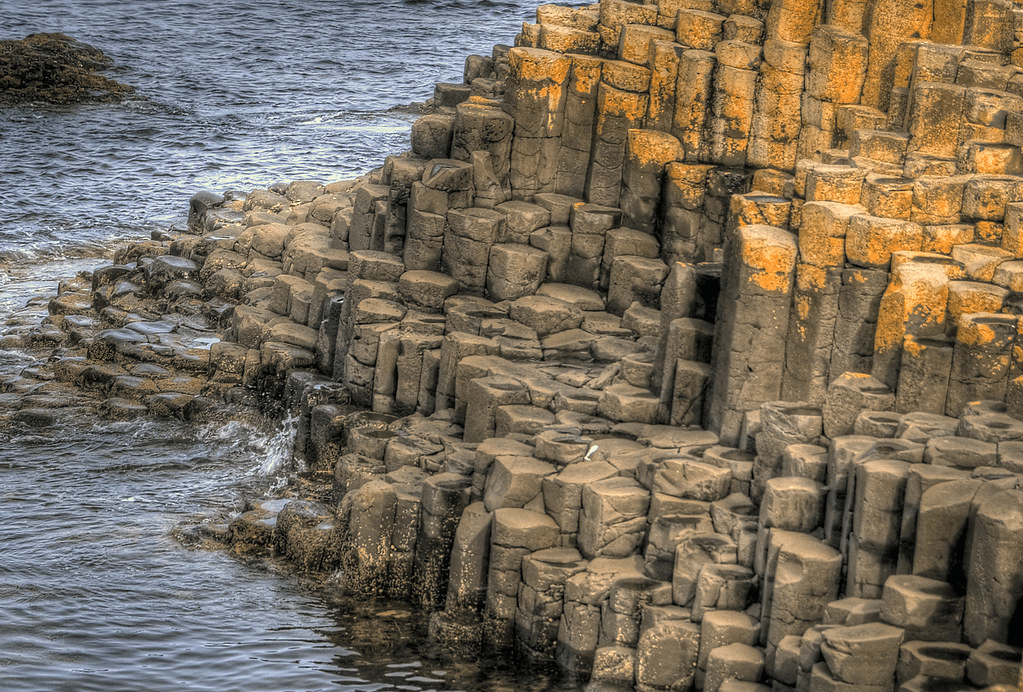
One of the most famous basalt column formations in the world is the Giant’s Causeway in County Antrim, Northern Ireland. This UNESCO World Heritage Site features approximately 40,000 interlocking basalt columns that descend into the sea. According to Irish mythology, the columns are the remnants of a causeway built by the giant Finn McCool.
The columns at the Giant’s Causeway were formed around 50-60 million years ago during the Paleocene Epoch. Volcanic activity in the region caused the basalt lava to cool rapidly, resulting in the distinctive columnar formations. The tallest columns at the site reach up to 12 meters (39 feet) in height.
Visitor Information: The best time to visit is during the summer months when the weather is milder. The site offers a visitor center with exhibitions, guided tours, and a shuttle bus service for easier access to the columns.
2. Devil’s Postpile, California, USA
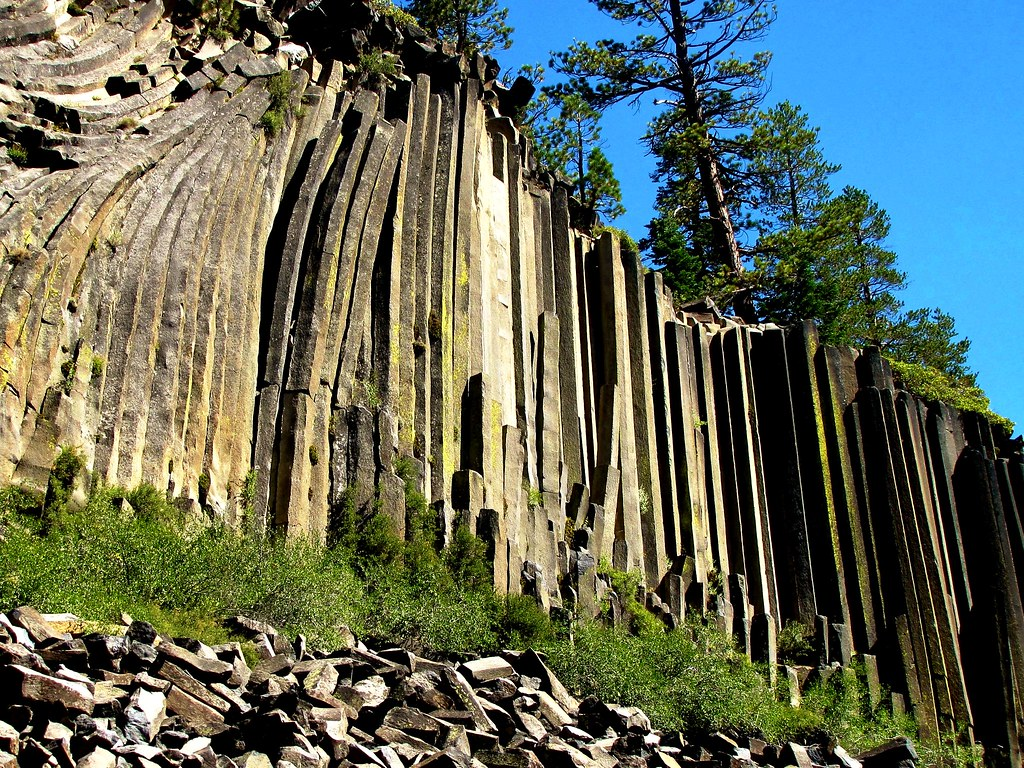
Devil’s Postpile National Monument, located in the Eastern Sierra region of California, is another remarkable example of basalt columns. This formation was created less than 100,000 years ago when a lava flow from the nearby Mammoth Mountain cooled and cracked into hexagonal columns. The columns at Devil’s Postpile are notable for their symmetry and for the fact that many of them have been polished by glacial action, giving them a smooth, glossy surface.
Visitor Information: The monument is accessible from late spring to early fall. There are several hiking trails in the area, including the easy 0.4-mile trail to the base of the columns.
3. Svartifoss, Iceland
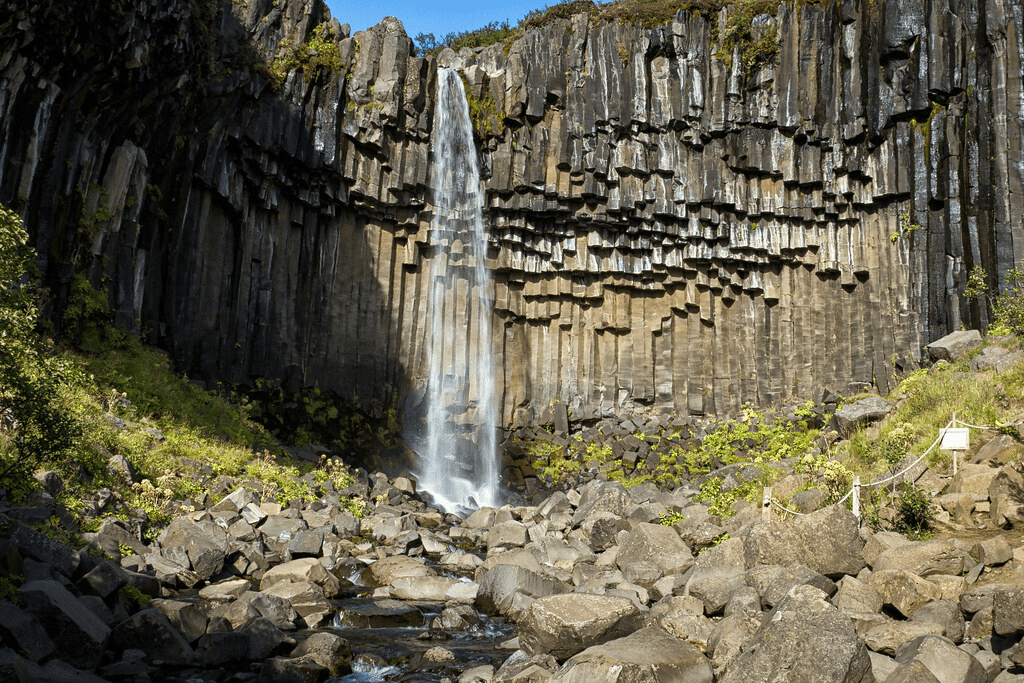
Iceland, a land shaped by volcanic activity, is home to several stunning basalt column formations. Svartifoss, or “Black Falls,” is one of the most picturesque. Located in Vatnajökull National Park, this waterfall is framed by dark basalt columns that contrast beautifully with the white cascade of water. The columns were formed by the cooling and contraction of lava from volcanic eruptions, similar to other basalt formations.
Visitor Information: Svartifoss is accessible year-round, but the best time to visit is during the summer when the hiking trails are free of snow. The 1.5-kilometer hike to the falls offers scenic views of the park.
4. Fingal’s Cave, Scotland
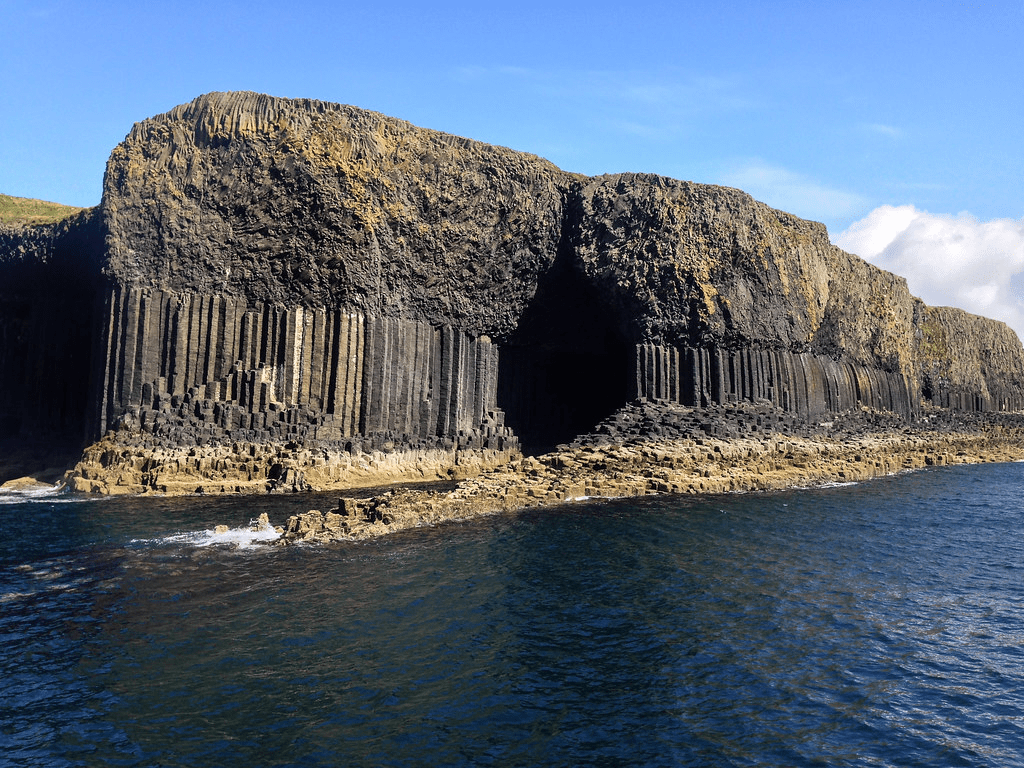
Fingal’s Cave on the uninhabited island of Staffa in Scotland’s Inner Hebrides is famous for its natural acoustics and stunning basalt columns. The cave’s unique structure and shape create an echoing effect, enhancing the sound of the waves that crash against its walls. The columns here were formed around 60 million years ago during the same period of volcanic activity that created the Giant’s Causeway.
Visitor Information: Boat tours to Staffa operate from the Isle of Mull and the mainland. The best time to visit is during the summer months when the seas are calmer.
5. Reynisfjara Beach, Iceland
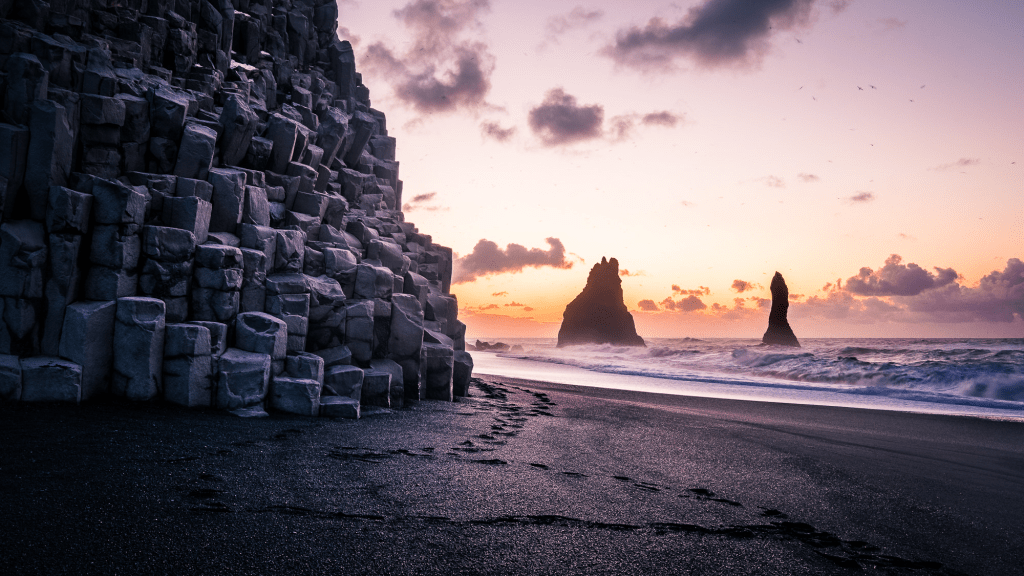
Reynisfjara Beach, located near the village of Vik in southern Iceland, is renowned for its dramatic black sand and striking basalt columns. The columns are part of the Reynisdrangar sea stacks, which, according to Icelandic folklore, were formed when trolls were turned to stone by the sunlight. The basalt columns at Reynisfjara are particularly striking due to their contrast with the surrounding black sand and turbulent waves of the North Atlantic Ocean.
Visitor Information: The beach is accessible year-round, but visitors should be cautious of the dangerous “sneaker waves.” Guided tours are available from Reykjavik and Vik.
6. Garni Gorge, Armenia
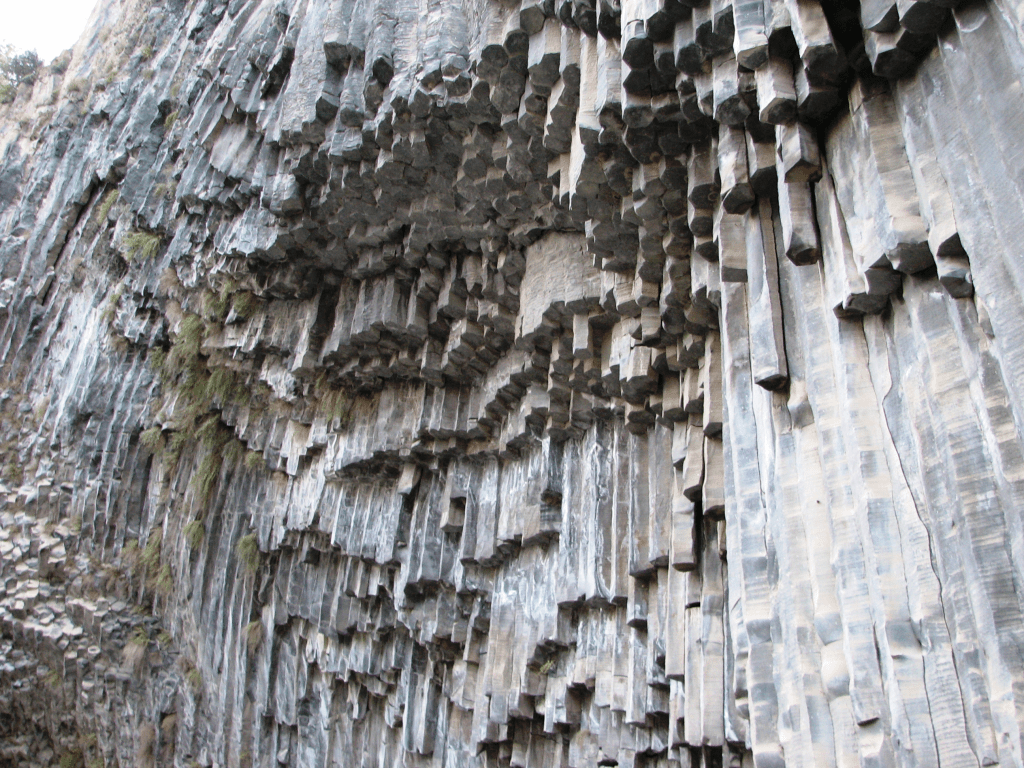
The Garni Gorge in Armenia is home to an impressive basalt column formation known as the “Symphony of Stones.” These columns were formed by the cooling and contraction of lava from ancient volcanic eruptions. The columns rise majestically from the gorge, creating an awe-inspiring natural wonder. The nearby Garni Temple, a classical Hellenistic temple, adds to the historical and cultural significance of the area.
Visitor Information: The best time to visit Garni Gorge is during the spring and fall when the weather is mild. The site is easily accessible by car from Yerevan, Armenia’s capital.
7. The Organ Pipes, Australia
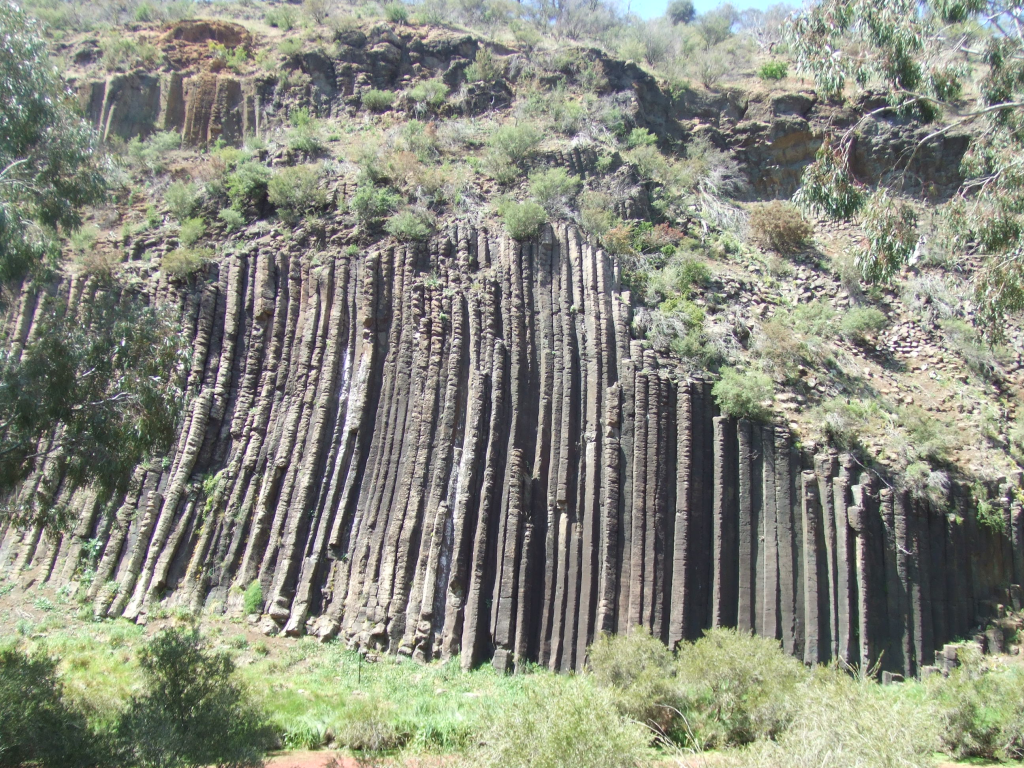
The Organ Pipes National Park in Victoria, Australia, features a spectacular basalt column formation known as the Organ Pipes. These columns, which resemble the pipes of a church organ, were formed by the cooling and contraction of lava from volcanic activity around 1 million years ago. The park offers hiking trails and viewpoints that allow visitors to appreciate the unique geological features of the area.
Visitor Information: The park is open year-round and is a popular spot for picnics and hiking. It is located about 20 kilometers northwest of Melbourne.
8. Kirkjugolf, Iceland
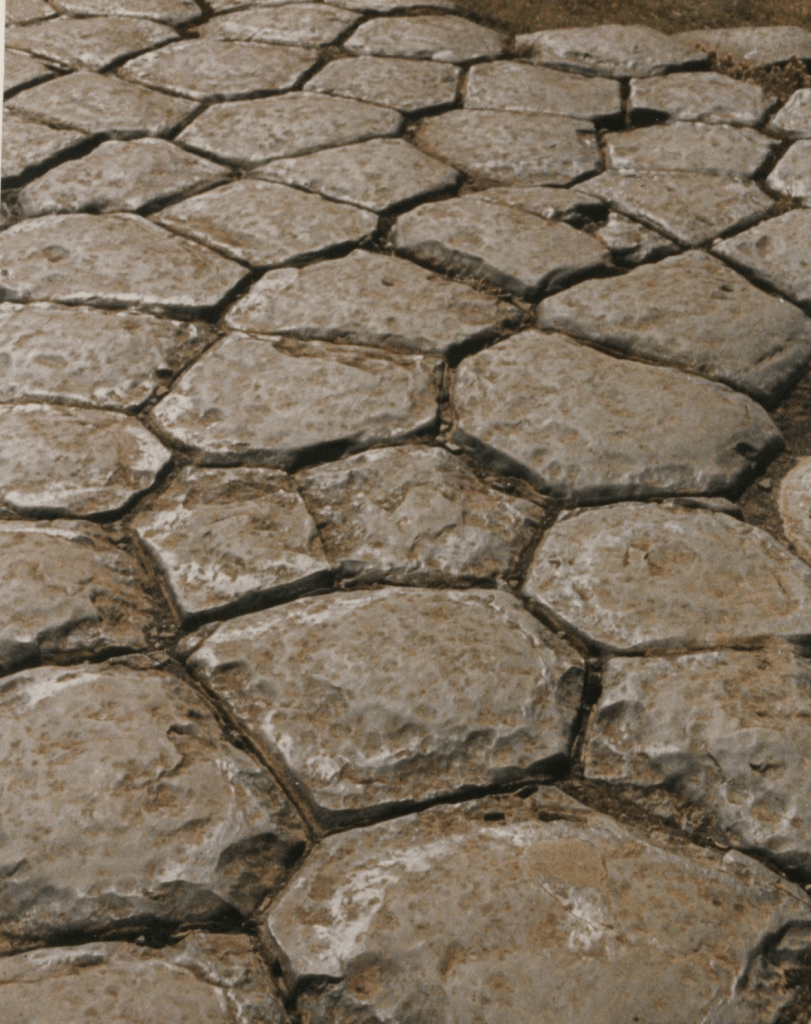
Kirkjugolf, or “Church Floor,” is a natural pavement of basalt columns located in the village of Kirkjubæjarklaustur in southern Iceland. The columns are so perfectly shaped and arranged that they resemble a man-made church floor, hence the name. Unlike other formations, Kirkjugolf’s columns are mostly horizontal, creating a unique appearance.
Visitor Information: Kirkjugolf is easily accessible from the Ring Road, and the best time to visit is during the summer months. The site is free to visit and open year-round.
9. Takachiho Gorge, Japan
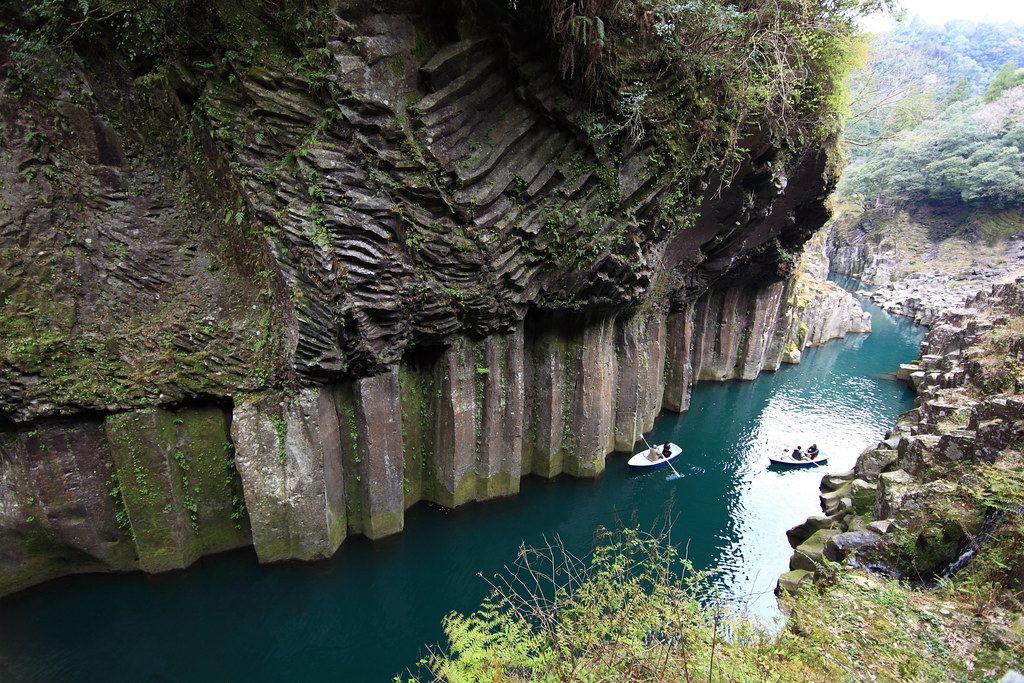
Takachiho Gorge in Miyazaki Prefecture, Japan, is famous for its stunning basalt column cliffs that line the Gokase River. The gorge was formed by the rapid cooling of lava from the nearby Mount Aso. The sheer cliffs, some of which are up to 100 meters high, create a dramatic and picturesque landscape.
Visitor Information: The gorge is accessible year-round, but the best time to visit is during the summer and fall. Visitors can rent rowboats to explore the gorge from the water, offering a unique perspective of the columns.
10. Devil’s Tower, Wyoming, USA
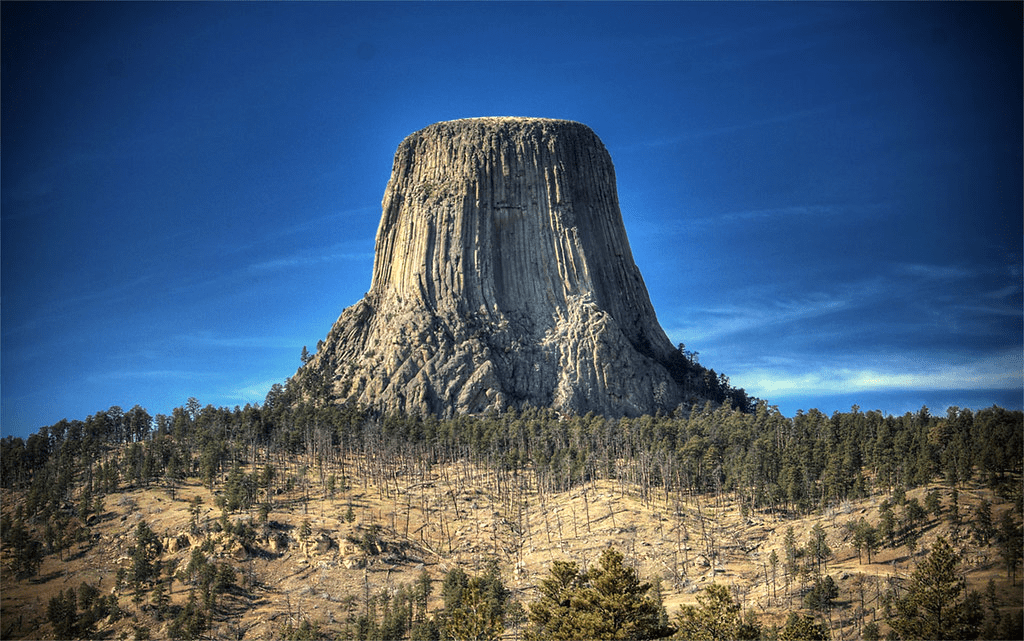
Devil’s Tower, a striking monolithic formation in northeastern Wyoming, is renowned for its towering basalt columns. Rising 386 meters (1,267 feet) above the surrounding terrain, the columns were formed by the cooling and fracturing of molten rock beneath the Earth’s surface. The formation is a sacred site for several Native American tribes and was declared the first United States National Monument by President Theodore Roosevelt in 1906.
Visitor Information: The best time to visit Devil’s Tower is during the spring and fall when the weather is mild. The site offers hiking trails, rock climbing opportunities, and a visitor center with educational exhibits.
Geographical and Geological Insights
Basalt columns are typically found in regions with a history of volcanic activity. The cooling and fracturing processes that create these columns can occur over millions of years, and the formations can be found in a variety of landscapes, from coastal cliffs to inland gorges. The hexagonal pattern is a natural result of the uniform contraction of the basalt as it cools, although the specific shape and size of the columns can vary based on local geological conditions.
Conservation Efforts
Many basalt column sites are protected areas, such as national parks or UNESCO World Heritage Sites, due to their unique geological and ecological importance. Conservation efforts aim to preserve these natural wonders for future generations, addressing challenges such as erosion, human impact, and environmental changes.
For example, the Giant’s Causeway is managed by the National Trust, which implements measures to protect the site from erosion and manage visitor impact. Similarly, Devil’s Postpile National Monument is managed by the National Park Service, which works to preserve the integrity of the columns and the surrounding ecosystem.
Mythology and Folklore
Basalt columns have inspired myths and legends across cultures. The Giant’s Causeway is perhaps the most famous example, with the story of the giant Finn McCool building a causeway to Scotland. In Iceland, the Reynisdrangar sea stacks are said to be trolls turned to stone by the sunlight. These stories add a layer of mystique and cultural significance to the formations, making them even more captivating to visitors.
Final Words
Basalt columns are extraordinary geological formations that captivate the imagination with their striking shapes and fascinating origins. From the Giant’s Causeway in Northern Ireland to the Reynisfjara Beach in Iceland, these natural wonders offer a glimpse into the powerful forces that shape our planet. Whether viewed in person or through images, basalt columns are sure to leave a lasting impression.


 Decoding Biosphere