
In the diverse canvas of life on Earth, reproduction is fundamental for survival. It ensures the continuity of species. Sexual reproduction, involving the combination of genetic material from two parents, is well-known. Asexual reproduction is equally fascinating and prevalent in the animal kingdom. This article explores all about asexual animals. It explains what asexual reproduction is and how it occurs in different species. It also discusses its advantages and disadvantages, and the role it plays in the natural world.
What is Asexual Reproduction?
Asexual reproduction is a mode of reproduction. Offspring are produced by a single parent. There is no involvement of gamete fusion (sperm and egg). The offspring are genetically identical to the parent, creating clones. This method contrasts sharply with sexual reproduction. Sexual reproduction involves the combination of genetic material from two parents. This results in genetically diverse offspring.
Asexual reproduction can occur in various ways, including:
- Binary Fission: Common in single-celled organisms like bacteria and some protozoa. The parent cell divides into two equal halves. Each half becomes a new organism.
- Budding: Seen in species like hydra and some coral. A new organism grows from a small bud on the parent and eventually detaches.
- Fragmentation: Found in animals like starfish and flatworms. A piece of the parent breaks off. It then develops into a new individual.
- Parthenogenesis: A form of reproduction in which an egg develops into an individual without being fertilized. This is observed in many invertebrates, some reptiles, amphibians, and fish.
Asexual Animals and Their Unique Reproductive Methods
Bacteria and Protozoa
Bacteria are the simplest asexual reproducers. They replicate through binary fission, where a single bacterial cell divides into two identical daughter cells. Protozoa, such as amoebas, also reproduce this way, ensuring rapid population growth in favorable conditions.

Hydra
Hydra, a small freshwater organism, reproduces asexually through budding. Small buds form on the parent hydra’s body, grow, and eventually detach to become independent organisms. This process allows for quick colonization of new areas.

Starfish
Starfish are remarkable for their ability to regenerate lost limbs. They reproduce asexually through fragmentation. A part of their body, often an arm, breaks off. It then grows into a new starfish. This capability also serves as a survival mechanism, enabling them to escape predators by sacrificing a limb.

Flatworms
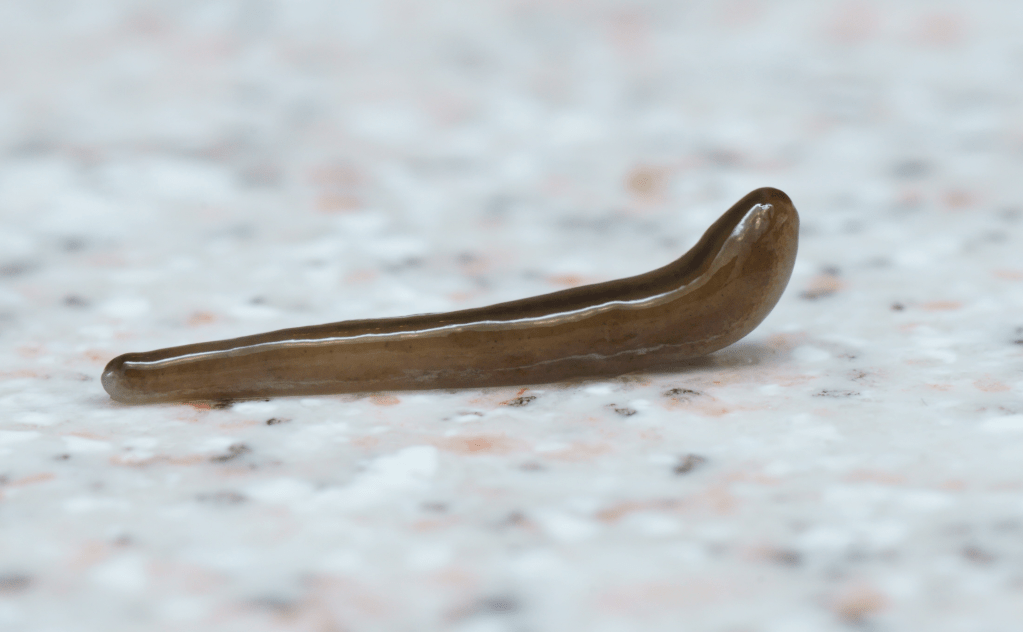
Flatworms, like planarians, can reproduce through fragmentation. When a flatworm is cut into pieces, each piece can regenerate into a complete organism. This extraordinary regenerative ability allows for rapid population recovery and growth.
Parthenogenetic Reptiles and Amphibians
Some reptiles and amphibians exhibit parthenogenesis. The New Mexico whiptail lizard is a famous example. This species consists entirely of females that reproduce by producing eggs that develop without fertilization. This adaptation allows them to thrive in environments where mates are scarce.

Aphids
Aphids, small sap-sucking insects, reproduce asexually through parthenogenesis, especially during favorable conditions. This enables them to produce large populations rapidly, which can overwhelm their host plants.

Komodo Dragons
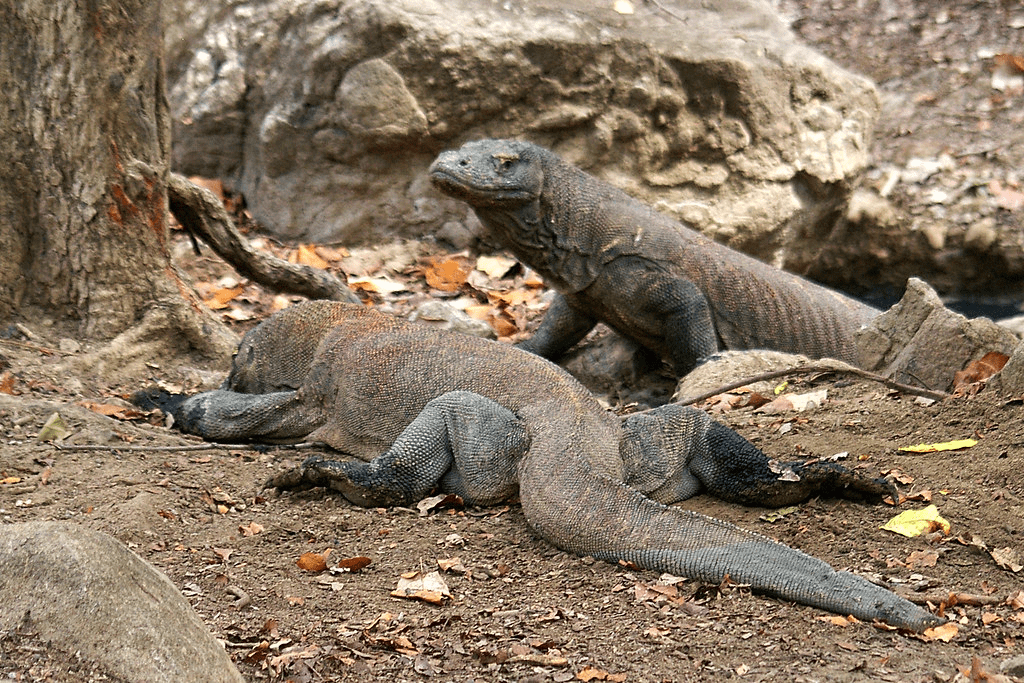
Komodo dragons, the largest living lizards, can reproduce through parthenogenesis. While they usually reproduce sexually, females have been known to lay viable eggs without male involvement. This ability ensures the species’ survival in isolated environments where mates are scarce.
Bdelloid Rotifers
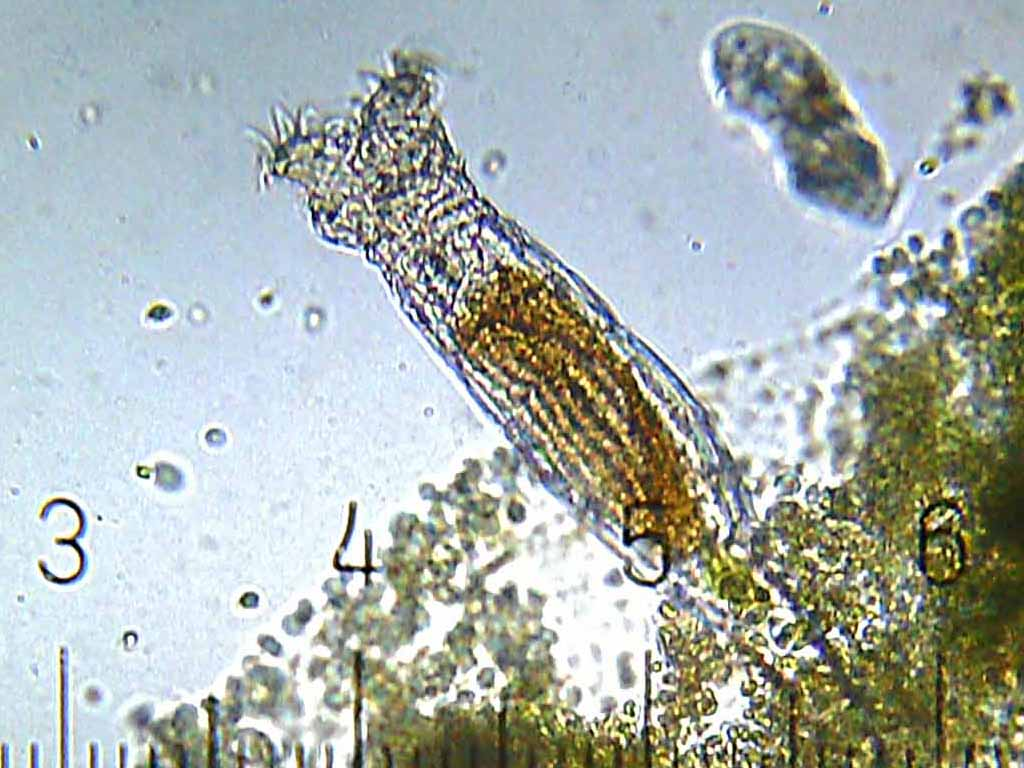
Bdelloid rotifers are microscopic, freshwater animals that reproduce exclusively through parthenogenesis. These tiny creatures have thrived for millions of years without sexual reproduction. They have survived through periods of desiccation and extreme environmental changes. Their ability to repair DNA damage and avoid parasites through horizontal gene transfer is a testament to their remarkable adaptation.
Sponges
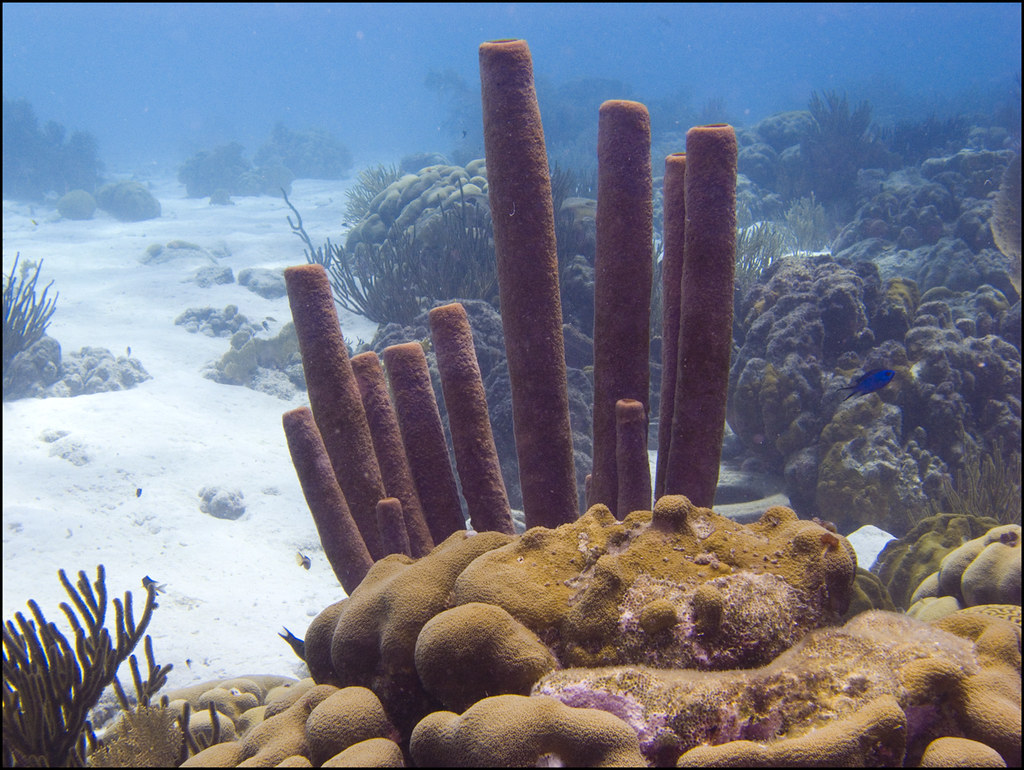
Sponges, simple aquatic animals, can reproduce asexually through a process called budding or by fragmentation. In budding, small buds form on the parent sponge and eventually detach to become independent sponges. Fragmentation occurs when pieces of the sponge break off and grow into new individuals. This ability to regenerate and reproduce asexually allows sponges to recover quickly from damage and spread across the ocean floor.
Corals
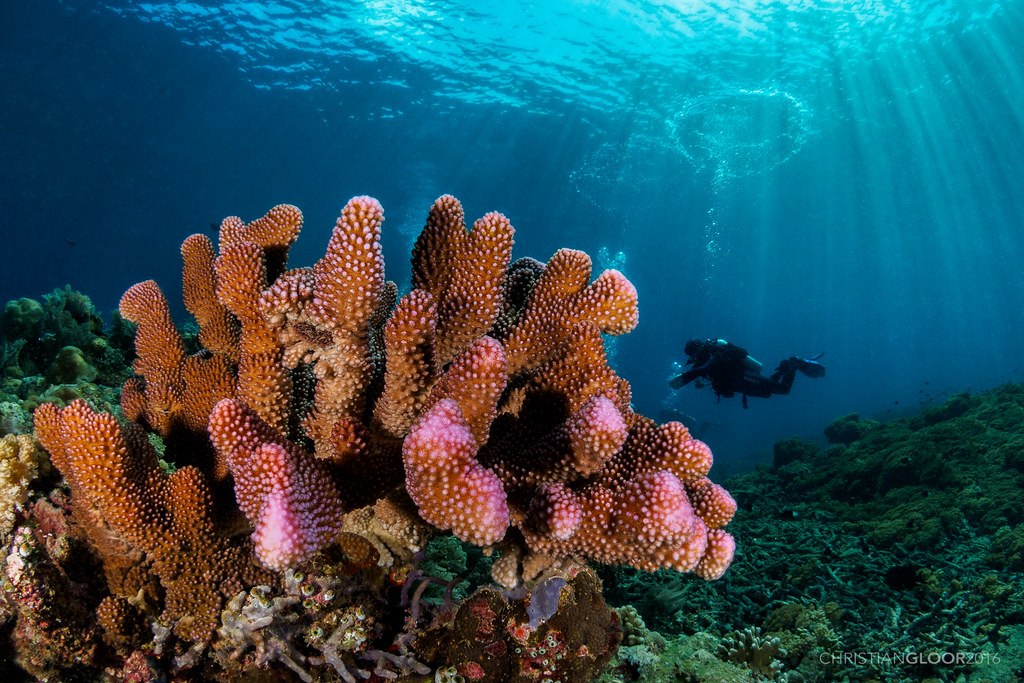
Corals are marine animals that form large colonies through both sexual and asexual reproduction. Asexual reproduction in corals occurs primarily through budding and fragmentation. Budding allows coral polyps to create genetically identical offspring, expanding the colony. Fragmentation happens when a piece of the coral breaks off. It attaches to a new surface and grows into a new colony. This mode of reproduction is crucial for the resilience and recovery of coral reefs.
Sea Anemones
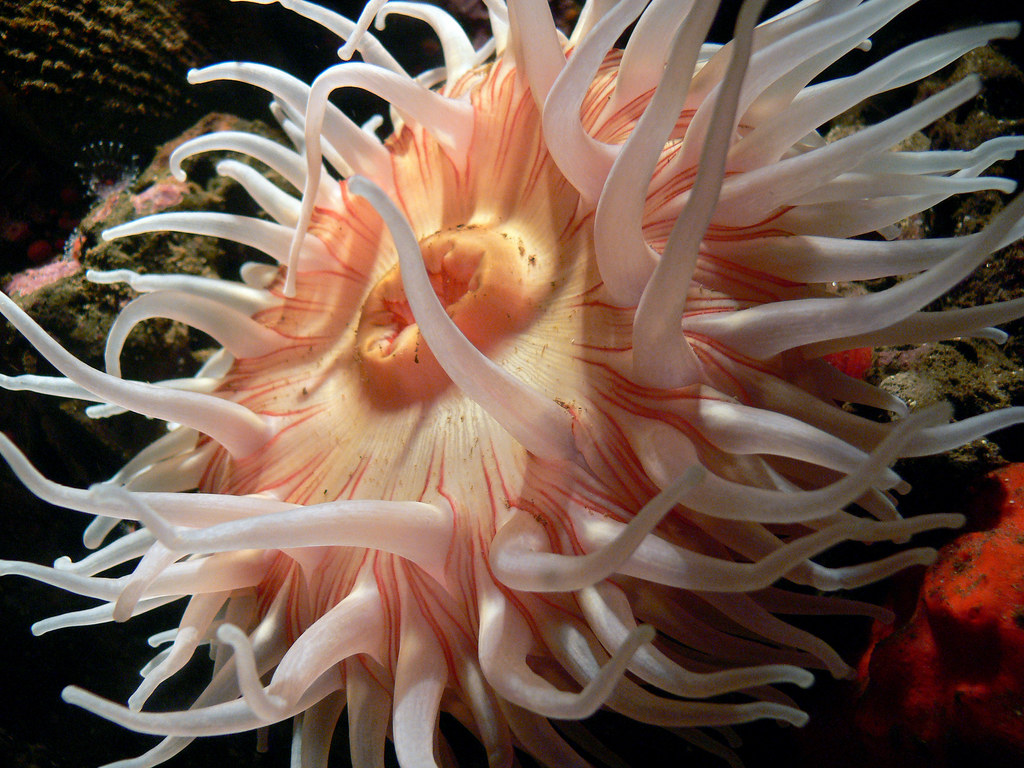
Sea anemones can reproduce asexually through binary fission, budding, or pedal laceration. In pedal laceration, pieces of the anemone’s base, or pedal disc, break off and develop into new anemones. This method enables sea anemones to rapidly increase their numbers. They can also occupy new areas of the ocean floor. This process contributes to the diversity and stability of marine ecosystems.
Marbled Crayfish
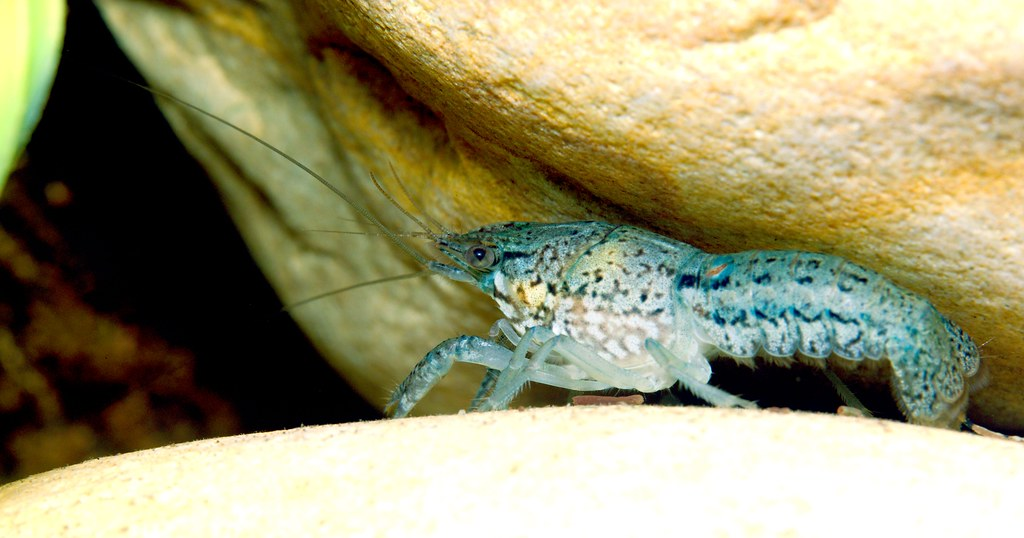
The marbled crayfish, or marmorkreb, is a unique example of a parthenogenetic crustacean. This species can reproduce without males, with females producing genetically identical offspring. The marbled crayfish is notable for its rapid reproduction rate. It can adapt to various environments. This makes it a subject of interest for scientists studying asexual reproduction and genetic variation.
Advantages of Asexual Reproduction
- Rapid Population Growth: Asexual reproduction allows for quick and efficient population growth. Since it does not require a mate, organisms can reproduce whenever conditions are favorable. This leads to rapid colonization and dominance in their environment.
- Energy Efficiency: Asexual reproduction is less energy-intensive than sexual reproduction. There is no need to find and court a mate, reducing the energy expenditure associated with reproductive behaviors.
- Stable Environment Adaptation: In stable environments where conditions do not change significantly, asexual reproduction is advantageous. Offspring are genetically identical to their parents, ensuring that successful traits are passed on without variation.
- Survival in Isolation: For species living in isolated or sparse populations, asexual reproduction ensures their continued reproduction and survival. They do not need to find a mate.
Disadvantages of Asexual Reproduction
- Lack of Genetic Diversity: The primary drawback of asexual reproduction is the lack of genetic diversity. Offspring are clones of the parent. There is no variation to help adapt to changing environments. There are also no variations to adapt to new threats such as diseases.
- Increased Susceptibility to Diseases: All individuals are genetically identical. A disease that can affect one individual is likely to affect all. This can potentially lead to population declines or extinctions.
- Limited Adaptability: In dynamic or changing environments, asexual organisms may struggle to adapt. Without genetic variation, there is less potential for evolution in response to environmental pressures.
The Role of Asexual Reproduction in Nature
Despite its limitations, asexual reproduction plays a vital role in nature. It allows species to exploit niches, quickly colonize environments, and maintain populations in the absence of mates. For example, bacteria can rapidly adapt to exploit new resources through asexual reproduction. Similarly, starfish can recover from injuries and maintain population numbers through fragmentation.
In some species, asexual reproduction coexists with sexual reproduction, providing a flexible strategy for survival. For instance, many plants and some animals can switch between sexual and asexual reproduction depending on environmental conditions. This flexibility maximizes their reproductive success and adaptability.
Asexual Reproduction in Human Context
Understanding asexual reproduction in animals can have significant implications for human activities and industries:
- Agriculture: Knowledge of asexual reproduction in pests like aphids can help develop better pest management strategies to protect crops.
- Medicine: Studying asexual reproduction and regenerative abilities in animals like starfish and flatworms can provide insights into human regenerative medicine. These studies can also benefit tissue engineering.
- Conservation: Conservation efforts for endangered species can benefit from understanding their reproductive strategies. For example, parthenogenesis in Komodo dragons can be leveraged to maintain genetic diversity in captive breeding programs.
Asexual animals represent a remarkable aspect of the natural world, showcasing nature’s diverse strategies for survival and reproduction. From bacteria and hydra to starfish and Komodo dragons, these organisms show the resilience and adaptability of life. Understanding and appreciating asexual reproduction enriches our knowledge of biology. It highlights the need to conserve these unique species and their habitats.


 Decoding Biosphere