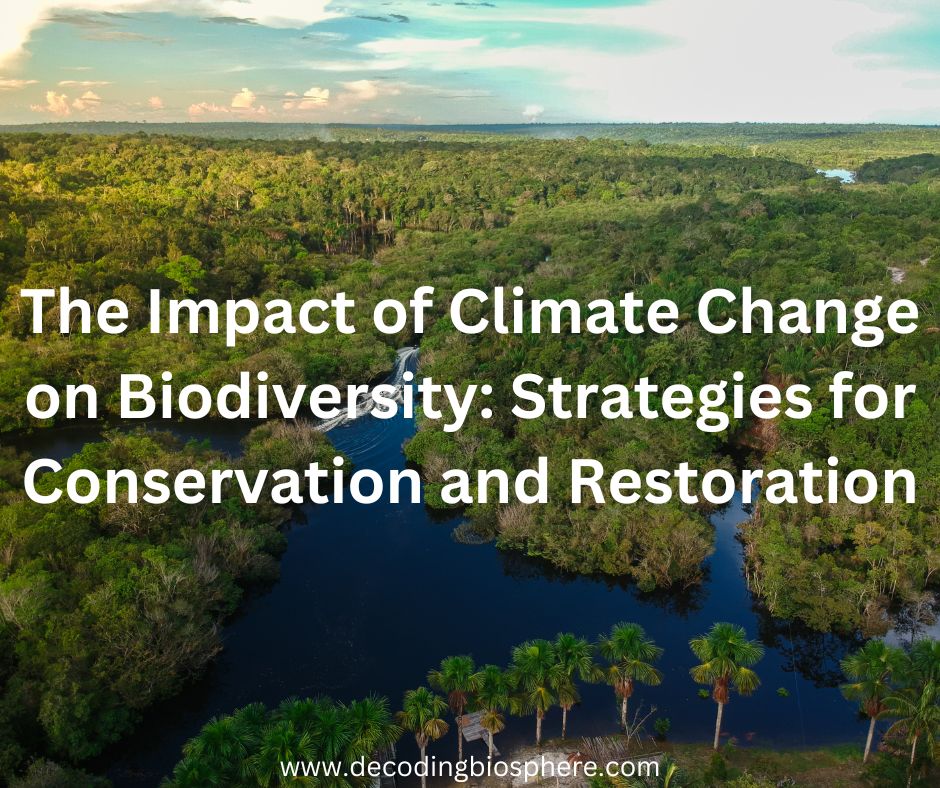
Climate change is one of the most pressing environmental challenges of our time, with profound implications for biodiversity worldwide. As global temperatures rise, ecosystems and the species they support are increasingly at risk. This article looks into the latest research on how climate change impacts biodiversity and explores effective strategies for conservation and restoration.
The Threat to Biodiversity
Climate change affects biodiversity in numerous ways, including altering habitats, disrupting food webs, and shifting the geographic ranges of species. These changes can lead to the decline or extinction of vulnerable species, fundamentally altering ecosystems.
1. Habitat Alteration
Rising temperatures and changing precipitation patterns are transforming habitats at an unprecedented rate. For example, polar ice melt is shrinking the habitat for polar bears, while coral bleaching events are devastating marine ecosystems.
2. Disruption of Food Webs
Changes in temperature and precipitation can affect the availability of food and water resources, disrupting established food webs. This can lead to population declines in some species and overpopulation in others, creating imbalances that ripple through ecosystems.
3. Shifting Geographic Ranges
Species are migrating to new areas as they seek suitable climates, leading to changes in species distributions. This can result in the introduction of invasive species, which can outcompete native species and further threaten biodiversity.
Conservation Strategies
Effective conservation strategies are crucial for mitigating the impacts of climate change on biodiversity. These strategies include creating protected areas, restoring habitats, and implementing sustainable land-use practices.
1. Protected Areas
Establishing protected areas is one of the most effective ways to conserve biodiversity. These areas provide safe havens for species, allowing them to thrive without the pressures of human activities. Examples include national parks, wildlife reserves, and marine protected areas.
2. Habitat Restoration
Restoring degraded habitats is essential for supporting biodiversity. Restoration efforts can include reforestation, wetland rehabilitation, and coral reef restoration. These activities help rebuild ecosystems, providing critical habitats for a variety of species.
3. Sustainable Land-Use Practices
Implementing sustainable land-use practices is vital for reducing the impact of human activities on biodiversity. Practices such as agroforestry, sustainable agriculture, and responsible forestry management can help maintain healthy ecosystems while supporting human livelihoods.
Restoration Efforts
In addition to conservation strategies, proactive restoration efforts are necessary to repair damaged ecosystems and support biodiversity. Successful restoration projects often involve collaboration between governments, NGOs, and local communities.
1. Reforestation
Reforestation involves planting trees to restore forested areas that have been cleared or degraded. This can help sequester carbon, improve soil quality, and provide habitat for wildlife. Projects like the Great Green Wall in Africa aim to restore vast areas of degraded land through reforestation.
2. Wetland Rehabilitation
Wetlands are critical for biodiversity, acting as nurseries for many species and providing essential ecosystem services. Rehabilitation efforts can include removing invasive species, replanting native vegetation, and restoring natural water flows.
3. Coral Reef Restoration
Coral reefs are among the most biodiverse ecosystems on the planet, but they are also highly vulnerable to climate change. Restoration efforts involve activities such as coral gardening, where fragments of coral are grown in nurseries and then transplanted onto damaged reefs.
Real-Life Examples and Success Stories
Highlighting real-life examples and success stories can make the article more engaging and relatable. Here are a few inspiring cases of successful conservation and restoration efforts:
1. The Yellowstone Wolf Reintroduction
The reintroduction of wolves to Yellowstone National Park in the United States is a prime example of successful conservation. Wolves were reintroduced in 1995 after being absent for nearly 70 years. Their return has had a cascading positive effect on the ecosystem, helping to control elk populations and promote the growth of vegetation, which in turn supports other wildlife.
2. The Great Barrier Reef Restoration
Australia’s Great Barrier Reef has been severely impacted by climate change and coral bleaching. In response, scientists and conservationists have undertaken various restoration projects, such as coral gardening and developing heat-resistant coral strains. These efforts aim to restore and preserve the reef’s biodiversity.
3. The Brazilian Amazon Reforestation
The Brazilian Amazon is home to unparalleled biodiversity, but it has faced extensive deforestation. Reforestation projects in the region involve planting native tree species and working with local communities to promote sustainable land-use practices. These efforts aim to restore the forest’s ecological balance and protect its biodiversity.
How You Can Help
Individual actions can also make a significant difference in supporting biodiversity and combating climate change. Here are some ways you can contribute:
1. Reduce Your Carbon Footprint
Minimizing your carbon footprint by using public transportation, reducing energy consumption, and supporting renewable energy sources can help mitigate climate change.
2. Support Conservation Organizations
Donating to or volunteering with conservation organizations can support their efforts to protect biodiversity and restore ecosystems.
3. Promote Sustainable Practices
Advocating for and adopting sustainable practices, such as reducing plastic use, supporting sustainable agriculture, and participating in local conservation initiatives, can help preserve biodiversity.


 Decoding Biosphere