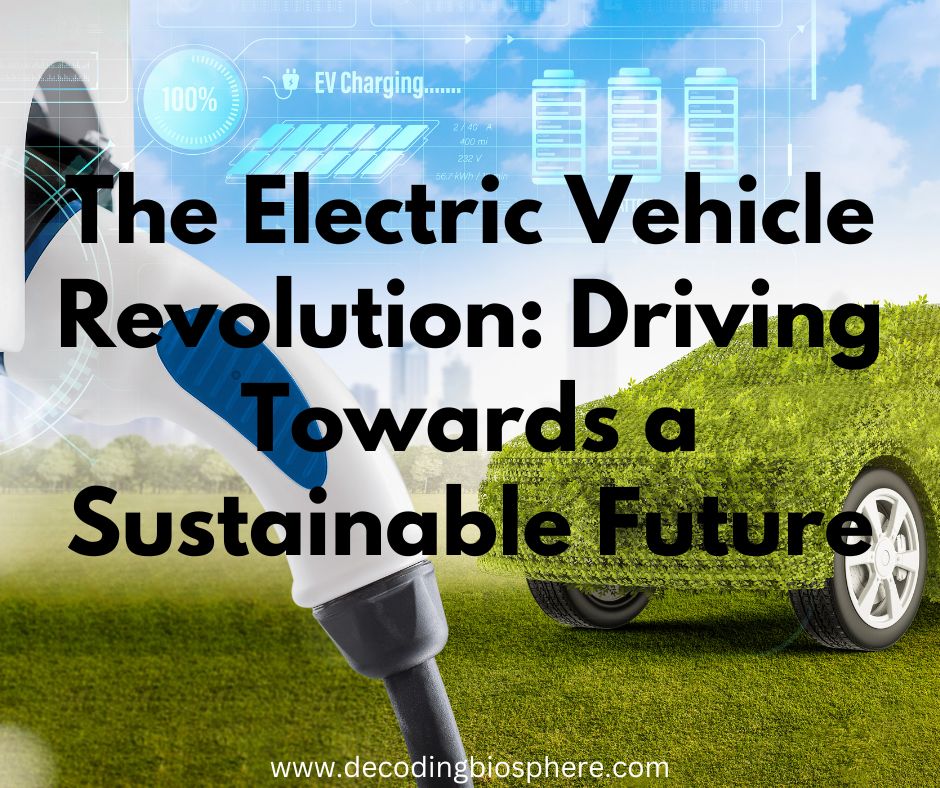
The automotive industry is undergoing a significant transformation with the rise of electric vehicles (EVs). As concerns about climate change and air pollution grow, more consumers and governments are turning to EVs as a solution for a sustainable future. This article explores the impact of electric vehicles on the environment, the benefits and challenges of adoption, and the future trends shaping this revolution.
The Environmental Impact of Electric Vehicles
Electric vehicles offer a promising alternative to traditional internal combustion engine (ICE) vehicles, with several environmental benefits:
- Reduced Emissions
- EVs produce zero tailpipe emissions, significantly reducing air pollutants such as nitrogen oxides (NOx) and particulate matter (PM). This leads to improved air quality, particularly in urban areas.
- Lower Greenhouse Gas Emissions
- Even when accounting for electricity generation, EVs have a smaller carbon footprint compared to ICE vehicles. As the energy grid becomes greener with more renewable energy sources, the environmental benefits of EVs will continue to grow.
- Energy Efficiency
- Electric motors are more efficient than gasoline engines, converting more of the energy from the battery into vehicle movement. This results in less energy waste and lower overall energy consumption.
Benefits of Adopting Electric Vehicles
- Cost Savings
- Although the upfront cost of EVs can be higher than traditional vehicles, lower operating and maintenance costs can lead to significant savings over time. EVs have fewer moving parts, which means less wear and tear and fewer repairs.
- Government Incentives
- Many governments offer incentives to encourage the adoption of EVs, such as tax credits, rebates, and grants. These incentives can make EVs more affordable for consumers and businesses.
- Technological Advancements
- The rapid advancement of battery technology is leading to increased range, faster charging times, and longer battery life. These improvements are making EVs more practical and appealing to a broader audience.
- Energy Independence
- By reducing reliance on fossil fuels, countries can enhance their energy security and reduce exposure to volatile oil prices. This shift also supports the transition to renewable energy sources.
Challenges in the Adoption of Electric Vehicles
- Charging Infrastructure
- The availability of charging stations remains a critical challenge. Expanding the charging network, particularly in rural and underserved areas, is essential for widespread EV adoption.
- Battery Production and Recycling
- The production and disposal of batteries raise environmental concerns, including the extraction of raw materials and the management of battery waste. Developing sustainable battery production and recycling methods is crucial.
- Initial Cost
- Despite declining prices, the initial cost of EVs can still be a barrier for many consumers. Continued innovation and economies of scale are needed to make EVs more accessible.
- Range Anxiety
- Concerns about the range of EVs and the availability of charging options can deter potential buyers. However, ongoing improvements in battery technology are helping to address these issues.
Use the PlugShare Map to find EV charging stations near you.
Future Trends in Electric Vehicles
- Increased Range and Faster Charging
- Advances in battery technology will continue to extend the range of EVs and reduce charging times. Solid-state batteries, which offer higher energy density and faster charging, are expected to become commercially viable in the coming years.
- Expansion of Charging Networks
- Governments and private companies are investing heavily in expanding charging infrastructure. This includes the development of ultra-fast charging stations and the integration of EV charging with renewable energy sources.
- Autonomous Electric Vehicles
- The convergence of electric and autonomous vehicle technologies promises to revolutionize transportation. Autonomous EVs can enhance safety, reduce traffic congestion, and provide new mobility solutions.
- Electrification of Commercial Fleets
- The electrification of commercial fleets, including delivery trucks and public transportation, is gaining momentum. This shift can significantly reduce emissions in urban areas and improve air quality.
Personal Stories and Testimonials
Jessica Williams – Early EV Adopter “Switching to an electric vehicle has been one of the best decisions I’ve made. Not only am I saving on fuel and maintenance costs, but I also feel good knowing that I’m reducing my carbon footprint. The range anxiety I initially had disappeared once I got used to the charging routine.”
Tom Harris – Environmental Activist “As an advocate for environmental sustainability, driving an electric vehicle aligns perfectly with my values. It’s incredible to see how far the technology has come, and I’m excited about the future of transportation.”
Megan Lee – Small Business Owner “Electrifying our delivery fleet has significantly cut down our operational costs and emissions. Customers appreciate our commitment to sustainability, and it’s been a great marketing point for us.”
Conclusion
The electric vehicle revolution is driving us towards a more sustainable future. While challenges remain, the benefits of EVs for the environment, economy, and society are clear. Continued advancements in technology, infrastructure, and policy support will be essential to fully realize the potential of electric vehicles.


 Decoding Biosphere