As temperatures rise during the hot summer months, finding an efficient and cost-effective way to stay cool becomes a top priority for many people. Air conditioners are popular, but they can be expensive to run and aren’t always the best choice for the environment. That’s where evaporation coolers come in. This guide will help you understand what evaporation coolers are, how they work, and why they might be the perfect solution for your cooling needs.
What is an Evaporation Cooler?
An evaporation cooler, also known as a swamp cooler, is a device that cools air through the process of evaporation. Unlike traditional air conditioners, which use refrigerants and compressors to cool the air, evaporation coolers use water and a simple fan system. This makes them more environmentally friendly and energy-efficient.
How Does an Evaporation Cooler Work?
The working principle of an evaporation cooler is straightforward. Here’s a step-by-step breakdown:
- Warm Air Intake: The cooler draws warm air from the outside into the unit.
- Water Saturation: The warm air passes through water-saturated pads. These pads are kept moist by a pump that continuously circulates water over them.
- Evaporation Process: As the warm air moves through the wet pads, the water evaporates, absorbing heat from the air. This process cools the air down.
- Cool Air Release: The now cooler and more humid air is blown out into your living space by a fan.
Benefits of Using an Evaporation Cooler
1. Energy Efficiency
Evaporation coolers use much less energy compared to traditional air conditioners. They only need electricity to run the fan and water pump, making them an eco-friendly choice.
2. Cost Savings
Since they use less electricity, evaporation coolers are cheaper to operate. You’ll notice a significant reduction in your energy bills.
3. Environmentally Friendly
Evaporation coolers don’t use harmful refrigerants that can damage the ozone layer. They rely on the natural process of evaporation, which is better for the planet.
4. Improved Air Quality
These coolers add moisture to the air, which can be beneficial in dry climates. They also help filter out dust and pollen, improving indoor air quality.
5. Easy Installation and Maintenance
Evaporation coolers are simpler to install and maintain compared to traditional air conditioning units. Regular maintenance involves cleaning the pads and ensuring the water pump is functioning correctly.
Where Are Evaporation Coolers Most Effective?
Evaporation coolers work best in dry, hot climates. They are particularly effective in areas with low humidity because the evaporation process is more efficient when the air is dry. If you live in a humid area, an evaporation cooler might not provide the cooling effect you’re looking for.
Choosing the Right Evaporation Cooler
When selecting an evaporation cooler, consider the following factors:
1. Size
Make sure to choose a cooler that’s the right size for your space. A unit that’s too small won’t cool effectively, while one that’s too large may use unnecessary energy.
2. Water Capacity
Look for a model with a water tank size that matches your cooling needs. Larger tanks need less frequent refilling.
3. Airflow
Check the cooler’s airflow rating, measured in cubic feet per minute (CFM). Higher CFM ratings mean more air is being moved, which can cool larger spaces more effectively.
4. Features
Some evaporation coolers come with additional features like remote control, variable speed settings, and timers. These can add convenience and enhance your cooling experience.
Tips for Using Your Evaporation Cooler
- Ventilate Your Space: Keep windows or doors open to allow for proper airflow. This helps the cooler work more effectively by allowing the humid air to escape.
- Maintain the Pads: Regularly clean or replace the cooling pads to ensure efficient operation.
- Monitor Water Levels: Keep an eye on the water level in the tank and refill it as needed. Some models have automatic water level controls for added convenience.
- Use in the Right Climate: Remember, evaporation coolers are most effective in dry, hot climates. If you live in a humid area, you might need a different cooling solution.
Choosing the Best Evaporation Coolers
Choosing the best evaporation cooler depends on your specific needs and preferences. Here are some of the top evaporation coolers available on the market, known for their performance, features, and customer satisfaction:
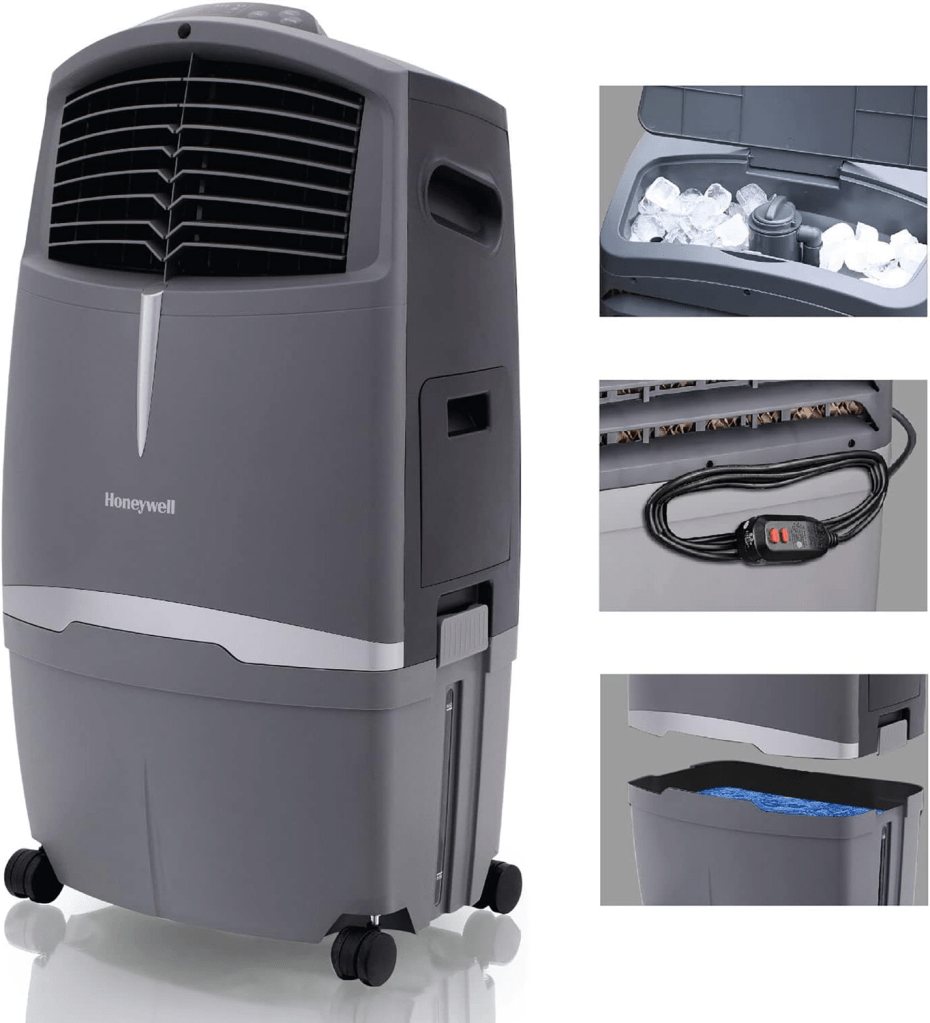
1. Honeywell CO30XE Portable Evaporative Cooler
Features:
- Coverage Area: Suitable for rooms up to 320 square feet.
- Water Capacity: 7.9 gallons.
- Airflow: 525 CFM.
- Portability: Easy to move with built-in wheels.
- Extra Features: Remote control, digital display, adjustable humidification level, and three fan speeds.
Pros:
- High cooling capacity for larger rooms.
- Easy to move around.
- User-friendly controls and remote operation.
Cons:
- Slightly higher price point.
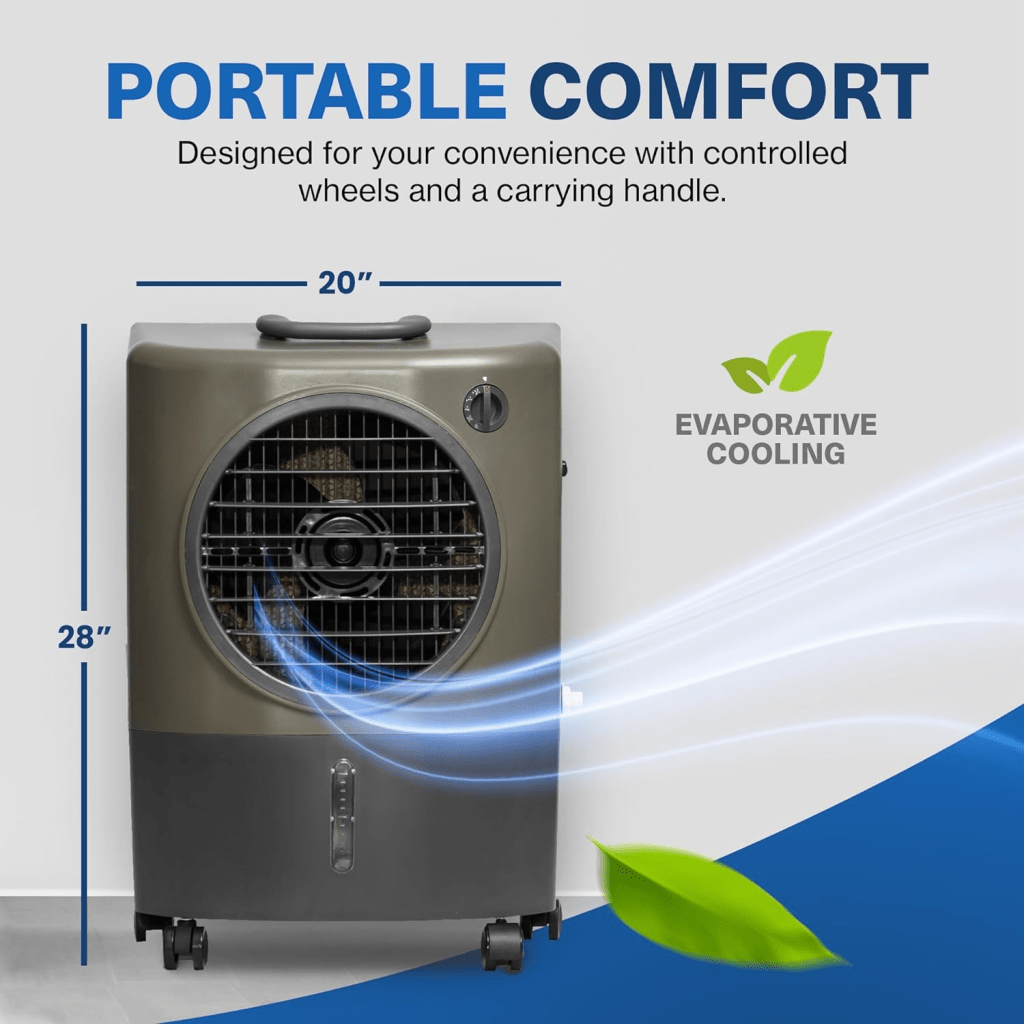
2. Hessaire MC18M Portable Evaporative Cooler
Features:
- Coverage Area: Effective for spaces up to 500 square feet.
- Water Capacity: 4.8 gallons.
- Airflow: 1,300 CFM.
- Portability: Lightweight and compact design.
- Extra Features: Easy-to-fill water tank, two fan speeds, and adjustable air vents.
Pros:
- High airflow and cooling efficiency.
- Lightweight and portable.
- Simple and durable design.
Cons:
- Basic features with no digital display or remote.
Conclusion
Evaporation coolers are a fantastic option for those looking to stay cool without breaking the bank or harming the environment. They offer energy efficiency, cost savings, and improved air quality, making them an ideal choice for many homes and businesses. By understanding how they work and following the tips provided, you can enjoy a comfortable and cool living space even during the hottest months of the year. Consider an evaporation cooler today and experience the benefits for yourself!
Frequently Asked Questions (FAQs) on Evaporation Coolers
1. What is an evaporation cooler and how does it work?
An evaporation cooler, also known as a swamp cooler, is a device that cools air through the evaporation of water. Warm air is drawn into the unit, passed through water-saturated pads, where the water evaporates, absorbing heat and cooling the air, which is then blown into the living space.
2. How is an evaporation cooler different from an air conditioner?
Unlike air conditioners that use refrigerants and compressors to cool the air, evaporation coolers use the natural process of evaporation. This makes them more energy-efficient and environmentally friendly. However, they are most effective in dry, hot climates.
3. Where are evaporation coolers most effective?
Evaporation coolers work best in areas with hot, dry climates where the humidity level is low. They are not as effective in humid climates because the air is already saturated with moisture, making the evaporation process less efficient.
4. How much energy do evaporation coolers use?
Evaporation coolers use significantly less energy compared to traditional air conditioners. They mainly consume energy to run the fan and water pump, making them a cost-effective cooling option.
5. Do evaporation coolers require a lot of maintenance?
Evaporation coolers require regular maintenance to ensure efficient operation. This includes cleaning or replacing the cooling pads, checking the water pump, and ensuring that the water tank is filled. Proper maintenance can extend the life of the cooler and improve its performance.
6. Can I use an evaporation cooler indoors?
Yes, evaporation coolers can be used indoors. However, it’s important to have proper ventilation, such as an open window or door, to allow the humid air to escape and to maintain effective cooling.
7. What are the benefits of using an evaporation cooler?
- Energy Efficiency: Uses less energy compared to traditional air conditioners.
- Cost Savings: Lower operating costs.
- Environmentally Friendly: No harmful refrigerants.
- Improved Air Quality: Adds moisture to the air and filters out dust and pollen.
- Easy Installation and Maintenance: Simple setup and upkeep.
8. Can an evaporation cooler work in humid climates?
Evaporative coolers are less effective in humid climates because the air is already high in moisture, which reduces the efficiency of the evaporation process. In such conditions, a traditional air conditioner might be a better choice.
9. How do I choose the right size evaporation cooler for my space?
To choose the right size, consider the cooler’s airflow rating, measured in cubic feet per minute (CFM). A general rule of thumb is to have 20 to 40 CFM per square foot of living space. Ensure the unit’s capacity matches the size of the area you need to cool.
10. How often should I change the cooling pads?
The frequency of changing cooling pads depends on the quality of the pads and the frequency of use. Typically, pads should be replaced every 2-3 years, but it’s important to inspect them regularly for signs of wear and mineral buildup.
11. Can I run an evaporation cooler continuously?
While you can run an evaporation cooler continuously, it’s a good practice to turn it off periodically to allow the unit to rest and to avoid over-saturation of the air with moisture. Regular breaks also help conserve water and energy.
12. Do evaporation coolers add humidity to the air?
Yes, evaporation coolers add humidity to the air as part of the cooling process. This can be beneficial in dry climates but may be less desirable in areas where humidity is already high.


 Decoding Biosphere