
Batteries power everything from our TV remotes to our smartphones. But when it comes to disposing of used batteries, it’s essential to do so correctly to protect the environment and our health. Let’s explore the best practices for disposing of different types of batteries.
Why Dispose of Household Batteries Properly?
Household batteries contain chemicals and heavy metals that can be harmful to the environment and human health if not disposed of correctly. When batteries end up in landfills, these toxic substances can leach into the soil and water, contaminating ecosystems and posing risks to wildlife and people. Additionally, improperly disposed of batteries can release harmful gases if incinerated, contributing to air pollution and climate change.
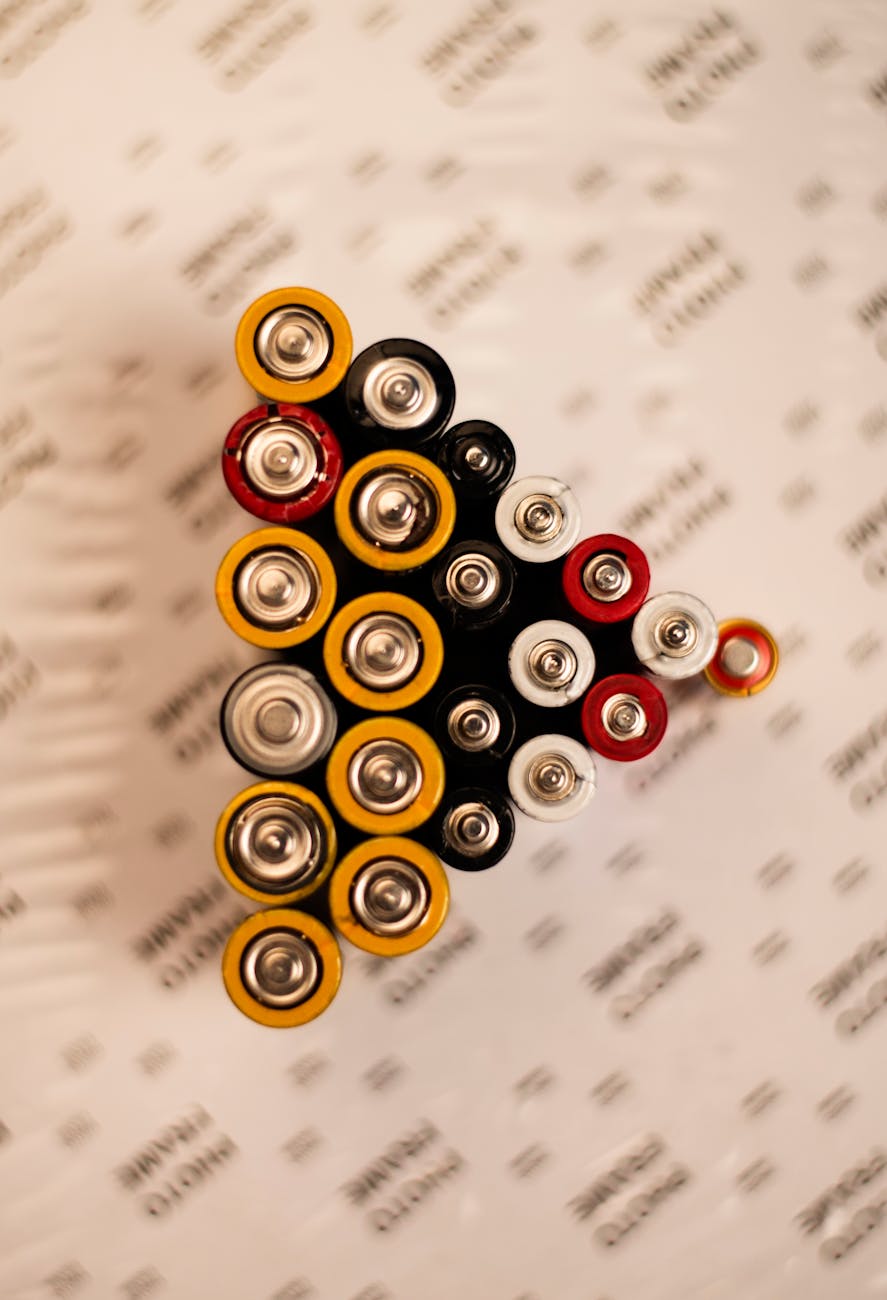
1. Alkaline Batteries
Alkaline batteries are the most common type found in everyday devices like flashlights, toys, and smoke alarms. Here’s what you need to know about disposing of them:
- Types: AA, AAA, C, D, 9V, etc.
- Check Local Regulations: Most alkaline batteries manufactured since 1996 are made of relatively non-hazardous materials. You can usually toss them directly into the trash. However, some states or municipalities still consider them hazardous waste. Check your local regulations to be sure.
- Recycling Options: If your area requires recycling, you can drop off alkaline batteries at designated facilities. Look for local electronics retailers, recycling centers, or community centers that accept them. The Earth911 website is a helpful resource for finding drop-off locations.
2. Lead-Acid Batteries
Lead-acid batteries are heavy-duty and contain lead, which is harmful to the environment. Follow these steps for proper disposal:
- Types: Car batteries, UPS batteries, etc.
- Don’t Trash Them: Never throw car batteries in the trash or recycling bin. They require special handling.
- Auto Parts Retailers: Many auto parts retailers, such as Home Depot or Auto Zone, accept dead or used car batteries. Take yours there for safe disposal.
3. Rechargeable Batteries
Rechargeable batteries (nickel-cadmium or nickel-metal hydride) are commonly used in electronics. Here’s how to dispose of them responsibly:
- Types: Nickel-Cadmium (Ni-Cd), Nickel-Metal Hydride (Ni-MH), Lithium-ion, etc.
- Avoid Landfills: Rechargeable batteries should not end up in landfills or incinerators. They contain hazardous materials.
- Hazardous Waste Collection Sites: Take rechargeable batteries to hazardous waste collection sites, recycling facilities, or electronics retailers that recycle batteries. Retailers like Radio Shack or Staples often accept used rechargeable batteries for recycling.
4. Button Cell Batteries
Button cell batteries are small, round batteries commonly used in devices like watches, hearing aids, calculators, and remote controls. Despite their size, they can be hazardous if not disposed of properly. Here’s what you need to know:
- Types: CR2032, LR44, SR626SW, etc.
- Toxic Contents: Button cell batteries contain toxic materials such as mercury, silver, and lithium. These substances can harm the environment and pose risks to human health.
- Recycling: Recycling is the best way to handle button cell batteries. Look for local recycling centers or drop-off locations that accept them. Many electronics retailers also have collection bins for used batteries.
Safety Tips for All Batteries
When handling and disposing of batteries, follow these safety guidelines to protect yourself, others, and the environment:
- Keep Packaging Intact: Avoid breaking open battery packaging. It’s not only wasteful but also poses a fire, health, and environmental risk. Keep batteries in their original packaging until you’re ready to use them.
- No Burning: Never burn batteries. When exposed to fire, batteries can explode, releasing hazardous chemicals and sending dangerous shrapnel flying. Dispose of them properly instead.
- Tape Terminals: Before recycling or disposing of batteries, tape the terminals (positive and negative ends) with non-conductive tape (such as masking tape). This prevents accidental short circuits and reduces the risk of fires.
- Avoid Mixing Different Types: Don’t mix different types of batteries in the same container. Keep alkaline batteries separate from rechargeable batteries, and button cell batteries separate from larger ones. Mixing can lead to leakage or other safety issues.
- Store Safely: Store used batteries away from children and pets. Accidental ingestion of batteries can be dangerous, especially for button cell batteries, which are small and easily swallowed.
Remember, responsible battery disposal helps protect our planet and keeps harmful materials out of landfills. Check with your local waste management agency to find designated drop-off locations for household batteries. Let’s all do our part to keep our environment clean and safe! 🌿🔋
Some FAQs on Battery Disposal
- Can I throw household batteries in the regular trash?
- Yes, alkaline and zinc-carbon batteries can generally be disposed of in the regular household trash. However, it’s recommended to tape over the terminals with non-conductive tape to prevent short circuits.
- Should I recycle rechargeable batteries?
- Yes, rechargeable batteries should be recycled rather than thrown away. They contain valuable materials like lithium, nickel, and cadmium that can be recovered and reused. Many retailers and recycling centers offer recycling programs for rechargeable batteries.
- How do I dispose of button cell batteries?
- Button cell batteries, commonly found in watches, calculators, and hearing aids, should be recycled due to their small size and potential for containing hazardous materials. Many retailers and electronics stores provide collection bins or take-back programs for button cell batteries.
- Are lithium batteries recyclable?
- Yes, lithium batteries are recyclable, but they should not be disposed of in the regular trash due to their potential fire hazard and environmental impact. Many recycling centers accept lithium batteries for recycling, and some retailers offer take-back programs.
- What should I do with lead-acid batteries, such as car batteries?
- Lead-acid batteries contain hazardous materials like lead and sulfuric acid and must be disposed of properly to prevent environmental contamination. Many automotive stores, recycling centers, and scrap metal facilities accept lead-acid batteries for recycling.
- Can I recycle alkaline batteries?
- While alkaline batteries can be safely disposed of in the regular household trash, some recycling programs also accept them for recycling. Check with your local recycling center to see if they offer battery recycling services.
Source:


 Decoding Biosphere