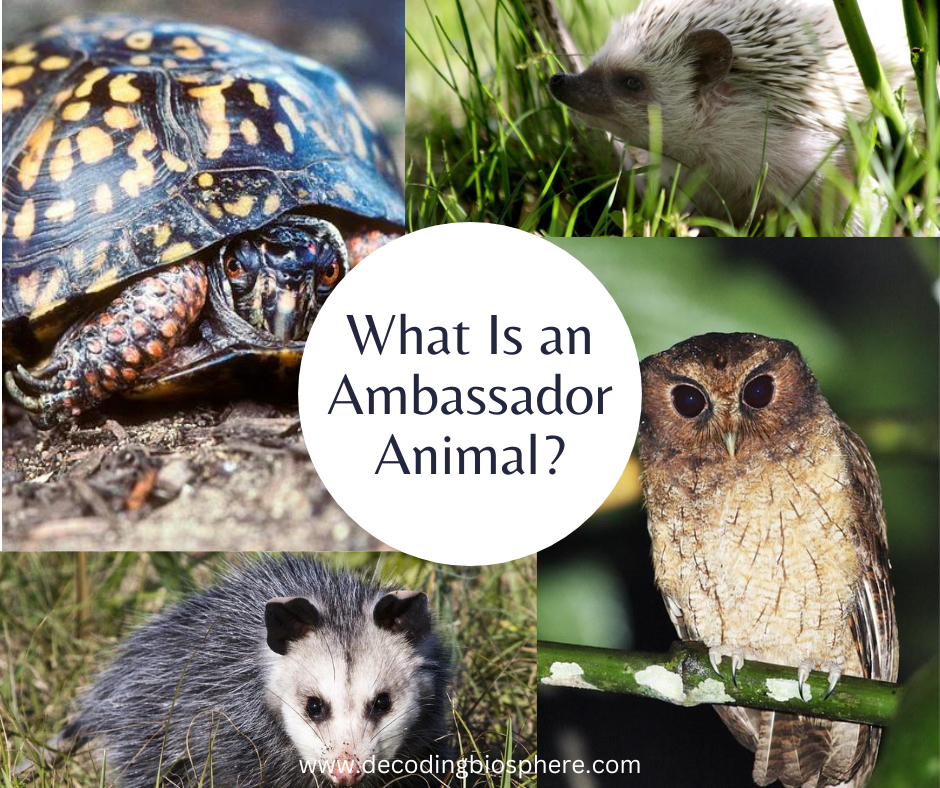
Ambassador animals are special creatures that help people learn about wildlife. They visit schools, libraries, and events to show folks the wonders of the natural world up close. These animals aren’t just any critters; they’re chosen because they’re friendly, calm, and comfortable around people.
Imagine meeting a furry rabbit or a scaly snake right in your classroom! These amazing creatures make learning fun and exciting. They come from all over the globe, showcasing the diversity of life on Earth.
Some ambassador animals have had tough times in the wild. They might have been injured or orphaned, unable to survive on their own. But thanks to caring humans, they get a second chance to thrive and educate.
- Who Are They?
- Ambassador animals are individuals of a species.
- They often live in rehabilitation centers or zoos.
- These animals are usually tame or habituated, meaning they’re comfortable around people.
- Their Purpose: Education and Connection
- The Association of Zoos & Aquariums defines ambassador animals as those used for public education.
- Staff and volunteers handle and train them.
- They participate in interactions with the public during educational talks and demonstrations.
- Imagine meeting a screech owl up close during a classroom visit or at a conservation facility!
- Why Are They Important?
- Ambassador animals bridge the gap between us and nature.
- Being near a wild animal can ignite our curiosity and interest.
- For both kids and adults, this experience can spark a lifelong passion for learning about ecosystems and environmental conservation.
- Their Impact
- By meeting an ambassador animal, we gain insights into its species and habitat.
- We learn how to coexist with native birds of prey and reduce our negative impact on them.
- These animals become ambassadors for their entire species, changing our perceptions and inspiring us to protect wildlife.
Examples of ambassador animals
Let’s meet a few ambassador animals:
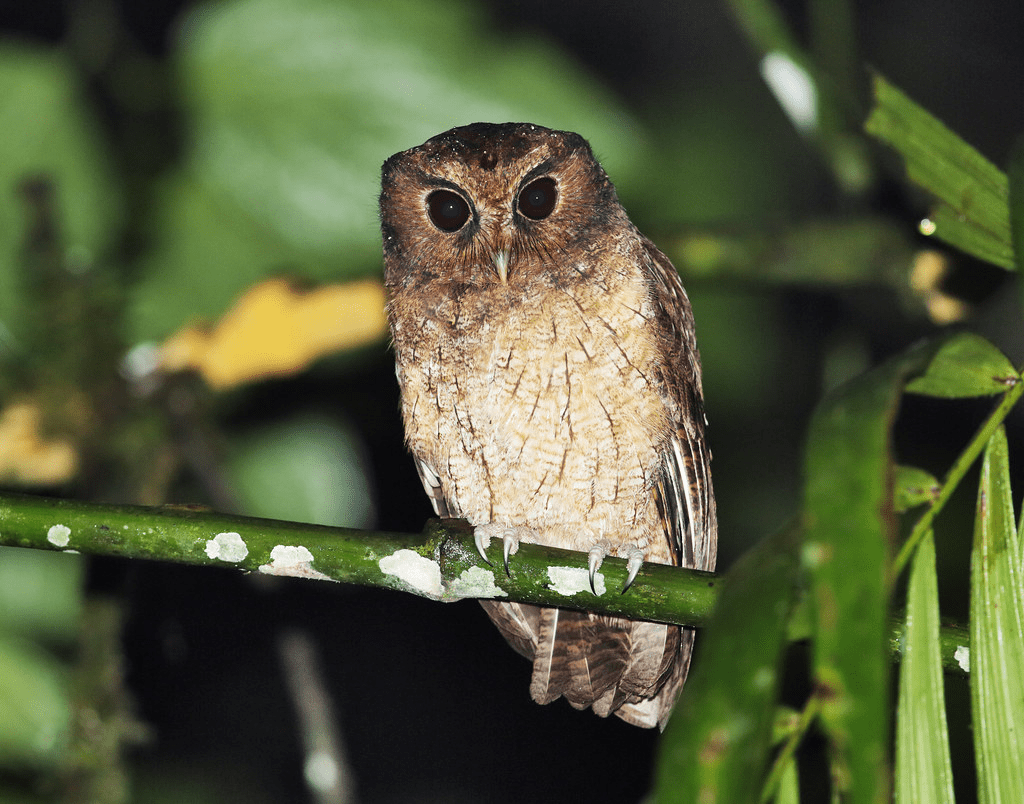
1.Screech Owl:
- These small owls are excellent ambassadors.
- Their expressive faces and unique calls captivate audiences.
- Screech owls teach us about nocturnal life and the importance of preserving natural habitats.
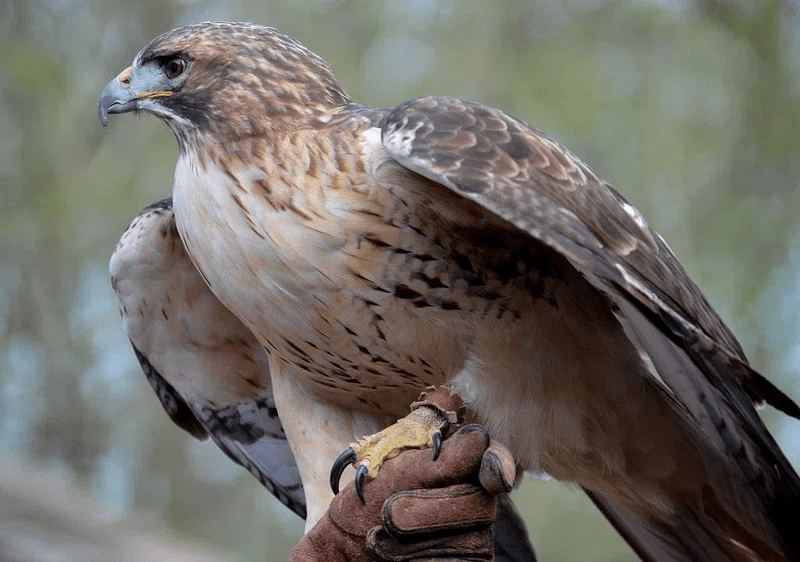
2. Red-Tailed Hawk:
- Red-tailed hawks are majestic birds of prey.
- Their impressive wingspan and sharp talons make them captivating to observe.
- They educate us about raptors’ role in maintaining ecological balance.
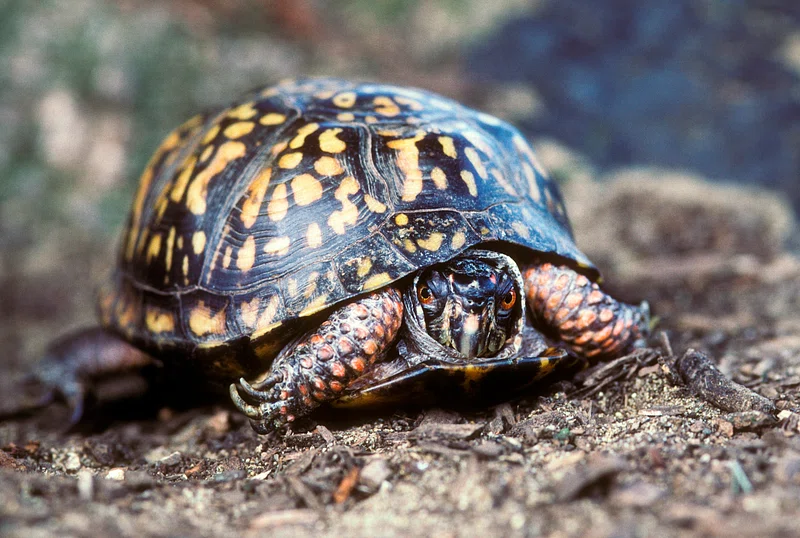
3. Box Turtle:
- Box turtles are gentle reptiles.
- Their sturdy shells and slow movements intrigue both kids and adults.
- They highlight the need for habitat conservation and protection.
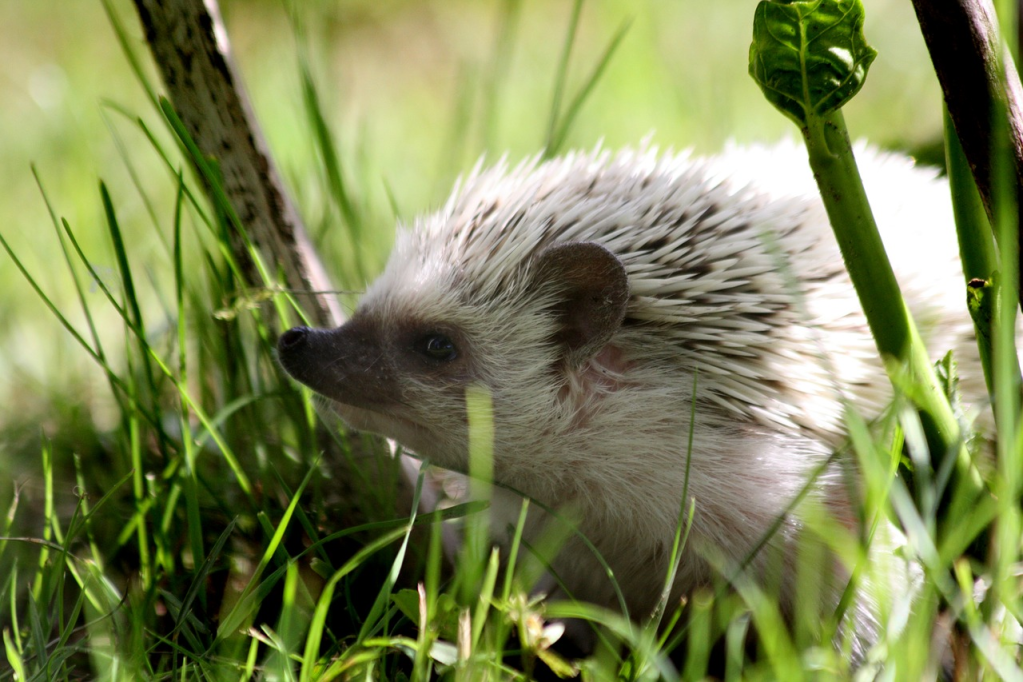
4. African Pygmy Hedgehog:
- These adorable hedgehogs are popular ambassadors.
- Their quills and friendly demeanor make them approachable.
- African pygmy hedgehogs raise awareness about responsible pet ownership.
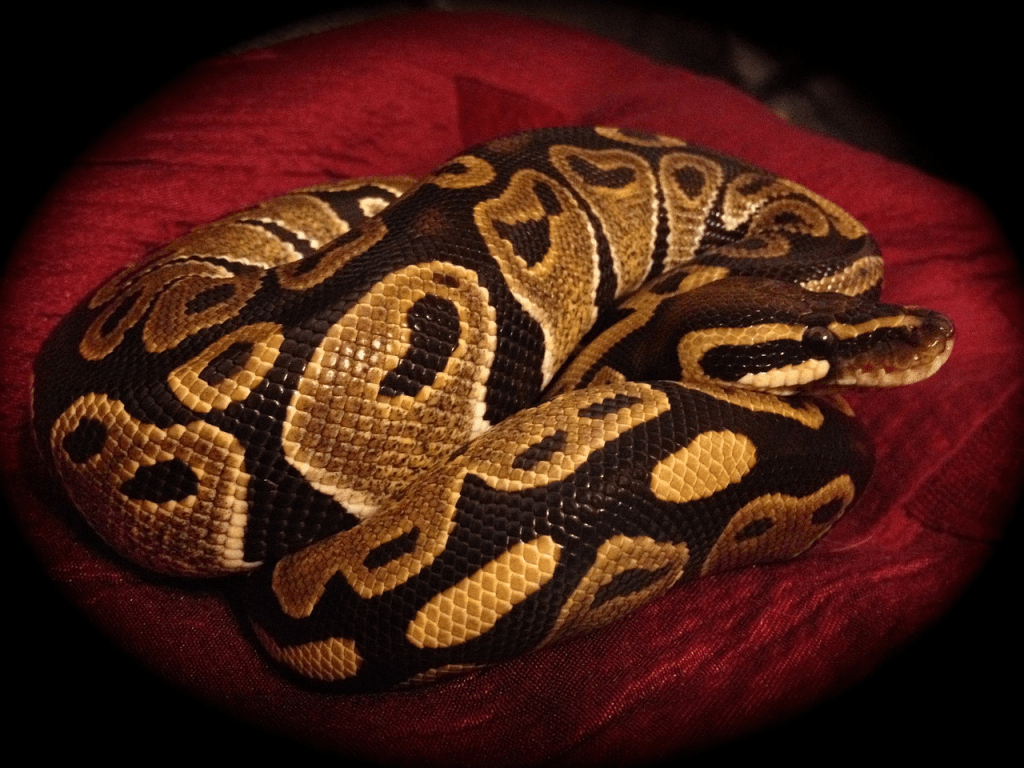
5. Ball Python:
- Ball pythons are non-venomous snakes.
- Their docile nature and striking patterns engage audiences.
- They dispel myths about snakes and emphasize their ecological importance.
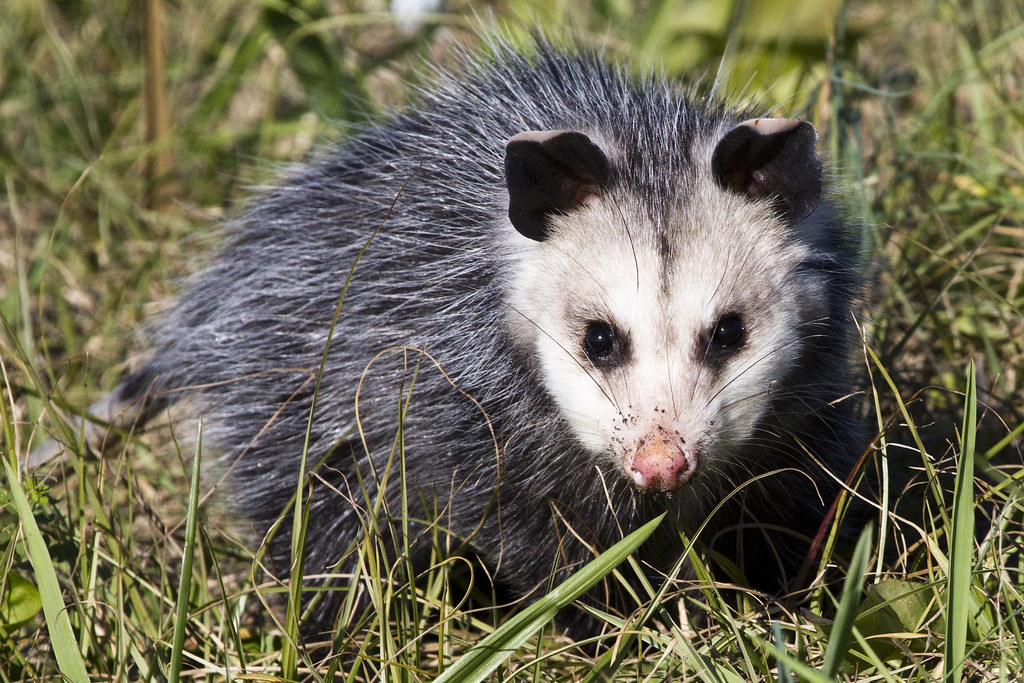
6. Virginia Opossum:
- Opossums are North America’s only marsupials.
- Their prehensile tails and adaptability surprise many.
- Virginia opossums teach us about urban wildlife and coexistence.
When you meet an ambassador animal, you’re not just meeting a cute creature—you’re connecting with nature in a meaningful way. These encounters inspire curiosity, empathy, and a desire to protect our planet and its inhabitants.
So next time you see a snake slithering or a rabbit hopping at your school or local event, remember that they’re more than just animals—they’re ambassadors on a mission to spread love for the wild!
References:
You May Also Like


 Decoding Biosphere