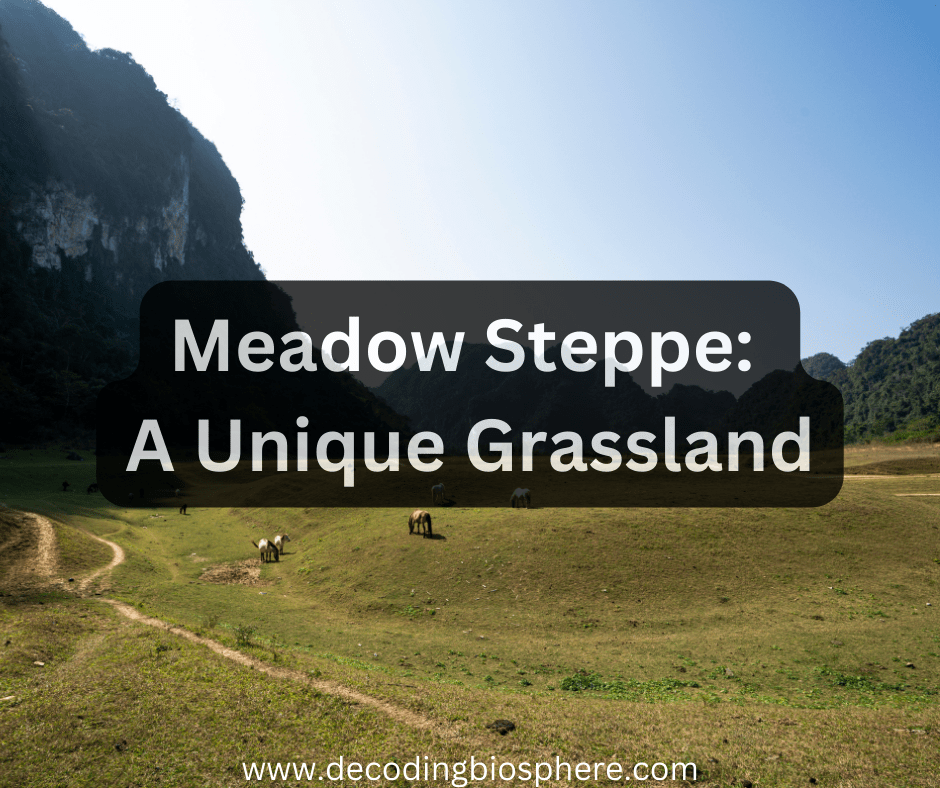
Picture a vast expanse of rolling grasslands, stretching as far as the eye can see. This is the meadow steppe, a remarkable ecosystem that blankets parts of Eurasia.
Meadow steppe ecosystems are fascinating landscapes characterized by vast grasslands interspersed with scattered trees and shrubs. These ecosystems are found in regions with semi-arid climates, where precipitation levels are moderate and seasonal fluctuations in temperature are common. Meadow steppe environments support a diverse array of plant and animal species, each uniquely adapted to the challenges of life on the open plains.

Characteristics of Meadow Steppe Ecosystems
Meadow steppe ecosystems boast distinct features that set them apart from other landscapes, contributing to their unique biodiversity and ecological functions.
1. Grassland Dominance
Meadow steppe ecosystems are primarily characterized by expansive grasslands that stretch as far as the eye can see. Grasses such as feather grass, fescue, and bluegrass dominate the landscape, forming dense carpets of vegetation that sway gently in the wind. These grasses have adapted to the semi-arid conditions of the meadow steppe, with deep root systems that enable them to access water and nutrients from the soil.
2. Sparse Trees and Shrubs
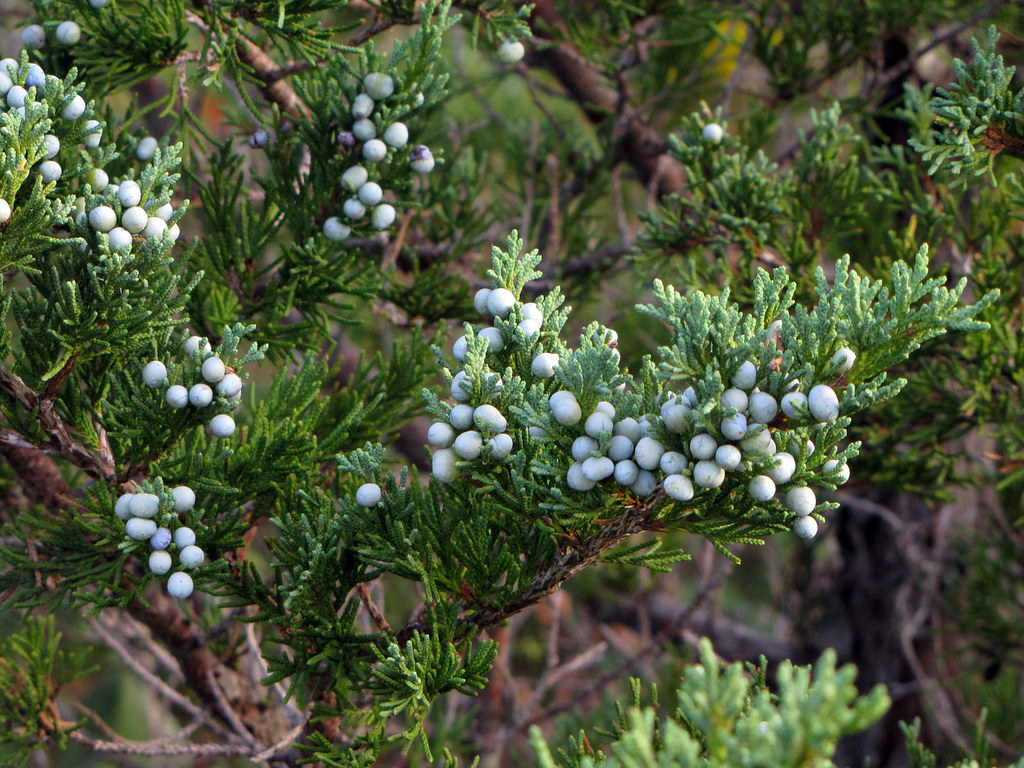
While grasses dominate the meadow steppe, scattered trees and shrubs punctuate the landscape, providing habitat and diversity to the ecosystem. Species such as juniper, sagebrush, and cottonwood may be found sporadically throughout the grasslands, offering shade, shelter, and food for wildlife. These trees and shrubs are adapted to the arid conditions of the meadow steppe, with drought-resistant foliage and deep-reaching roots.
3. Seasonal Fluctuations
Meadow steppe ecosystems experience pronounced seasonal fluctuations in temperature and precipitation, shaping the rhythms of life within the landscape. Summers are typically hot and dry, with temperatures soaring and rainfall sparse. In contrast, winters can be harsh and cold, with snowfall and freezing temperatures common. These seasonal variations influence plant growth, animal behavior, and ecosystem dynamics in the meadow steppe.
4. Fertile Soil
Despite the arid conditions, the soil in meadow steppe ecosystems is often deep and fertile, capable of supporting a rich diversity of plant life. The soil is typically composed of a mixture of sand, silt, and clay, with high levels of organic matter derived from decaying plant material. This fertile soil provides essential nutrients and moisture for plant growth, allowing grasses and other vegetation to flourish even in dry conditions.
5. Adaptations for Survival
Plants and animals in meadow steppe ecosystems have evolved a variety of adaptations to survive in this challenging environment. Grasses have developed deep root systems to access water and nutrients from the soil, while animals have evolved behaviors and physiological traits to cope with extremes of temperature and limited water availability. These adaptations enable species to thrive in the meadow steppe and contribute to the overall resilience of the ecosystem.
Plant Life in Meadow Steppe Ecosystems
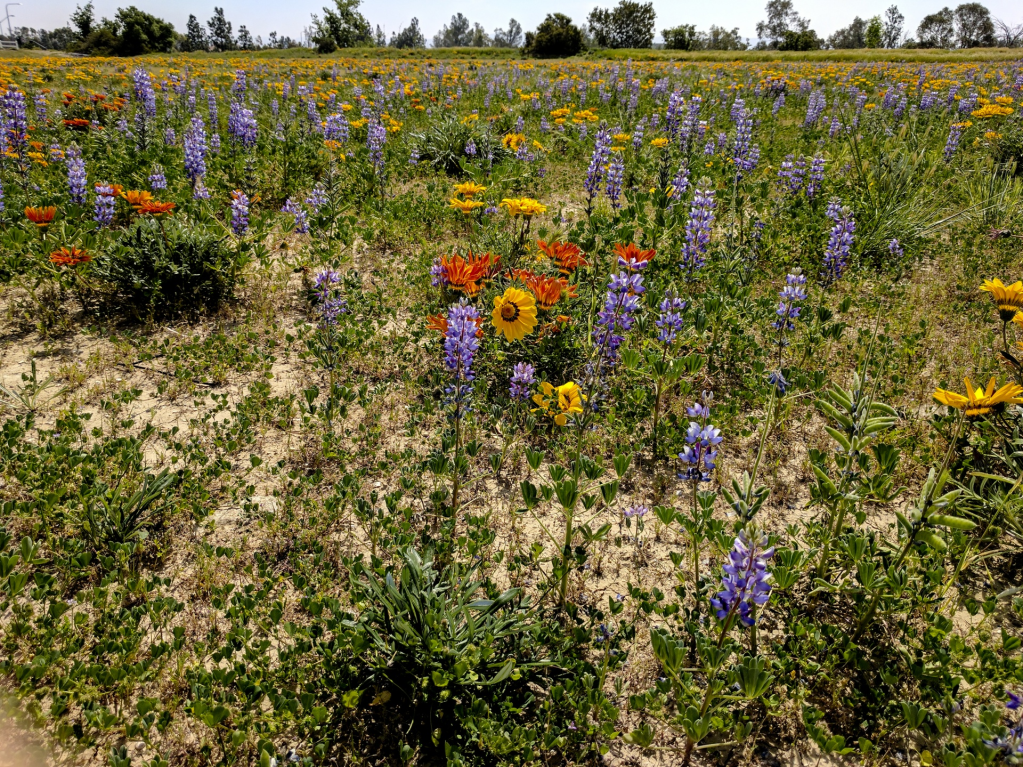
Grasses are the dominant plant species in meadow steppe ecosystems, with species such as feather grass, fescue, and bluegrass being common in these environments. These grasses have deep root systems that enable them to access water and nutrients deep within the soil, allowing them to thrive even in dry conditions. In addition to grasses, meadow steppe ecosystems may also support a variety of wildflowers and herbaceous plants, adding to the diversity of plant life in the region.
Animal Adaptations and Biodiversity
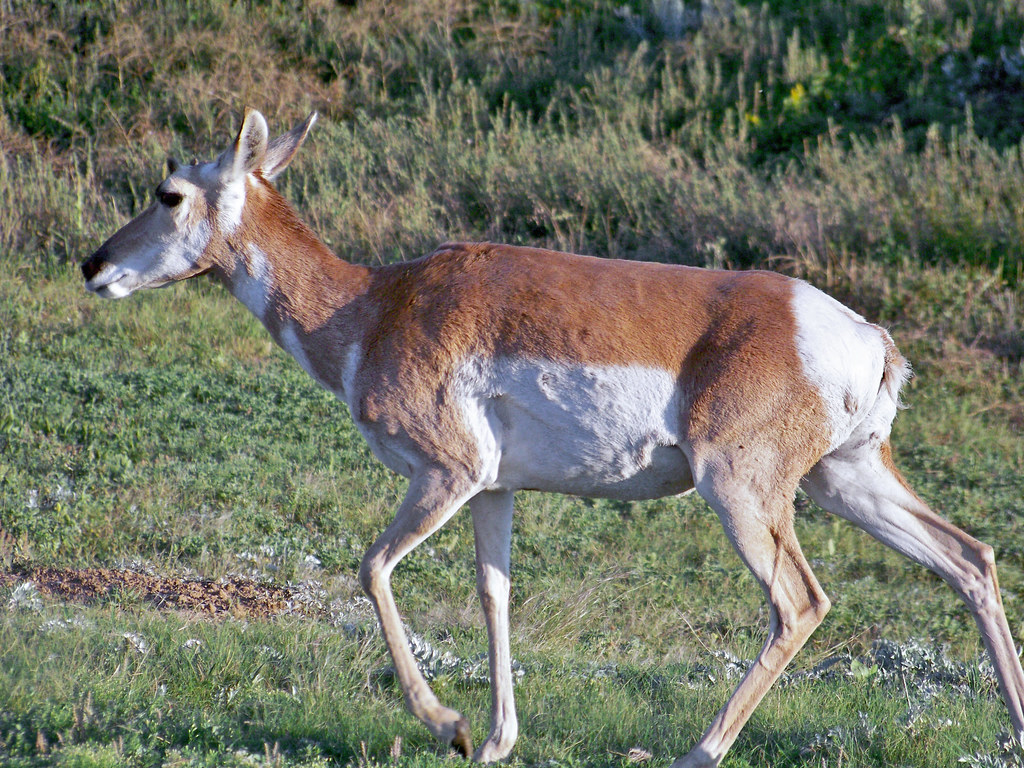
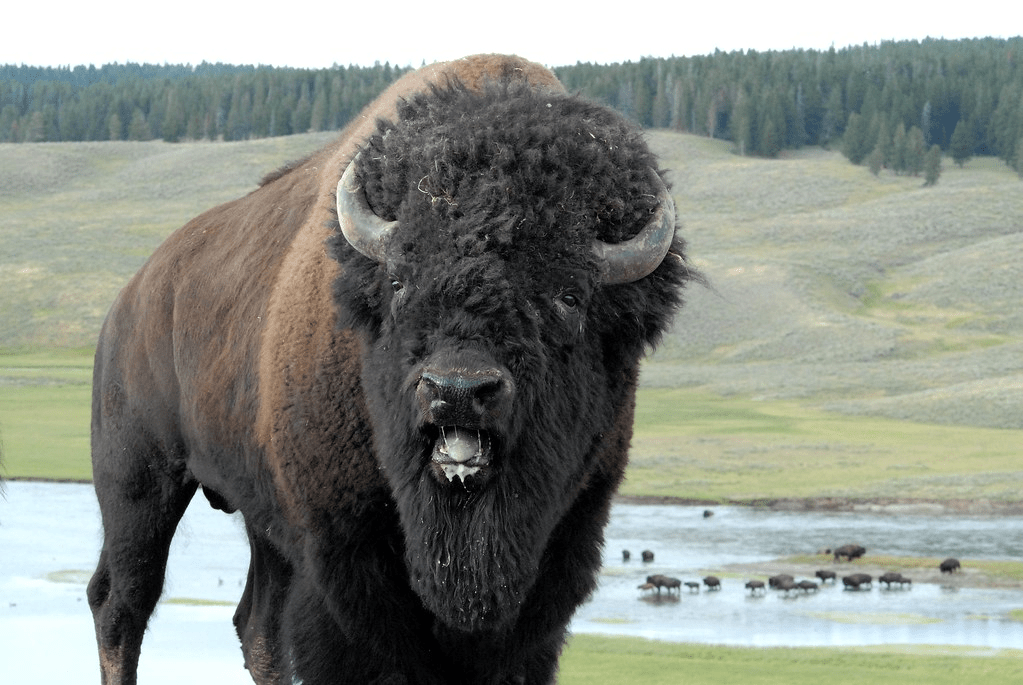
The meadow steppe is home to a rich diversity of animal species, each possessing unique adaptations for survival in this challenging environment. Mammals such as pronghorn antelope, bison, and prairie dogs are well adapted to life on the open plains, relying on their speed, agility, and keen senses to avoid predators and locate food sources. Birds such as hawks, eagles, and meadowlarks are also common inhabitants of meadow steppe ecosystems, using the open landscape to hunt for prey and build nests.
Examples of Flora and Fauna in Meadow Steppe
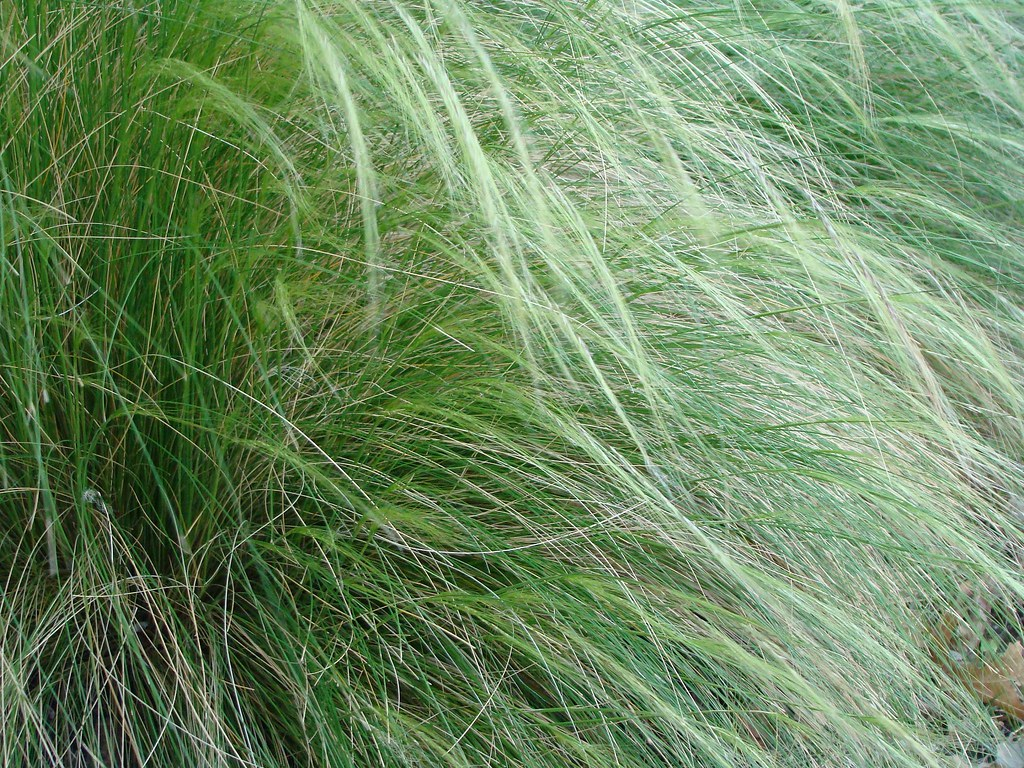
Feather Grass (Stipa spp.): Feather grasses are common grass species in meadow steppe ecosystems, known for their slender stems and feathery seed heads. They are drought-tolerant and well-adapted to the semi-arid conditions of the steppe.
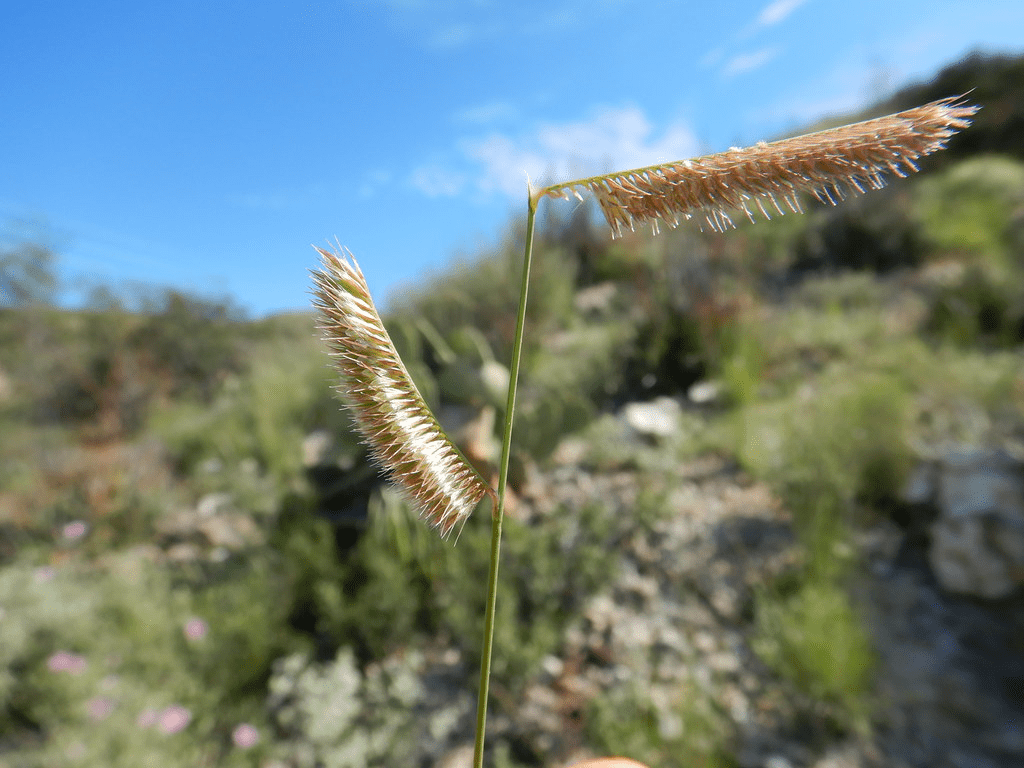
Blue Grama Grass (Bouteloua gracilis): Blue grama grass is another important grass species in meadow steppe environments. It forms dense tufts of blue-green foliage and produces distinctive seed heads that provide food for wildlife.
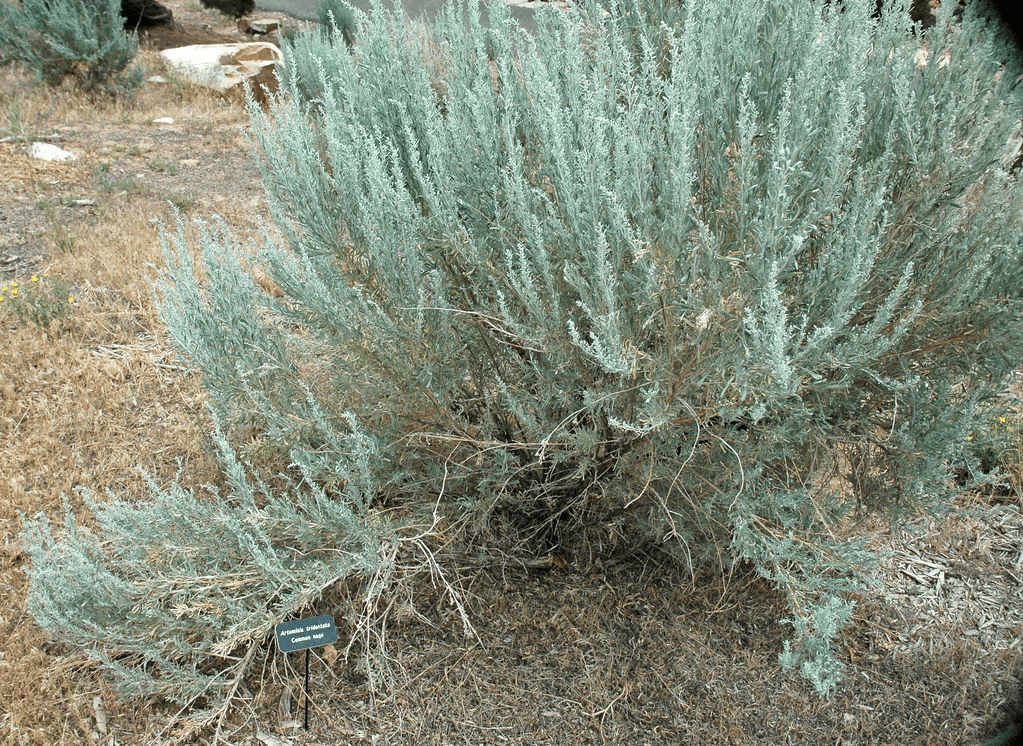
Sagebrush (Artemisia spp.): Sagebrush is a shrub species commonly found in meadow steppe ecosystems. It is characterized by its silvery-gray leaves and aromatic scent. Sagebrush provides habitat and food for a variety of wildlife species.
Juniper (Juniperus spp.): Juniper trees are scattered throughout meadow steppe landscapes, providing shade and shelter for animals. They have needle-like leaves and produce small, berry-like cones that are important food sources for birds and mammals.
Wildflowers: Meadow steppe ecosystems are often adorned with a variety of wildflowers, including lupine, Indian paintbrush, aster, and sunflower species. These colorful blooms add beauty and diversity to the grasslands.
Fauna:
Pronghorn Antelope (Antilocapra americana): Pronghorn antelope are iconic inhabitants of meadow steppe ecosystems, known for their speed and agility. They graze on grasses and other vegetation found in the open plains.
Bison (Bison bison): Bison, or American buffalo, once roamed the vast grasslands of North America, including meadow steppe regions. They are herbivores, feeding primarily on grasses and sedges.
Prairie Dogs (Cynomys spp.): Prairie dogs are social rodents that inhabit burrows in meadow steppe ecosystems. They play important roles in ecosystem dynamics and provide food for predators such as hawks, foxes, and coyotes.

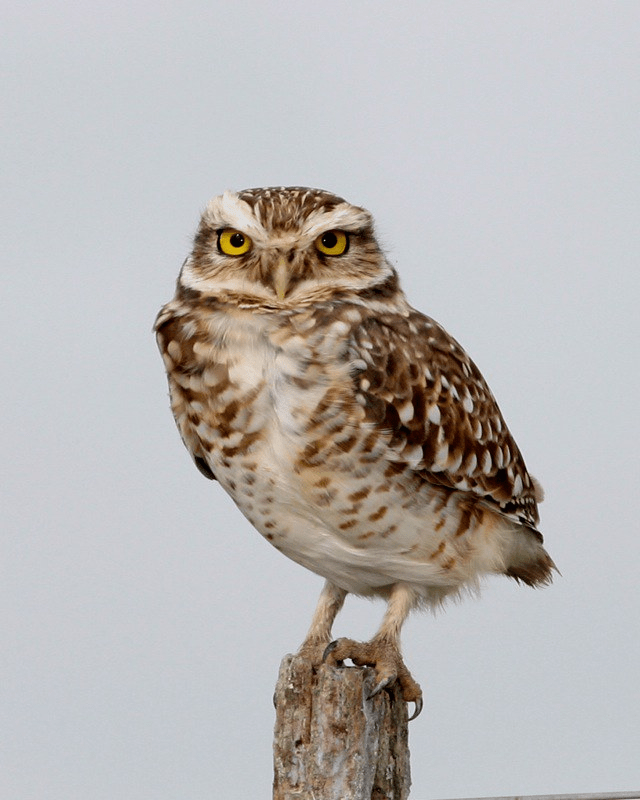
Burrowing Owls (Athene cunicularia): Burrowing owls are small owls that nest in underground burrows excavated by prairie dogs and other rodents. They are active during the day and feed on insects, small mammals, and birds.
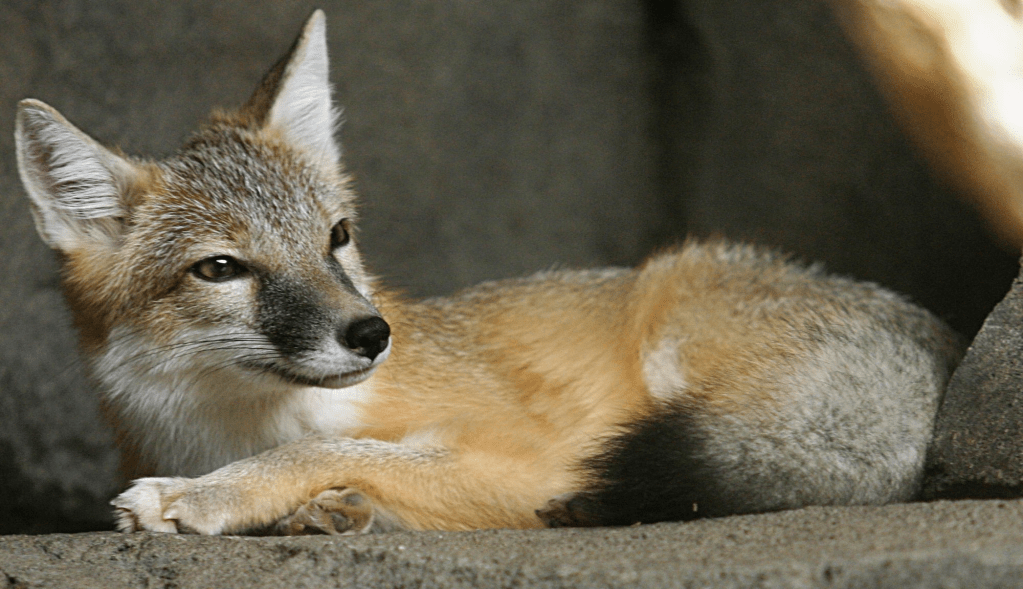
Swift Fox (Vulpes velox): Swift foxes are small carnivores that inhabit meadow steppe habitats. They are adept hunters, preying on rodents, rabbits, birds, and insects. Swift fox populations are threatened by habitat loss and fragmentation.
Human Impact and Conservation
Human activities such as agriculture, urbanization, and grazing have had a significant impact on meadow steppe ecosystems in many parts of the world. Conversion of grasslands for crop cultivation and pastureland has resulted in habitat loss and fragmentation, threatening the survival of many plant and animal species that depend on these environments for survival. Conservation efforts aimed at preserving and restoring meadow steppe habitats are essential for protecting biodiversity and ensuring the long-term health of these valuable ecosystems.
You May Also Like


 Decoding Biosphere