
The Madagascan faunal subregion is a remarkable and diverse region located in the western Indian Ocean. It encompasses the island of Madagascar, along with several smaller nearby islands and islets. This subregion is renowned for its extraordinary array of plants and animals, many of which are found nowhere else on Earth. Let’s explore this fascinating world of the Madagascan faunal subregion and discover its rich biodiversity.
Geography of the Madagascan Faunal Subregion
Madagascar spans over 1,500 kilometers from north to south and boasts a range of ecosystems, including tropical rainforests, dry deciduous forests, grasslands, mangroves, and coastal ecosystems. This geographical diversity contributes significantly to the island’s ecological richness and makes it a prime subject of study in global conservation biology.
Madagascar: A Global Biodiversity Hotspot
Madagascar is home to approximately 5% of the world’s species, many of which are endemic, meaning they exist nowhere else. This biodiversity hotspot is one of the world’s top priorities for conservation due to its unique ecosystems and high species richness.
Flora of the Madagascan Faunal Subregion
The flora of the Madagascan faunal subregion is incredibly diverse, with thousands of plant species, many of which are endemic to the island. Madagascar is particularly known for its unique and diverse array of palm trees, including the iconic baobab trees, which are native to the island. The subregion is also home to numerous orchid species, as well as a variety of medicinal plants and aromatic herbs.
The island hosts more than 14,000 plant species, with about 90% endemic to Madagascar. Iconic plant groups include:
- Baobab trees – native giants with massive trunks storing water.
- Orchids – over 1,000 species, some with highly specialized pollination strategies.
- Pachypodiums – spiny succulents endemic to arid regions.
- Medicinal and aromatic plants – widely used in traditional medicine and trade.
Fauna of the Madagascan Faunal Subregion
The fauna of the Madagascan faunal subregion is equally remarkable, with a wide range of animal species, many of which are found nowhere else on Earth. Perhaps the most famous residents of Madagascar are the lemurs, a group of primates that are endemic to the island. Lemurs come in a variety of shapes and sizes, ranging from the tiny mouse lemur to the larger indri lemur, known for its haunting calls in the rainforest.
In addition to lemurs, Madagascar is also home to a diverse array of reptiles and amphibians, including chameleons, geckos, and frogs. The island is particularly renowned for its colorful and diverse chameleon species, which have evolved a remarkable ability to blend into their surroundings.
Madagascar is also home to a variety of bird species, many of which are endemic to the island. These include the striking Madagascar paradise flycatcher, the colorful Madagascar bee-eater, and the elusive Madagascar serpent eagle.
Madagascar’s wildlife is equally stunning and unique:
- Lemurs – Over 100 species and subspecies, from the tiny mouse lemur to the large indri.
- Chameleons – Home to two-thirds of the world’s chameleon species.
- Birds – Nearly 300 species, with more than 100 endemic, including the Madagascar fish eagle.
- Reptiles and Amphibians – More than 500 species, many exclusive to Madagascar.
- Tenrecs and the Fossa – Mammals that have evolved in complete isolation, adapting in surprising ways.
Examples of Iconic Madagascar Wildlife
1. Lemurs: The Primate Wonders of Madagascar
Lemurs are perhaps the most iconic inhabitants of Madagascar. These unique primates are found only on the island and exhibit a wide range of sizes, shapes, and behaviors. From the tiny mouse lemurs to the charismatic ring-tailed lemurs, Madagascar is home to over 100 different lemur species, making it a hotspot for primate diversity.

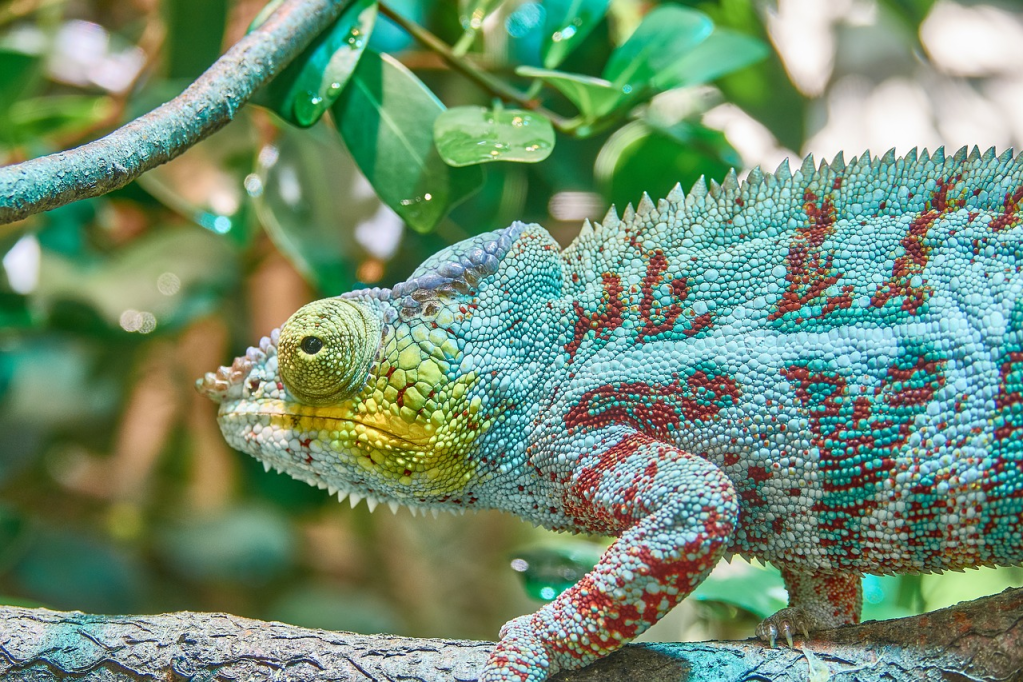
2. Chameleons: Masters of Camouflage
Madagascar is also renowned for its diverse array of chameleons. These fascinating reptiles are known for their ability to change color and blend seamlessly into their surroundings. With over 150 species of chameleons inhabiting the island, Madagascar boasts one of the highest concentrations of these remarkable creatures anywhere in the world.
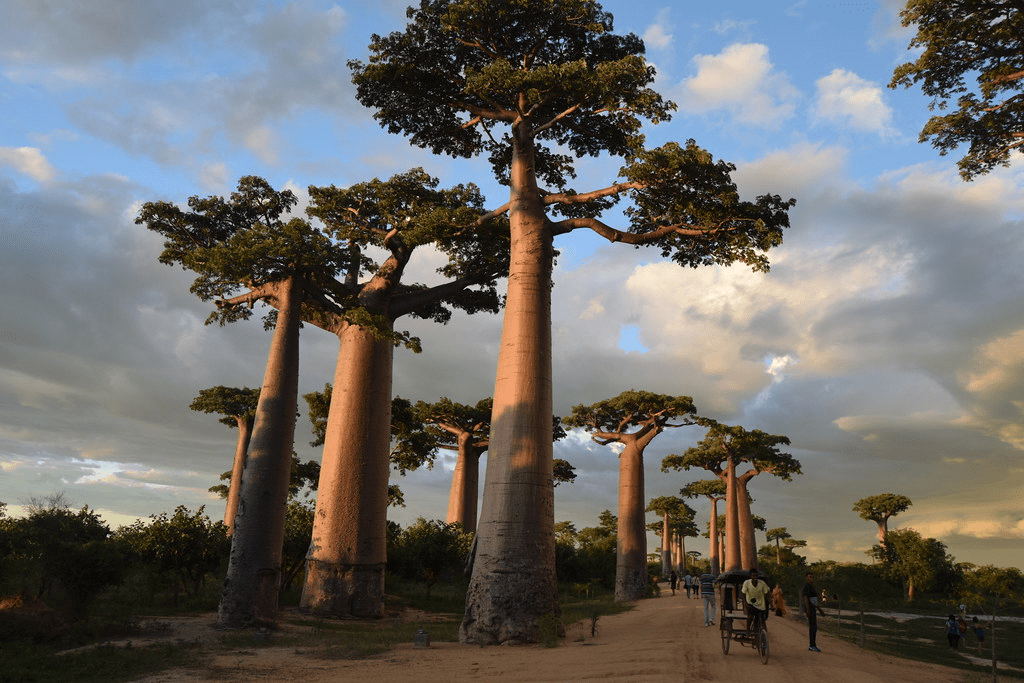
3. Baobab Trees: Sentinels of the Landscape
The iconic baobab trees are another hallmark of Madagascar’s unique flora. These ancient giants dot the island’s landscape, their distinctive silhouettes towering above the surrounding vegetation. Baobab trees play a crucial role in Madagascar’s ecosystems, providing food and shelter for a variety of animal species and serving as important cultural symbols for local communities.
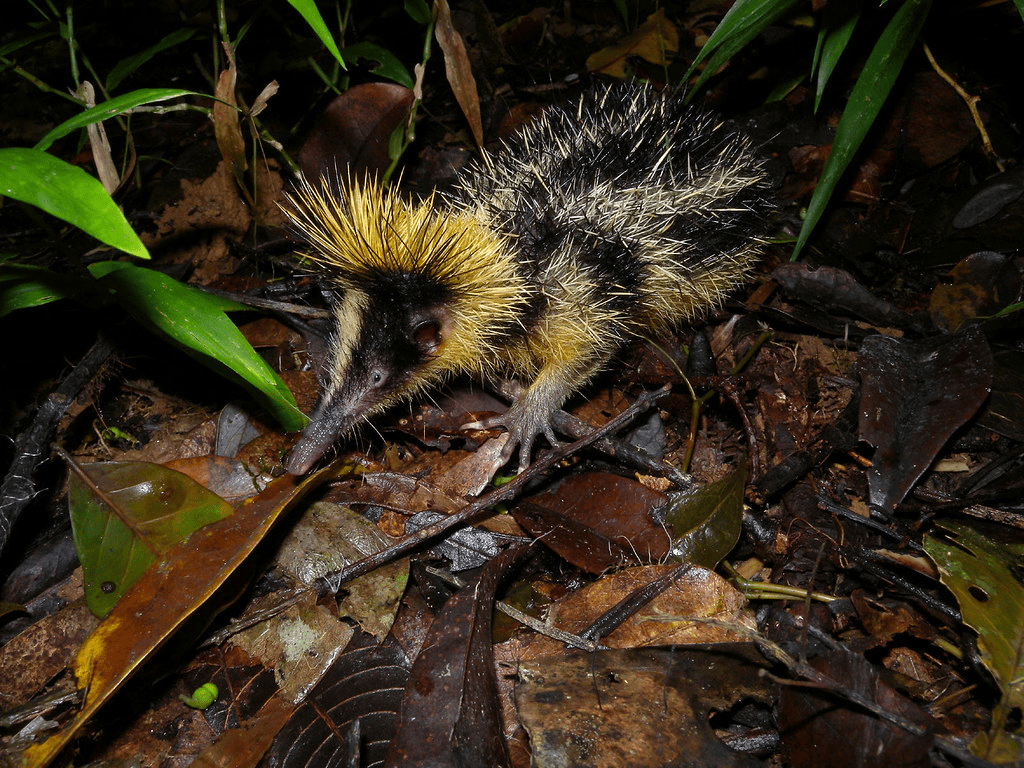
4. Tenrecs: Quirky Insectivores
Tenrecs are small, insect-eating mammals that are native to Madagascar. These quirky creatures exhibit a wide range of adaptations, with some species resembling hedgehogs and others bearing a striking resemblance to shrews. Madagascar is home to over 30 species of tenrecs, making it a hotspot for the study of these unique mammals.
5. Fossa: Madagascar’s Top Predator
The fossa is Madagascar’s largest carnivore and serves as the island’s top predator. Resembling a cross between a cat and a mongoose, the fossa is a skilled hunter capable of taking down prey much larger than itself. With its sleek body and sharp claws, the fossa plays a vital role in regulating the populations of smaller mammals and maintaining the balance of Madagascar’s ecosystems.

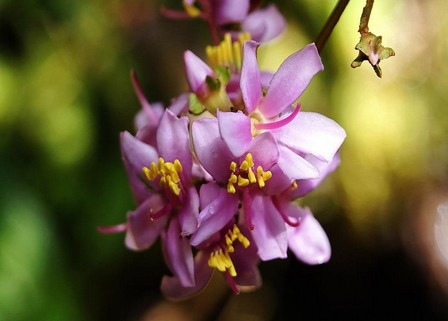
6. Orchids: Exotic Floral Treasures
Madagascar is also home to a stunning array of orchids, many of which are found nowhere else on Earth. These exotic flowers come in a dazzling array of shapes, sizes, and colors, ranging from delicate, miniature blooms to large, showy blossoms. With over 1,000 species of orchids, Madagascar is a paradise for botanists and flower enthusiasts alike.
7. Aye-Aye: The Enigmatic Nocturnal Primate
The aye-aye is one of Madagascar’s most enigmatic inhabitants. This nocturnal primate is known for its distinctive appearance, with large ears, bushy tail, and elongated middle finger used for tapping on trees to locate grubs. Despite its unusual appearance, the aye-aye plays a vital role in Madagascar’s ecosystems as a seed disperser and insect predator.

Threats to Biodiversity
Despite its remarkable biodiversity, the Madagascan faunal subregion faces numerous threats, primarily as a result of human activities. Deforestation, habitat destruction, and land conversion for agriculture are among the most significant threats to the region’s biodiversity. In addition, illegal logging, hunting, and the illegal wildlife trade pose serious challenges to the conservation of the subregion’s unique flora and fauna.
Conservation Efforts
Several efforts aim to mitigate these threats:
Ecotourism initiatives promoting biodiversity education and funding.
National Parks and Reserves (e.g., Andasibe-Mantadia, Ranomafana).
Community-based conservation involving local residents in sustainable resource use.
Support from international NGOs like WWF, CI, and the Durrell Wildlife Conservation Trust.
Conclusion
The Madagascan faunal subregion is a treasure trove of biodiversity, with its rich array of plants and animals making it one of the most unique and distinctive regions on Earth. From the lush rainforests of Madagascar to the pristine coral reefs surrounding its shores, the subregion is home to a remarkable diversity of life, much of which is found nowhere else on the planet.
Source:
- https://www.britannica.com/science/biogeographic-region/Madagascan-region
- https://www.encyclopedia.com/earth-and-environment/ecology-and-environmentalism/environmental-studies/madagascan-floral-region
FAQs
- What is Madagascar known for?
Madagascar is known for its unique wildlife, particularly its endemic species like lemurs, chameleons, and baobab trees. - What ocean surrounds Madagascar?
Madagascar is surrounded by the Indian Ocean. - What rainforest is in Madagascar?
The island features several rainforests, including the Andasibe-Mantadia and Ranomafana National Parks. - What African region is Madagascar in?
Although located in the Indian Ocean, Madagascar is considered part of the Afrotropical biogeographic region. - Where are most of Madagascar’s plants and animals found?
Many species thrive in Madagascar’s rainforests, dry forests, and mountain regions. - Where in Madagascar do fossas live?
Fossas inhabit forests throughout Madagascar, including both rainforests and dry deciduous forests. - Why is Madagascar so unique?
Its long isolation from mainland Africa led to the evolution of highly specialized and endemic species. - Why does Madagascar have unique species?
Due to millions of years of geographic isolation, species evolved independently on the island. - Why is Madagascar endangered?
Madagascar faces threats from deforestation, climate change, and illegal wildlife trade. - Why is Madagascar so important?
It’s one of the world’s most critical conservation areas due to its exceptional biodiversity. - How was Madagascar formed?
Madagascar split from the African mainland about 160 million years ago, and later from India about 88 million years ago. - How much of Madagascar has been deforested?
Approximately 44% of Madagascar’s natural forest cover has been lost. - How much rainforest is left in Madagascar?
Less than 10% of Madagascar’s original rainforest remains intact. - How often does Madagascar have droughts?
The southern regions of Madagascar experience frequent droughts, exacerbated by climate change. - How much arable land does Madagascar have?
About 5.2 million hectares of land in Madagascar is considered arable. - Are lemurs found outside Madagascar?
No, lemurs are endemic to Madagascar and are not naturally found anywhere else. - How many animal species are in Madagascar?
There are over 200,000 known species, with thousands yet to be scientifically described. - How many endangered species are in Madagascar?
Over 2,900 species are currently listed as threatened or endangered in Madagascar.


 Decoding Biosphere