The Macaronesian floral region includes the volcanic island groups of the Azores, Madeira, Canary Islands, and Cape Verde. It is known for its unique plant species and diverse ecosystems due to its isolation, oceanic climate, and geological history. This article explores the region’s ecosystems, evolution, and conservation challenges.
Geographical Context and Environmental Factors
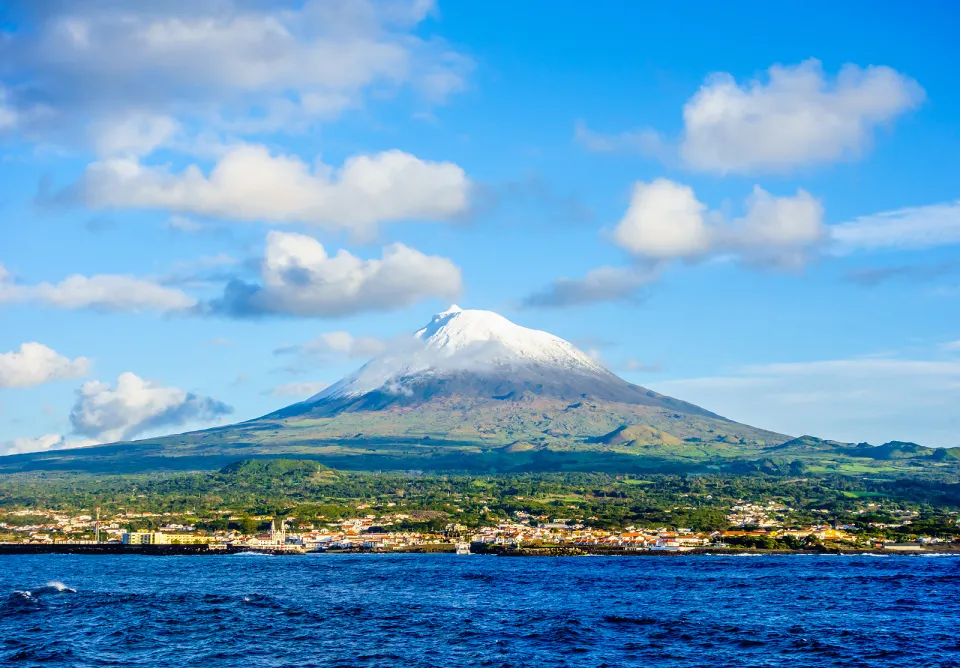
Situated in the North Atlantic Ocean off the coast of Africa and Europe, the Macaronesian islands form a chain of volcanic peaks rising from the depths of the ocean. The geological origins of these islands, shaped by volcanic activity and tectonic forces, have fostered unique habitats and microclimates conducive to the evolution of diverse flora.
The Macaronesian region experiences a subtropical oceanic climate characterized by mild temperatures, high humidity, and frequent cloud cover. This maritime influence, combined with the islands’ topography and elevation gradients, creates a mosaic of ecological niches ranging from coastal cliffs and laurel forests to high-altitude cloud forests and semi-arid scrublands.
Biodiversity and Endemism
One of the defining features of the Macaronesian floral region is its high levels of plant endemism, with many species restricted to specific islands or habitats. The islands’ isolation, combined with long-distance dispersal events and adaptive radiation, has led to the evolution of numerous endemic plant lineages adapted to diverse environmental conditions.
Among the most iconic examples of Macaronesian endemism are the laurel forests (laurisilva) found in the Azores, Madeira, and Canary Islands. These ancient evergreen forests, characterized by dense foliage, moss-covered trees, and lush undergrowth, harbor a rich diversity of plant species, including laurels (Laurus spp.), heathers (Erica spp.), and tree ferns (Cyathea spp.).
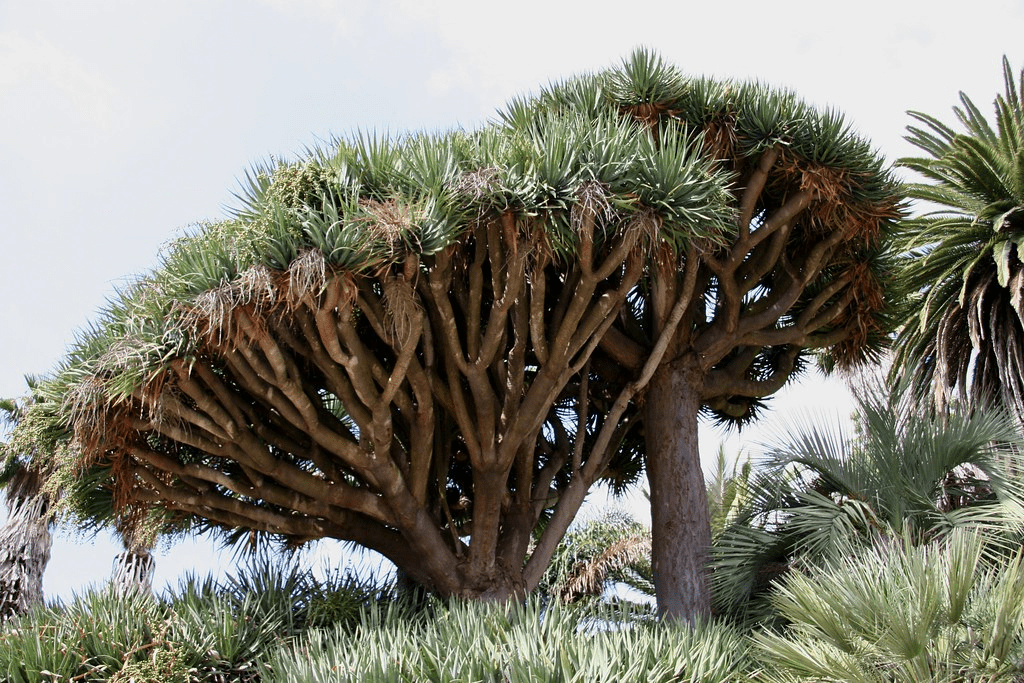
The Canary Islands, in particular, boast a wealth of endemic flora, with approximately 600 native species found exclusively within the archipelago. Notable examples include the dragon tree (Dracaena draco), the canary island pine (Pinus canariensis), and the Tajinaste (Echium wildpretii), a striking red-flowered plant endemic to Tenerife.
examples of endemic plant species found in the Macaronesian floral region
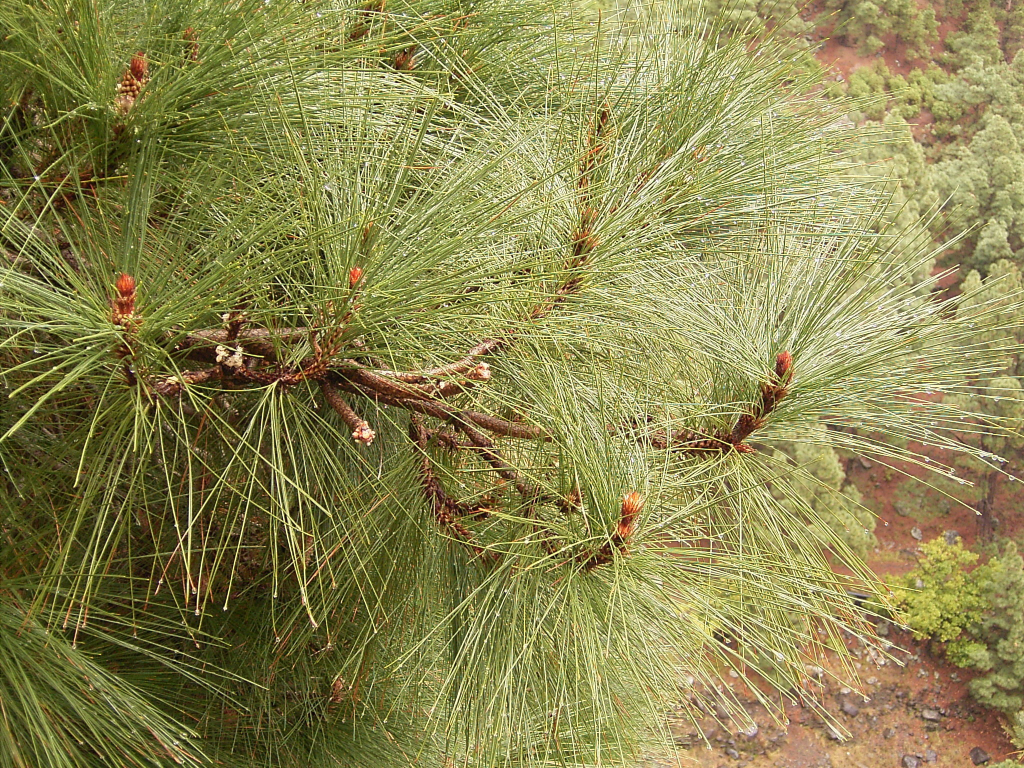
Canary Island Pine (Pinus canariensis): Endemic to the Canary Islands, this large evergreen tree is a dominant species in the island’s pine forests, characterized by its tall stature, thick trunk, and long needles adapted to drought conditions.
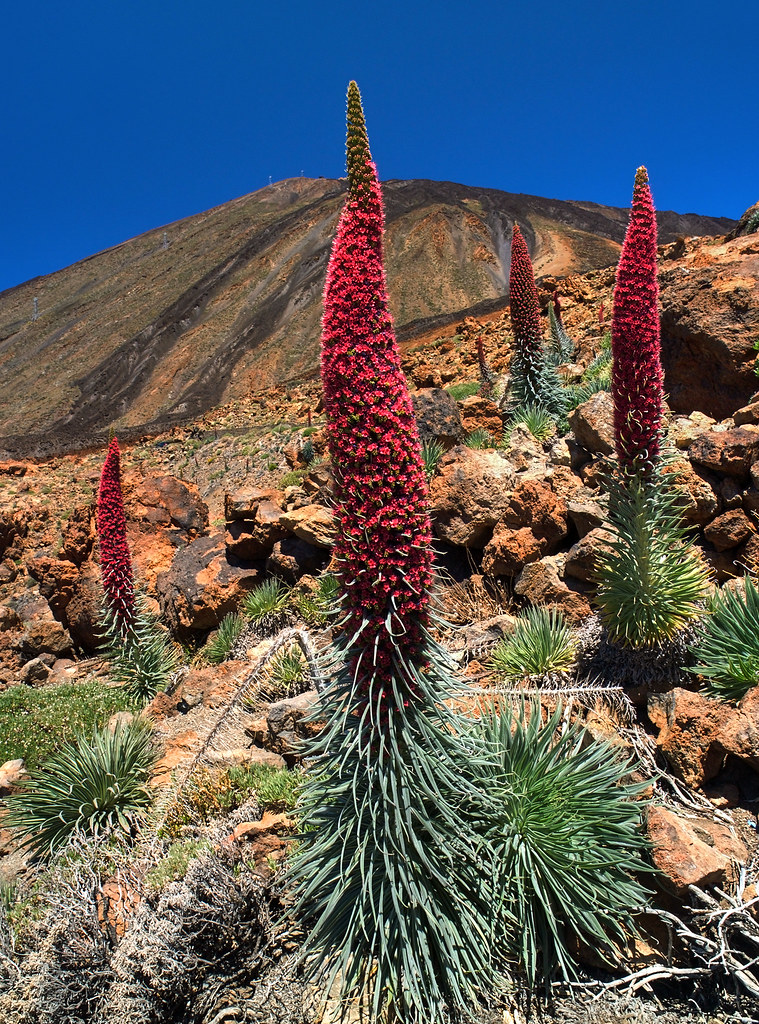
Tajinaste (Echium wildpretii): Native to the island of Tenerife in the Canary Islands, the Tajinaste is a striking flowering plant known for its tall spike of bright red tubular flowers. It is a symbol of the island’s rugged volcanic landscapes and is often found in high-altitude habitats.
Dragon Tree (Dracaena draco): Endemic to the Canary Islands, Cape Verde, and Madeira, the Dragon Tree is a distinctive species with a stout, gnarled trunk and tufted crown of sword-shaped leaves. It has cultural significance in local folklore and is often found in arid coastal areas.
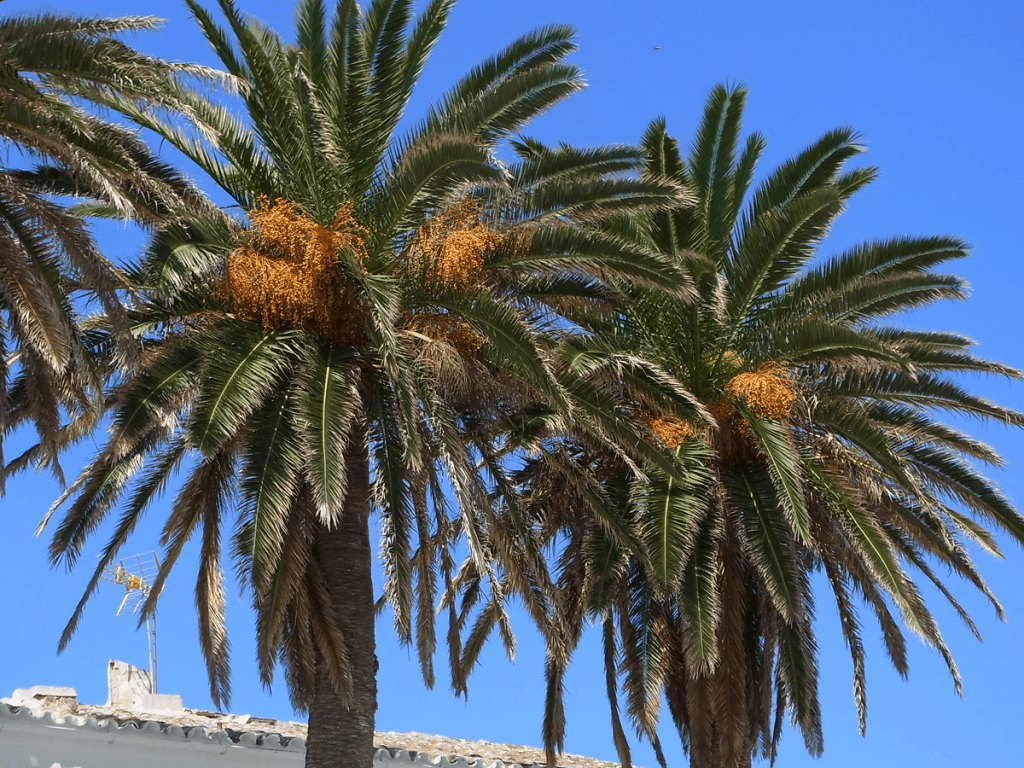
Canary Island Date Palm (Phoenix canariensis): Native to the Canary Islands, this palm species is characterized by its tall trunk and large, feathery fronds. It is widely cultivated as an ornamental plant and is iconic to the landscapes of the Canary Islands.
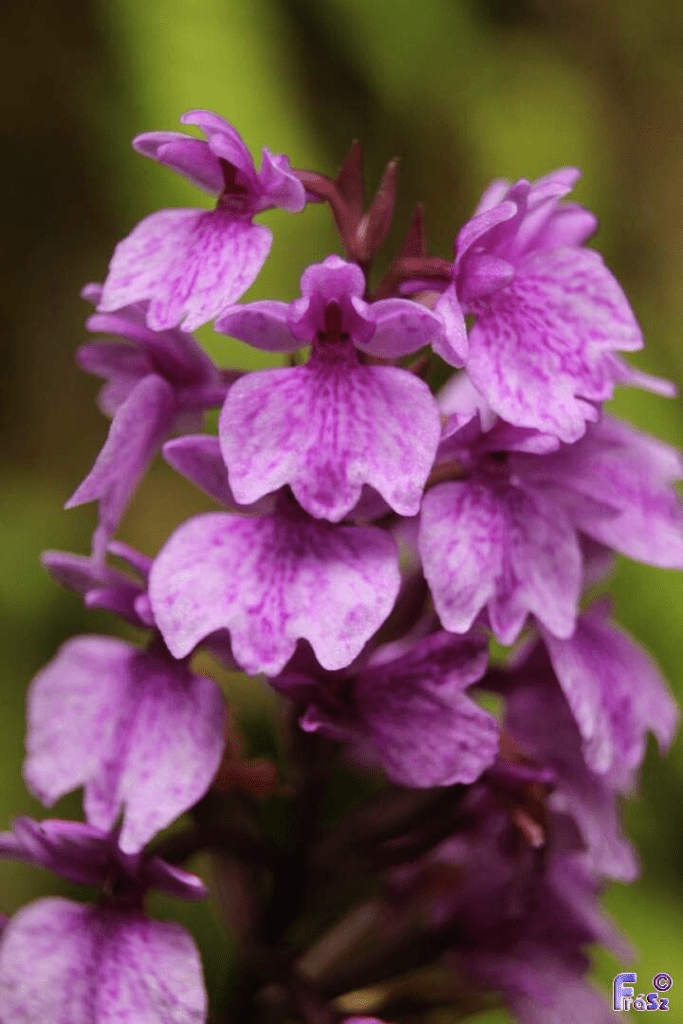
Madeira Orchid (Dactylorhiza foliosa): Endemic to the island of Madeira, this orchid species is known for its showy pink or purple flowers and distinctive broad leaves. It is found in moist, montane habitats and is a symbol of the island’s rich floral diversity.
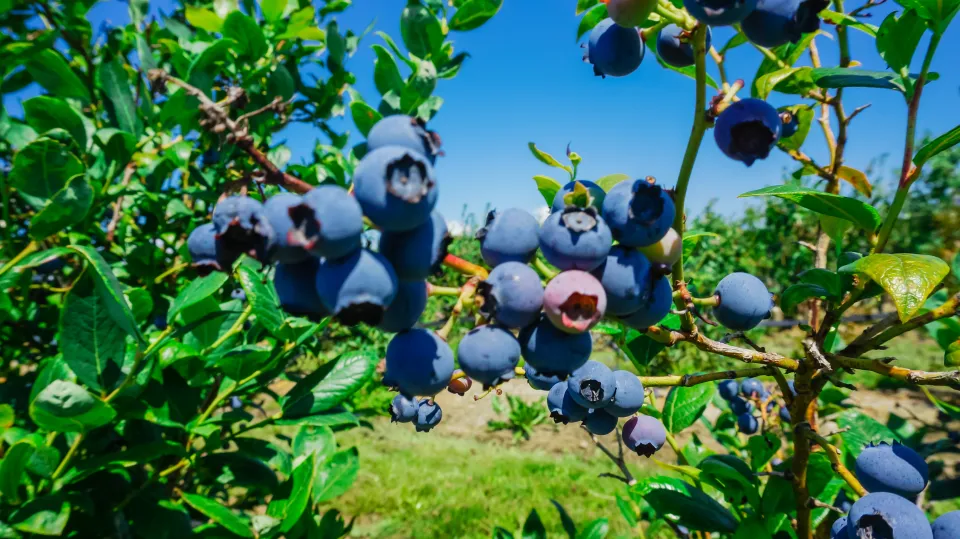
Azores Blueberry (Vaccinium cylindraceum): Endemic to the Azores, this species of blueberry is found in the island’s native forests and heathlands. It produces small, dark blue berries that are enjoyed by birds and wildlife and are also used in traditional Azorean cuisine.
Evolutionary Processes and Adaptations
The evolutionary history of Macaronesian flora is influenced by various geological events, climatic fluctuations, and ecological interactions. The islands’ volcanic origins, coupled with their episodic colonization by plant dispersal mechanisms such as wind, birds, and ocean currents, have fueled adaptive radiations and speciation events over millions of years.
Island biogeography theory says that smaller, more isolated islands have fewer types of species but more unique ones because there is less movement of genes and more specialization. The Macaronesian islands have many unique plant communities that are adapted to different habitats and climates, like the cloud forests of La Gomera and the dry coastal dunes of Porto Santo.
Adaptive traits such as succulence, drought tolerance, and wind resistance are common among Macaronesian plants, enabling them to thrive in harsh and unpredictable environments. Many species exhibit unique morphological features, such as thick waxy leaves, water-storing tissues, and elaborate reproductive structures, which enhance their survival and reproductive success in island ecosystems.
Conservation Challenges and Strategies
Despite their ecological significance and cultural value, the Macaronesian islands face numerous conservation challenges, including habitat destruction, invasive species, climate change, and human disturbance. Anthropogenic activities such as agriculture, urbanization, and tourism have led to habitat loss, fragmentation, and degradation, threatening the survival of endemic plant species and ecosystems.
Invasive species are a big problem for the plants and animals in the Macaronesian islands. Plants like the Australian cheeseweed and the agave from America are taking over from the local plants and changing how the environment works. It’s really important to work hard to get rid of these invasive plants and manage them well to protect the native habitats and stop more plants and animals from disappearing.
Climate change poses a big threat to the Macaronesian floral region. Rising temperatures, changes in rain patterns, and more extreme weather will affect plants and ecosystems. To help the plants adapt and reduce the impact of climate change, it’s important to restore habitats, reintroduce species, and use land management practices that can withstand the changing climate.
Final Notes
The Macaronesian floral region stands as a living laboratory of evolutionary marvels and ecological resilience, offering invaluable insights into the dynamic processes shaping Earth’s biodiversity. From the windswept cliffs of Madeira to the mist-shrouded forests of La Palma, each island harbors a treasure trove of endemic plant species adapted to its unique environmental conditions.
You May Also Like


 Decoding Biosphere