
A plant-based diet is one that consists mostly or entirely of foods derived from plants, such as vegetables, fruits, grains, legumes, nuts, and seeds. A plant-based diet does not necessarily mean a vegan or vegetarian diet, as some people may still consume small amounts of animal products, such as eggs, dairy, or fish. However, a plant-based diet emphasizes the consumption of whole, unprocessed, and minimally refined plant foods, and avoids or limits the intake of animal products, especially those from factory farms.
There are many reasons why a plant-based diet is optimal for human health, the environment, and animal welfare. Here are 11 of them:

1. A plant-based diet can lower the risk of chronic diseases
Numerous studies have shown that a plant-based diet can lower the risk of various chronic diseases, such as cardiovascular disease, diabetes, obesity, hypertension, and some cancers . This is because plant foods are rich in antioxidants, phytochemicals, fiber, and other nutrients that can modulate inflammation, oxidative stress, blood pressure, blood sugar, cholesterol, and hormone levels . Moreover, plant foods are generally lower in calories, saturated fat, cholesterol, and sodium than animal foods, which can contribute to weight management and metabolic health.
2. A plant-based diet can improve gut health
The gut microbiome is the collection of trillions of microorganisms that live in the digestive tract and play a vital role in digestion, immunity, metabolism, and mood. A plant-based diet can improve gut health by providing a diverse and abundant source of prebiotics, which are the indigestible fibers that feed the beneficial bacteria in the gut. A plant-based diet can also reduce the intake of antibiotics, hormones, and other additives that are often found in animal products and can disrupt the gut microbiome. A healthy gut microbiome can enhance nutrient absorption, immune function, metabolic regulation, and mental well-being.
3. A plant-based diet can protect the brain
The brain is the most complex and sensitive organ in the body, and it requires a constant supply of oxygen, glucose, and nutrients to function properly. A plant-based diet can protect the brain by preventing or delaying cognitive decline, dementia, and Alzheimer’s disease . This is because plant foods can provide antioxidants, anti-inflammatory compounds, and essential fatty acids that can protect the brain from oxidative damage, inflammation, and amyloid plaque formation . Additionally, plant foods can support the production of neurotransmitters, such as serotonin and dopamine, that regulate mood, memory, and learning.
4. A plant-based diet can save water
Water is a precious and finite resource that is essential for life. However, water scarcity is a global problem that affects billions of people and threatens food security, health, and biodiversity. A plant-based diet can save water by reducing the demand for animal agriculture, which is one of the most water-intensive and wasteful industries in the world.
5. A plant-based diet can reduce greenhouse gas emissions
Greenhouse gas emissions are the main cause of climate change, which is a serious threat to the planet and humanity. Climate change can lead to extreme weather events, sea level rise, biodiversity loss, food insecurity, and human displacement. A plant-based diet can reduce greenhouse gas emissions by lowering the demand for animal agriculture, which is responsible for 14.5% of the global greenhouse gas emissions, more than the entire transport sector. According to a 2018 study, animal products account for 57% of the global food-related greenhouse gas emissions, while plant products account for only 29%. The same study estimated that shifting to a plant-based diet could reduce the global food-related greenhouse gas emissions by 49%, saving 6.6 gigatons of carbon dioxide equivalent per year.
6. A plant-based diet can reduce animal suffering
Animal suffering is the term used to describe the physical and psychological pain, distress, and harm that animals experience as a result of human actions. Animal suffering is a moral issue that concerns the rights, welfare, and interests of animals. A plant-based diet can reduce animal suffering by reducing the demand for animal products, which are the main source of animal suffering in the world. According to a 2019 report, animal agriculture kills 72 billion land animals and 1.2 trillion aquatic animals every year, most of them in cruel and inhumane conditions. The report also estimated that shifting to a plant-based diet could spare 8.1 billion land animals and 100 billion aquatic animals from slaughter every year.
7. A plant-based diet can improve human health
Human health is the state of physical, mental, and social well-being of a person. Human health is influenced by many factors, such as genetics, lifestyle, environment, and diet. A plant-based diet can improve human health by providing a balanced and nutritious diet that can prevent and treat many diseases, as discussed in point 1. A plant-based diet can also improve human health by reducing the exposure to antibiotics, hormones, pathogens, and toxins that are often found in animal products and can cause infections, allergies, and cancers . Additionally, a plant-based diet can improve human health by promoting a positive and compassionate attitude towards oneself, other beings, and the planet .
8. A plant-based diet can save money
Money is a medium of exchange that is used to buy goods and services. Money is also a measure of value, wealth, and well-being. A plant-based diet can save money by reducing the expenditure on food, health care, and environmental costs. A plant-based diet can reduce the expenditure on food by choosing cheaper and more accessible plant foods, such as grains, beans, and seasonal fruits and vegetables, over expensive and scarce animal foods, such as meat, dairy, and eggs. A plant-based diet can reduce the expenditure on health care by preventing and treating many diseases, as discussed in point 1, and avoiding the medical bills, drugs, and surgeries that are associated with them.
9. A Plant-based diet offers diversity of dishes and flavors
One of the benefits of a plant-based diet is the diversity of dishes it offers. From spicy curries to creamy soups, from crunchy salads to chewy breads, there is something for every taste and preference. A plant-based diet also exposes us to different cultures and regions, and their unique ways of preparing and enjoying food. We can learn about the history, traditions, and values of other people through their cuisine, and appreciate the richness and beauty of our world. A plant-based diet is not only healthy, but also fun, exciting, and delicious.
10. Plant-based diet improves longevity and well-being
Another benefit of a plant-based diet is the improvement of longevity and well-being.
Studies have shown that people who follow a plant-based diet tend to live longer and healthier than those who consume animal products. A plant-based diet can prevent or reverse many chronic diseases, such as heart disease, diabetes, and cancer, that are leading causes of death and disability. A plant-based diet can also enhance the quality of life by boosting energy, mood, cognition, and mental health. By following a plant-based diet, we can not only extend our lifespan, but also enjoy our life more fully and meaningfully. A plant-based diet is not only good for our body, but also for our mind and soul.
11. Plant-based diet contributes to global food security
A plant-based diet also has positive impacts on global food security and justice. By consuming more plant-based foods, we can reduce the demand for animal products, which are inefficient and wasteful in terms of land, water, and energy use. A plant-based diet can also help to distribute food more equitably, as animal agriculture consumes a large share of the world’s crops and grains, while millions of people suffer from hunger and malnutrition. A plant-based diet can also address the root causes of hunger and poverty, such as climate change, deforestation, soil erosion, water pollution, and biodiversity loss, which are all exacerbated by animal agriculture. By following a plant-based diet, we can not only nourish ourselves, but also protect the environment and the rights of other people and animals.
A plant-based diet is not only a personal choice, but also a social responsibility.
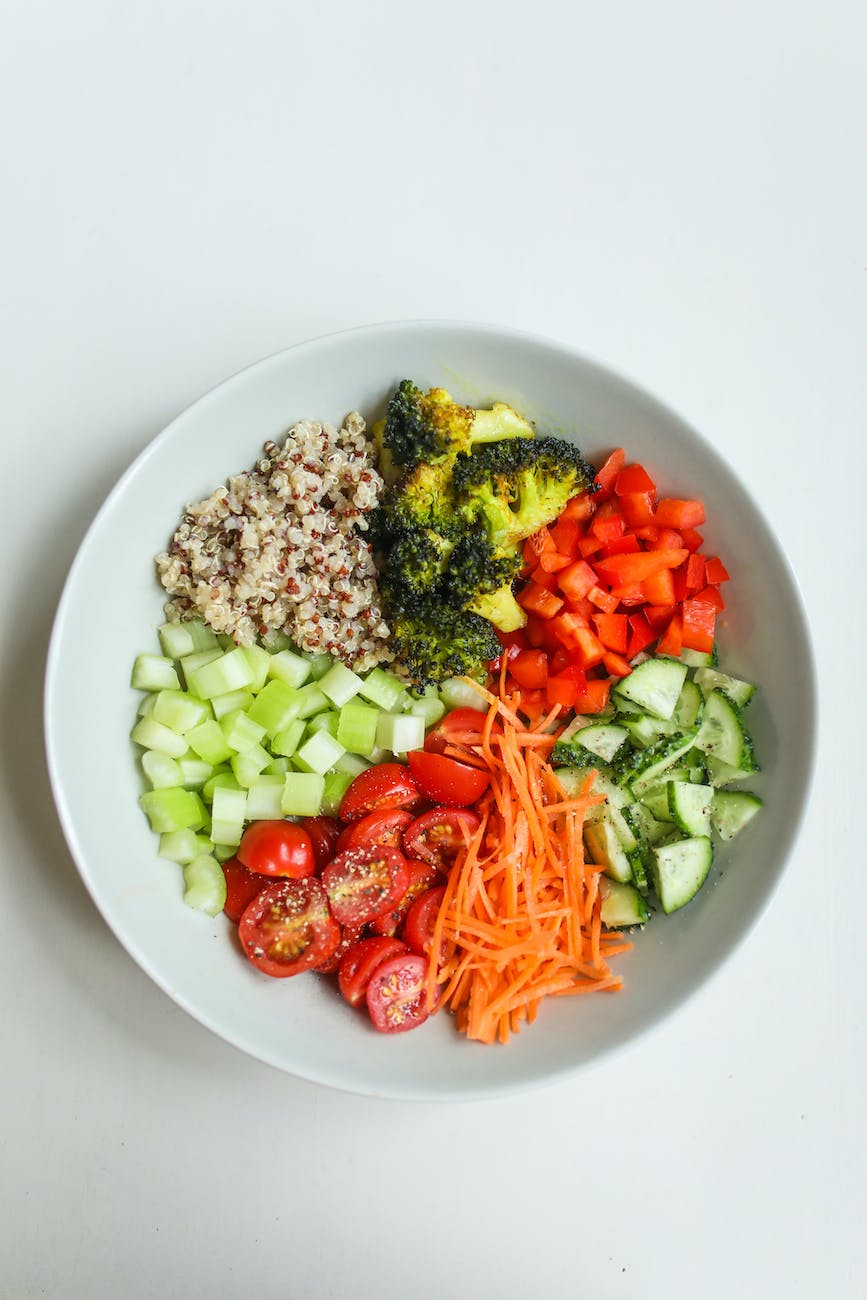
These are some of the reasons why a plant-based diet is optimal. If you are interested in trying it, you can start by incorporating more plant-based foods into your meals, and gradually reducing your intake of animal products. You can also consult a registered dietitian or a health professional for guidance and support. I hope this information was helpful. 😊
Source:
- https://health.usnews.com/wellness/slideshows/reasons-to-choose-a-plant-based-diet
- https://www.sciencedirect.com/topics/agricultural-and-biological-sciences/plant-based-diet
FAQs on Plant Based Diet
- What is a plant-based diet?
- A plant-based diet focuses on consuming foods derived primarily from plants, such as fruits, vegetables, grains, nuts, seeds, and legumes. It minimizes or excludes animal products like meat, dairy, and eggs.
- Why is a plant-based diet considered optimal?
- A plant-based diet is deemed optimal for several reasons, including its health benefits, environmental sustainability, and ethical considerations.
- What are the health benefits of a plant-based diet?
- A plant-based diet is associated with lower risks of chronic diseases like heart disease, diabetes, obesity, and certain cancers. It can also improve cholesterol levels, blood pressure, and overall well-being.
- Is a plant-based diet suitable for all ages?
- Yes, a well-planned plant-based diet can be suitable for people of all ages, including children, adolescents, adults, and older adults. It provides essential nutrients needed for growth, development, and optimal health.
- Can a plant-based diet provide enough protein?
- Yes, plant-based sources like legumes, tofu, tempeh, nuts, seeds, and grains are rich in protein. By including a variety of these foods in the diet, individuals can meet their protein needs.
- Is a plant-based diet environmentally sustainable?
- Yes, a plant-based diet requires fewer resources like water and land compared to animal-based diets. It also produces fewer greenhouse gas emissions and helps reduce deforestation and habitat destruction.
- What about vitamin and mineral deficiencies on a plant-based diet?
- A well-balanced plant-based diet can provide all essential vitamins and minerals, including calcium, iron, vitamin B12, vitamin D, and omega-3 fatty acids. Supplements or fortified foods may be recommended for certain nutrients like vitamin B12.
- Can a plant-based diet help with weight management?
- Yes, a plant-based diet is often lower in calories and saturated fats while being higher in fiber, which can aid in weight management and promote feelings of fullness and satiety.
- Does a plant-based diet support digestive health?
- Yes, the fiber-rich nature of plant-based foods supports digestive health by promoting regular bowel movements, maintaining gut microbiota balance, and reducing the risk of constipation and digestive disorders.
- Can a plant-based diet help prevent and manage chronic diseases?
- Yes, research suggests that a plant-based diet rich in fruits, vegetables, whole grains, and legumes can help prevent and manage chronic diseases like heart disease, diabetes, hypertension, and certain types of cancer.
- How does a plant-based diet contribute to ethical considerations?
- A plant-based diet aligns with ethical considerations related to animal welfare, as it reduces or eliminates the consumption of animal products obtained through factory farming, which often involves animal cruelty and exploitation.
- Is it expensive to follow a plant-based diet?
- A plant-based diet can be affordable, especially when focusing on whole, minimally processed foods like grains, legumes, fruits, and vegetables. Buying seasonal and locally sourced produce can also help reduce costs.
- Can athletes thrive on a plant-based diet?
- Yes, many athletes follow plant-based diets and excel in their respective sports. Plant-based foods provide adequate energy, protein, vitamins, and minerals to support athletic performance, endurance, and recovery.
- Are there cultural considerations when adopting a plant-based diet?
- Yes, cultural traditions and dietary preferences may influence the adoption of a plant-based diet. However, many traditional cuisines worldwide include plant-based foods as staples, making it adaptable to diverse cultural contexts.
- How can one transition to a plant-based diet successfully?
- Transitioning to a plant-based diet gradually by incorporating more plant foods into meals, experimenting with new recipes, and seeking support from online resources, cookbooks, and community groups can help make the transition smoother and more sustainable.
You May Also like


 Decoding Biosphere