
Norovirus, a highly contagious virus, has long been recognized as a major cause of gastroenteritis worldwide. Despite its diminutive size, this pathogen packs a punch, causing severe vomiting, diarrhea, and abdominal pain. In this comprehensive article, we look into the molecular intricacies of norovirus, explore its epidemiology, symptoms, and transmission, and discuss preventive strategies. Our analysis draws from a range of scientific studies and expert opinions, providing a holistic view of this virus.
1. Introduction
Norovirus, also known as the “stomach flu” or “stomach bug,” is not related to influenza but shares a penchant for gastrointestinal distress.
2. Norovirus Basics
2.1 Structure and Classification
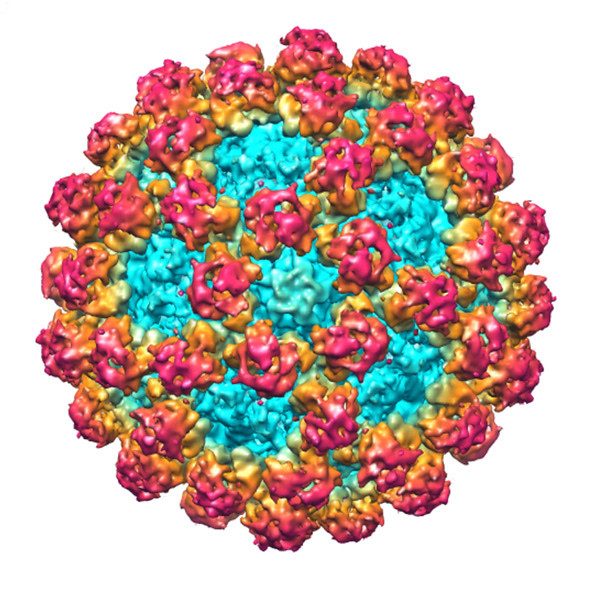
Norovirus belongs to the Caliciviridae family and is a non-enveloped, single-stranded RNA virus. Its genome encodes for structural and non-structural proteins, allowing it to efficiently invade host cells. The virus exhibits a characteristic star-like appearance under electron microscopy, with a central depression resembling a “Christmas tree.”
2.2 Clinical Presentation
The hallmark symptoms of norovirus infection include:
- Diarrhea: Frequent, watery stools that can lead to dehydration.
- Vomiting: Sudden and forceful expulsion of stomach contents.
- Nausea: A queasy feeling often preceding vomiting.
- Stomach pain: Cramping and discomfort in the abdominal region.
3. Transmission
Norovirus spreads like wildfire, primarily through:
- Fecal-oral route: Contaminated food, water, or surfaces play a significant role in transmission. Consuming raw shellfish (such as oysters) harvested from polluted waters is a common source of infection.
- Person-to-person contact: Shaking hands, sharing utensils, or close proximity to an infected individual can lead to rapid dissemination of the virus. Outbreaks often occur in crowded settings like cruise ships, schools, and nursing homes.
4. Global Burden
4.1 Incidence
Norovirus outbreaks occur year-round, but they peak during the winter months. The virus doesn’t discriminate; anyone can fall victim to its wrath. In the United States alone, norovirus is responsible for an estimated 19-21 million cases of acute gastroenteritis annually.
4.2 Vaccine Prospects
Researchers worldwide are racing to develop a norovirus vaccine. Piggybacking on the success of rotavirus vaccines, a novel approach shows promise. Some key challenges include capturing the virus’s diverse genotypes and ensuring long-lasting immunity. Collaborative efforts between academia, industry, and public health agencies are crucial in this pursuit.
5. Prevention Strategies
To fend off norovirus:
- Hand hygiene: Regularly wash hands thoroughly with soap and water, especially after using the restroom and before handling food.
- Proper food handling: Cook shellfish thoroughly (reaching an internal temperature of 145°F) and avoid preparing food while sick. Disinfect surfaces and utensils to prevent cross-contamination.
- Stay home when ill: Contain the virus’s spread by avoiding close contact with others during the acute phase of illness.
6. how to diagnose a norovirus infection?
Diagnosing a norovirus infection involves recognizing the symptoms and, if needed, conducting specific tests. Here’s how it’s done:
- Clinical Assessment:
- Symptoms: Norovirus infection typically presents with symptoms such as nausea, vomiting, abdominal pain, and watery diarrhea.
- Outbreak Context: During outbreaks (especially in crowded settings), clinical suspicion plays a crucial role in diagnosis.
- Stool Sample Testing:
- Stool sample: If necessary, a stool sample is collected.
- PCR (Polymerase Chain Reaction):
- A highly sensitive and specific test.
- Detects the presence of norovirus RNA in the stool.
- Confirms the diagnosis.
- ELISA (Enzyme-Linked Immunosorbent Assay):
- An antibody-based test.
- Less sensitive and specific compared to PCR.
- Used when PCR is not available or practical.
- Treatment and Self-Care:
- Supportive Care: There’s no specific antiviral treatment for norovirus.
- Fluid Replacement: Focus on preventing dehydration.
- Oral rehydration solutions are recommended.
- Intravenous fluids may be necessary if oral intake is insufficient.
- Anti-Diarrheal Medication: Over-the-counter options can provide symptomatic relief.
- Self-Care Measures:
- Avoid sugary drinks, caffeine, and alcohol.
- Gradually reintroduce bland, easy-to-digest foods.
- Rest and hygiene are essential.
7. Conclusion
Norovirus may be small, but its impact is colossal. As we continue our battle against this stealthy foe, let us remain vigilant and informed. Public health measures, research advancements, and community awareness play pivotal roles in minimizing the burden of norovirus-related illnesses.
References
- Centers for Disease Control and Prevention (CDC). Norovirus.
- Washington University School of Medicine. New approach targets norovirus, world’s leading cause of foodborne illness (2023).
- Ahmed SM, Hall AJ, Robinson AE, et al. The Vast and Varied Global Burden of Norovirus: Prospects for Prevention and Control. PLOS Medicine. 2016;13(4):e1001999. Read full article.
- Zhang S, Chen Y, Wang J, et al. Molecular characteristics of norovirus in sporadic and outbreak cases in Sichuan, China. Virology Journal. 2022;19(1):206. Read full article.
Remember, knowledge is our best defense against norovirus. Stay informed, stay safe! 🌟
You May Also like


 Decoding Biosphere