
Solar energy, derived from the sun’s radiant light and heat, is a sustainable and renewable resource that has gained increasing popularity in recent years. From powering homes and businesses to heating water and charging electronic devices, solar energy offers a wide range of everyday applications that contribute to energy efficiency and environmental sustainability. In this article, we will explore the diverse uses of solar energy in our daily lives, highlighting its benefits and potential for a brighter, more sustainable future.
Understanding Solar Energy
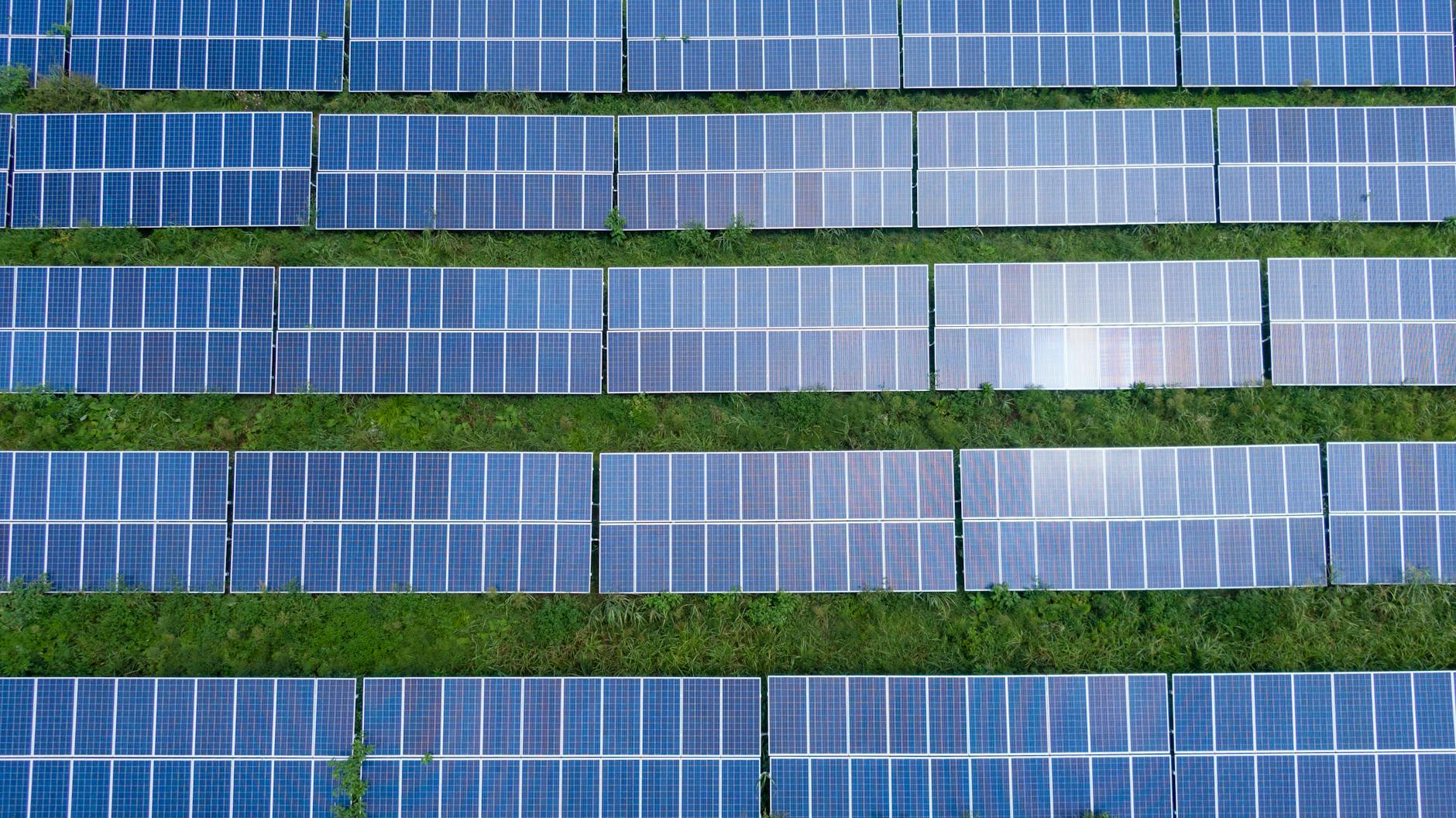
Solar energy is harnessed through photovoltaic (PV) panels, solar thermal systems, and other solar technologies that capture and convert sunlight into usable energy. Photovoltaic panels, made of semiconductor materials such as silicon, generate electricity when exposed to sunlight, while solar thermal systems use sunlight to heat water or air for various applications.
Everyday Uses for Solar Energy
1. Solar-Powered Homes:
One of the most common applications of solar energy is in residential buildings. Solar panels installed on rooftops or in backyard solar arrays capture sunlight and convert it into electricity to power lights, appliances, and other electrical devices in the home. Solar energy systems can significantly reduce electricity bills and reliance on the grid, especially in regions with abundant sunlight.
2. Solar Water Heating:
Solar thermal systems can heat water for domestic use, including bathing, laundry, and dishwashing. Solar water heaters consist of solar collectors that absorb sunlight and transfer heat to water stored in a tank or circulation system. Solar water heating systems are cost-effective and environmentally friendly alternatives to conventional water heaters, reducing energy consumption and greenhouse gas emissions.
3. Solar-Powered Outdoor Lighting:
Solar-powered outdoor lighting fixtures, such as solar garden lights and pathway lights, use photovoltaic panels to charge built-in batteries during the day and illuminate outdoor spaces at night. Solar lights are easy to install, require no wiring or electricity, and provide reliable lighting for gardens, walkways, and landscapes.
4. Solar-Powered Gadgets and Devices:
Solar energy is increasingly powering a variety of gadgets and devices, including solar-powered chargers for smartphones, tablets, and laptops. Portable solar chargers, equipped with photovoltaic panels, harness sunlight to recharge electronic devices on the go, making them ideal for outdoor activities, camping trips, and emergency situations.
5. Solar-Powered Ventilation:
Solar attic fans and ventilation systems help regulate indoor temperature and improve air quality by expelling hot air and moisture from attics, crawl spaces, and other enclosed areas. Solar-powered ventilation systems operate silently and efficiently, reducing the need for traditional electric fans and air conditioners.
6. Solar-Powered Transportation:
Solar energy is being integrated into various modes of transportation, including solar-powered cars, bicycles, boats, and airplanes. Solar vehicles use photovoltaic panels to generate electricity for propulsion or auxiliary systems, offering sustainable alternatives to fossil fuel-powered transportation and reducing carbon emissions.
7. Solar-Powered Pumping Systems:
Solar-powered water pumps are used for irrigation, livestock watering, and remote water supply in rural and off-grid areas. Solar pumps utilize photovoltaic panels to power electric motors or directly drive water pumps, providing reliable and environmentally friendly solutions for agricultural and water management applications.
8. Solar-Powered Streetlights:
Solar-powered streetlights are increasingly used in urban and rural areas to provide illumination for roads, sidewalks, and public spaces. Solar streetlights incorporate photovoltaic panels, LED lamps, and energy storage batteries to deliver efficient and sustainable outdoor lighting solutions, reducing energy costs and carbon footprint.
Benefits of Solar Energy
The widespread adoption of solar energy offers numerous benefits for individuals, communities, and the environment:
- Renewable and Sustainable: Solar energy is abundant, renewable, and environmentally friendly, reducing dependence on fossil fuels and mitigating climate change.
- Cost-Effective: Solar energy systems provide long-term cost savings on electricity bills and maintenance expenses, offering a reliable return on investment.
- Energy Independence: Solar energy empowers individuals and communities to generate their own electricity and reduce reliance on centralized power grids, increasing energy independence and resilience.
- Job Creation and Economic Growth: The solar energy industry creates jobs, stimulates economic growth, and fosters innovation in research, manufacturing, and technology development.
- Environmental Benefits: Solar energy reduces air and water pollution, conserves natural resources, and protects ecosystems, contributing to cleaner air, water, and land for future generations.
Conclusion
In conclusion, solar energy offers a multitude of practical applications that enhance our daily lives while reducing our environmental footprint. From generating electricity and heating water to illuminating outdoor spaces and powering electronic devices, solar energy provides clean, renewable power that is accessible and affordable.
You May Also Like


 Decoding Biosphere