In the world of architecture, a term gaining attention is “Eco Brutalism.” But what exactly does it mean, and does it live up to its eco-friendly name? Let’s break it down in simpler terms.
Understanding Eco Brutalism:
Eco Brutalism combines two seemingly contradictory words – “eco,” suggesting environmental consciousness, and “brutalism,” a style often associated with imposing concrete structures. This architectural trend aims to create sustainable and environmentally friendly designs while maintaining the bold and robust aesthetics of brutalist architecture.
“Study nature, love nature, stay close to nature. It will never fail you.”
Frank Lloyd Wright
The Roots of Brutalism:
Brutalism emerged in the mid-20th century, characterized by its extensive use of raw concrete, bold geometric shapes, and a focus on functionality. Iconic structures like the Barbican Centre in London and the National Theatre in Washington, D.C., exemplify the brutalist style.
The Eco Twist:
Incorporating “eco” into brutalism signifies a shift towards sustainability. Architects embracing Eco Brutalism aim to use eco-friendly materials, prioritize energy efficiency, and design structures that harmonize with nature rather than overpowering it.
Eco-Friendly Features of Eco Brutalism:
- Material Selection:
- Eco Brutalist designs often opt for sustainable and recycled materials. These may include recycled steel, reclaimed wood, or concrete alternatives with lower environmental impact.
- Green Spaces Integration:
- Unlike traditional brutalist structures that might seem monolithic, Eco Brutalism incorporates green spaces. Rooftop gardens, vertical gardens, and communal green areas soften the concrete jungle and promote biodiversity.
- Energy Efficiency:
- Energy-efficient technologies, such as solar panels, advanced insulation, and smart building systems, are integral to Eco Brutalist designs. These features reduce energy consumption and contribute to a smaller carbon footprint.
- Water Conservation:
- Water management is a crucial aspect. Eco Brutalism often includes systems for rainwater harvesting, efficient water use, and even on-site wastewater treatment to minimize the impact on local water resources.
Examples of Eco Brutalist Structures:
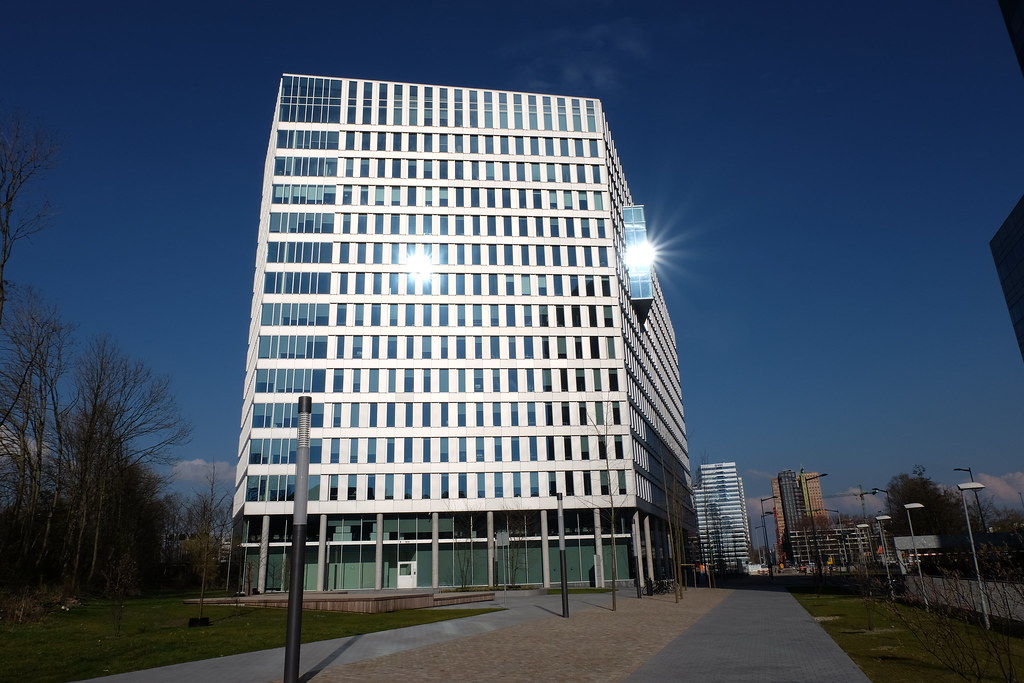
The Edge, Amsterdam:
The Edge, a sustainable office building in Amsterdam, embraces Eco Brutalism. It features a sleek concrete exterior, but its interior boasts cutting-edge green technologies, earning it recognition as one of the greenest buildings globally.
Tenerife Music Pavilion, Spain:
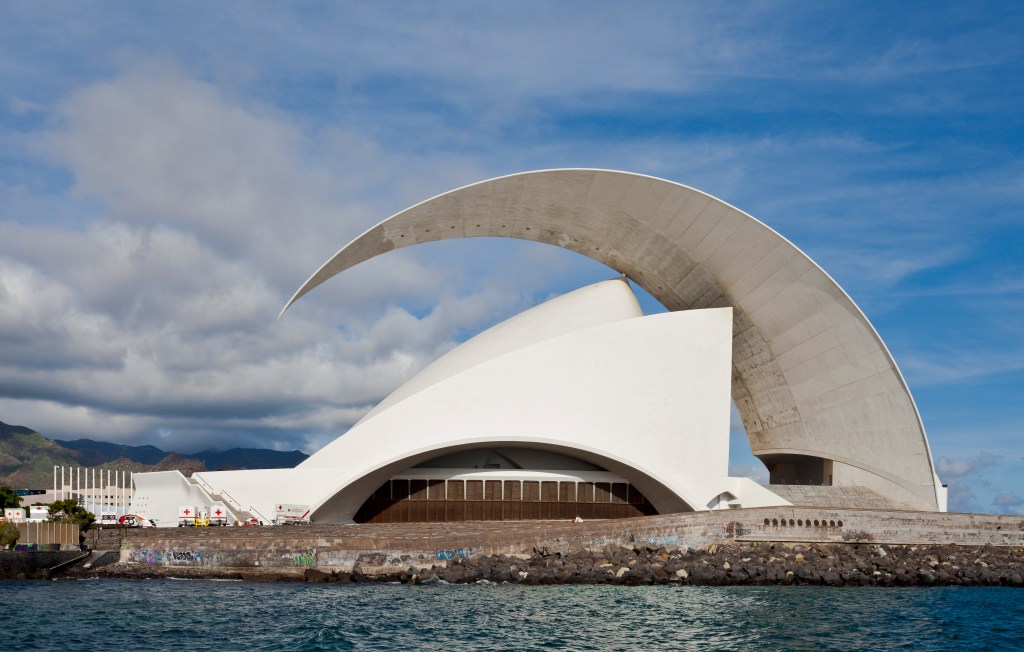
The Tenerife Music Pavilion combines brutalist aesthetics with eco-friendly features. Its concrete structure is complemented by a design that encourages natural ventilation, reducing the need for artificial cooling.
Is Eco Brutalism Truly Eco-Friendly?
While the term “Eco Brutalism” suggests a commitment to sustainability, it’s essential to scrutinize individual projects. Not every structure labeled as Eco Brutalist adheres to the principles of environmental responsibility. Some critics argue that the term itself might be more aspirational than descriptive in certain cases.
Challenges and Considerations:
While Eco Brutalism holds promise, challenges exist. Balancing the robust aesthetics of brutalism with sustainable features requires careful thought. Additionally, the carbon footprint associated with concrete production remains a concern, prompting architects to explore alternative materials.
Final THoughts
Eco Brutalism represents a fascinating intersection of two seemingly opposing concepts – environmental consciousness and the boldness of brutalist architecture. As architects and designers continue to explore sustainable practices, the evolution of Eco Brutalism may pave the way for a greener and more resilient urban landscape. It reminds us that even in the midst of concrete, a touch of eco-friendly innovation can flourish.
You May Also Like


 Decoding Biosphere