Imagine a house that feels like a warm embrace from the Earth itself – that’s the essence of an adobe house. In sustainable and environmentally friendly housing, adobe houses stand as a timeless example of harmonizing human living spaces with nature. These earthen abodes, with their unique characteristics, exemplify the beauty of simplicity and sustainability. In this article we will learn about the characteristics, explore examples, and discuss the sustainability aspects that make adobe a compelling choice in architecture.
What are Adobe Houses?
An adobe style house is a unique architectural expression characterized by the use of adobe as the primary building material. Adobe, a mixture of clay, sand, straw, and water, forms sturdy bricks that are sun-dried or baked to create the foundation of these homes. These houses often showcase a distinct Southwestern or Spanish influence, featuring earthy tones and a warm, welcoming aesthetic. The thick adobe walls provide excellent insulation, offering natural temperature regulation and energy efficiency.
Characteristics of Adobe Houses
Natural Building Material:
Adobe houses are made using adobe bricks, a simple mix of clay, sand, straw, and water. This natural blend not only makes the construction process easy but also keeps it light on the environment.
Thermal Mass Properties:
Adobe’s special power lies in its ability to absorb heat during the day and release it slowly at night. This helps keep the temperature inside just right, reducing the need for heaters or air conditioners.
Earthen Aesthetics:
Picture a home with a cozy, earthy appearance – that’s the charm of adobe houses. The natural color and texture of adobe bricks create a welcoming atmosphere, connecting you with the materials that shape your living space.
Low Environmental Impact:
Building with adobe has a gentle touch on the planet. The process of making adobe bricks requires very little energy compared to modern construction materials. Plus, adobe is recyclable and biodegradable, keeping things light on waste.
Historical Significance:
Adobe construction is no newcomer to the scene. It has been around for thousands of years, from the ancient Puebloan people to the iconic missions in California. It’s like living in a bit of history.
Visual Characteristics of Adobe Houses
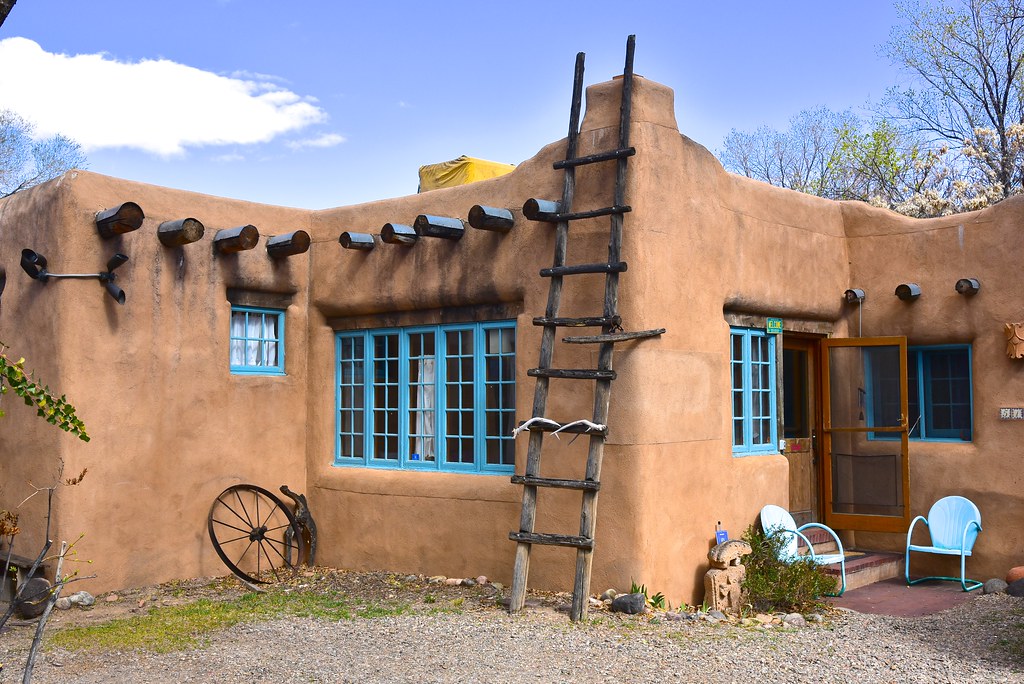
Adobe houses are visually distinctive, reflecting the unique characteristics of this traditional building style. Here are some key visual features of adobe houses:
- Earthy Colors:
- Adobe houses typically display natural and earthy tones, ranging from warm browns to soft terracotta hues. These colors are inherent to the adobe bricks, creating a harmonious blend with the surrounding landscape.
- Smooth, Textured Walls:
- The walls of adobe houses exhibit a smooth and textured surface, often showcasing the handcrafted nature of the construction. The texture adds a tactile quality to the exterior, creating a visually appealing finish.
- Thick Walls:
- One of the most noticeable visual characteristics is the thickness of the walls. Adobe walls are considerably thicker than those in conventional construction, providing insulation and a solid appearance.
- Flat Roofs:
- Adobe houses often feature flat or gently sloping roofs, reflecting the influence of both indigenous and Spanish architectural styles. Flat roofs are practical in arid climates and contribute to the overall aesthetics of the house.
- Rounded Edges and Corners:
- Adobe construction often involves rounded edges and corners. This design element not only adds visual interest but also contributes to the structural integrity of the building.
- Small Windows and Openings:
- Windows and door openings in adobe houses tend to be smaller in comparison to modern structures. This design helps in maintaining the structural stability of the thick adobe walls and provides shade from the intense sun in regions where these houses are prevalent.
- Integration with Nature:
- Adobe houses are designed to seamlessly integrate with their natural surroundings. The use of earthy colors and natural materials connects the structure with the landscape, creating a sense of unity with the environment.
- Courtyards and Outdoor Spaces:
- Many adobe houses feature courtyards or outdoor spaces, emphasizing the importance of communal living and connection with nature. These areas often serve as central hubs for family activities and social gatherings.
- Asymmetrical Layouts:
- Adobe houses may have asymmetrical layouts, contributing to a sense of organic design. The irregular placement of windows, doors, and architectural elements adds character to the overall appearance.
- Decorative Elements:
- Adobe houses may incorporate decorative elements such as hand-painted tiles, wooden beams, or wrought iron features. These details enhance the aesthetic appeal and showcase the craftsmanship involved in the construction.
Examples of Adobe Houses
1. Taos Pueblo, New Mexico:
Step into Taos Pueblo, a UNESCO World Heritage Site. Here, adobe houses have stood for over a thousand years, showcasing the durability and timelessness of this construction style.

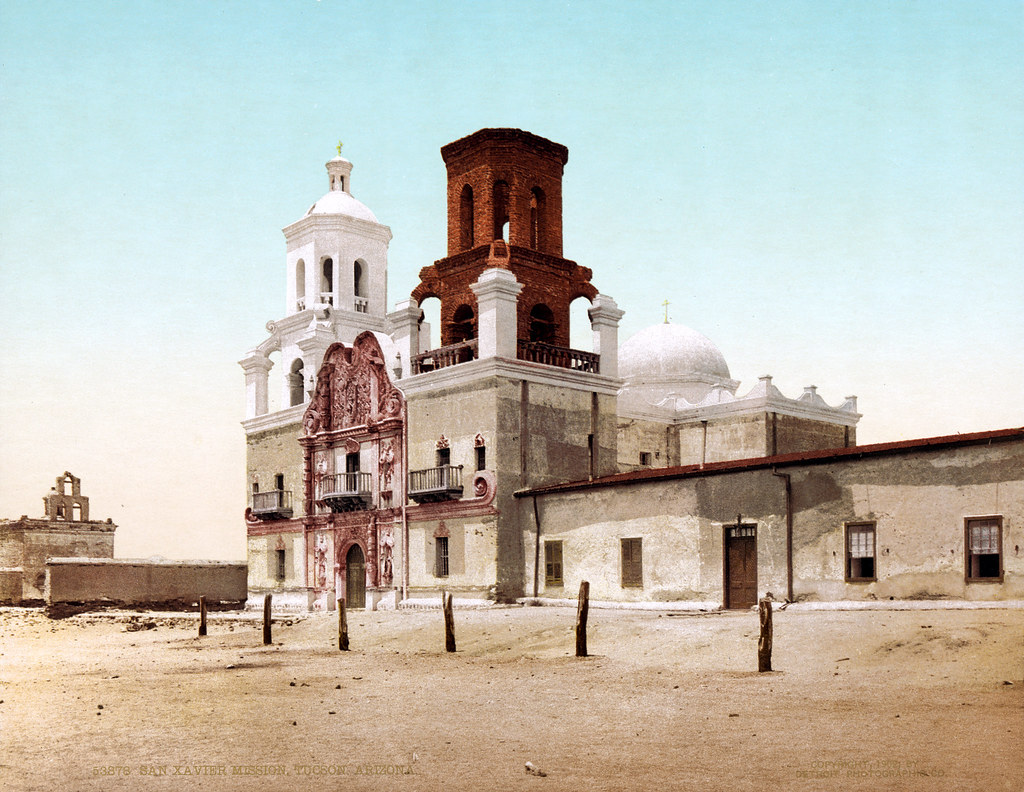
2. San Xavier del Bac, Arizona:
Travel to Arizona, and you’ll find San Xavier del Bac, a historic Spanish mission. The intricate adobe brickwork and indigenous influences make this structure a visual feast.
3. Great Mosque of Djenné, Mali:
Even in Mali, the Great Mosque of Djenné showcases the versatility of earthen building techniques. While not strictly adobe, it proves that similar methods span across different cultures.

Sustainability Aspects of Adobe Houses
Energy Efficiency:
Adobe’s ability to regulate temperature naturally reduces the need for constant heating or cooling. This saves energy, making your home more energy-efficient.
Local and Renewable Materials:
The ingredients for adobe – clay, sand, and straw – are usually found nearby. This means less energy spent on transportation, and it’s using materials that can be replenished easily.
Natural Cooling:
Thick adobe walls act like nature’s air conditioner, keeping your home cool in hot climates. Less need for air conditioning means more energy saved.
Recyclability:
When it’s time to make changes or take down an adobe structure, the bricks can be recycled or repurposed. It’s like giving them a new life instead of adding to a landfill.
Final Thoughts
In the search for sustainable living, adobe houses are great examples of thoughtful architecture. Their natural characteristics not only create beautiful homes but also help the planet. As we admire the timeless beauty of adobe construction, we are reminded of the wisdom in building with the earth, aligning our homes with sustainability. Architect Frank Lloyd Wright once said, “Study nature, love nature, stay close to nature. It will never fail you.” Adobe houses, with their earthy embrace, truly embody this enduring truth.
You May Also Like


 Decoding Biosphere