
Bamboo straws are emerging as eco-friendly alternatives to their plastic counterparts, gaining popularity as consumers seek ways to combat environmental concerns. When the world is suffering with the ecological impact of single-use plastic straws, bamboo straws offer a glimmer of hope. This article looks into the eco-friendliness of bamboo straws, exploring their advantages, drawbacks, and the broader context of sustainable straw choices.
The Problem with Plastic Straws

Plastic straws, once an innocuous convenience, have turned into a colossal environmental menace. Their single-use nature leads to an alarming accumulation in landfills and oceans, where they persist for centuries, releasing toxins and disrupting ecosystems. Marine life, from turtles to seabirds, fall victim to their deceptive allure, mistaking them for prey. Plastic straw pollution destroys the beauty of our natural landscapes and poses a grave threat to aquatic habitats. Fortunately, a global awakening has sparked concerted efforts to curb plastic straw consumption, with bans, alternatives, and consumer awareness campaigns leading the charge towards a more sustainable sip.
What Are Bamboo Straws?
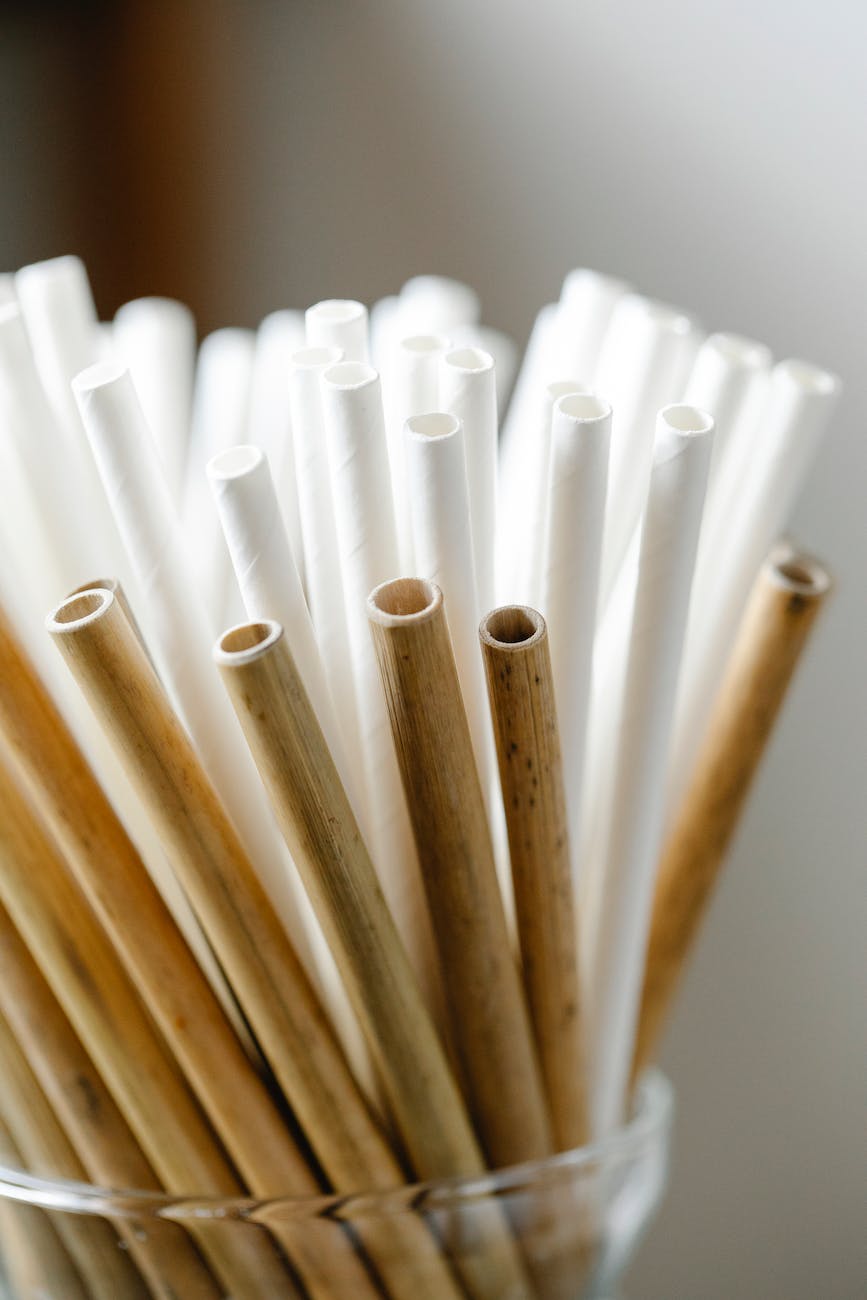
Bamboo straws are eco-friendly alternatives to plastic straws that harness the remarkable properties of bamboo, a sustainable and renewable resource. These straws are typically crafted from bamboo stalks, which are hollow by nature, making them ideal for straw production. The process of creating bamboo straws involves carefully selecting and cutting bamboo stalks to the desired length. These stalks are then cleaned, treated, and sometimes polished to create smooth, safe surfaces for sipping beverages.
Bamboo stands out as an exemplary sustainable resource due to its rapid growth and minimal environmental impact. Unlike hardwood trees that take decades to mature, bamboo can grow up to three feet in just one day. It requires no pesticides or fertilizers and can thrive in diverse climates. Moreover, bamboo’s root system helps prevent soil erosion and retains water, contributing to overall ecosystem health. As a renewable resource, bamboo can be harvested without causing long-term harm to the environment.
Advantages of Bamboo Straws
Bamboo straws offer a range of advantages that make them an appealing choice for eco-conscious consumers. These benefits include:
- Biodegradability: Bamboo straws decompose naturally, returning to the earth without leaving behind harmful pollutants.
- Reduced Carbon Footprint: Bamboo’s fast growth and low resource requirements make bamboo straws a low-carbon alternative compared to plastic straws.
- Durability: Bamboo straws are sturdy and can withstand multiple uses, making them a cost-effective and long-lasting choice.
- Versatility: They are suitable for a wide range of beverages, from hot coffee to cold smoothies, due to bamboo’s heat resistance and neutral flavor.
- Aesthetic Appeal: Bamboo straws add a touch of natural elegance to drinks, enhancing the overall drinking experience.
- Contribution to Sustainable Farming: The demand for bamboo straws promotes sustainable bamboo cultivation, benefiting communities and local economies.
Drawbacks and Limitations
While bamboo straws offer numerous advantages, it’s essential to recognize their limitations and potential drawbacks:
- Production Challenges: Bamboo straw production may face challenges in terms of consistency and quality control. Variations in bamboo stalks’ diameter and thickness can lead to uneven straws. Ensuring consistent quality can be demanding, particularly for small-scale producers.
- Cost: Bamboo straws may be more expensive than disposable plastic straws due to the labor-intensive process of crafting and treating them. This cost difference can deter some consumers, especially in price-sensitive markets.
- Not Suitable for All Situations: Bamboo straws may not be the ideal choice for every situation. For example, they may not be suitable for extremely hot or acidic beverages, as prolonged exposure to such conditions could affect the straws’ integrity over time. In such cases, alternatives like metal or glass straws may be more appropriate.
- Maintenance Requirements: Bamboo straws require regular cleaning to prevent mold or residue buildup. Proper care involves thorough rinsing and occasional disinfection to ensure their longevity and hygiene.
- Limited Availability: Depending on your location, finding bamboo straws may not always be easy. They may not yet be as widely available as plastic straws, although their availability is gradually increasing as demand grows.
- Single-Use vs. Reusable: Bamboo straws are primarily reusable, which is environmentally advantageous. However, some consumers may mistakenly treat them as single-use, defeating the purpose of sustainability. Raising awareness about their reusability is crucial.
Also Read: Plastic Straws- A Peril to our Environment
Comparing Bamboo Straws to Alternatives
Bamboo straws are just one option among several eco-friendly alternatives to plastic straws. Let’s compare bamboo straws to three other popular choices: metal, glass, and paper straws. Each option has its own set of pros and cons.
Bamboo Straws:
- Pros:
- Biodegradable: Bamboo straws decompose naturally, reducing environmental impact.
- Durability: They are strong and can be reused many times.
- Aesthetic Appeal: Bamboo straws have a natural, rustic look.
- Sustainable: Bamboo is a fast-growing, renewable resource.
- Cons:
- Production Challenges: Variations in bamboo can lead to inconsistencies.
- Cost: Bamboo straws can be more expensive than plastic alternatives.
- Not Suitable for All Beverages: Prolonged exposure to extreme heat or acidity may affect their durability.
Metal Straws:
- Pros:
- Durability: Metal straws are long-lasting and resist wear and tear.
- Reusability: They are easy to clean and can be used indefinitely.
- Temperature Resistant: Suitable for both hot and cold beverages.
- Sleek Appearance: Stainless steel or titanium straws have a modern look.
- Cons:
- Conduct Heat: Metal straws may become too hot to touch with hot beverages.
- Hardness: Some people find metal straws less comfortable to use than plastic.
- Conductivity: Metal straws can transfer temperature, making them less ideal for sensitive teeth.
Glass Straws:
- Pros:
- Transparency: Glass straws allow you to see your drink.
- Reusability: Durable and reusable, they can last for years.
- Non-reactive: Glass does not leach chemicals into beverages.
- Easy to Clean: Glass straws are dishwasher-safe.
- Cons:
- Fragility: They can break if dropped or subjected to sudden temperature changes.
- Limited Portability: Glass straws are less suitable for on-the-go use.
- Cost: Quality glass straws may be more expensive upfront.
Paper Straws:
- Pros:
- Biodegradable: Paper straws break down naturally.
- Cost-Effective: Generally more affordable than reusable options.
- Customizable: Available in various colors and designs.
- Suitable for Short-Term Use: Ideal for single-use scenarios.
- Cons:
- Durability: Paper straws can become soggy if left in beverages for too long.
- Environmental Impact: While biodegradable, their production still requires resources.
- Limited Reusability: Paper straws are not designed for extended use.
Are Bamboo Straws Truly Environmentally Friendly?
Bamboo straws have gained recognition as an eco-friendly alternative to plastic, but to evaluate their true environmental friendliness, it’s essential to consider their entire life cycle, including production, transportation, and disposal.
Production and Sourcing of Bamboo Straws
Bamboo as a Sustainable Resource: One of the primary reasons bamboo straws are considered environmentally friendly is the sustainable nature of bamboo as a resource. Bamboo is a fast-growing plant that can be harvested without killing the plant itself. Unlike trees used for paper products, bamboo regenerates quickly, making it an excellent choice for reducing deforestation and habitat destruction.
Minimal Resource Inputs: Bamboo requires minimal water, pesticides, and fertilizers for growth compared to other crops like cotton or corn. This reduces the environmental impact associated with agricultural practices.
Low Energy Production: Bamboo straws are typically handcrafted or produced using energy-efficient methods. This lowers the energy footprint compared to the energy-intensive processes used to create plastic straws.
Transportation and Distribution
Bamboo’s Lightweight Advantage: Bamboo straws are lightweight, reducing the carbon footprint associated with transportation. They can be efficiently shipped, even in large quantities, without significantly contributing to greenhouse gas emissions.
Local Sourcing: Sourcing bamboo locally further reduces transportation emissions. Many bamboo straw producers are located in regions with abundant bamboo resources, minimizing the distance between production and distribution.
Disposal and Biodegradability
Bamboo’s Biodegradability: One of the most significant environmental benefits of bamboo straws is their biodegradability. When disposed of, bamboo straws break down naturally, returning to the earth without leaving behind harmful microplastics or contributing to long-lasting pollution.
Reduced Waste and Pollution: Unlike plastic straws, which persist in landfills and oceans for centuries, bamboo straws decompose within months, minimizing the risk of harming wildlife and ecosystems.
Tips for Sustainable Straw Use
Using bamboo straws responsibly is key to maximizing their eco-friendliness. Here are some tips for consumers:
- Regular Cleaning: Clean your bamboo straws thoroughly after each use. Use a brush or pipe cleaner to remove any residue from the inside. A mixture of warm water and vinegar works well as a natural cleaning solution.
- Air Drying: Allow your bamboo straws to air dry completely before storing them. This prevents mold or bacterial growth and ensures they remain safe for use.
- Avoid Dishwashers: While some bamboo straws are dishwasher-safe, it’s best to hand wash them to extend their lifespan. Dishwashers with high temperatures and harsh detergents may cause the straws to deteriorate faster.
- Carry a Pouch: If you’re using bamboo straws on the go, carry a reusable pouch or case to keep them clean and protected in your bag.
- Educate Others: Spread awareness about bamboo straws and their benefits. Encourage friends and family to adopt them as an alternative to plastic straws.
- Reduce Usage: Whenever possible, choose not to use a straw at all. Many beverages can be enjoyed without straws, reducing overall straw consumption.

The Future of Sustainable Straws
As the global movement to reduce single-use plastics gains momentum, the future of sustainable straws looks promising. Here’s what we can expect:
- Innovative Materials: Researchers and businesses continue to explore innovative materials for sustainable straws. This includes experimenting with natural fibers, seaweed-based straws, and more.
- Customization: Sustainable straw options will likely expand to cater to individual preferences. Consumers may have choices regarding size, shape, and design.
- Widespread Adoption: Efforts to reduce plastic straw usage in various industries, including food service, will continue. Regulations and policies may further drive the adoption of sustainable alternatives.
- Consumer Education: Increased awareness and education will encourage more people to make eco-conscious choices, including opting for sustainable straws.
- Collaborations and Partnerships: Businesses, environmental organizations, and governments will collaborate to promote sustainable straw alternatives and support their adoption.
- Innovation in Cleanup: Innovations in cleaning and disposal methods for sustainable straws will emerge, ensuring their environmental benefits are maximized.
- Reduced Costs: As demand for sustainable straws grows, their production costs may decrease, making them more accessible to a wider audience.
Conclusion
In conclusion, the question of whether bamboo straws are good for the environment is nuanced. We’ve explored various aspects of bamboo straws, including their production, use, advantages, drawbacks, and environmental impact. Here’s a summary of what we’ve learned:
Bamboo straws offer several eco-friendly benefits:
- They are biodegradable and won’t contribute to plastic pollution.
- Bamboo is a sustainable and renewable resource, making these straws an environmentally sound choice.
- Bamboo straws are durable and suitable for a wide range of beverages.
- They can be a practical step toward reducing single-use plastic straw usage.
However, bamboo straws also come with limitations:
- The production process may involve challenges, including the need for skilled artisans.
- Bamboo straws might not be suitable for situations that require long-term or heavy use.
- They can be more expensive than plastic or paper alternatives.
When comparing bamboo straws to other eco-friendly options like metal, glass, and paper straws, each has its pros and cons. Metal straws are durable but may not be suitable for hot beverages, while glass straws are elegant but can break. Paper straws are biodegradable but less durable.
The environmental friendliness of bamboo straws depends on various factors, including their entire life cycle. From production to transportation and disposal, bamboo straws can have a lower carbon footprint compared to plastic straws.
To use bamboo straws sustainably, remember to clean them regularly, air dry them, and reduce straw usage whenever possible. Educate others about the benefits of sustainable straws and encourage responsible choices.
In the end, the suitability of bamboo straws for the environment depends on your values and preferences. They can be an excellent choice for those committed to reducing plastic waste and supporting sustainable practices.
You May Also Like


 Decoding Biosphere