
In an age where plastic is virtually omnipresent, it should come as no surprise that microplastics—tiny, often invisible plastic particles—have found their way into our bodies. While the notion of ingesting or inhaling minuscule plastic particles might sound alarming, the reality is that microplastics have infiltrated every corner of our environment, from the deepest oceans to the most remote mountain peaks. As a result, they’ve made their way into our food, air, and even our bodies. But how much do these microscopic invaders truly harm us? In this article, we will look into the world of microplastics, their sources, their presence in our bodies, and the ongoing research into their potential health risks.
The Ubiquitous Presence of Microplastics
The modern world is drenched in plastic. From the moment we wake up and brush our teeth with toothpaste containing microbeads to the evening when we toss and turn on synthetic bedsheets, we are constantly interacting with plastics. But the most insidious aspect of this relationship lies in what we can’t see with the naked eye: microplastics.
Primary Microplastics:
Primary microplastics, those intentionally manufactured at microscopic sizes, have sneaked into our daily routines with alarming ease. Some of the primary source include:
Microbeads in Personal Care Products: These tiny plastic spheres were once common ingredients in products like exfoliating facial scrubs and toothpaste. As we scrubbed away dead skin cells or polished our teeth, these microbeads washed down the drain and found their way into water systems.
Microfibers Shed from Synthetic Textiles: Your cozy fleece sweater and polyester workout gear may be emitting thousands of microfibers with each wash. These fibers are too small to be caught by conventional washing machine filters, allowing them to enter waterways and eventually, our bodies.
Pre-Production Plastic Pellets (Nurdles): Nurdles are the raw material of the plastic world, and their careless handling during production and transportation leads to spills in rivers and oceans. These pellets can be ingested by marine life, which can then end up on our dinner plates.
Microspheres in Industrial Processes: In industries like cosmetics and pharmaceuticals, microspheres serve various purposes. However, they can escape into the environment, posing a threat to both terrestrial and aquatic ecosystems.
Microplastic Pellets in Medical and Pharmaceutical Products: Even in healthcare, microplastics have a presence. Some medications, including certain pain relievers and dietary supplements, contain microplastic particles as part of their formulations.
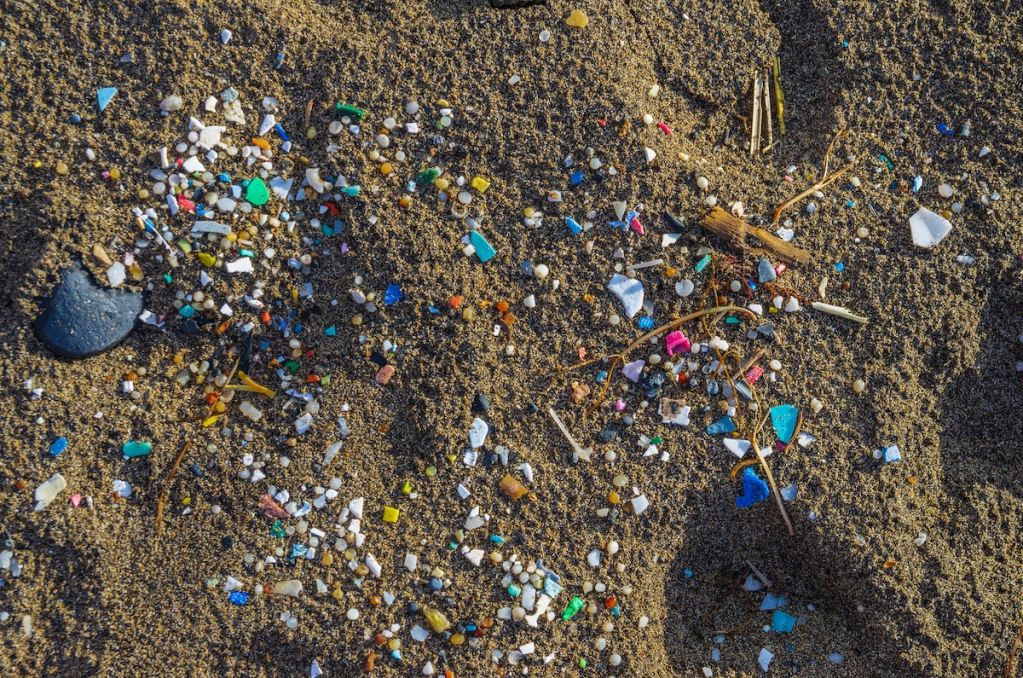
Secondary Microplastics
While primary microplastics are intentionally produced, secondary microplastics result from the breakdown of larger plastic items over time. These can find their way into our environment through various avenues:
Fragmented Plastic Debris: Picture the plastic bag you discarded a year ago or the plastic bottle that washed ashore after months adrift at sea. Over time, these larger plastics degrade into smaller and smaller pieces, eventually becoming microplastics.
Weathered Plastic Waste in the Environment: The relentless forces of sun, wind, and water weather plastic waste left in the environment. What once were recognizable objects degrade into microplastics, and these particles become ingrained in soils and sediments.
Microplastics from Tires: Every time you hit the brakes, your car’s tires release tiny particles of rubber into the air. These rubber particles contain microplastics and can accumulate in urban environments, where they can be inhaled or ingested.
Breakdown of Fishing Gear: Abandoned or lost fishing gear, known as “ghost gear,” disintegrates over time, releasing microplastics into the oceans. This poses a dual threat to marine life: entanglement and ingestion.
The ubiquity of microplastics is undeniable, but it’s not just their prevalence that’s concerning; it’s their ability to infiltrate various ecosystems and, ultimately, our bodies.
How Microplastics Enter Ecosystems and Humans
Microplastics have an ability to traverse the world’s ecosystems. Here’s how these tiny invaders make their way into our lives:
In the Water We Drink: Microplastics have been found in tap water, well water, and even bottled water. Water treatment plants, while effective at removing many contaminants, often struggle to filter out microplastics due to their small size.
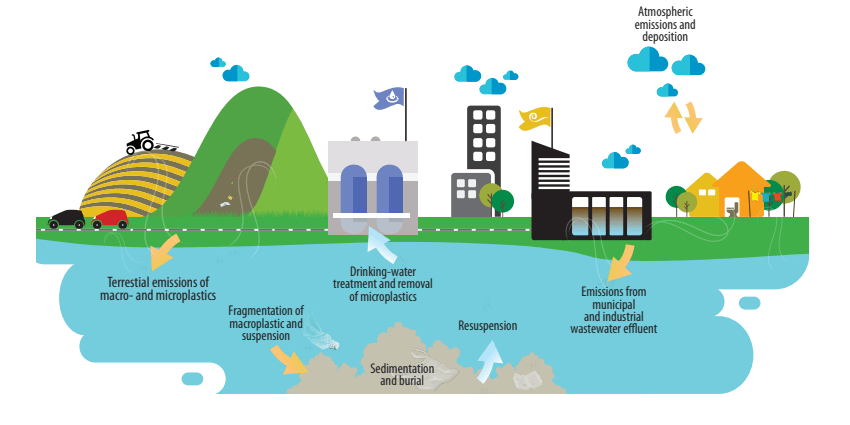
In the Food We Eat: The oceans, lakes, and rivers that provide us with fish and seafood have become repositories of microplastics. These particles can be ingested by aquatic organisms, working their way up the food chain and eventually landing on our plates.

In the Air We Breathe: Microplastics are not confined to water and soil. Studies have detected microplastics in the air, particularly in urban environments. We inhale these particles, potentially exposing our respiratory systems to their effects.
Through Skin and Personal Care Products: Skin is the body’s largest organ, and it’s not immune to the infiltration of microplastics. Certain cosmetics and personal care products contain these particles, which can be absorbed through the skin during use.
The ubiquity of microplastics in our environment, combined with their ability to infiltrate our food, water, air, and even our skin, makes it nearly impossible to escape their presence. But what does this mean for our health?
The Human Body as a Reservoir for Microplastics
The revelation that microplastics have infiltrated our environment and entered our bodies is a stark reminder of the far-reaching consequences of plastic pollution.
Gastrointestinal Tract
Microplastics in the Stomach: Studies have consistently found microplastics in the stomachs of humans. These tiny particles, once ingested with contaminated food and water, can accumulate in the stomach lining. The implications of microplastics residing in this vital organ are still under investigation, with concerns raised about potential digestive health impacts.
Microplastics in the Intestines: Beyond the stomach, microplastics have also been identified in the intestines. As they traverse the digestive system, these particles may interact with gut flora and the intestinal wall. This interaction raises questions about the influence of microplastics on the gut microbiome and the gut’s overall health.
Blood and Lymphatic System
Microplastics in Blood Samples: Recent research has detected microplastics in blood samples, challenging the assumption that these particles are confined to the digestive system. The presence of microplastics in the bloodstream prompts concerns about their potential to circulate throughout the body and interact with various organs.
Potential Impact on the Immune System: The presence of microplastics in the circulatory system raises questions about their impact on the immune system. Researchers are exploring whether microplastics trigger immune responses and if prolonged exposure could lead to immune system dysfunction.
Placenta and Fetal Development
Alarming Discovery in the Placenta: In a groundbreaking revelation, microplastics have been detected in the human placenta, the life-sustaining organ that nourishes developing fetuses during pregnancy. This discovery suggests that microplastics can cross the placental barrier, potentially impacting fetal development.
Concerns for Prenatal Health: The presence of microplastics in the placenta raises profound concerns about prenatal health. Research is underway to investigate how exposure to microplastics during pregnancy may affect fetal growth, development, and long-term health outcomes.
Respiratory System
Microplastics in Lung Tissue: Studies have identified microplastics in lung tissue, indicating that inhalation is a viable route of exposure. The implications of microplastics residing in the lungs are not yet fully understood, but potential respiratory effects are a subject of concern.
Health Implications of Microplastics Exposure
The presence of microplastics in our bodies has sparked growing concern about their potential impact on human health.
Potential Physical Effects
Inflammation and Tissue Damage: Microplastics, once ingested or inhaled, can interact with the tissues they come into contact with. This interaction may lead to inflammation and tissue damage, akin to the body’s response to foreign objects. Prolonged exposure to microplastics could potentially contribute to chronic inflammation, which has been linked to various health issues.
The Role of Size, Shape, and Type: The size, shape, and type of microplastics may influence their physical effects on the body. Smaller particles could potentially penetrate deeper into tissues, while irregularly shaped microplastics might cause more mechanical damage. Additionally, different types of plastics may have varying degrees of biocompatibility.
Effects on the Gut Microbiome: The gut microbiome, a complex community of microorganisms residing in the digestive tract, plays a crucial role in human health. Emerging research suggests that microplastics may disrupt the balance of the gut microbiome, potentially leading to gastrointestinal problems and other health issues.
Chemical Concerns
Adsorption of Toxic Chemicals: Microplastics have a unique ability to adsorb and concentrate toxic chemicals from the surrounding environment. These chemicals can include persistent organic pollutants (POPs), heavy metals, and pesticides. When microplastics are ingested, they can release these adsorbed chemicals within the body, potentially exposing individuals to harmful substances.
Release of Chemical Additives: Many plastic products contain chemical additives, such as plasticizers and flame retardants. Microplastics may release these additives when they come into contact with bodily fluids or tissues. The release of such chemicals within the body raises concerns about their potential to disrupt endocrine functions or cause other adverse health effects.
Hormone-Disrupting Properties: Certain chemicals found in plastics, such as bisphenol A (BPA) and phthalates, are known endocrine disruptors. Microplastics may introduce these chemicals into the body, potentially interfering with hormone regulation and contributing to health problems such as reproductive issues, developmental abnormalities, and metabolic disorders.
Immune System Responses
Impact on Immune Response: The presence of foreign particles like microplastics in the body can trigger immune responses. The immune system may react to microplastics as it would to pathogens, potentially leading to chronic inflammation or immune system dysregulation.
Potential Links to Allergies and Autoimmune Diseases: There is a growing body of research exploring potential links between microplastics exposure and the development of allergies and autoimmune diseases. While the mechanisms are not fully understood, the presence of microplastics in the body may contribute to immune system dysfunction.
Transgenerational Effects
The Possibility of Microplastics Affecting Future Generations: Perhaps one of the most concerning aspects of microplastics exposure is the potential for transgenerational effects. If microplastics can cross the placental barrier and impact fetal development, as indicated by recent studies, the implications may extend to future generations, raising complex ethical and health considerations.
Epigenetic Considerations: Research is underway to investigate whether microplastics exposure could lead to epigenetic changes—modifications to gene expression that can be passed down to offspring. These changes may affect not only the exposed individual but also their descendants.
As we examine the health implications of microplastics exposure, it becomes evident that this issue is far from simple.
Mitigating Microplastic Exposure and Harm
Efforts to reduce microplastic exposure and minimize the potential harm they pose to human health and the environment are of paramount importance.
Regulation and Legislation
Bans on Microbeads in Personal Care Products: Several countries and regions have implemented bans on the use of microbeads, tiny plastic particles, in personal care products such as exfoliating scrubs and toothpaste. These bans aim to eliminate a significant source of primary microplastics in the environment.
Initiatives to Reduce Plastic Waste: Government and industry initiatives are actively working to reduce plastic waste and limit its entry into the environment. These efforts include promoting the use of reusable products, improving recycling systems, and encouraging responsible plastic disposal.
Practical Tips to Reduce Microplastic Exposure
Reducing microplastic exposure starts with everyday choices and lifestyle adjustments. Here are practical tips for individuals to minimize their exposure to microplastics:
1. Choose Natural Fibers: Opt for clothing made from natural fibers like cotton, wool, or silk instead of synthetic fabrics like polyester, nylon, or acrylic. Synthetic fibers shed microplastics when washed.
2. Use Microfiber Filters: Install microfiber filters in your washing machine. These filters can capture microplastic particles released from clothing during the laundry cycle.
3. Choose Natural Personal Care Products: Check the ingredient list of personal care products like scrubs, toothpaste, and cosmetics. Avoid products that contain “polyethylene” or “polypropylene,” which are types of microplastics often used as exfoliants.
4. Reduce Single-Use Plastics: Minimize your use of single-use plastics like disposable water bottles, utensils, and straws. Choose reusable alternatives made from materials like stainless steel, glass, or bamboo.
5. Use Glass or Stainless Steel Food Containers: When storing food, opt for glass or stainless steel containers instead of plastic ones. This reduces the risk of microplastics leaching into your meals.
6.Cook Fresh Foods: Prepare fresh, unprocessed foods as much as possible. Processed and packaged foods often contain plastic packaging or additives that can contribute to microplastic exposure.
7. Dispose of Plastic Properly: – Ensure that plastic waste is disposed of responsibly in recycling or waste bins. Avoid littering, as plastics that end up in the environment can eventually break down into microplastics.
Innovations in Filtration and Water Treatment
Advancements in Water Treatment Technology: Researchers and engineers are continually developing more effective water treatment technologies to remove microplastics from drinking water and wastewater. Enhanced filtration and treatment processes are essential in reducing microplastic contamination in our water supply.

Home Filtration Systems: Individuals concerned about microplastic exposure can take steps to protect their drinking water by using home filtration systems designed to capture microplastics. These systems offer an additional layer of defense against potentially harmful particles.
Sustainable Practices
Reducing Plastic Use in Daily Life: One of the most effective ways to mitigate microplastic exposure is to reduce plastic consumption in daily life. This includes using reusable shopping bags, containers, and water bottles, as well as opting for products with minimal plastic packaging.
Promoting Sustainable Fashion and Textiles: The fashion industry is a significant contributor to microplastic pollution due to synthetic fibers shedding during washing. Promoting sustainable fashion practices, such as choosing natural fibers, using microfiber filtration devices in washing machines, and recycling textiles, can help reduce microplastic release.
Final Words
The presence of microplastics in our bodies is a stark reminder of the consequences of our plastic-dependent lifestyles. While research into the health effects of microplastics is still in its early stages, the evidence suggests that these tiny substances may not be benign. The precautionary principle suggests that we should take action to reduce our exposure to microplastics and limit their environmental presence. Ultimately, a shift towards sustainable practices and greater awareness of the issue are essential steps in tackling this global challenge.
References:
- NOAA Microplastics
- The Ocean Cleanup – Microplastics
- WHO – Microplastics in Drinking-Water
- The plastic in microplastics: A review
- Microplastics in Landfills: A Comprehensive Review on Occurrence, Characteristics and Pathways to the Aquatic Environment
Some FAQs on Microplastics
1. Can microplastics enter our food chains?
Yes, microplastics can enter food chains. They are often ingested by aquatic organisms, such as plankton, fish, and shellfish, and can subsequently be consumed by larger animals, including humans.
2. What happens when we intake microplastics with food?
When we ingest food containing microplastics, the particles can potentially enter our digestive system. While the health effects are still under investigation, there are concerns about how these particles may impact human health, including inflammation and potential chemical transfer.
3. How can chemicals in plastic affect the food web?
Plastic materials can contain various chemicals, such as phthalates and bisphenol A (BPA), which can leach into the environment. These chemicals can accumulate in aquatic organisms, potentially disrupting the food web and affecting the health of species at different trophic levels.
4. Do packaged food products contain microplastics?
Packaged food products can contain microplastics, especially if the packaging materials or processing equipment have come into contact with plastics. Contamination can occur during various stages of food production and packaging.
5. Are microplastics in seafood a danger?
Microplastics in seafood are a concern because they can potentially be consumed by humans. While the health risks are still being studied, there is growing awareness of the need to reduce microplastic contamination in seafood to safeguard human health.
6. What are microplastics, and how do they affect fish?
Microplastics are tiny plastic particles measuring less than 5 millimeters in size. When fish consume microplastics, they can suffer physical harm, such as blockages in their digestive systems. Additionally, microplastics can accumulate toxins, which can potentially harm fish and those that consume them.
7. Why are microplastics an ecological concern?
Microplastics pose an ecological concern because they can disrupt ecosystems and harm wildlife. They can be ingested by a wide range of organisms, from plankton to apex predators, potentially affecting reproduction, behavior, and overall health.
8. Does everyone have microplastics?
Microplastics have been detected in various environmental samples, including air, water, and soil, suggesting that they are widespread. While most people are likely exposed to microplastics, the extent of exposure can vary based on diet, lifestyle, and location.
9. What is microplastic in the human system?
Microplastics in the human system refer to the presence of tiny plastic particles within our bodies. These particles can be ingested through food, water, and even air. Their health effects on humans are an active area of research and concern, with ongoing studies to understand their potential impacts.
You May also Like


 Decoding Biosphere