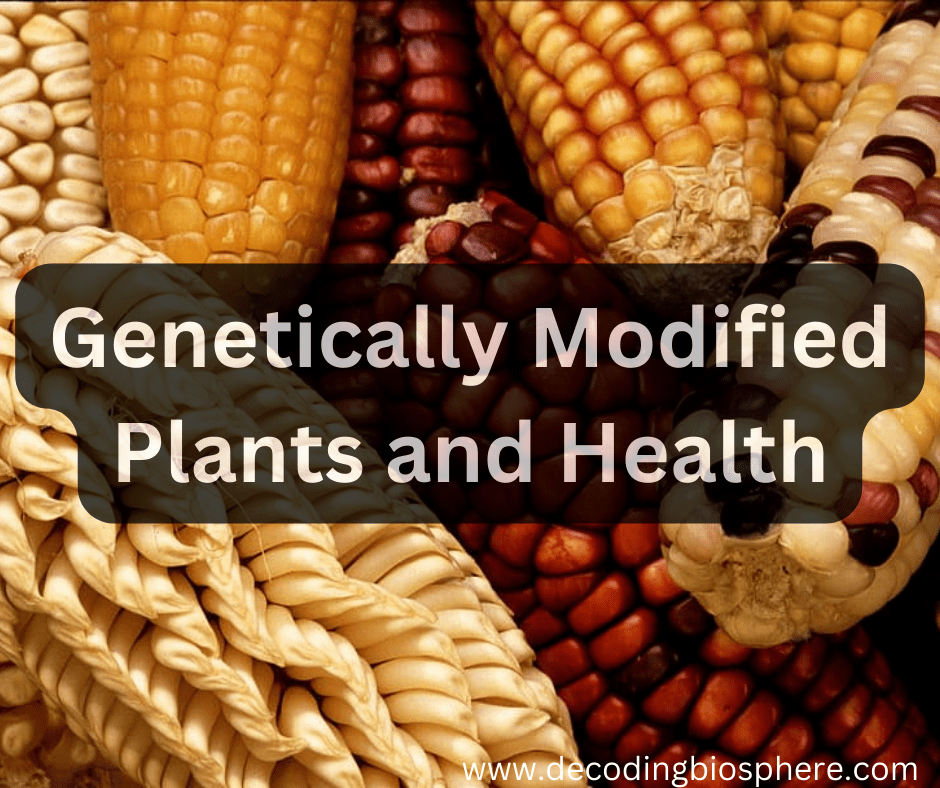
Plants can now be genetically altered to adapt to the varied climatic conditions that exist on the globe thanks to advances in science and study. Traditional breeding techniques have been used for thousands of years to create plants with desirable traits. Desirable features are chosen, blended, and passed down over many generations of sexual reproduction. It can take up to 15 years to create new types through this laborious process. By inserting a limited number of genes, genetic engineering not only enables this process to be drastically accelerated in a highly focused manner, but it can also get around the problem of sexual incompatibility between plant species and greatly expand the size of the gene pool.
Plants that have undergone genetic modification utilizing recombinant DNA technology are referred to as transgenic (GM) plants. Simply said, these plants have alien genes introduced into them that assist them in overcoming obstacles unique to that area. These genes possess traits that allow the conventional plant to flourish despite the specific environmental or physical barrier. The plant’s nutritional value can also be improved using technology; this application may be especially helpful in underdeveloped countries. The technology can be used in a variety of ways, such as to design resistance to biotic pressures like insects and viruses and abiotic challenges like drought, extremely high temperatures, or salinity that would typically be harmful to plant growth or survival.
Food Applications for GM Plants
840 million people in poor countries are chronically malnourished and get by on less than 8000 kJ (2000 Kcal) each day. Around 1.3 billion individuals are estimated to subsist on less than $1 each day and lack safe access to food. According to estimates, despite declining fertile lands and water supplies, food production must rise by at least 40% to fulfill these growing demands. One of the many strategies being investigated to address these issues is the use of GM plant technologies. In particular, research is being done on genetically altering plants to boost food harvests or directly enhance nutritional value.
Increasing Nutritional Content
The goal of the scientists who created Golden Rice was to make the technology available to farmers in the most underdeveloped nations for free, which necessitated the negotiation of more than 100 intellectual and technical property licenses. Golden Rice is an amazing illustration of a health remedy that can be provided by plant biotechnology and will be provided to subsistence farmers without any further constraints.
Increasing Food Production
Abiotic stress, notably salt, drought, and severe temperatures, is a major factor in plant mortality globally. As water resources decrease and desertification worsens, these losses will rise in the future. By 2050, all arable areas are predicted to be severely salinized due to drought and salinity, necessitating the use of innovative technology to guarantee crop viability. Even if a number of interesting targets have been found in the development of GM plants that can withstand abiotic stress, laboratory-based research is still the main focus. A recent study in 2022 was carried out on maize variety using CRISPR Cas technology. This genetic modification created a tolerance in the maize plant to abiotic stresses like drought, salinity, heat, and to heavy metals (4).
We understand that GM plants have been like a boon to tackle the food crisis but are they safe enough for us to keep them in our diet forever? There are many controversies and doubts around this topic but we can try to understand what the recent research has observed.
Despite the benefits of GMOs, worries about food safety and health hazards are growing. On mammals, including humans, the transgenic might have unfavorable developmental and physiological impacts. There is a chance that the altered gene will result in the production of harmful proteins, allergens, or allergic reactions in people. Additionally, insufficient digestion of GMO meals in the gastrointestinal tract raises additional potential safety issues because it may cause the horizontal transfer of genes to the somatic cells and microbiota of the intestine. Others have underlined that the exchange of DNA may result in allergic reactions and infertility in animals.
Increased Antibiotic Resistance
Genetically modified foods, vaccinations, microbes, and viruses can all introduce GM products into the body. There is fear that GM plants may operate as a source of drug-resistance genes for clinically significant bacteria because they have bacterial resistance genes in their genome. Additionally, because antibiotics are frequently used in the genetic transformation process, the potential for the development of antibiotic-resistant bacteria has been noted. The majority of GM products contain genes for beneficial characteristics and marker genes. Consistent use of certain foods may cause the human body to develop antibiotic resistance since these marker genes can develop resistance to specific antibiotics.
By generating unexpected products (proteins and metabolites) in the plants, new genes can introduce allergies. For instance, rats’ immune systems react to genetically engineered potatoes less quickly than they do to typical plants. In other investigations, Bt bacteria were shown to be an efficient insect pest controller. However, there is an equal danger of ingesting Bt toxins and developing an allergy to mammals. Due to allergic reactions or toxic byproducts, insects, birds, and other animals that eat specific crops may not eat genetically modified crops. As a result, numerous species may go hungry, disrupting entire food chains and posing grave risks to ecosystems.
The most pressing concern with GMOs, which are utilized and ingested on a global scale, is the possibility of health concerns associated with their use in food. Genetically engineered crops are still being produced, but there is growing concern about their effects on the environment and human health. In general, those who are knowledgeable about this topic support further research, while consumers often oppose it since they lack the necessary information. In this regard, GM products should only be released onto the market after thorough testing within the confines of the law and after an adequate amount of scientific study has been conducted. Consumers should also be made aware of the issue.
Reference:
- Key, S., Ma, J.K-C. and Drake, P.M. (2008). Genetically modified plants and human health. Journal of the Royal Society of Medicine, [online] 101(6), pp.290–298. doi:https://doi.org/10.1258/jrsm.2008.070372.
- Ghimire, B.K., Yu, C.Y., Kim, W.-R., Moon, H.-S., Lee, J., Kim, S.H. and Chung, I.M. (2023). Assessment of Benefits and Risk of Genetically Modified Plants and Products: Current Controversies and Perspective. Sustainability, 15(2), p.1722. doi:https://doi.org/10.3390/su15021722.
- Nargiza Eshmamatovna Dzhumanova and Nazarova, F. (2022). Probable negative impact of genetically modified products on human health (review article). doi:https://doi.org/10.5281/zenodo.6545052.
- Rahman, M., Zulfiqar, S., Raza, M.A., Ahmad, N. and Zhang, B. (2022). Engineering Abiotic Stress Tolerance in Crop Plants through CRISPR Genome Editing. Cells, 11(22), p.3590. doi:https://doi.org/10.3390/cells11223590.


 Decoding Biosphere