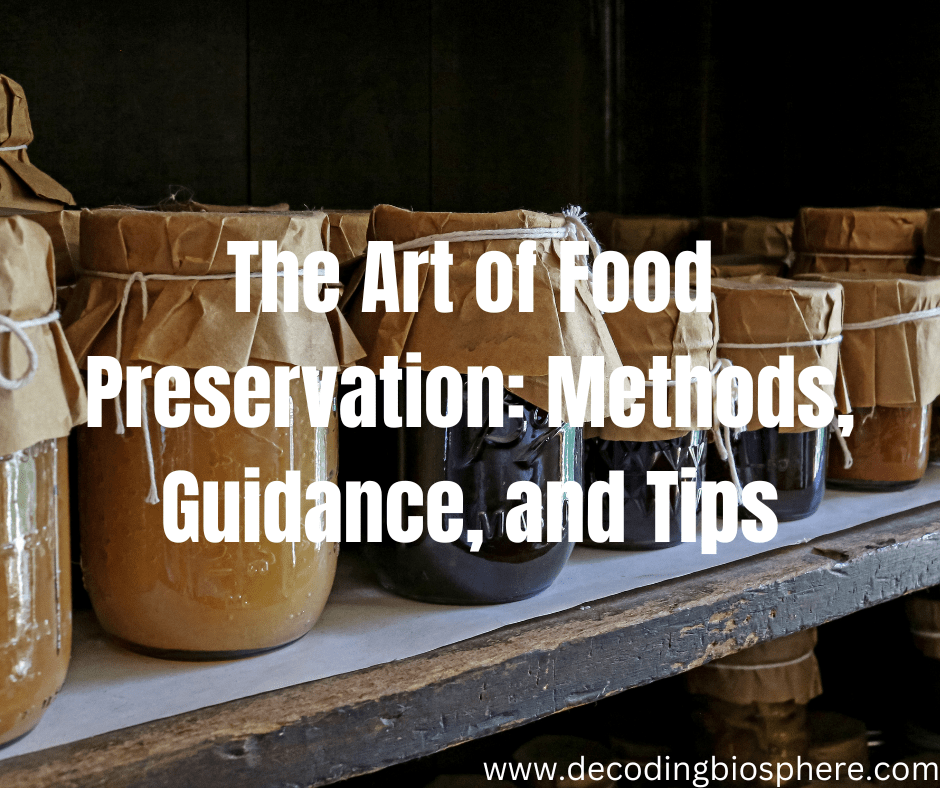
Preserving food at home is not only a practical skill but also a great way to reduce waste and save money. By preserving food, you can enjoy the goodness of fresh produce all year round. In this guide, we will explore various methods of food preservation, factors to consider, and provide you with helpful tips and guidance to ensure success.
Types of Food Preservation Methods
a. Canning
Canning is a popular method of preserving food by sealing it in airtight containers. High-acid foods like fruits, jams, and pickles can be processed using a water bath canning method, while low-acid foods like vegetables and meats require pressure canning. Follow tested recipes and proper canning procedures to ensure safety and prevent spoilage.
b. Freezing
Freezing is a simple and convenient way to preserve food while retaining its flavor and nutrients. Many fruits, vegetables, and prepared dishes can be frozen successfully. Remember to blanch vegetables briefly before freezing to preserve their texture and color. Package foods in airtight containers or freezer bags to prevent freezer burn and label them with the date for easy organization.
c. Drying
Drying or dehydrating food removes moisture, inhibiting the growth of bacteria and mold. Fruits, vegetables, herbs, and even meat can be dried to create delicious and long-lasting snacks. Use a food dehydrator, an oven on a low temperature, or air-drying methods to remove moisture. Store dried foods in airtight containers or vacuum-sealed bags for optimal shelf life.
d. Fermentation
Fermentation is a traditional preservation method that not only extends the shelf life of food but also enhances its flavor and introduces beneficial probiotics. Commonly fermented foods include sauerkraut, kimchi, pickles, and yogurt. Follow recipes and proper fermentation techniques, ensuring that foods are kept in a controlled, anaerobic environment to encourage the growth of beneficial bacteria.
e. Pickling
Pickling involves preserving food by immersing it in a solution of vinegar, salt, and spices. This method is excellent for preserving cucumbers, beets, onions, and other vegetables. Quick pickling allows for shorter storage periods in the refrigerator, while traditional canning methods provide longer shelf life at room temperature.
Factors to Consider
Preserving food at home requires attention to several key factors to ensure the success of your endeavors. Let’s explore these factors together:
- Start with fresh, high-quality produce for the best results.
- Clean and sanitize your equipment and work area thoroughly to maintain hygiene.
- Follow reliable and tested recipes to ensure proper food safety.
- Properly seal and label all preserved foods with the date to track freshness.
- Store preserved foods in cool, dark places away from direct sunlight.
- Rotate your preserved foods regularly, using older items first to maintain freshness.
- Consider investing in equipment like canning jars, a food dehydrator, or a vacuum sealer to streamline the process.
Tips and Guidance
To enhance your understanding and success in food preservation, we have gathered some useful tips and guidance for you:
a. Seasonal Produce
Utilize the bounty of seasonal fruits and vegetables for preservation. These items are often bursting with flavor and nutrition, making them ideal candidates for preservation. Take advantage of the abundance of fresh produce during specific seasons and preserve them for later use. Not only will you enjoy the taste of summer berries or autumn squash all year round, but you’ll also save money and reduce your environmental footprint.
b. Labeling
Never underestimate the power of labeling your preserved foods. It may seem like a small step, but it can make a world of difference. Use waterproof labels and clearly mark the date of preservation and the contents of each jar or package. This simple act of labeling will help you easily identify the stored items and keep track of their freshness. No more guessing games or accidentally opening jars of unknown origin.
c. Recipes and Uses
Preserved foods are incredibly versatile and can be used in a myriad of delicious ways. Internet is full of recipes and ideas for incorporating your preserved goodies into meals, snacks, or desserts. For example, preserved peaches can be transformed into a delightful pie, or pickled cucumbers can add a zesty crunch to your favorite sandwich.
d. Storage and Organization
During the preservation process, you may encounter common issues. We will address these challenges and provide troubleshooting tips to help you overcome them successfully.
- Choose containers that are appropriate for the preservation method you used. For canning, opt for glass jars with tight-fitting lids that create an airtight seal. Mason jars are a popular choice. For freezing, use freezer-safe containers or bags that are durable and resistant to freezer burn. Vacuum-sealed bags can help maintain the quality of your preserved food.
- To prevent food spoilage and waste, adopt the “first in, first out” principle. When storing your preserved food, place the newest items at the back of the shelf or freezer and the older ones at the front. This way, you will use the oldest items first, ensuring they are consumed before their quality deteriorates.
- Dedicate specific shelves or cabinets in your pantry or kitchen for your preserved goods. Group similar items together, such as canned goods, frozen items, or dried foods. Consider organizing them by type (fruits, vegetables, sauces) or by meal categories (breakfast, snacks, desserts) to make it easier to find what you need.
- Efficiently use the space in your freezer by stacking containers or bags neatly. Consider using stackable plastic bins or wire racks to create layers and maximize vertical space. Group similar items together to avoid rummaging through the freezer when you need a specific preserved item.
- Maintain a record or inventory of your preserved foods. This can be a simple list on paper or a digital spreadsheet. Include details such as the item, date of preservation, and quantity. Update the inventory whenever you add or use preserved items. This helps you keep track of what you have and plan meals accordingly.
- Pay attention to temperature and humidity levels in your storage area. Ensure that the temperature remains consistent for canned goods and refrigerated items. Avoid exposing preserved food to direct sunlight or extreme heat. For frozen items, make sure your freezer is set at the appropriate temperature (-18°C or 0°F).
Conclusion
Preserving food at home is a rewarding skill that allows you to enjoy the flavors and benefits of fresh produce throughout the year. By following the methods, guidance, and tips provided in this guide, you can embark on your food preservation journey with confidence. Start preserving today and savor the taste of homemade goodness for months to come!


 Decoding Biosphere