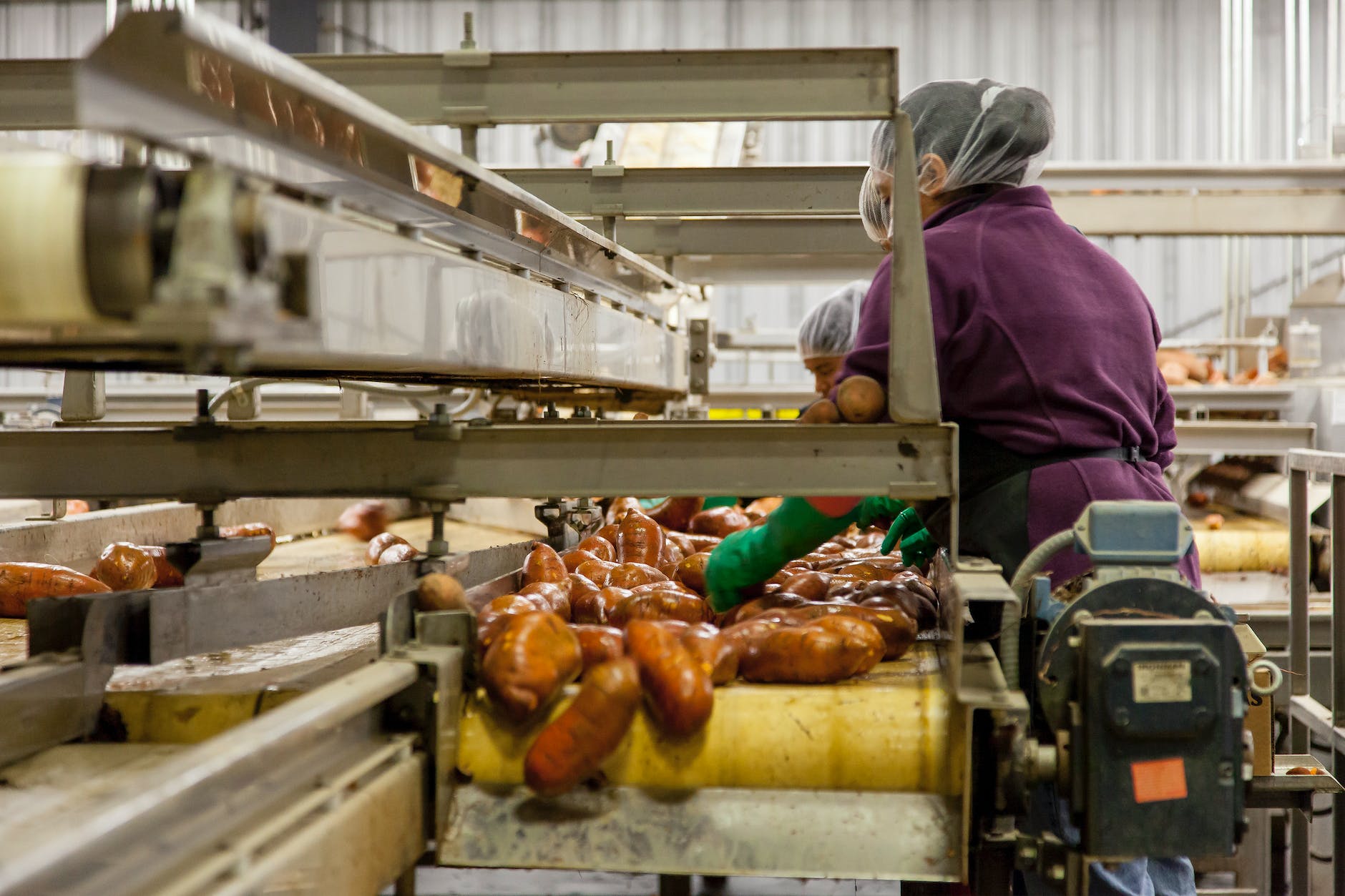
Food production is very important for us because it gives us the food we need. But the processes and ways we use to make food can harm the environment. In this study, we will look at how making food affects the Earth. This includes things like pollution and gases that cause the Earth to warm up. By understanding these problems, we can find better and greener ways to make enough food for everyone.
Greenhouse Gas Emissions:
Food production contributes to greenhouse gas emissions, primarily through the release of carbon dioxide, methane, and nitrous oxide. These gases trap heat in the atmosphere, leading to global warming and climate change. The cultivation of crops, livestock farming, and deforestation for agricultural purposes all contribute to these emissions.
Land Use and Deforestation:
Food production requires vast amounts of land for agriculture. As a result, forests are often cleared to make way for farming or grazing areas. Deforestation not only leads to the loss of valuable biodiversity but also reduces the Earth’s capacity to absorb carbon dioxide, exacerbating climate change.
Water Usage and Pollution:
Agriculture is a significant consumer of freshwater resources. Irrigation systems and livestock farming require substantial amounts of water, leading to water scarcity in certain regions. Additionally, runoff from agricultural activities can contaminate water bodies with pesticides, fertilizers, and animal waste, posing a threat to aquatic ecosystems and human health.
Soil Degradation and Erosion:
Intensive farming practices, such as the heavy use of chemical fertilizers and pesticides, can degrade soil quality over time. Soil erosion, caused by improper land management and excessive tilling, further exacerbates the problem. Degraded soil affects crop productivity, reduces nutrient content, and increases the risk of desertification.
Biodiversity Loss:
The conversion of natural habitats for agricultural purposes diminishes biodiversity. The loss of forests, wetlands, and grasslands results in the destruction of countless plant and animal species. Reduced biodiversity disrupts ecosystems, affecting pollination, natural pest control, and overall ecological balance.
Energy Consumption:
Food production requires a substantial amount of energy, from the fuel used in machinery and transportation to the energy needed for food processing, packaging, and refrigeration. Reliance on fossil fuels for energy contributes to greenhouse gas emissions and air pollution.
Food Waste:
Food waste is a significant issue in the food production chain. When food is wasted, all the resources used in its production, such as water, energy, and land, go to waste as well. Decomposing food in landfills also generates methane, a potent greenhouse gas.
The environmental impact of food production is a pressing concern that demands our attention. From greenhouse gas emissions to land degradation and water pollution, our current methods of food production are putting a strain on the planet. However, by adopting sustainable agricultural practices, reducing food waste, promoting biodiversity conservation, and investing in alternative food production systems, we can mitigate these impacts and create a more environmentally-friendly food system.
Source:
https://ourworldindata.org/environmental-impacts-of-food


 Decoding Biosphere