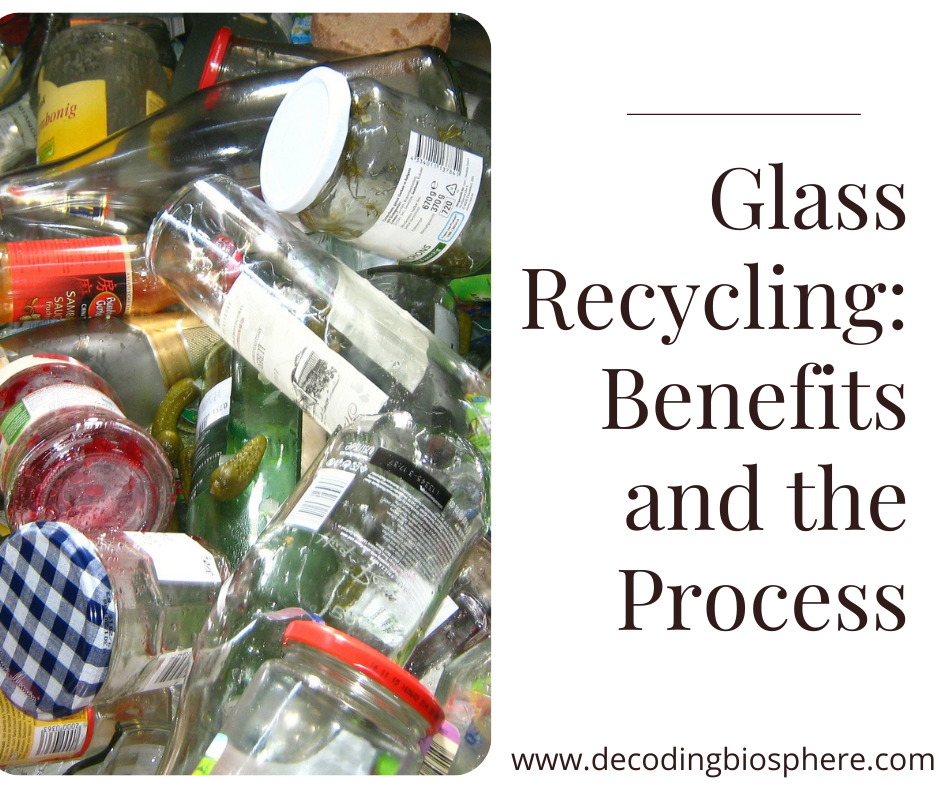
Every day, tons of glass waste are discarded and end up in landfills, contributing to environmental degradation. But what if there was a way to turn this waste into something wonderful? Recycled glass is emerging as a game-changer in the world of sustainability, offering a range of surprising benefits that go beyond just reducing landfill waste. Glass from glass bottles and jars is the type of glass that is most frequently found in municipal solid waste (MSW) and our recycling bins. This covers alcoholic and nonalcoholic beverages as well as glass containers and bottles for food, personal care products, and other items.
One of the most significant advantages of recycled glass is its environmental impact. By reusing glass instead of producing new materials, energy consumption and greenhouse gas emissions are significantly reduced. Recycling glass also helps conserve natural resources, such as sand and limestone, which are used to make new glass.
But the benefits of recycled glass go beyond sustainability. It can be transformed into a wide variety of products, from countertops and flooring to decorative objects and even jewelry. With its unique and beautiful appearance, recycled glass adds a touch of elegance and charm to any space.
Recycled glass is highly durable and resistant to scratches and stains, making it an excellent choice for both indoor and outdoor applications. It also requires minimal maintenance, making it a hassle-free option for homeowners and businesses alike.
Let us look at different benefits that we can gain by recycling the glass and process of recycling.
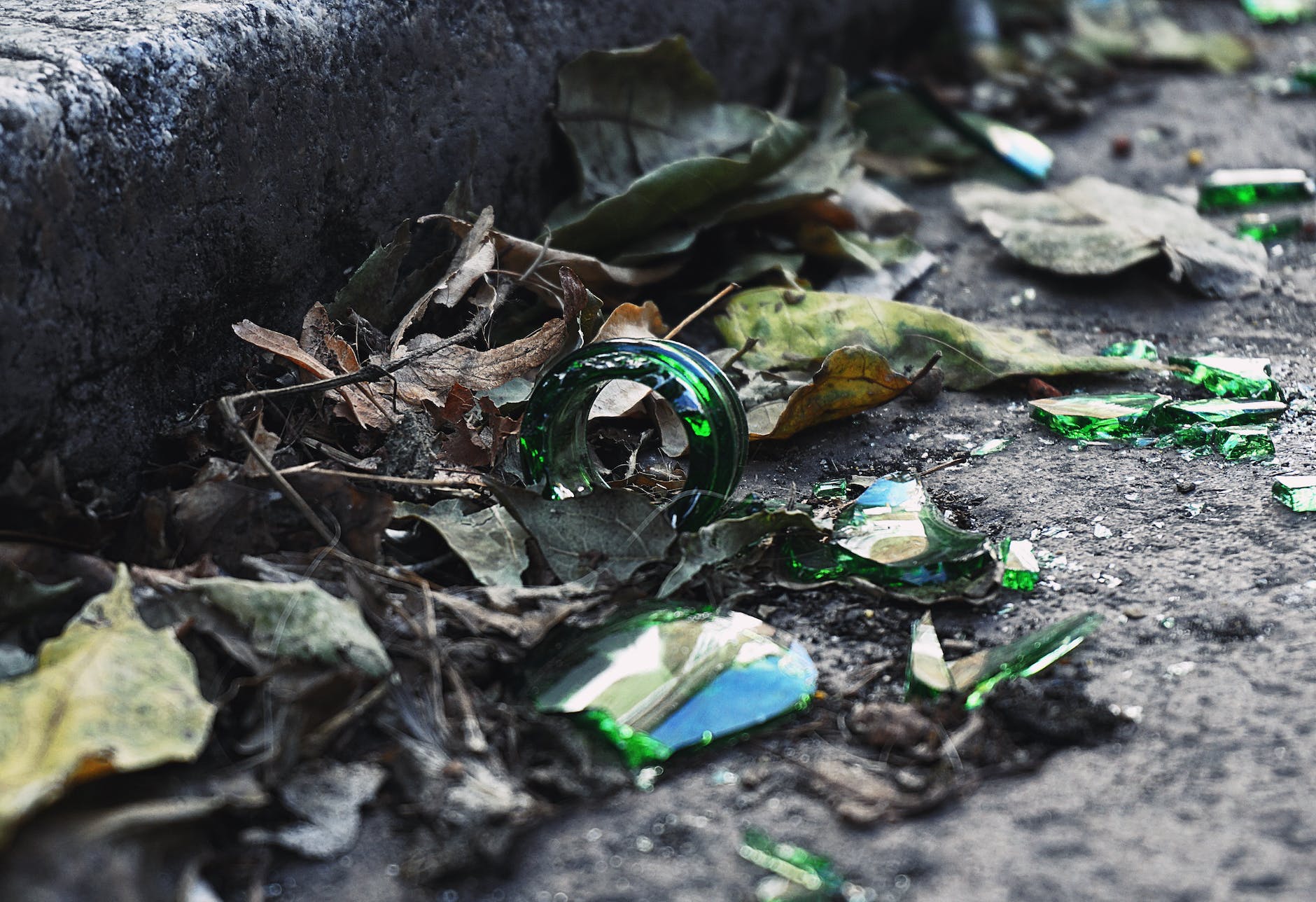
What is Glass Recycling?
Making recycled glass into new glass items is called glass recycling. In this manner, recycled glass materials that need to be broken and melted are put through the recycling process.
Almost all types of glass can be recycled, however Ceramic glass cannot be recycled. Furthermore, ornamental glass also cannot be recycled. Consequently, all glass that has been decorated with specific additives cannot be recycled.
Glass Recycling Process
Step 1: Collecting
After being used or broken, many glass objects wind up in trash cans and recycling bins. These are gathered through a nationwide network that consists of: Waste dealers, waste collectors, and recycling businesses are ragpickers.
After being collected, glass waste is taken to the closest sorting facilities for additional processing.
Step 2: Sorting
The inclusion of various chemicals and tiny variations in production techniques produce many types of glasses. As a result, glass waste is separated by color to improve recycling efficiency.
Step 3 – Cullet Manufacturing
After the discarded glass is separated, it is crushed and ground into tiny bits known as ‘cullets.’ Cullets of various sizes can be created depending on the requirements.
Step 4: Decontamination Procedure
All sorts of waste, including glass waste (or cullets in this case), include various pollutants. If pollutants are permitted to stay in the glass cullet, the quality of recycled glass may be compromised, such as structural problems. It is critical to remove these impurities before recycling glass effectively.
Various pollutants can be treated in the following ways:
- A magnet is used to separate metallic contaminants.
- Paper and plastic pollutants are collected manually or automatically.
- Sieving is used to remove ceramic impurities by forcing finely powdered glass cullet through various filters.
However, if ceramic impurities pass through the various screens with the glass cullet, the quality of the product will suffer.
Step 5: De colorization and Dyeing
Glass cullet does not always match the desired color of the finished product. To generate recycled glass of the appropriate color, the glass cullet must first be de-colored before dyeing in the glass recycling process.
The melted glass cullet is oxidized during the de colorizing process.
For Green Glass, the oxidation process changes the color from deep dark green to yellow-green. The glass cullet is then combined with manganese oxide to make it grey. The grey foundation is typically used as the primary color, to which various other coloring dyes or agents are added to create a variety of colored glass.
For Brown or Amber-Colored Glass, Zinc oxide is added instead to oxidize the brown glass cullet to blue or green cullet, depending on the amount of zinc oxide applied and the richness of the brown or amber-colored glass being recycled.
For Clear Recycled Glass, Erbium oxide and Manganese oxide are added to the glass cullet to help clear all of the colors from the glass cullet.
Step 6: Making recycled glass goods
To create recycled glass products, clear or colorful glass cullet is melted and moulded into the needed glass products such as bottles, jars, containers, and so on.
Environmental Benefits of Recycling Glass:
Recycling glass is a direct path to environmental conservation. Glass is inherently durable and infinitely recyclable without compromising its quality. Here are some of the environmental benefits of recycling glass:
1. Reduction in Raw Material Extraction: Recycling glass reduces the demand for raw materials used in its production, including sand, soda ash, and limestone. This helps conserve natural resources and minimizes the environmental impact of extraction.
2. Lower Carbon Emissions: Glass manufacturing requires substantial energy, much of which comes from burning fossil fuels. By recycling glass, energy consumption and associated carbon emissions are significantly reduced.
3. Decreased Landfill Pressure: Glass waste occupies substantial space in landfills, taking hundreds of years to decompose. Recycling glass diverts this waste from landfills, helping to reduce the pressure on these sites.
4. Conservation of Habitat: Extracting raw materials for glass production can have detrimental effects on ecosystems and habitats. By recycling glass, habitat destruction associated with mining is curbed.
Economic Benefits of Recycling Glass:
Recycling glass not only contributes to environmental well-being but also presents economic advantages that ripple through industries and communities:
1. Job Creation: The recycling industry generates employment opportunities, from collecting and sorting glass to processing and manufacturing products from recycled materials.
2. Reduced Manufacturing Costs: Using recycled glass in the manufacturing process requires less energy compared to using raw materials. This translates to lower production costs and increased competitiveness for glass manufacturers.
3. Decreased Disposal Costs: Municipalities spend significant resources on waste disposal, including glass. Recycling glass reduces disposal costs and helps allocate funds to other pressing community needs.
4. Enhanced Resource Efficiency: As recycling glass circumvents the need for extracting new raw materials, it contributes to resource efficiency, which is vital for sustainable development.
Energy Savings from Recycling Glass:
The energy savings from recycling glass are substantial and have a direct impact on reducing greenhouse gas emissions:
1. Reduced Energy Consumption: The process of melting recycled glass (cullet) requires less energy compared to melting raw materials. This results in fewer carbon emissions and a smaller ecological footprint.
2. Conserved Natural Gas: Glass furnaces rely on natural gas for fuel. By using recycled glass, the need for natural gas is reduced, further mitigating carbon emissions.
Reduced Landfill Waste through Glass Recycling:
Glass recycling is a powerful antidote to the burgeoning issue of landfill waste:
1. Space Conservation: Glass waste takes up significant landfill space. By diverting glass from landfills, we can prolong the lifespan of these sites and ease the burden on waste management infrastructure.
2. Minimized Leachate Generation: Glass waste can produce leachate – a harmful liquid that can seep into soil and groundwater. By recycling glass, leachate generation is minimized, preventing potential environmental contamination.
Innovative Uses for Recycled Glass:
The possibilities for recycled glass extend beyond traditional applications, fostering innovation and creativity:
1. Glassphalt: Crushed recycled glass, or glass cullet, can be mixed with asphalt to create durable and visually appealing road surfaces.
2. Glass Concrete: Incorporating finely ground recycled glass into concrete can enhance its strength and aesthetic appeal.
3. Glass Tiles and Countertops: Recycled glass can be transformed into stunning tiles and countertops, adding a touch of elegance to interior spaces.
4. Glass Landscaping: Recycled glass can be used in landscaping projects to create vibrant and sustainable pathways, water features, and garden decorations.
Common Misconceptions about Recycled Glass:
Clearing out the misconceptions is crucial for promoting informed and sustainable choices Following are some of the misconceptions that people have about using recycled glass.
1. Recycled Glass Quality: Recycled glass retains its quality and can be indistinguishable from new glass. Rigorous quality control measures ensure that recycled glass meets industry standards.
2. Color Limitations: Recycled glass comes in a spectrum of colors, offering aesthetic diversity for various applications.
3. Endless Recycling: Glass can be recycled infinitely without degradation in quality, making it a truly sustainable material.
Ending Notes
Recycling glass is like giving a big hug to our planet. When we recycle glass, we’re helping the environment stay healthy and happy. It’s not just about throwing things away – it’s about turning old glass into new treasures. And guess what? This makes our world cleaner and nicer for everyone. We can use glass bottles again, and when we’re done, we can put them in the right bins for recycling. When we buy things made from recycled glass, we’re telling the world that we care about our planet.
Source: https://wwf.panda.org/discover/knowledge_hub/teacher_resources/project_ideas/recycling_glass/
Subscribe
Subscribe to get exclusive updates in our weekly newsletter!
Follow us on twitter @DecodingBiosph1


 Decoding Biosphere